



Relief Carved Metal Urn
When you handle a relief carved metal urn, you hold centuries of foundry skill in heavy bronze and brass.
Relief Carved Metal Urn
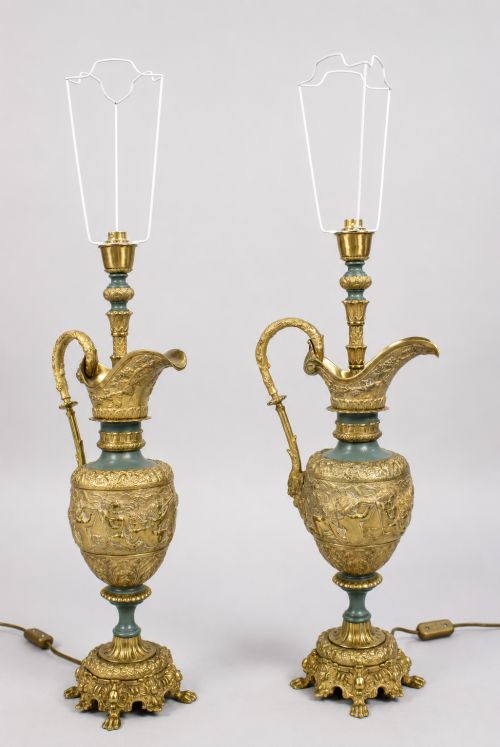
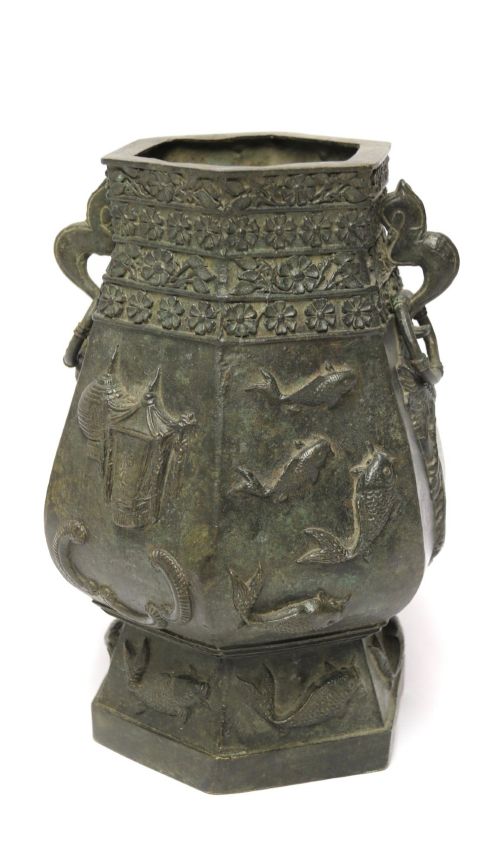
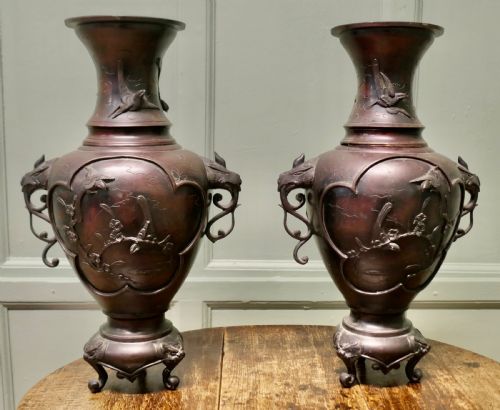
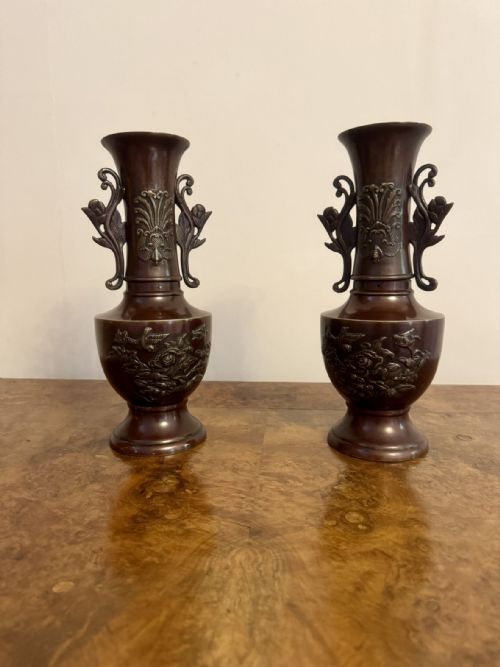
A relief carved metal urn brings heavy decorative form to a room, appearing in formats like Japanese Meiji vases, Chinese vessels, and Italian Grand Tour planters. These pieces span the nineteenth century, drawing on Victorian and Eastern aesthetics to create ornamental vessels.
Buyers encounter forms ranging from baluster vases and incense burners to large garden planters and jardinieres. The selection leans heavily toward Japanese bronze work from the Meiji period alongside Chinese bronze pieces and European neoclassical items.
How they were made
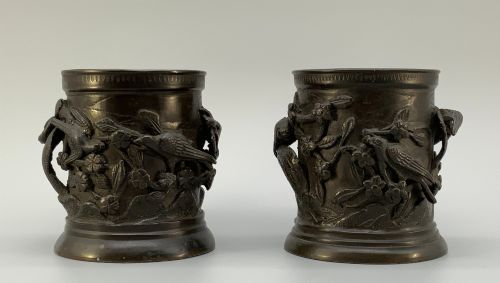
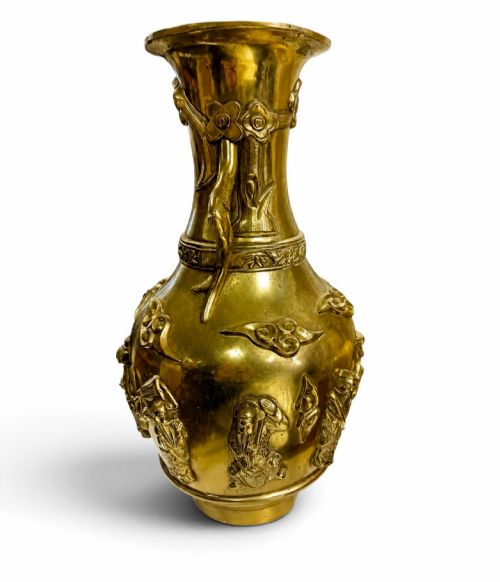
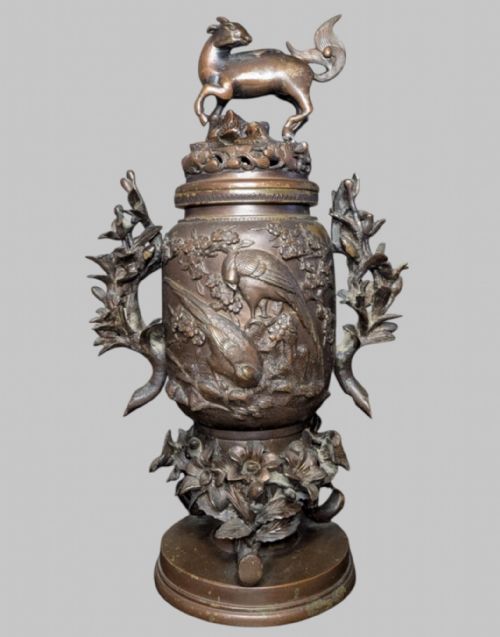
Foundries utilised bronze, brass, copper alloy, and cast iron, pouring metal into moulds before hand-finishing the surface. Artisans worked the metal while hot or cold, chiselling and carving high-relief motifs of birds, blossoms, and figures directly into the heavy walls.
Surface treatments included patination, gilding, and enamel inlay to heighten contrast and depth. Bases and handles were cast separately and joined mechanically or cast as part of the main body.
Some bronze urns feature goat finials and elephants, watching quietly over the room.
What varies in quality
Depth and crispness of the carving dictate the visual impact, separating sharp, detailed depictions of immortals or flora from soft, shallow casting. Heavier metal weight and balanced proportions signal superior foundry work.
The finish of the patination and the integration of handles or finials reveal the maker's discipline. Signed works and retained base marks provide additional distinction.
GENRYUSAI SEIYA
The Relief Carved Metal Urn Glossary
- Baluster
- A tall vessel form with a rounded body and a narrow neck. This shape provides a stable canvas for extensive relief carving.
- Jardiniere
- A large ornamental pot designed to hold plants. These pieces often feature heavy bronze walls with twin handles.
- Meiji Period
- The era in Japanese history spanning from 1868 to 1912. Metalwork from this time achieved worldwide acclaim for intricate bronze casting.
- Patination
- The chemical treatment or natural oxidation applied to metal surfaces. It produces deep brown, black, or greenish tones that accentuate relief details.
Relief Carved Metal Urn: Frequently Asked Questions
How do I clean a bronze urn?
Dust the surface regularly with a soft, dry cloth to protect the patination.
Avoid commercial polishes or water, which can strip the aged finish and damage the relief work.
Were these urns used outdoors?
Some heavy cast iron and bronze examples functioned as garden planters and jardinieres.
Lighter vases and incense burners were strictly interior decorative items for display tables.
What is a Grand Tour urn?
These are nineteenth-century pieces collected by Europeans travelling through Italy.
They replicate classical neoclassical forms in bronze and marble.
How do I date a metal urn?
Look to the stylistic markers, such as Meiji period motifs or Victorian neoclassical styling.
Foundry marks and base signatures also point to specific decades in the nineteenth century.