





Regional English Vernacular Chair
A regional english vernacular chair brings the honest craftsmanship of local carpenters and country workshops straight into your home.
Regional English Vernacular Chair
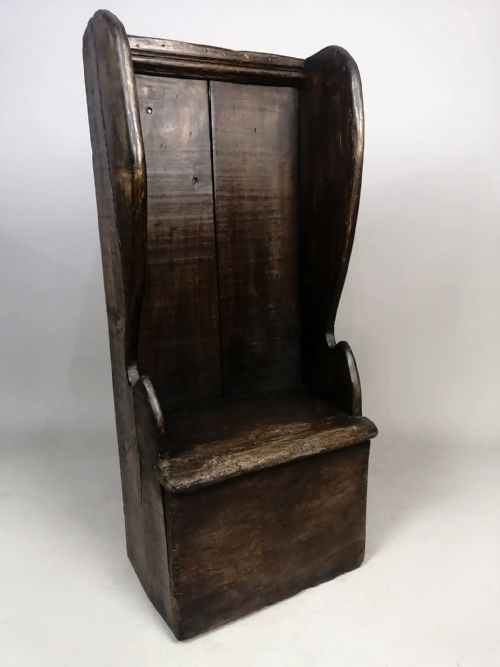
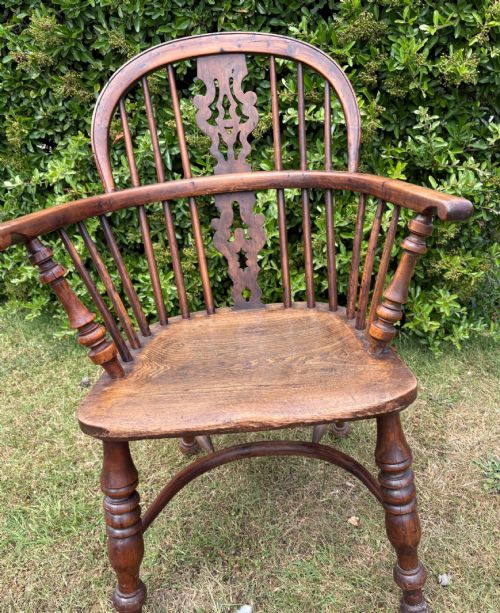
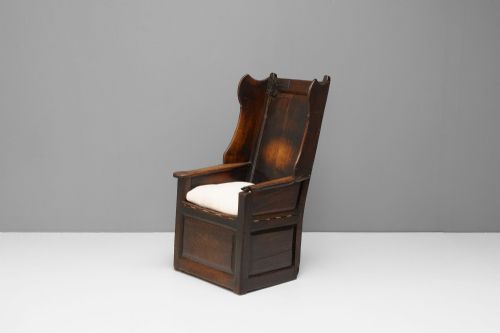
A regional english vernacular chair represents a diverse group of country seating produced across various British counties. These pieces span centuries of rural design, ranging from early oak child's lambing chairs to later elm spindlebacks and yew wood Windsors.
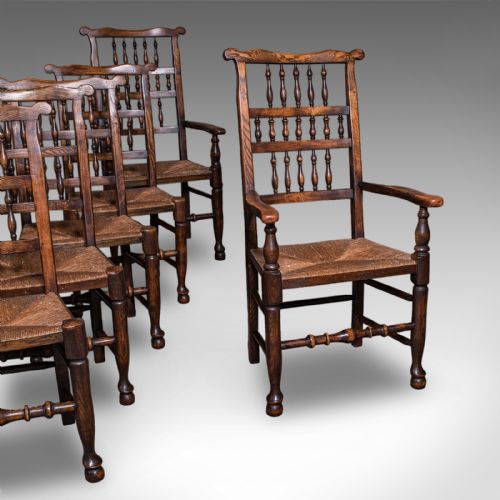
Buyers encountering this selection will discover distinct regional forms such as Thames Valley armchairs, West Country stick backs, and Lancashire dining chairs. Each example reflects local timber supplies and the specific needs of domestic rural life.
The objects include sturdy armchairs, carvers, hall chairs, and sets of dining chairs. They demonstrate how local makers adapted traditional construction methods to suit everyday domestic use.
Materials and construction
Makers utilised native hardwoods selected for specific structural properties, combining elm, ash, beech, fruitwood, and yew wood within a single frame. Solid timber seats received bored legs and spindles, while rush provided flexible seating surfaces.
Construction techniques relied on traditional green woodworking and turning methods. Spindle backs, stick backs, and steam-bent components created resilient frameworks designed to withstand heavy daily use without complex joinery.
The listings demonstrate a strong presence of yew wood, elm, and ash across eighteenth and nineteenth century vernacular seating forms.
Assessment of quality
Quality rests in the integrity of the timber selection and the retention of original structural components. Chairs featuring well-figured yew wood or substantial elm seats show superior initial material choice.
The subtlety of turned spindles, the balance of low backs, and the harmony of repaired or original surfaces distinguish finer workshops. Honest patination earned through decades of domestic service outweighs over-restored perfection.
Gabbitass Worksop maker·Rockley maker
The Regional English Vernacular Chair Glossary
- Windsor chair
- A chair built with a solid wooden seat into which the legs and back sticks are directly tenoned. These pieces often feature low backs and sculpted arm rails.
- Spindleback
- A chair style featuring slender turned vertical wooden rods forming the back support. This design provides lightweight strength.
- Lambing chair
- A high-backed enclosed wooden chair traditionally used near hearths to block drafts. Early examples often incorporate solid wings and storage compartments below.
- Vernacular
- Objects designed and built by local craftsmen using regional traditions and native materials rather than high-style metropolitan patterns.
- Carver
- An armchair designed to match a set of dining chairs, typically placed at the head of a table.
Regional English Vernacular Chair: Frequently Asked Questions
How were these chairs used historically?
Rural households utilised these sturdy seats around farmhouse dining tables, beside open hearths, and in halls. Lambing chairs provided warmth and shelter from drafts in cold country kitchens.
Dining chairs and armchairs served daily family meals and accommodated visitors in vernacular settings.
How should I live with one?
Place them in spaces where their tactile wooden surfaces and historical character can be appreciated. They mix easily with both modern interiors and traditional settings.
Maintain moderate indoor humidity levels to preserve the stability of native timbers like elm, ash, and yew.
How do I tell regional styles apart?
Look closely at the turning details, timber choices, and structural framing methods. Specific regions developed distinct characteristics, such as Thames Valley Windsor designs or Lancashire spindlebacks.
Local timber availability heavily influenced which woods makers utilised in different parts of the country.