

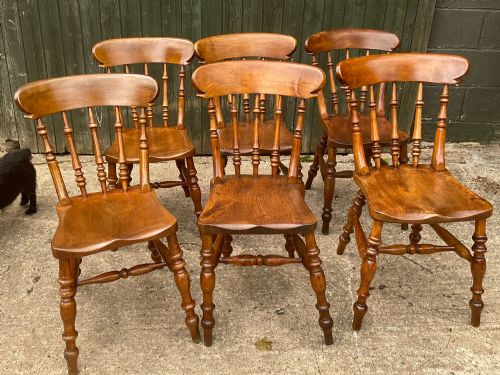


Regional English Country Chairs
Regional English country chairs bring character to a room through local woods and vernacular forms built by regional makers.
Regional English Country Chairs
When you search for regional english country chairs, you encounter solid timber seating made outside major urban centres by local joiners and wheelwrights. The pieces span centuries from the late seventeenth century through the Edwardian period, capturing diverse local traditions across the shires.
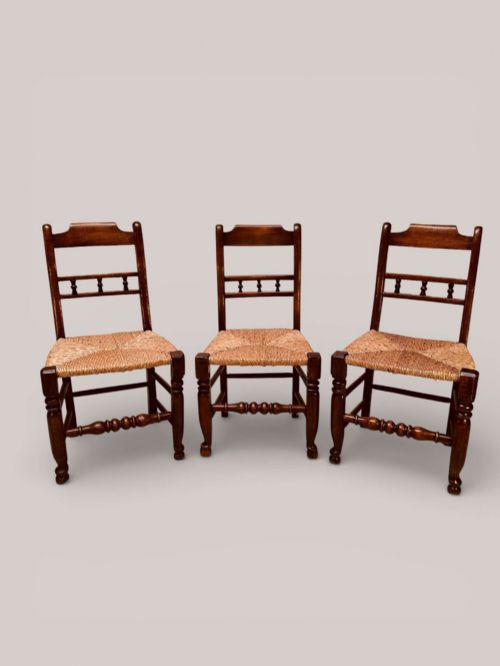
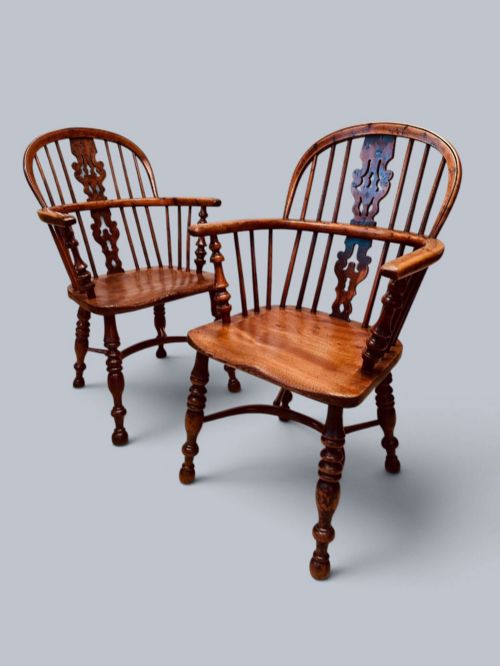
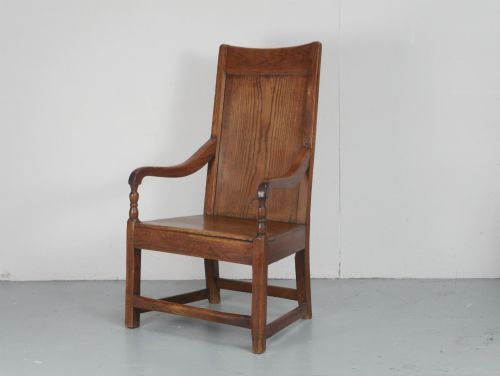
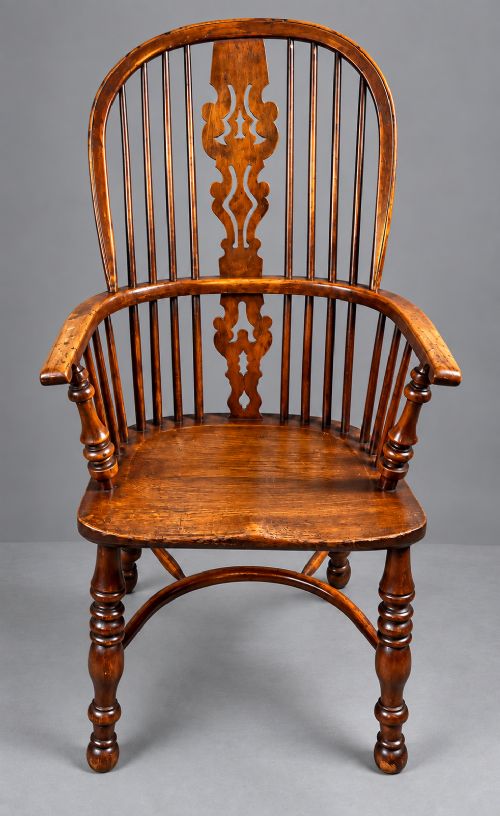
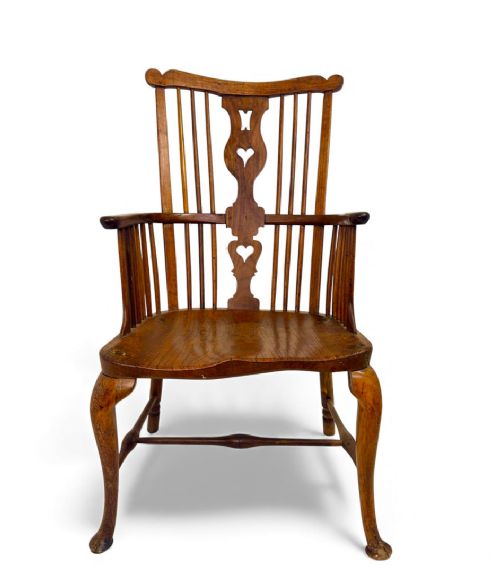
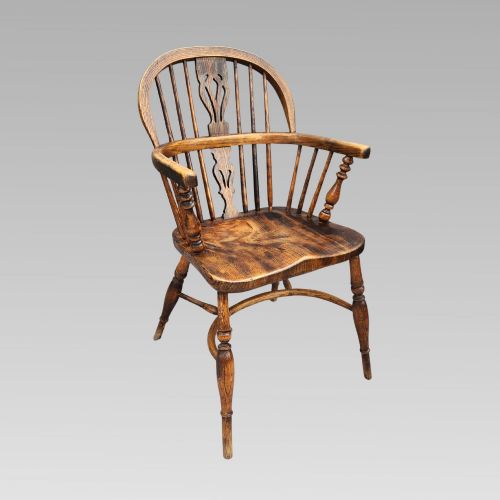
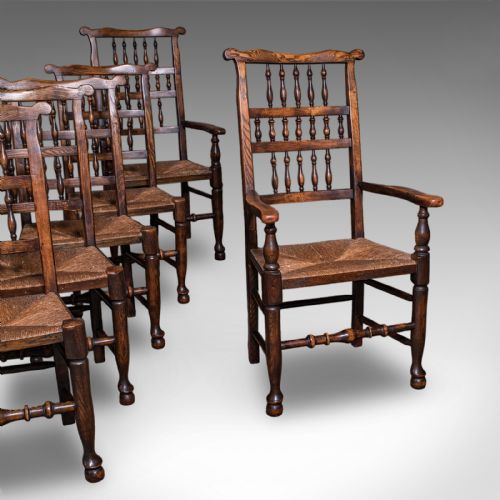
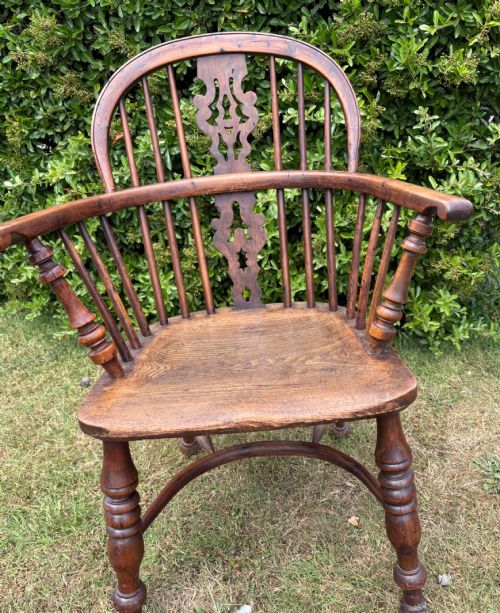
You meet various regional forms here, including Thames Valley wheelbacks, Yorkshire broad arm models, Lancashire spindlebacks, and Nottinghamshire stick backs. Windsor armchairs in yew and elm sit alongside rush seated dining chairs and solid oak armchairs.
Origins matter greatly for these chairs, with makers and regional styles originating from Worksop, Ormskirk, Shropshire, East Anglia, and the West Country. Each district developed distinct structural quirks and turning details that identify where the timber was seasoned and shaped.
Materials and Construction
Local woods dictate the build, utilising native timbers such as yew, elm, ash, beech, oak, and alder chosen for strength and grain pattern. Cabinet makers combined different woods within a single chair, pairing elm seats with yew bows and ash spindles for structural resilience.
Constructors relied on traditional joinery, turning legs on bodlem lathes and steam bending solid timber for hoops, combs, and arms. Rush seating was woven directly onto frames, whilst solid wood seats were dished by hand using adzes and scorps for comfort.
Regional English Country Chairs Retail Price Guide 2026
Typical asking prices for regional english country chairs among the pieces listed under this phrase on Sellingantiques today, from the lower quarter to the upper quarter. They describe what is for sale here now, not the wider market.
The inventory highlights regional production centres, including Worksop, Nottinghamshire, Shropshire, and the Thames Valley.
What Varies in Quality
The sophistication of the timber selection separates everyday seating from exceptional examples, particularly in yew wood chairs displaying dense figure and rich grain depth. Figured burr yew and well matched combinations of fruitwood and ash indicate a maker working at the height of their regional trade.
Structural integrity and the survival of original components determine the standing of each piece, from uncompromised arm stump joints to untouched surface patination. Untouched chairs retain the marks of regional tools and the subtle weathering accumulated across generations of farmhouse use.
Gabbitass of Worksop·John Brand of Sleaford·John Moss Worksop·Allsop Worksop
The Regional English Country Chairs Glossary
- Windsor chair
- A chair built with a solid wooden seat into which the legs and back spindles are tenoned directly. This vernacular form developed distinct regional variations across the Thames Valley and northern counties.
- Comb back
- A Windsor chair variation where the vertical spindles rise to form a low straight top rail resembling a hair comb. This style often incorporates shaped arms and curved headrests.
- Broad arm
- A chair featuring an enlarged, flat wooden armrest designed for writing or resting. These wide elbows are frequently found on Yorkshire and Nottinghamshire Windsor models.
- Spindle back
- A chair construction utilising numerous slender turned wooden bars to form the backrest. These are common in Lancashire and vernacular dining sets.
- Rush seat
- A seating surface woven from dried marsh rushes twisted into cords and laced tightly across the chair rails. This traditional method provides a resilient and flexible base.
Regional English Country Chairs: Frequently Asked Questions
How do I tell different regional styles apart?
Regional styles reveal themselves through specific framing choices, turning patterns, and timber combinations native to particular counties. Thames Valley chairs often feature distinct wheelback carvings and native yew construction, whilst northern models in Yorkshire and Lancashire favour broad arms or spindlebacks in ash and elm.
Examining the turning on the legs and the shaping of the solid seat helps connect a piece to its geographical workshop origin.
How were country chairs used originally?
Country chairs served practical daily roles around the farmhouse, appearing in kitchens, halls, and dining rooms. Sturdy armchairs provided fireside seating, whilst sets of side chairs and dining chairs furnished farmhouse tables.
Specialist forms like lambing chairs offered shelter from drafts in large open hearths, utilising high wooden wings and enclosed storage bases.
How do I care for antique country chairs?
Maintain these chairs by keeping them away from direct heat sources and sudden humidity changes that cause native timbers to split. Feed the dry wood periodically with appropriate natural waxes to preserve the surface patination.
Avoid aggressive cleaning agents and check leg joints occasionally to ensure dry winter air has not loosened the traditional wedged tenons.