



Regency Yew Occasional Table
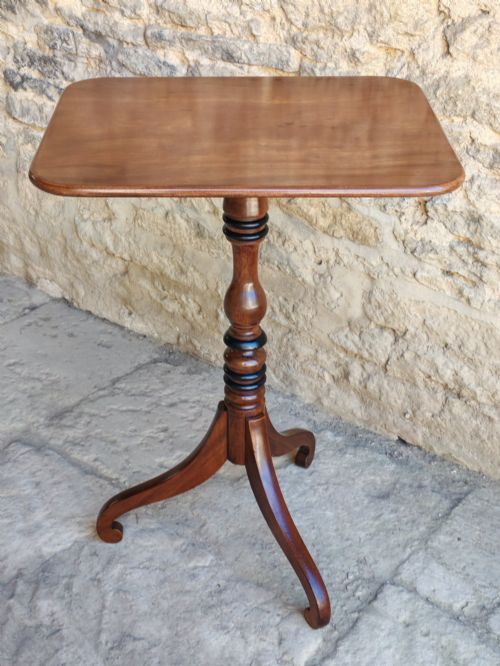
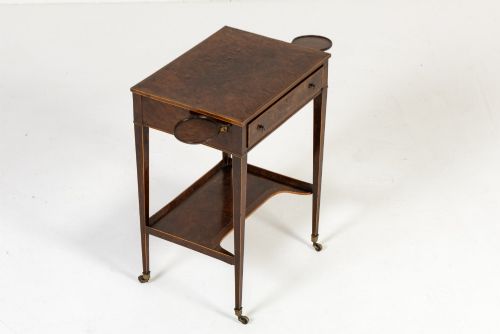
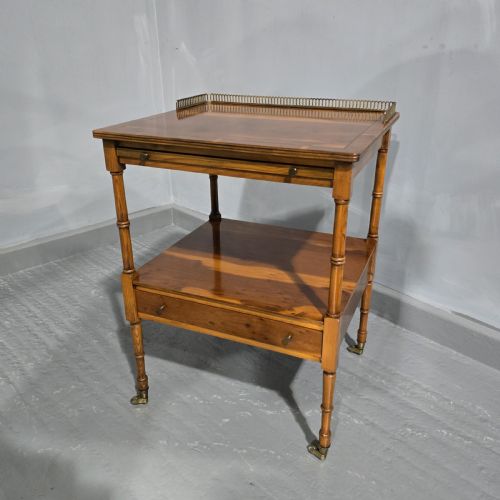
Regency yew occasional table forms are timber pieces combining native wood figuring with the clean lines of the early nineteenth century.
Regency Yew Occasional Table
A Regency yew occasional table is a small stand built for the reception rooms of nineteenth-century houses, functioning as a lamp table, wine table, or torchere stand. When searching for a regency yew occasional table, buyers encounter side tables, writing tables, and tripod stands originating from the Georgian, Regency, and Victorian periods.
The material character defines these forms, ranging from solid timber tripod tables to nests of tables featuring burr yew veneer. Alongside standard occasional tables, the listings include sofa tables, teapoys, and centre tables that utilise yew alongside mahogany, satinwood, and burr oak.
Makers and manufacturers produced both strict Regency designs and later Regency Revival interpretations during the 1920s and 1930s. The common thread across these periods remains the use of figured yew wood, often arranged in circular tops or supported on column and tripod bases.
Judging quality in yew furniture
Quality rests in the choice of timber and the dexterity of the veneer work, where burr yew tops display striking natural patterns without excessive patching. The joinery of tripod bases and the crispness of turned columns separate standard domestic pieces from finer cabinet work.
The integration of secondary timbers like mahogany and satinwood indicates the ambition of the original workshop. Surface condition and the survival of original brass mounts further distinguish superior examples from later revivals.
Regency Yew Occasional Table Retail Price Guide 2026
Typical asking prices for regency yew occasional table among the pieces listed under this phrase on Sellingantiques today, from the lower quarter to the upper quarter. They describe what is for sale here now, not the wider market.
Listings feature yew occasional tables spanning the Georgian, Regency, and Victorian periods alongside 1920s and 1930s revivals.
The Regency Yew Occasional Table Glossary
- Burr yew
- A growth deformity in the yew tree that produces highly figured, swirling wood grain prized by cabinetmakers for decorative veneer tops.
- Teapoy
- A small box on a stand designed for storing loose tea, often fitted with internal compartments and supported on a central pillar.
- Tripod table
- A small freestanding table with a circular top supported by a central column resting on three splayed legs.
- Torchere stand
- A tall, slender freestanding stand originally intended to hold a candle or lamp, featuring a small circular top.
- Sofa table
- A rectangular occasional table designed to stand in front of a sofa, typically featuring drop leaves and end supports.
Regency Yew Occasional Table: Frequently Asked Questions
What is a regency yew occasional table used for?
These tables served various domestic functions in nineteenth-century drawing rooms, holding lamps, writing materials, or tea equipment.
Today, they function practically in modern interiors as small bedside stands, lamp tables, or decorative accents beside seating.
How do I spot a Regency piece from a later revival?
Authentic Regency examples date from the early nineteenth century and exhibit period construction techniques, timber shrinkage, and hand-cut joinery.
Revival pieces from the 1920s and 1930s often display machine-tooled elements and different interior secondary woods despite using similar yew veneers.
Is burr yew different from standard yew wood?
Burr yew comes from the knotted growths on the trunk of the yew tree, creating complex, swirling patterns that decorators use for tabletops.
Standard yew timber has a straighter, finer grain with distinct growth rings, used for solid legs and structural framing.
Can I use these tables for daily service?
These tables were built for daily use in nineteenth-century homes and tolerate normal domestic placement if protected from excessive heat and moisture.
Polished wood surfaces benefit from coasters and careful placement away from direct sunlight to preserve the burr yew veneer.