


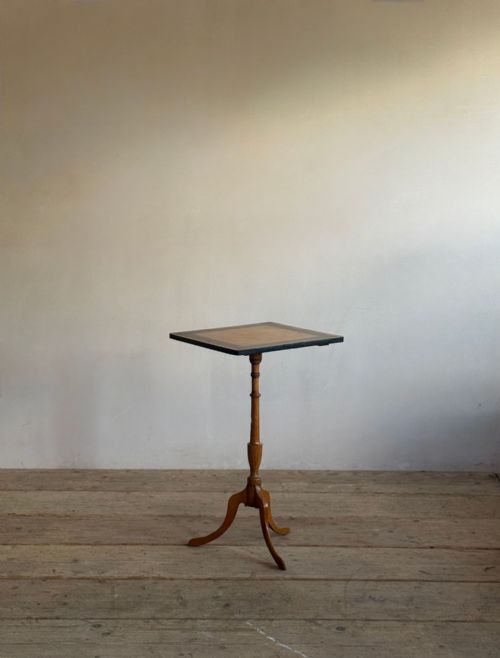
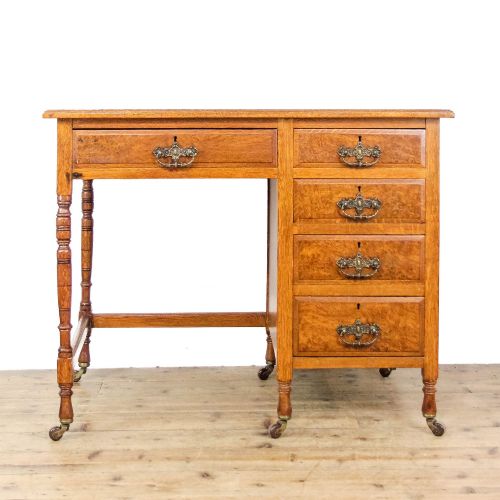
Brown Timber Pedestal Table
A brown timber pedestal table brings dependable support and central character to a room, standing on a single column rather than four corner legs.
Brown Timber Pedestal Table
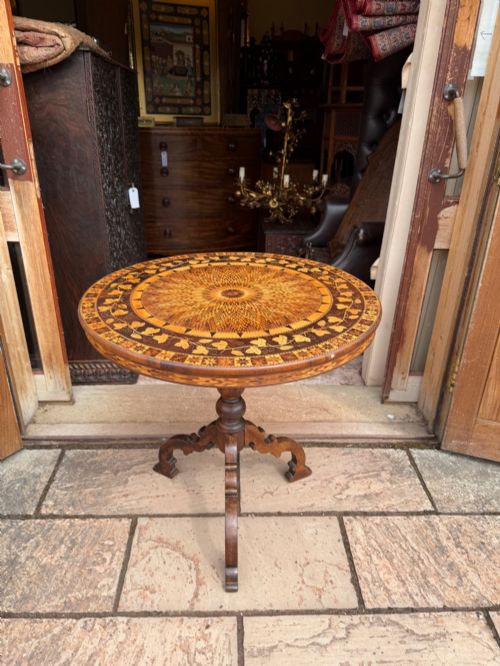
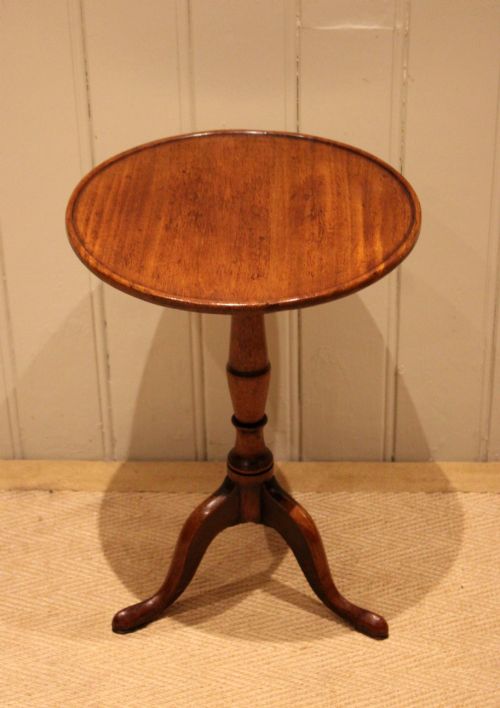
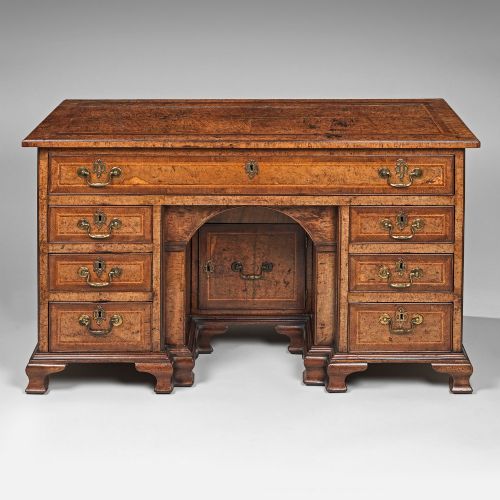
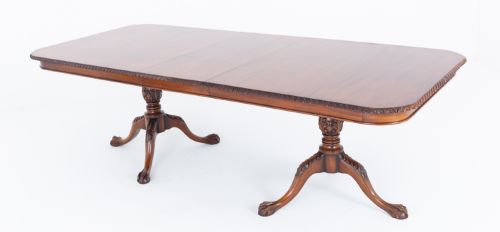
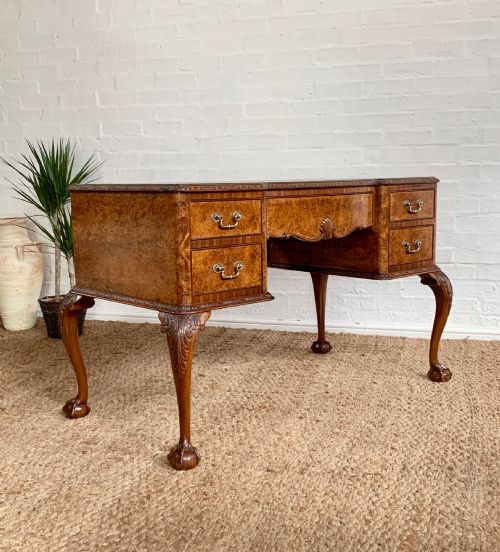
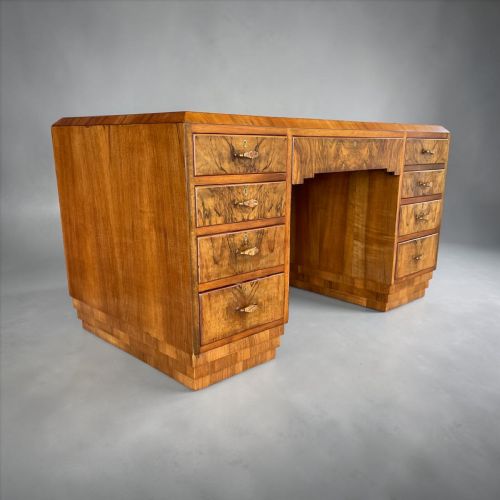
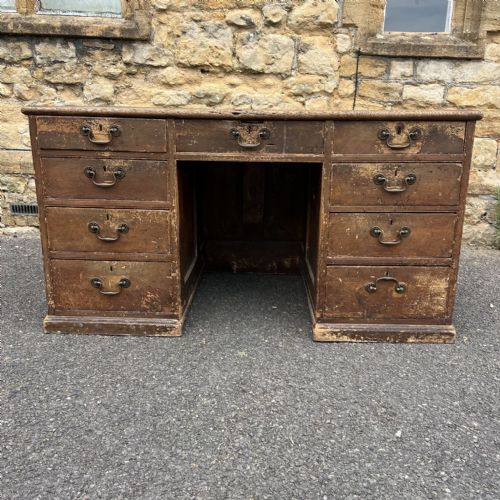
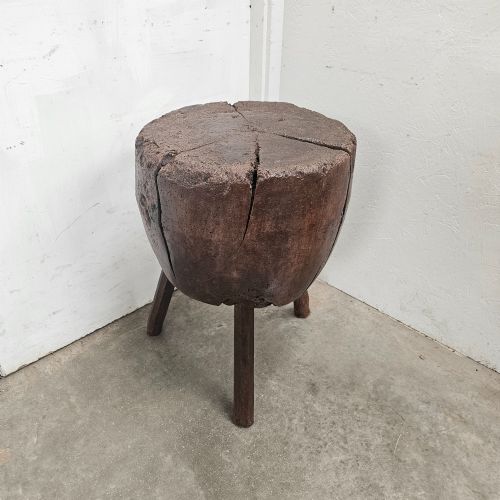
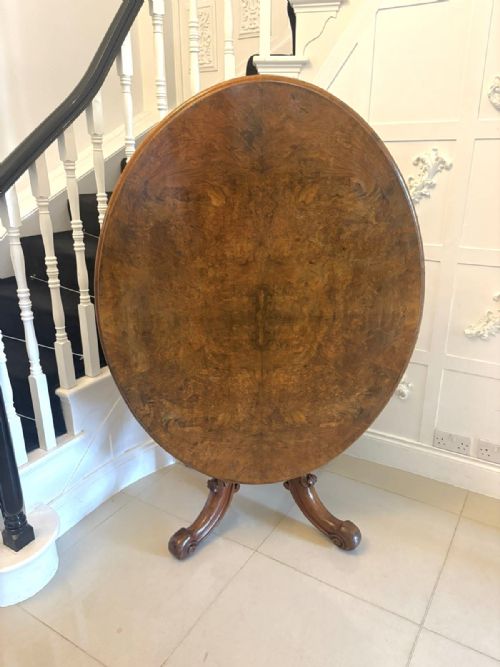
A brown timber pedestal table relies on a central pillar or tripod base to support the top, leaving the floor space around the edges clear of corner legs. When searching for a brown timber pedestal table, buyers encounter formats ranging from tilt-top wine tables and occasional lamp tables to large twin pedestal dining tables and pedestal desks.
The materials span mahogany, walnut, oak, and rosewood, reflecting periods from the Georgian and Regency eras through to the Victorian century and the 1930s. The most frequent examples on this page are mahogany and walnut tripod or twin pedestal designs from the nineteenth century.
Materials and construction methods
Cabinet makers utilised dense hardwoods such as mahogany, walnut, and rosewood, often selecting figured veneers like burr walnut or satinwood for the primary surfaces. These timbers were joined to sturdy central columns, sometimes incorporating brass fittings, iron supports, or leather writing inserts.
Turned wooden pillars, carved tripod legs, and tilt mechanisms required precise joinery to ensure the central column bore the weight of the top securely without wobble.
Listings feature timber pedestal tables spanning the Georgian, Regency, Victorian, and 1930s periods in mahogany, walnut, oak, and rosewood.
Distinguishing quality in construction and finish
The distinction between standard examples and the finest pieces rests upon the selection of timber figure, the crispness of any carved detail on the pedestal base, and the structural integrity of the central column attachment. Superior items display well-matched veneers, balanced proportions, and mechanisms that operate smoothly without excessive play.
Hand-finished polished surfaces and original brass hardware elevate an example, whereas loose joints at the pillar base or poorly matched replacement timbers indicate lower grade manufacturing or unsympathetic repairs.
Trollope and Sons
The Brown Timber Pedestal Table Glossary
- Pedestal table
- A table supported by a central column or pillar rather than four corner legs. This construction allows chairs to tuck in easily around the perimeter.
- Tilt top
- A tabletop hinged to the central column so it can pivot vertically when not in use. This feature allowed tables to be stored flat against a wall.
- Tripod table
- A small occasional table resting on three diverging legs attached to a central post. They appeared frequently in Georgian and Victorian parlours.
- Twin pedestal table
- A large dining table supported by two separate column bases, typically joined by a central stretcher or left freestanding. It provides robust support for extended leaves.
- Burr walnut
- A figured wood harvested from the wart-like growths on walnut trees. Cabinet makers prized it for its swirling, decorative grain patterns on tabletops and desk fronts.
Brown Timber Pedestal Table: Frequently Asked Questions
How do I use a pedestal table in a small room?
A pedestal table occupies less visual and physical space than a four-legged table because the single central column allows chairs to tuck underneath completely.
Choose a round tilt-top or small occasional version to keep pathways clear and move it easily against a wall when needed.
How do I care for a mahogany or walnut surface?
Protect timber surfaces from direct sunlight and excessive heat fluctuations to prevent the wood or veneer from drying and splitting.
Dust regularly with a dry cloth and apply occasional natural wax to maintain the lustre of the polished finish without building up heavy residue.
What is the difference between a wine table and an occasional table?
A wine table is traditionally a small, lightweight tripod table designed originally to hold a single glass or bottle near a seating area. Occasional tables encompass a broader range of small stands used generally for lamps, books, or decorative items.
Both share the central pedestal format but vary in top diameter and height according to their intended domestic purpose.
How can I tell a Georgian pedestal table from a Victorian one?
Georgian tables, dating from the eighteenth and early nineteenth centuries, often exhibit restrained proportions, elegant tripod legs, and fine mahogany or satinwood timbers. Victorian examples from the mid-to-late nineteenth century tend to be heavier, featuring denser carved details, burr walnut veneers, and sometimes more complex mechanical joints.
Examining the construction methods underneath and the style of the central column reveals the period of manufacture.