



Regency X Frame Desk
These pieces known as a regency x frame desk unite architectural cross-brace geometry with practical writing surfaces, offering collectors a striking profile for study rooms and libraries.
Regency X Frame Desk
A regency x frame desk combines crossed structural supports with compact writing surfaces, drawing on classical curule forms that date back to ancient furniture traditions. When exploring this group, buyers frequently encounter mahogany writing tables alongside folding campaign desks and occasional tables utilising the characteristic cross-brace silhouette.
The material palette recorded across these listings centres on mahogany combined with leather, brass, and occasional giltwood or upholstered fabric accents. Origins span the Georgian and Regency eras, alongside later revival pieces from the Edwardian period and the early twentieth century.
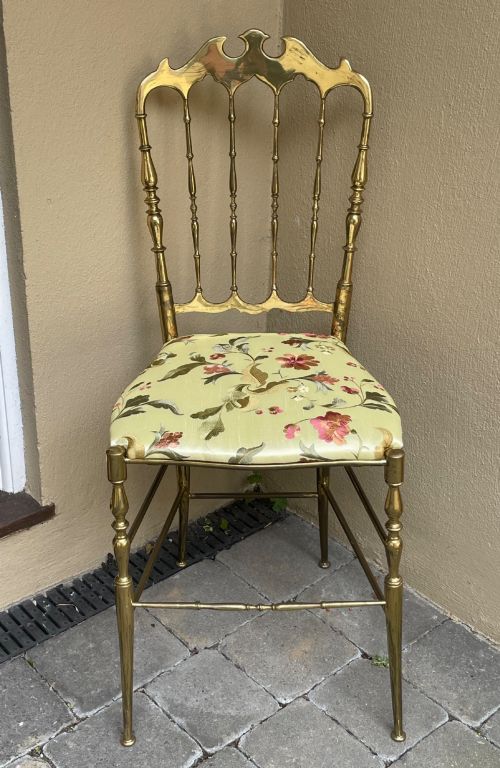
Alongside dedicated writing furniture, the selection encompasses related seating forms such as library armchairs and salon chairs that share the defining architectural stance. This blend of desk forms and cross-frame seating reflects the enduring appeal of classical symmetry in domestic interiors.
How they were made
Makers constructed these pieces primarily in solid mahogany, utilising dense timber to ensure stability across folding mechanisms and fixed cross-frame joints alike. Selected examples incorporate brass mounts, hinges, and fitted hardware designed to withstand transport and daily use.
Writing surfaces frequently feature inset leather panels, providing a durable and refined platform for correspondence. Structural integrity relies on precise joinery at the intersection of the cross members, balancing load distribution with slender visual proportions.
Regency X Frame Desk Retail Price Guide 2026
Typical asking prices for regency x frame desk among the pieces listed under this phrase on Sellingantiques today, from the lower quarter to the upper quarter. They describe what is for sale here now, not the wider market.
An eighteenth-century portrait captures a gentleman seated at his desk, proving that historical writing furniture was considered essential company for a proper oil painting.
What varies in quality
The calibre of a piece rests upon the crispness of its joinery where the x-frame members intersect, alongside the quality and density of the mahogany timber selected by the maker. Superior examples demonstrate harmonious proportions and uncompromised structural rigidity, whether designed as a folding campaign piece or a static writing table.
Refinement in secondary details, such as hand-tooled leather writing inserts, cast brass fittings, and well-executed turning, separates standard production from exceptional craftsmanship. Original hardware and undisturbed timber patination further elevate the standing of surviving pieces.
Purvis of London·Joseph Clover·Gillows
The Regency X Frame Desk Glossary
- X-frame
- A furniture base formed by two intersecting diagonal members that create a cross shape from the side elevation. This ancient structural arrangement provides both rigid support and a distinctive classical silhouette.
- Curule
- An ancient Roman stool form featuring crossing legs, which inspired later neoclassical and Regency revival seating and desk supports. It denotes pieces designed with intersecting curved or straight structural braces.
- Campaign desk
- Portable military furniture engineered with folding legs or modular sections for ease of transport during campaigns. These pieces typically feature recessed brass hardware and robust timber construction.
- Mahogany
- A durable tropical hardwood prized for its rich reddish-brown colour, fine grain, and ability to take a high polish. It served as the primary timber for fine British case furniture throughout the Georgian and Regency periods.
Regency X Frame Desk: Frequently Asked Questions
What defines a regency x frame desk?
A regency x frame desk is characterised by its crossed supporting legs or trestles, which form an architectural 'X' shape when viewed from the side. These pieces draw heavily on classical antiquity and the Regency taste for bold geometric lines.
They combine the portable utility of campaign furniture with the refined timber selection typical of late Georgian and Regency cabinet work.
Were these desks made for travel?
Many examples incorporating cross frames were designed with portability in mind, functioning as campaign or folding writing tables for officers and travellers. These pieces feature collapsible frames and robust brass fittings to withstand frequent movement.
Other iterations were built as static library or salon furniture, prioritising architectural presence over foldability.
How do I care for the leather top?
Leather writing surfaces benefit from gentle dusting with a dry microfibre cloth and occasional treatment with specialist leather balms to prevent cracking. Avoid using harsh chemical cleaners or excessive moisture, which can damage the surrounding timber and the leather finish.
Keep the desk away from direct sunlight and heat sources to preserve the suppleness and colour of the hide.
How do I distinguish original Regency from later revivals?
Distinguishing period pieces from later revivals involves examining timber shrinkage, tool marks, and construction methods appropriate to the early nineteenth century. Original Regency pieces display hand-cut joinery and period-specific secondary timbers beneath the primary mahogany.
Revival pieces from the Edwardian era or the early twentieth century often utilise machine-sawn components and cleaner, standardised hardware.