
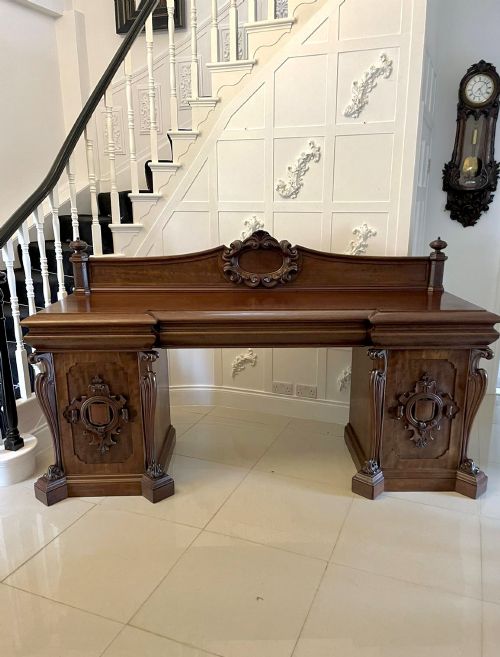
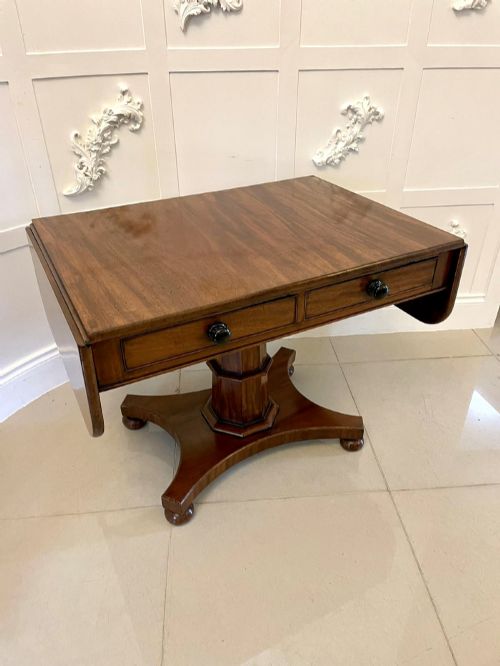
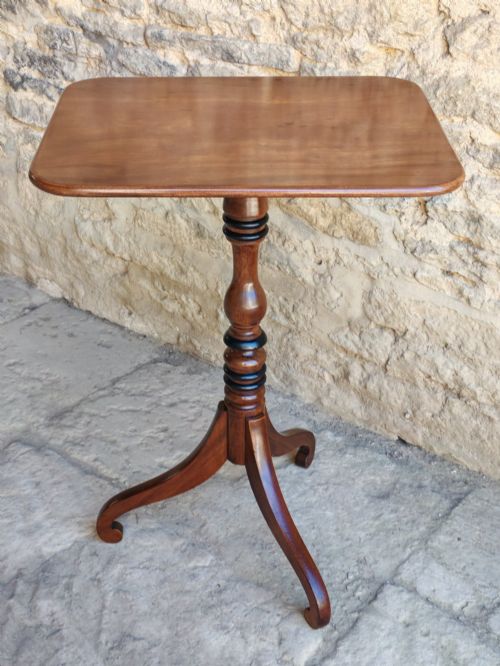
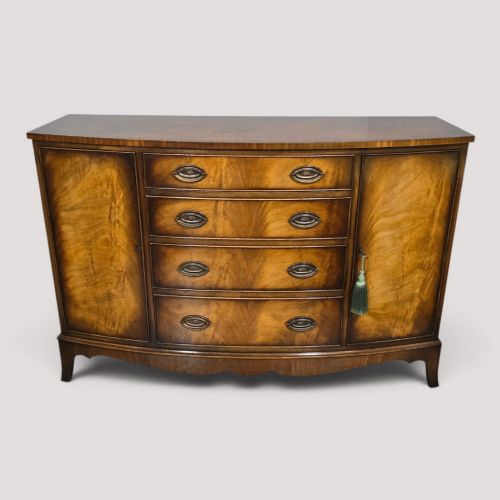
Regency Wooden Table
A regency wooden table brings refined proportion and timber depth into a room, joining pedestal dining forms with smaller pembroke and work tables.
Regency Wooden Table
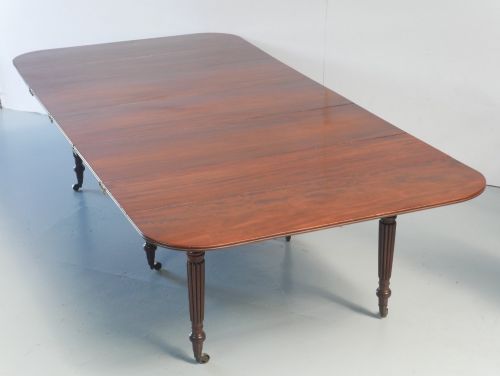
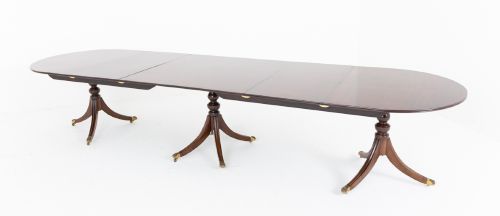
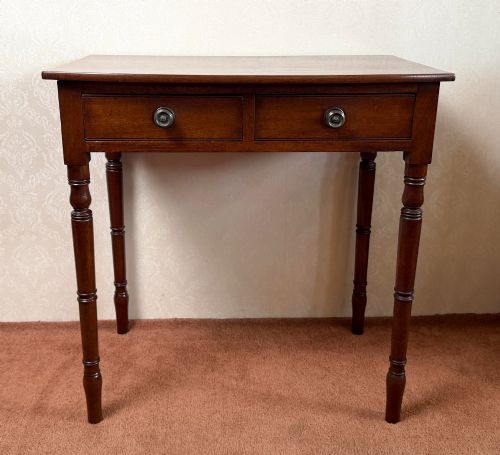
A regency wooden table encompasses dining extensions, side furniture, and occasional stands spanning the nineteenth century and related georgian periods. These pieces range from grand triple-pedestal dining formats down to compact pembroke, writing, and dressing tables.
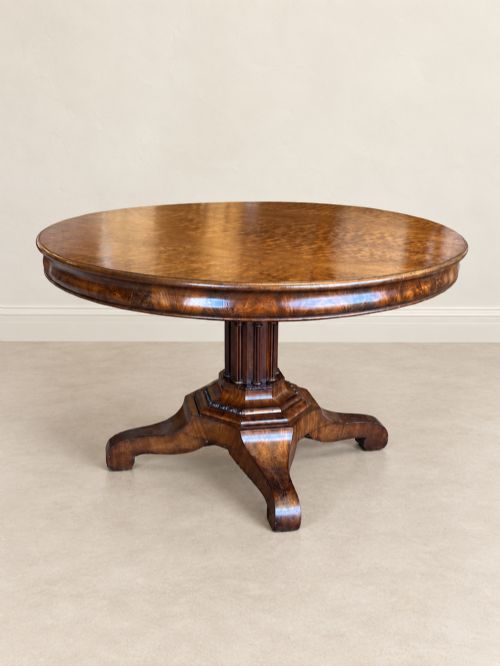
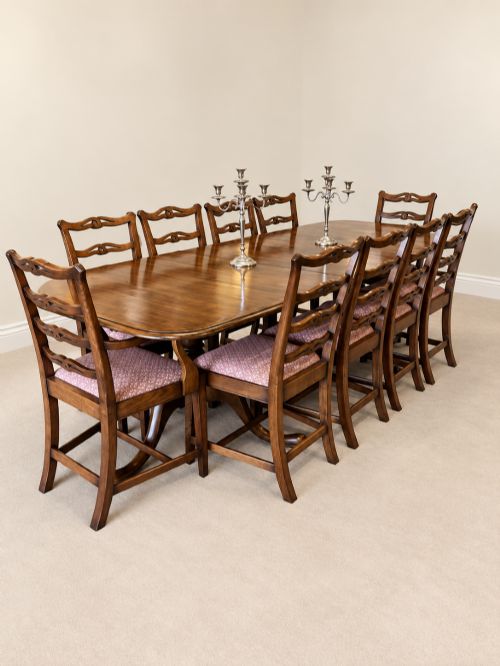
The version most commonly met on this page is the mahogany dining or side table, often featuring pedestal supports or drop leaves. Makers also worked in oak, satinwood, and burr oak to produce functional items for the library, parlour, and bedroom.
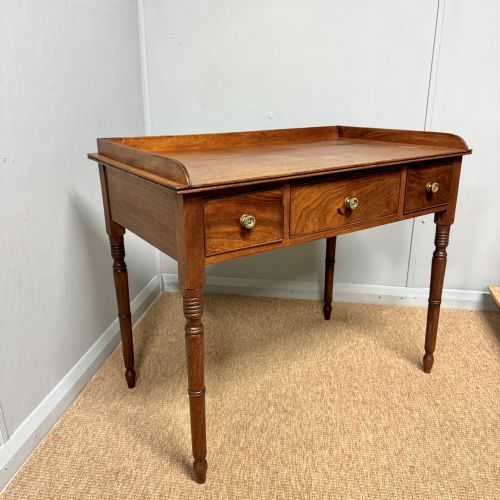
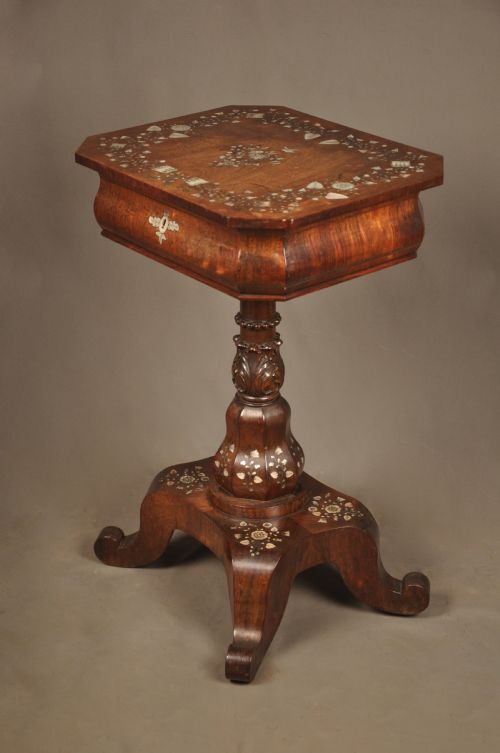
Alongside standard dining and side tables, the category extends to specialised forms such as work tables, tea tables, and washstands. These diverse objects share a timber construction aesthetic rooted in the nineteenth century.
Materials and construction
Cabinet makers relied heavily on solid mahogany and flame mahogany veneer, supplemented by structural timbers like oak and decorative accents of boxwood and satinwood. These woods were chosen for their rich grain patterns and ability to take a smooth polish.
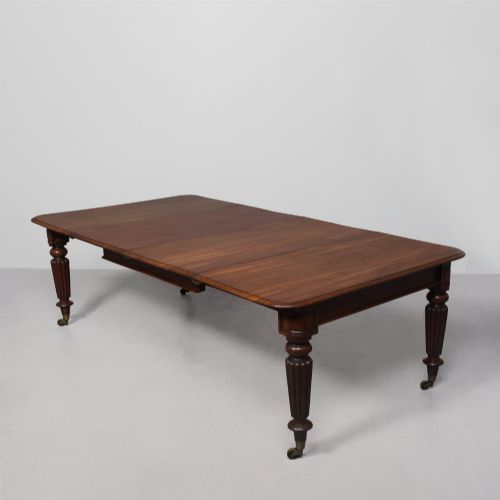
Construction techniques balanced structural strength with aesthetic refinement, utilising drop-leaf mechanisms, pillar supports, and extending pedestal bases on larger dining tables. Smaller pieces incorporated clever storage compartments, folding leaves, and precise brass fittings.
A solitary nineteenth-century oak skittles game sits quietly among the dining tables and washstands, waiting for an indoor parlour match.
Distinctions in craftsmanship
The highest tier of these tables displays superior timber selection, such as matched flame mahogany veneers and finely figured grains across large surfaces. Lesser examples utilise plain secondary timbers or simpler construction without the same depth of finish.
Proportion and architectural detailing set finer pieces apart, evident in well-turned pedestals, crisp mouldings, and integrated brass hardware. Finer workshops invested greater labour in ensuring moving parts like extending leaves and drawer runners operated seamlessly.
James Mein of Kelso·P & MA Nicholson·Thomson of London·Widenham of London
The Regency Wooden Table Glossary
- Pembroke table
- A small rectangular table with hinged leaves on either side that drop down. These versatile items gained popularity for occasional dining and writing.
- Pedestal table
- A table supported by a central pillar rising from a weighted base or splayed legs. This design allows maximum legroom around dining chairs.
- Satinwood
- A pale, hard wood with a lustrous sheen used primarily for decorative veneer work and fine stringing on cabinet furniture.
- Flame mahogany
- Mahogany timber sliced to reveal a distinctive undulating grain pattern resembling flickering flames. It was prized for primary display surfaces.
- Drop-leaf table
- A table featuring hinged flaps that can be raised to expand the surface area or lowered for compact storage against a wall.
Regency Wooden Table: Frequently Asked Questions
How do I care for a mahogany surface?
Maintain the timber by dusting regularly with a soft, dry cloth and applying natural beeswax periodically to nourish the grain. Avoid placing wooden tables near direct heat sources or strong sunlight to prevent warping and fading.
Protect the polish from moisture by using coasters and mats beneath glasses and hot dishes. Gentle care preserves the historical patina developed over generations.
Can I use an extending table daily?
Extending dining tables function well for everyday use provided the runner mechanisms are handled with care when adjusting the size. Many designs incorporate drop leaves or removable pedestals specifically to accommodate changing spatial needs.
Ensure the table remains balanced when fully extended and avoid placing excessive weight on unsupported ends. Regular checks of the joints keep the mechanism stable during frequent adjustments.
Where should I place a pembroke table?
Pembroke tables fit well beside sofas, in hallways, or as compact writing desks against a wall with one or both leaves dropped. Their modest scale makes them adaptable for smaller rooms needing surface space without bulk.
Position the table where the folding leaves can operate freely without obstruction from nearby furniture. They serve effectively as lamp tables or occasional display surfaces.
How do I distinguish georgian from victorian pieces?
Georgian and early nineteenth-century pieces generally favour restrained neoclassical proportions and crisp, hand-carved details. Victorian furniture often introduces heavier proportions, darker finishes, and more elaborate industrial production methods.
Examining the secondary timbers inside drawers and the style of brass fixings helps clarify the period of manufacture. Construction marks and timber selection provide further clues to age.