
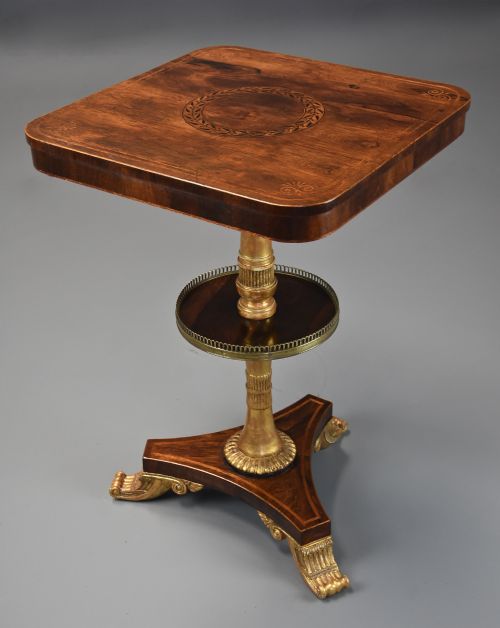


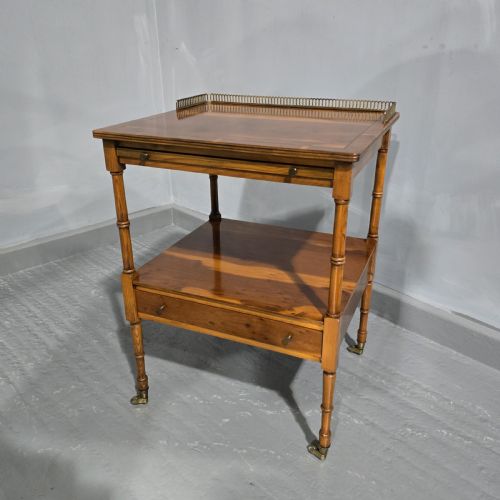


Regency Two Tier Table
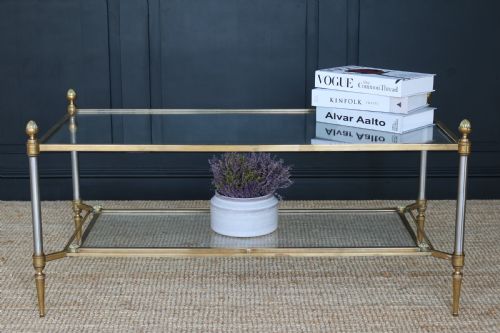
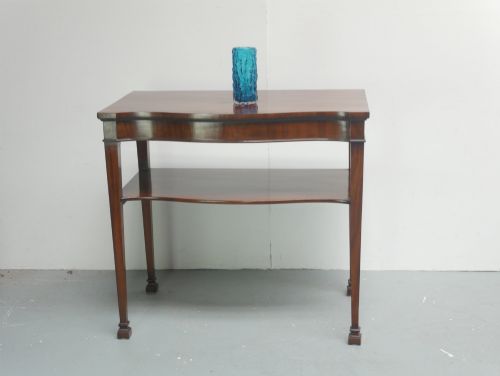
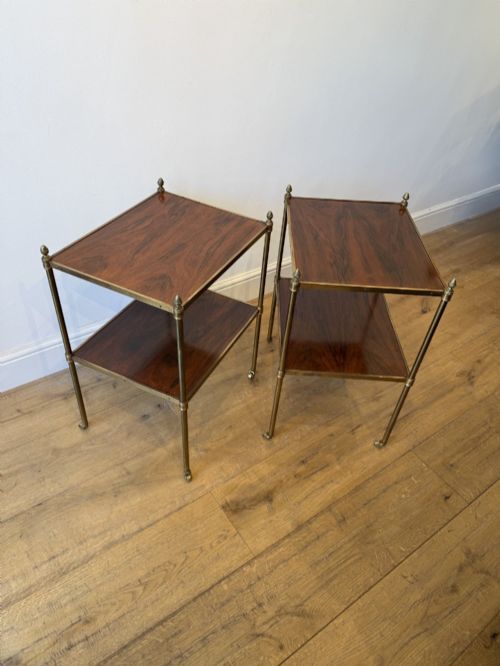
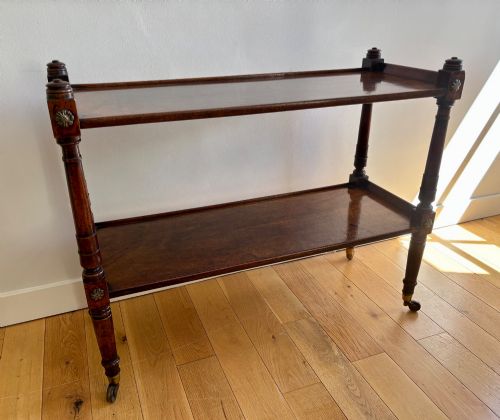
A regency two tier table offers practical double-decked surface space, bringing compact elegance and tiered display utility to any room.
Regency Two Tier Table
A regency two tier table brings stacked surface space into a room, serving multiple domestic functions through its double-decked construction. The selections here span occasional tables, lamp tables, dumb waiters, etageres, and serving tables.
Most pieces encountered on this page date from the Regency period or the nineteenth century, alongside later revivals from the nineteen-twenties and thirties. These items range from compact reading and bedside stands to substantial dining room dumb waiters.
Makers and designers referenced in the archive include Gillows of Lancaster and London, George Bullock, and Mallett of London, reflecting cabinet-making traditions from original periods through to later interpretations.
What varies in quality
The standard of timber selection and cabinet work dictates the baseline quality, distinguishing robustly figured mahogany and rosewood from plain secondary woods. Crispness in turned supports and the integrity of brass mounts or leather tooling elevate individual examples.
Provenance and attribution to notable workshops like Gillows or cabinet-makers working in the manner of George Bullock introduce historical distinction. Original surface patination and intact decorative schemes, such as period chinoiserie lacquer, separate standard items from finer works.
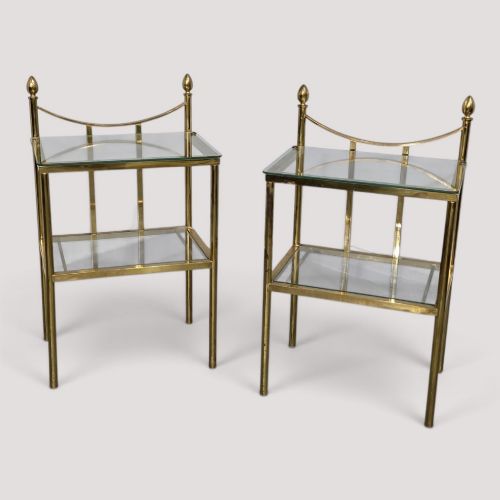
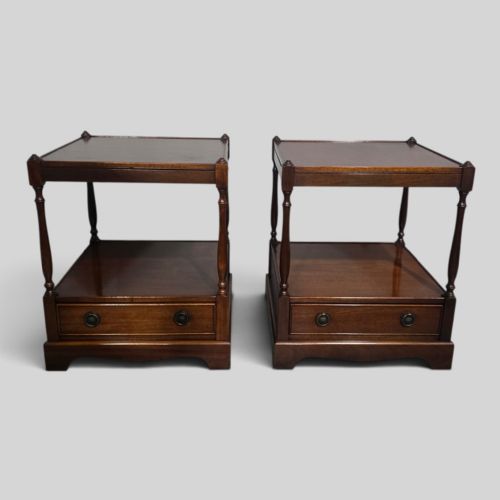
Listings feature mahogany, rosewood, oak, brass, and glass across occasional tables, etageres, and dumb waiters.
Gillows of Lancaster and London·George Bullock·Mallett of London·Romeo Rega·Maison Jansen
The Regency Two Tier Table Glossary
- Etagere
- A set of open shelves or tiers used for displaying small objects or serving food. These pieces provide multiple levels of display without bulk.
- Dumb waiter
- A tiered stand traditionally used in dining rooms for holding dishes and serving items. They typically feature rotating or fixed circular tiers on a central pillar.
- Whatnot
- A piece of furniture with shelves for books or ornaments, designed for open display. This form shares close structural similarities with two-tier side tables.
- Chinoiserie
- European decorative style reflecting Chinese artistic motifs, popular in furniture decoration. Lacquered finishes often display gilt and painted Oriental scenes.
- Giltwood
- Wood that has been treated with gold leaf or gold paint for decorative effect. It appears frequently on frames and decorative accents within neoclassical designs.
Regency Two Tier Table: Frequently Asked Questions
What is a regency two tier table?
A regency two tier table is a multi-level surface piece designed for serving, display, or lamp placement. These tables feature a primary top surface complemented by a secondary lower shelf.
Origins trace back to the early nineteenth century Regency era, though later twentieth-century revivals replicate these compact, tiered proportions for modern interiors.
How were dumb waiters used?
Dumb waiters functioned primarily in dining rooms to hold extra plates, glassware, and serving dishes without requiring servants at the table. The stacked tiers allowed hosts to keep meal essentials close to hand.
Over time, these versatile stands transitioned into general living spaces as lamp tables, etageres, or side tables for display.
How do I style these tables at home?
Place a two-tier table beside a sofa or armchair to utilise the split levels for reading lamps on top and books below. Their compact footprints also suit hallways as console or occasional surfaces.
Pairing them with traditional or mid-century interior schemes highlights their architectural timber grains and brass details without overwhelming the room.
How do I identify Regency pieces?
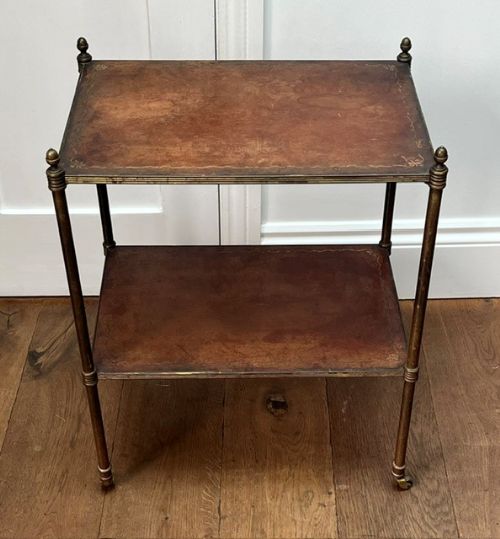
Regency pieces often display classic classical revival proportions, featuring premium rosewood or mahogany veneers, delicate brass gallery rails, and turned or reeded columns. Cabinet work from this era emphasises clean architectural lines and refined proportions.
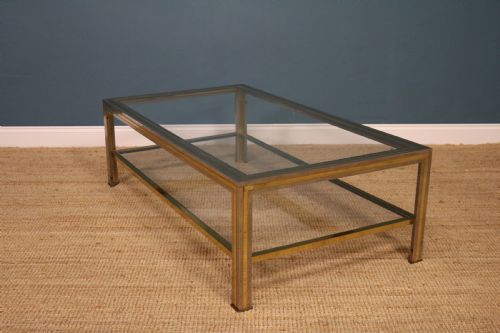
Later twentieth-century reproductions or reinterpretations often employ chrome, glass, or alternative brass combinations alongside traditional timber builds.