


Regency Tea Cup Saucer
A regency tea cup saucer brings the refined ceramic artistry of the early nineteenth century directly to your table.
Regency Tea Cup Saucer
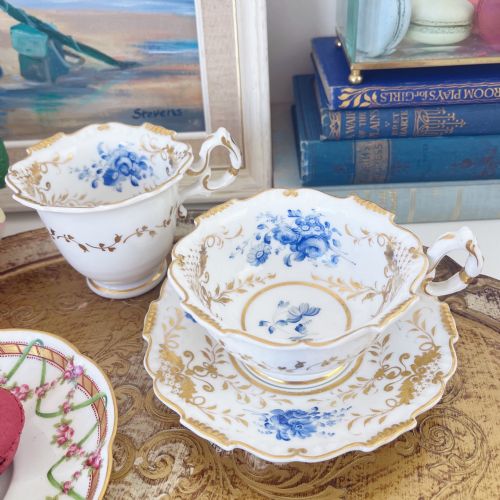
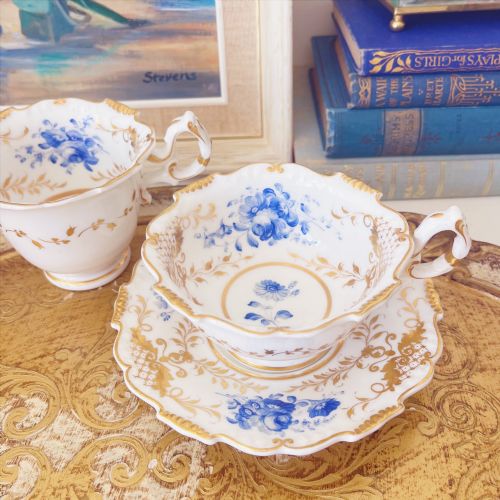
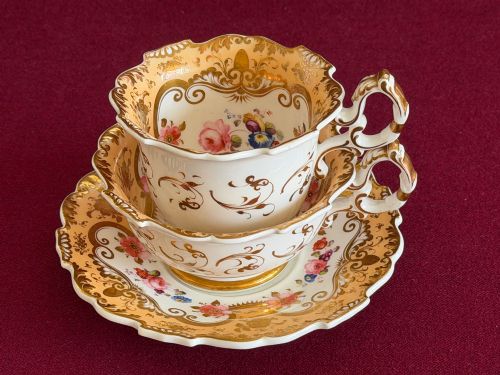
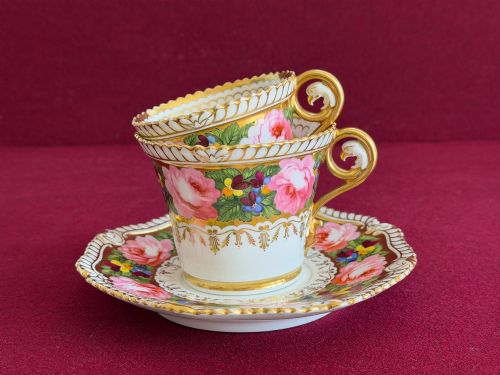
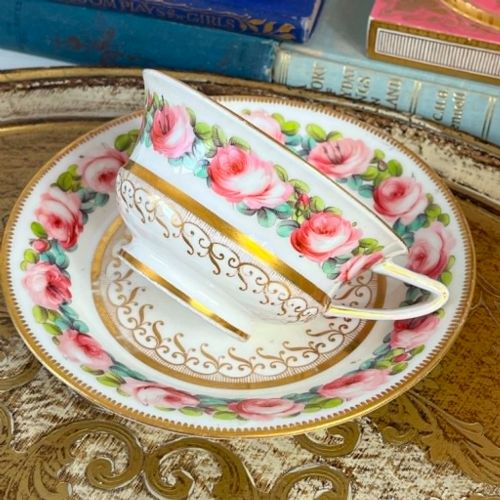
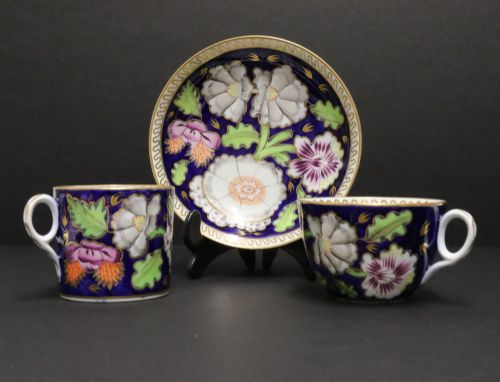
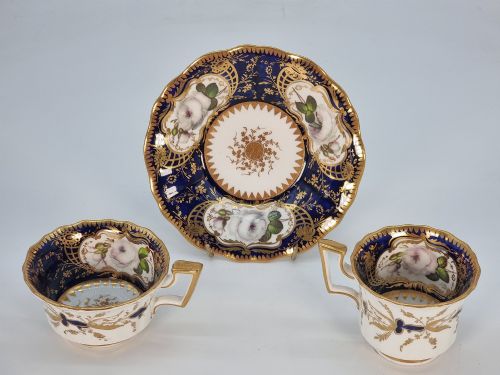
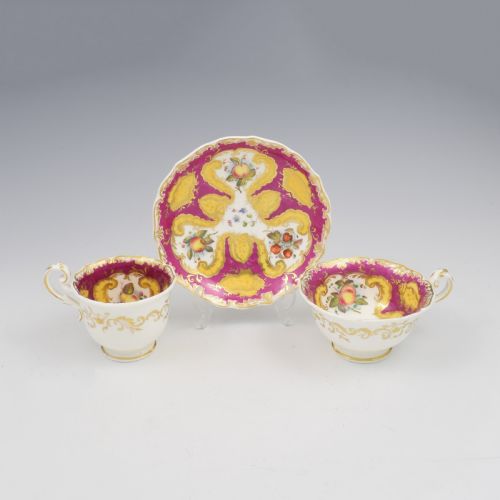
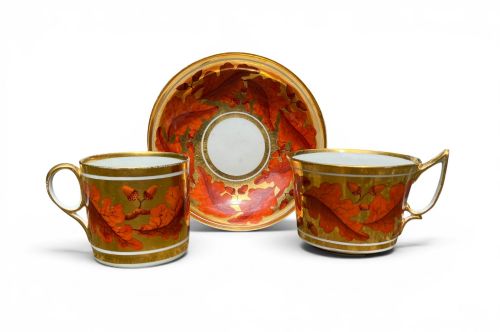
When you search for a regency tea cup saucer, you encounter the delicate domestic ceramics produced during the Georgian and Regency periods. The pieces appearing here span from around 1800 to the middle of the nineteenth century, encompassing individual duos as well as larger trios and tea services.
You are most likely to meet fine porcelain cups and saucer sets originating from notable English factories of the era. The surviving examples demonstrate the shift in social tea-drinking habits, preserving the specific shapes and decorative schemes favoured by households of the period.
Materials and Decoration
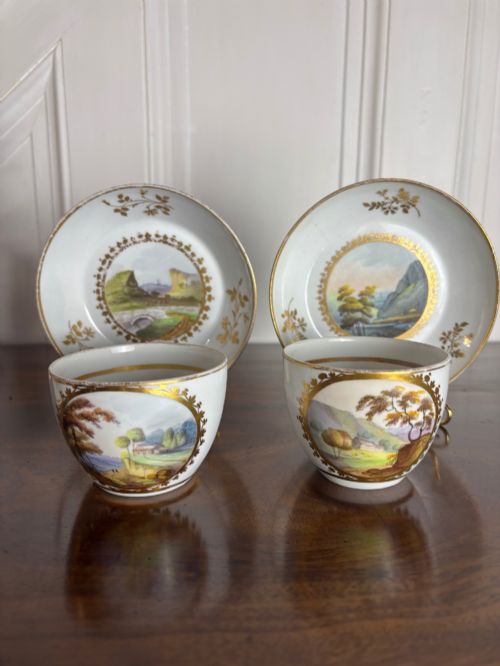
Makers utilised fine porcelain and bone china as the primary body for these vessels, shaping them into distinctive profiles like the London shape or Shrewsbury shape. Artisans then applied detailed handpainted motifs, often incorporating botanical subjects, landscapes, and exotic patterns.
Gilding played an essential role in the production process, with gold leaf and rich cobalt enamel accents applied by hand. The combination of meticulous brushwork and heavy gold gilding defines the decorative standard of these early nineteenth-century items.
The listings demonstrate a strong presence of early nineteenth-century English porcelain factories, featuring bone china bodies embellished with cobalt enamel and gold leaf.
Distinctions in Quality
The standard of painting on the ceramic surface dictates much of the distinction between ordinary production and superior cabinet pieces. Skilled artists executed intricate scenes, such as fancy birds, delicate flowers, and detailed topographical views, with immense precision.
The application of gold leaf and the crispness of the porcelain moulding further separate the tiers of manufacture. Factories employed distinct standards for their standard commercial output versus special services commissioned for royal or aristocratic patrons.
H & R Daniel·Chamberlain Worcester·Davenport·Newhall·Coalport·Derby·Minton·Flight Barr & Barr·Hicks Meigh & Johnson·Yates·Spode·Ridgeway
The Regency Tea Cup Saucer Glossary
- Trio
- A matching set comprising a tea cup, a coffee cup, and a saucer. This grouping reflects the nineteenth-century custom of serving both beverages during formal gatherings.
- Cabinet piece
- An exceptionally ornate or finely painted item intended for display in a cabinet rather than for daily use.
- Cobalt enamel
- A deep blue vitreous pigment applied under or over the glaze to create rich background contrasts.
- Gilding
- The application of gold leaf or powdered gold onto the ceramic surface to highlight rims, handles, and motifs.
Regency Tea Cup Saucer: Frequently Asked Questions
What is the difference between a duo and a trio?
A duo consists simply of a tea cup and a matching saucer, intended specifically for taking tea. A trio includes an additional coffee cup formed in the same pattern and ceramic body.
This extra piece accommodated the nineteenth-century fashion of serving multiple hot beverages during formal social occasions.
How can I identify the period of these cups?
You can determine the approximate date by examining the shape of the handle, the style of the handpainted decoration, and any factory marks hidden underneath the glaze. Pieces from the early nineteenth century often feature distinctive neoclassical motifs or bold Imari patterns.
Comparing the specific porcelain body and form against known factory productions helps narrow the decade of manufacture.
Were these items used daily?
Many surviving sets were treated as high-status possessions and reserved for special company rather than everyday meals. Finer cabinet pieces were frequently kept on display in dedicated furniture rather than handled regularly.
Over time, surviving duos and trios became treasured heirlooms passed down through generations.