
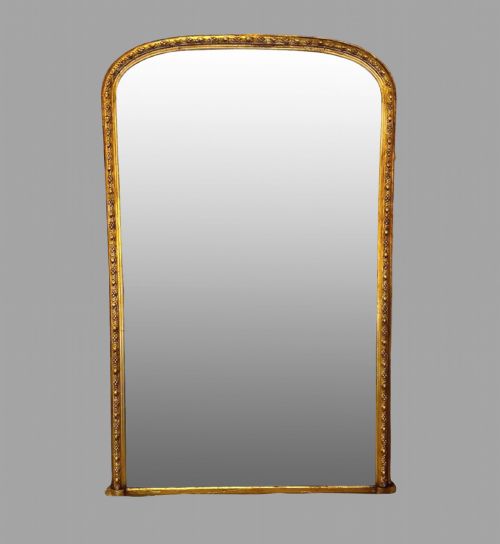
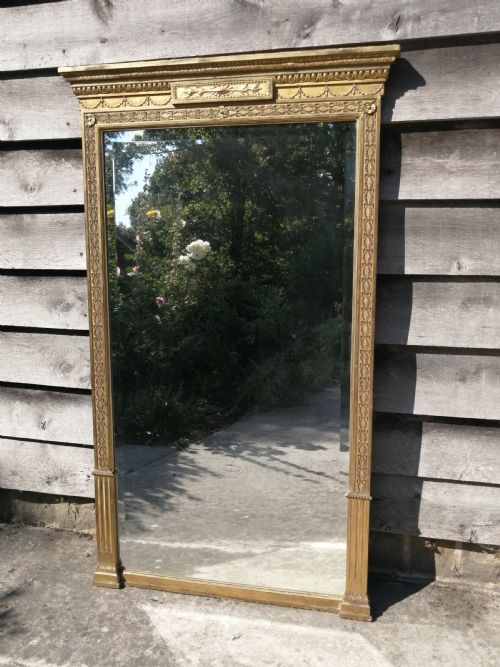
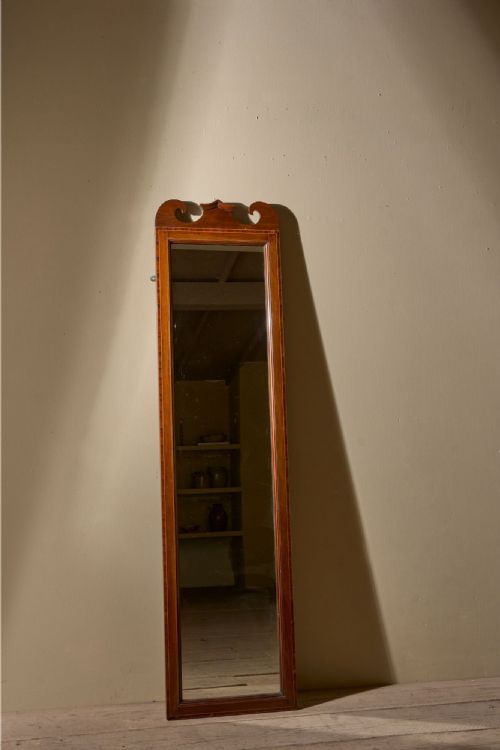
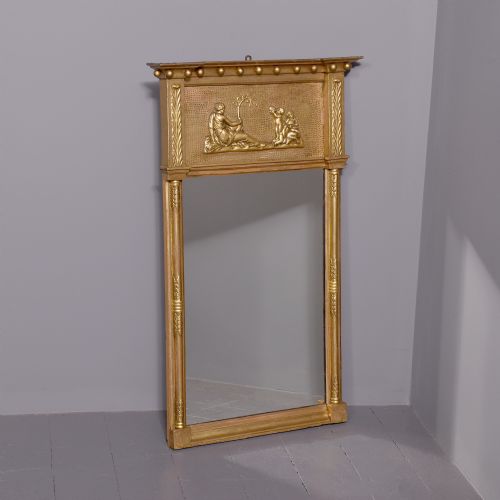
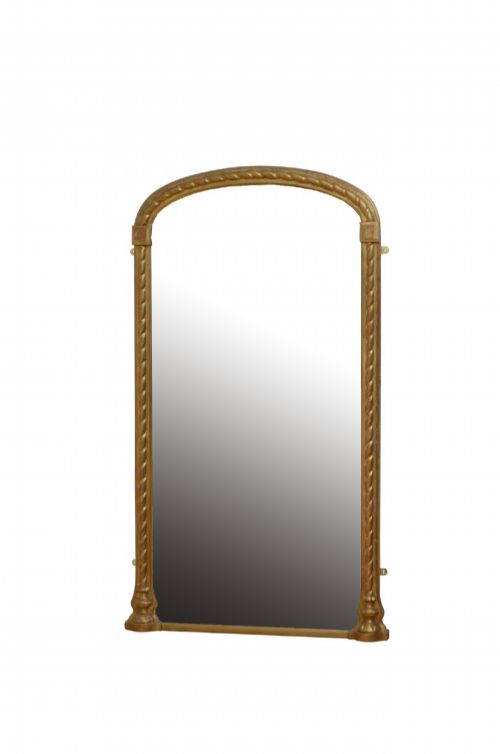


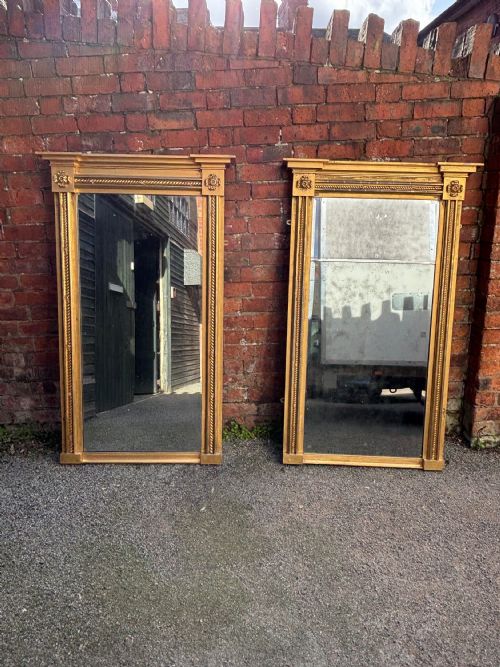


Regency Tall Wall Mirror
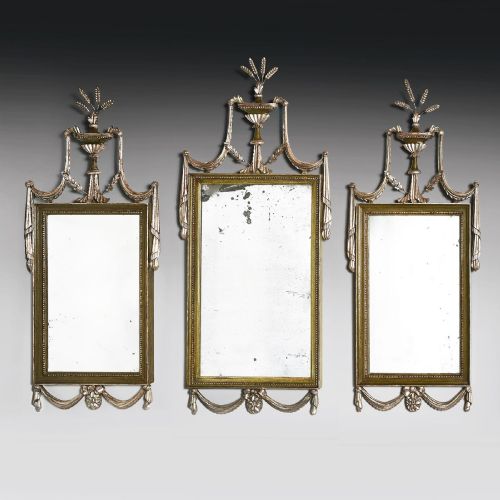
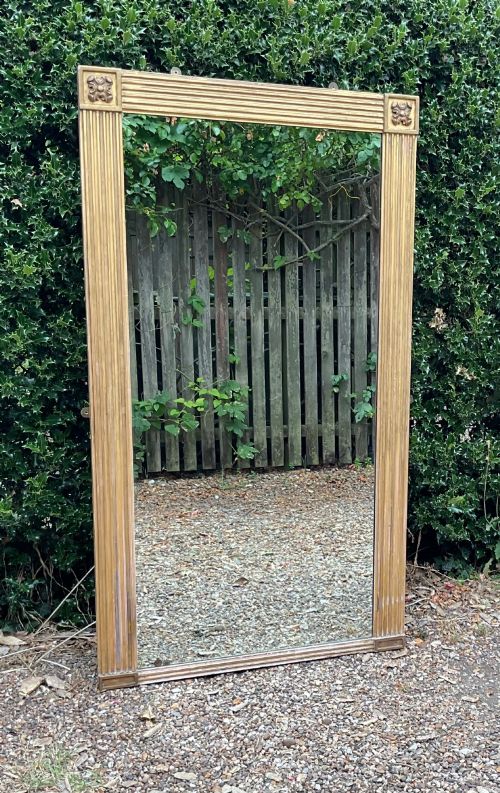
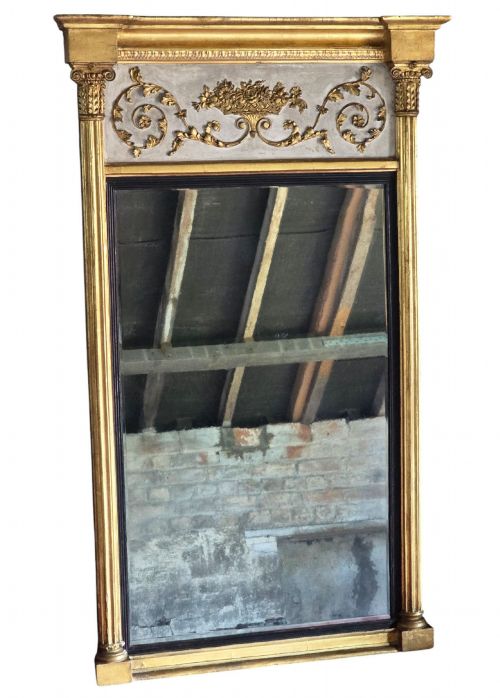
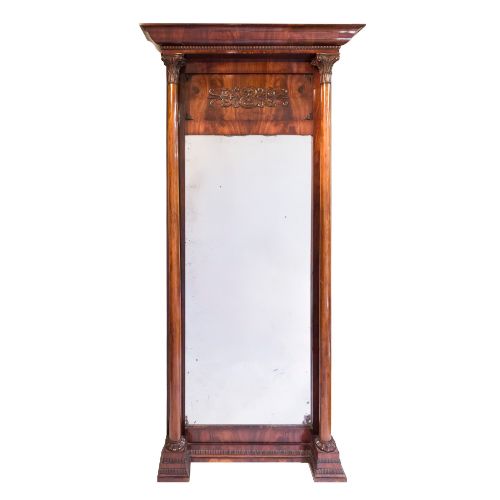
These regency tall wall mirror examples bring vertical light and classical proportion into a room, drawing the eye upward with giltwood frames.
Regency Tall Wall Mirror
A regency tall wall mirror serves primarily as a vertical pier or overmantle glass designed to hang between windows or above mantelpieces. The pieces gathered here draw from the nineteenth century, Georgian eras, and later revivals, span styles from Neoclassical to Egyptian Revival, and appear mainly as wall mirrors, pier mirrors, and dressing mirrors.
Most examples you encounter on this page utilise rich giltwood or carved mahogany frames, frequently incorporating original glass plates or mercury plates. Tall proportions dominate these listings, ranging from generous overmantles to narrow hall and pier formats that maximise available light in domestic interiors.
Materials and construction methods
Frame makers of the period relied heavily on carved timber substrates, predominantly mahogany, rosewood, and softwood, which were then built up with gesso layers to receive gold leaf or silver leaf gilding. Artisans shaped architectural details such as half columns, rope carvings, and boxwood inlay directly into the wooden framework.
Mirrors utilised silvered glass or original mercury plates, secured within the rebated frame behind protective backing boards. Decorative elements like Egyptian Revival motifs and painted surfaces were applied by hand to complete the architectural façade.
Several mirrors include original mercury plates that have quietly watched households change for two hundred years.
Factors determining quality
The distinction between ordinary and exceptional pieces rests upon the crispness of the hand-carved gesso work and the integrity of the original gilding. Finer examples retain their original mercury plate glass, showing authentic age oxidation rather than modern replacement mirror glass.
Proportion and structural joinery also dictate standing, as taller frames require expert framing to prevent warping over time. Cabinetmakers who achieved balanced Neoclassical lines or incorporated specialised details like boxwood inlay and Gillows craftsmanship separated standard production from superior output.
Gillows Of Lancaster
The Regency Tall Wall Mirror Glossary
- Pier mirror
- A tall vertical glass designed specifically to hang on the wall space or pier between two windows. These pieces were often placed above matching console tables to reflect natural daylight into dark nineteenth-century rooms.
- Giltwood
- Timber, usually soft wood or gesso-coated carved wood, covered with thin sheets of gold leaf. This finish provided the brilliant reflective surfaces characteristic of Regency interior decoration.
- Mercury plate
- An older type of mirror glass produced by applying a tin and mercury amalgam to the back of the glass sheet. It creates a characteristic dark, mottled reflection rather than the clear mirror finish seen in modern manufacturing.
- Gesso
- A plaster-like mixture applied to wooden frames as a smooth base for subsequent gilding or painting. High-quality gesso allows for deeply carved relief details that remain sharp and defined.
- Overmantle mirror
- A long, wide mirror designed to sit directly above a fireplace mantelpiece. They share stylistic traits with tall pier mirrors but emphasise horizontal or grand proportions.
Regency Tall Wall Mirror: Frequently Asked Questions
Where should I hang a tall mirror?
These tall glasses work effectively between windows or above low furniture where their vertical proportions can draw the eye upward. Placing them opposite a window helps amplify natural light within a room.
Ensure the wall construction supports the substantial weight of these timber and glass frames, using appropriate fixings to secure the hanging cord or mirror brackets safely.
How do I identify original mirror glass?
Original mercury plates and early silvered glass typically display light foxing, minor speckling, and gentle distortion in the reflection. These subtle irregularities distinguish period glass from modern replacements.
Look closely at the edges where the glass meets the frame rabbet to observe the thickness and backing characteristic of nineteenth-century manufacturing methods.
What is a pier mirror used for?
Historical interiors utilised pier glasses to fill narrow expanses of wall between architectural openings, bouncing daylight back into the interior space. They often stood above pier tables or console tables to create a unified decorative scheme.
Today, they serve a similar function in hallways, dressing rooms, and living spaces where a full-length vertical reflection is required.
How do I care for antique giltwood?
Giltwood frames require gentle maintenance using a soft dry brush to remove dust from delicate carved gesso details. Avoid applying liquid cleaners, polishes, or modern detergents directly onto the gold leaf surface.
Keep the mirrors away from direct sources of heat and damp environments to prevent the wooden frames from warping and the gesso from cracking.