
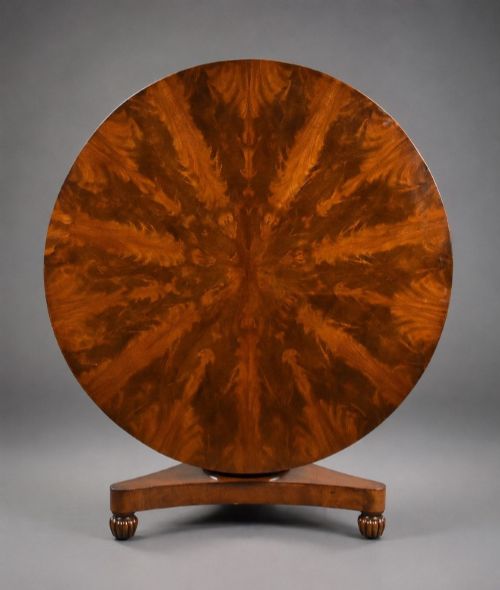

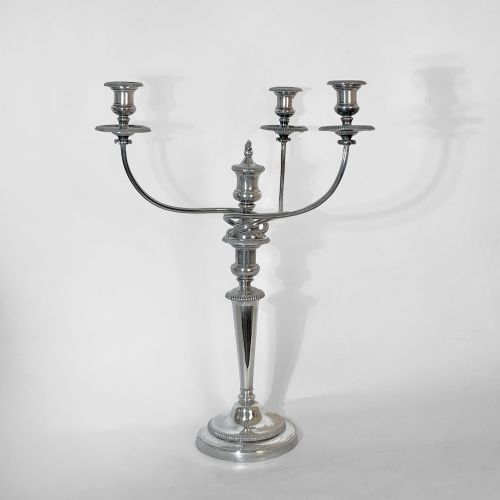
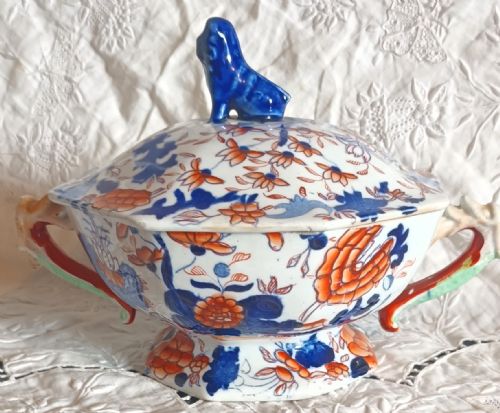
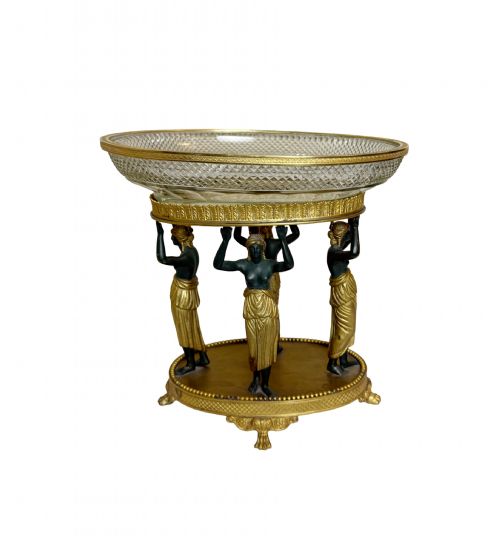


Regency Table Centrepiece
A regency table centrepiece commands the dining room, anchoring the table with polished silver plate, gleaming bronze, or cut crystal.
Regency Table Centrepiece
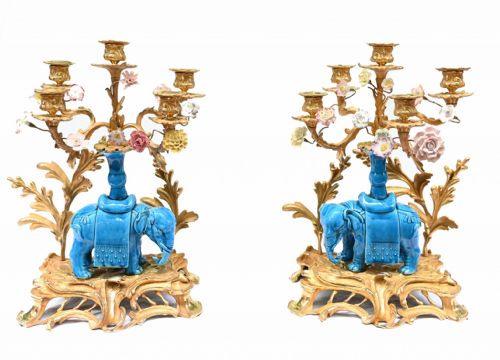
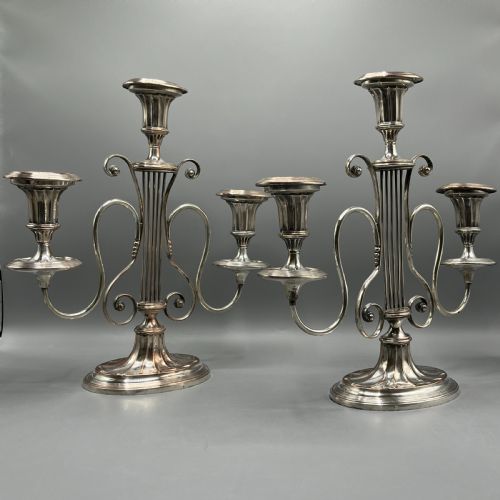
A regency table centrepiece serves as the primary focal point for formal dining arrangements, drawing together disparate serving vessels and decorative objects into a unified display. Buyers seek these pieces to bring period character and height to a dining table, utilising multi-tiered epergnes, candelabra, or large decorative bowls.
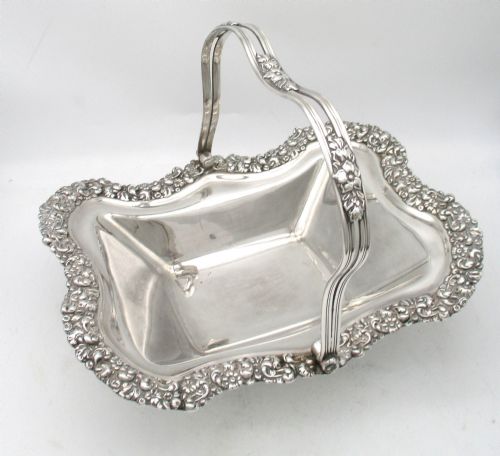
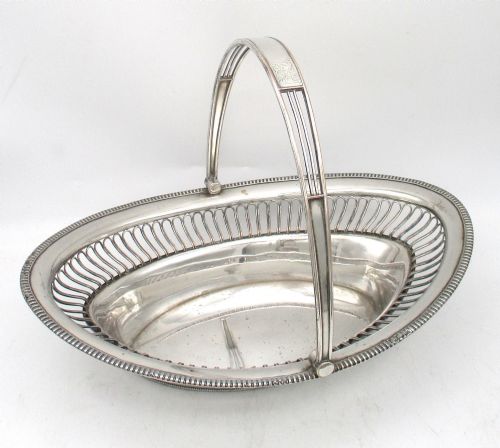
The selections on this page span the 18th century, the Georgian era, the Regency period proper, and the 19th century up to 1900. Forms range from wirework baskets and wine coolers to tazzas, cruet sets, and porcelain serving dishes created in Regency, French Empire, Victorian, and Chinoiserie styles.
Materials and construction methods
Old Sheffield plate and silver plate dominate the metalwork, alongside solid silver, copper, bronze, ormolu, and gilt bronze. Artisans fused thin sheets of silver to copper bases for Old Sheffield plate, often revealing copper edges beneath wirework or campana rims.
Cut glass, crystal, and ceramics complement the metal structures. Porcelain dishes and tureens from makers like Ridgway and Coalport utilise transfer printing, moulding, and gilt highlights to complete the table setting.
Listings feature items from the 18th century, Georgian era, Regency period, and 19th century up to 1900.
Distinguishing quality in centrepieces
Quality rests in the crispness of the casting on bronze and ormolu mounts, the precision of cut glass facets, and the integrity of the silver plating over copper. Superior pieces exhibit balanced proportions, secure joinery, and well-defined detailing across foliage, figural elements, or geometric wirework.
Maker attribution and material purity elevate certain items, such as documented Old Sheffield plate by known manufacturers or heavy cast silver components. Lesser examples show worn plating exposing the base metal or simplified moulding that lacks sharp definition.
Pierre Philippe Thomire·John Walton·Blagden Hodgson And Co·Ridgway·Coalport
The Regency Table Centrepiece Glossary
- Old Sheffield Plate
- A fused combination of a thin sheet of silver over a thicker copper core, developed in the 18th century. Items made this way often reveal a faint copper line along unplated edges.
- Ormolu
- Gilt bronze, where a finely ground gold-mercury amalgam is applied to cast bronze and heated. This technique imparts a rich golden finish to decorative mounts.
- Campana
- A vase shape resembling an inverted bell, frequently seen on wine coolers and urns from the Regency period. The flared rim and pedestal foot provide stability.
- Epergne
- A large table centrepiece featuring a central basket or bowl surrounded by multiple smaller hanging baskets or arms for sweetmeats and fruit. They dominate the centre of formal dining tables.
- Tazza
- A wide, shallow saucer or bowl raised on a stem and foot, used for serving fruit or sweet dishes. They add varying levels of height to a tablescape.
Regency Table Centrepiece: Frequently Asked Questions
What is a regency table centrepiece used for?
These pieces served as the decorative focal point of formal dining tables, holding fruit, sweetmeats, or candles during elaborate meals.
They allowed hosts to display wealth and taste through materials like silver, cut glass, and ormolu while structuring the tablescape.
How do I identify a Regency period piece?
Look for classical motifs such as campana urn shapes, wirework frames, French Empire influences, and the use of Old Sheffield plate or bronze.
Proportions tend to be architectural and balanced, reflecting the neoclassical design vocabulary of the early 19th century.
What is the difference between silver plate and Old Sheffield plate?
Old Sheffield plate involves fusing a sheet of silver to a copper ingot before rolling them into sheets, creating a durable sandwich of metals.
Later electroplating methods deposit a thin layer of silver directly onto a base metal using an electrical current, yielding a different surface character.
How should I care for antique metal centrepieces?
Dust gently with a soft cloth and avoid abrasive polishes that wear away thin silver plating or gilt surfaces.
Keep them away from direct moisture and humidity to prevent tarnish and corrosion on exposed copper or bronze.
Can I use these centrepieces for modern dining?
Yes, many collectors use wirework baskets, bowls, and candelabra for dining displays, floral arrangements, or sideboard decoration.
Care should be taken with vintage plating and crystal when cleaning after use.