


Regency Style Giltwood Mirror
A regency style giltwood mirror brings architectural polish and bright reflection to a room, drawing on classic 19th-century forms.
Regency Style Giltwood Mirror
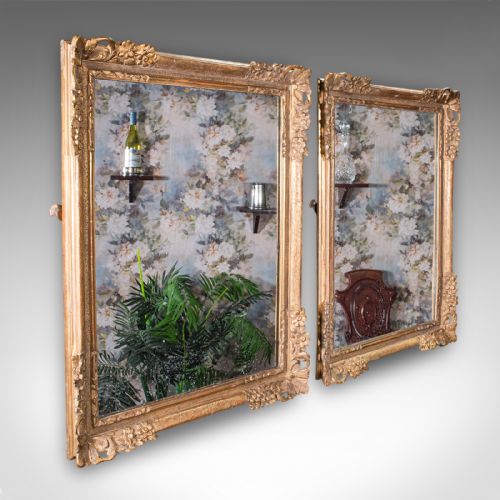
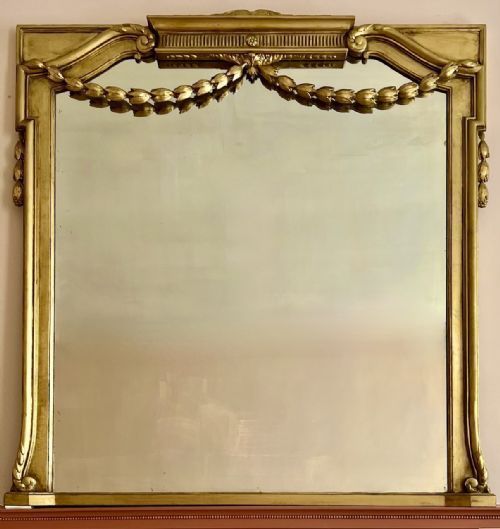
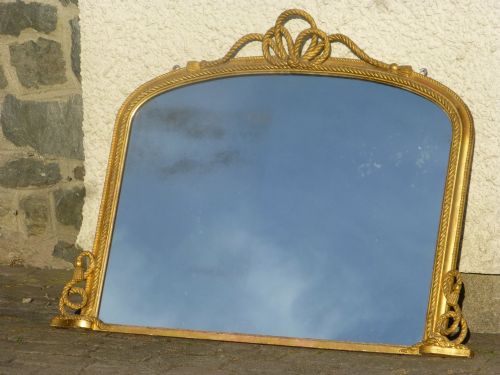
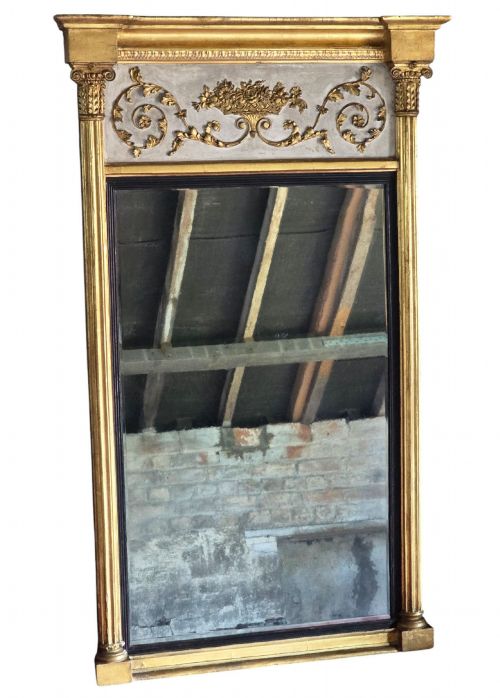
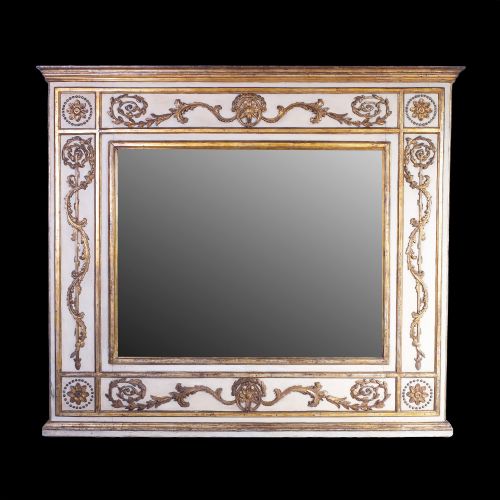
When you search for a regency style giltwood mirror, you encounter pieces designed to anchor a room, whether hung above a mantelpiece or mounted on a pier wall between windows. The selection spans authentic 19th-century items from the Regency period alongside later revivals from the Victorian and Edwardian eras.
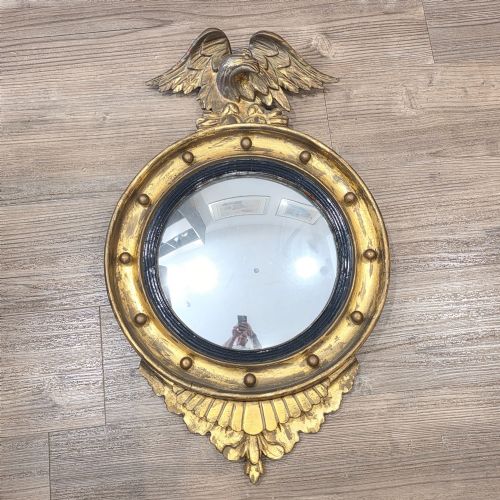
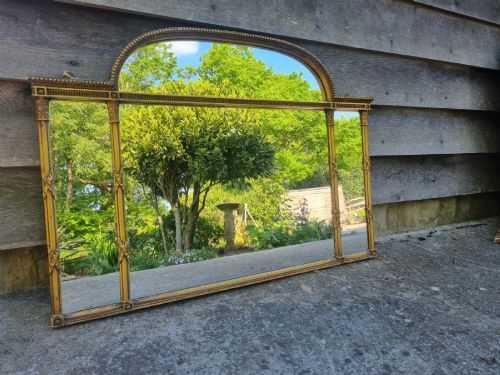
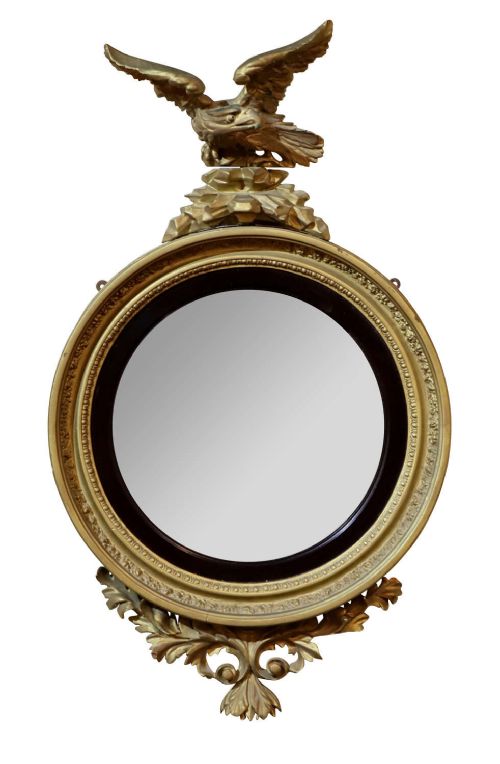
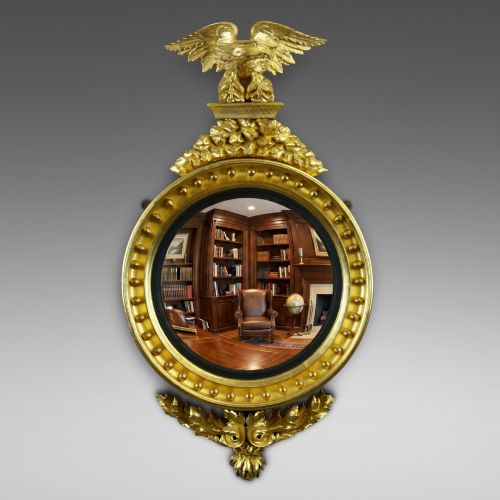
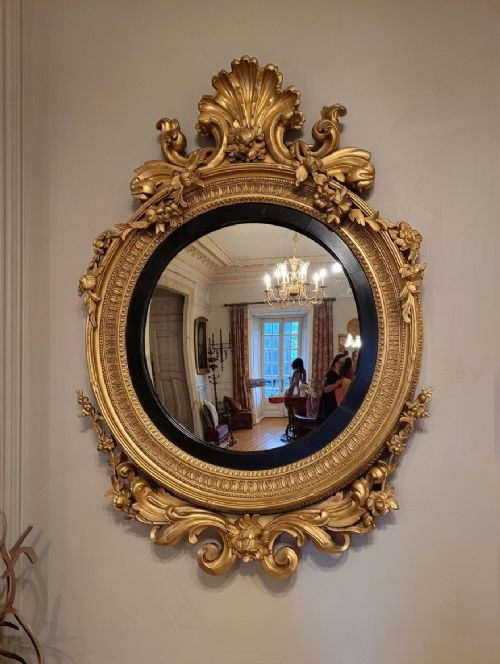
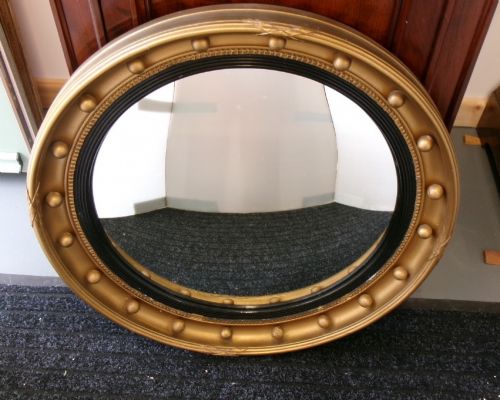
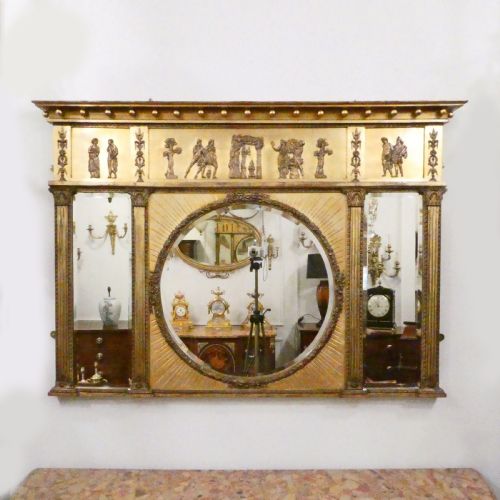
The dominant forms on this page include large rectangular overmantel mirrors with multiple plates and circular convex mirrors, often known as butler's or porthole mirrors. These circular variants frequently feature eagle surmounts or rope twist details, while architectural wall and pier mirrors display neoclassical motifs and gilded frames.
Materials and Techniques
Makers shaped these frames from carved wood, applying layers of gesso to build up crisp decorative details and mouldings before gilding. Gold leaf and paint provided the luminous surface finish characteristic of the style.
Mirrored glass, including convex plates and triple plate configurations, was set within these robust wooden and composition structures. Certain pieces incorporate eglomise panels or painted sections within trumeau frames.
Several convex mirrors feature vigilant carved eagles perched on top, keeping a watchful glass eye on the room below.
Distinctions in Execution
The depth and crispness of the carved wood and gesso ornamentation separate standard examples from finer works. Superior pieces display sharply defined motifs, such as avian surmounts and neoclassical decorations, executed with notable precision.
The integrity of the gilding and the clarity of the original mirror glass also influence the overall standard of an object. Heavier architectural overmantels rely on robust joinery and substantial frames to support multiple glass plates securely.
The Regency Style Giltwood Mirror Glossary
- Giltwood
- Wood covered with a thin layer of gold leaf. This finish gives the frame its characteristic metallic gleam.
- Gesso
- A plaster-like mixture applied to wood frames and carved into detailed ornaments. It provides a smooth base for subsequent gilding.
- Convex mirror
- A round mirror with a curved surface that reflects a wide, distorted field of view. These are frequently surmounted by carved eagles.
- Overmantel mirror
- A large horizontal mirror designed to hang directly above a fireplace mantel. They often feature multiple glass plates.
- Pier mirror
- A tall, narrow mirror made to hang on the wall space between two windows. They reflect additional light into darker interiors.
- Eglomise
- A process of applying gold or silver leaf to glass and etching a design into it. It appears on decorative panels within trumeau frames.
Regency Style Giltwood Mirror: Frequently Asked Questions
Where should I hang a convex mirror?
Convex mirrors work well in hallways, living rooms, and dining spaces where their wide-angle reflection can open up the room.
Because they capture a panoramic view of the interior, positioning them opposite a window maximises the dispersion of natural light.
How do I identify a true Regency period piece?
Identifying an authentic Regency piece involves examining the construction methods, wood types, and wear patterns on the gesso and gilt surface.
Pieces produced during the original Regency era often display period-specific joinery and genuine age-related patina on the glass and frame.
What is the difference between an overmantel and a pier mirror?
Overmantel mirrors are wide horizontal fixtures built to sit above fireplace openings, frequently incorporating multiple glass plates to span the width of the hearth.
Pier mirrors are tall and narrow, specifically proportioned for the narrow wall sections situated between architectural openings or windows.
How do I care for antique gilded frames?
Care for gilded frames requires gentle dusting with a dry, soft cloth to prevent accumulation without disturbing the delicate gold leaf.
Avoid using liquid cleaners, polishes, or abrasive materials, as moisture and chemicals can damage the gesso and lift the fragile metallic surface.