



Regency Style Clock
These pieces are a regency style clock, built to mark time with the brass, ormolu, and mahogany of the nineteenth century.
Regency Style Clock
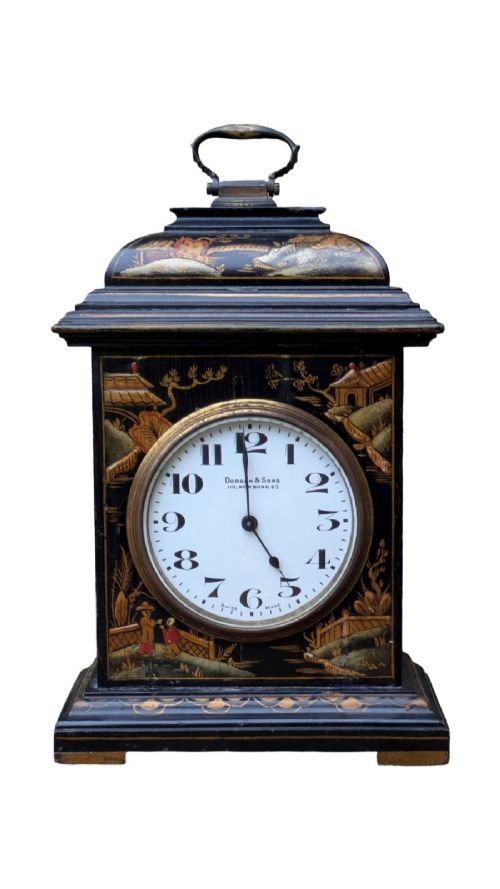
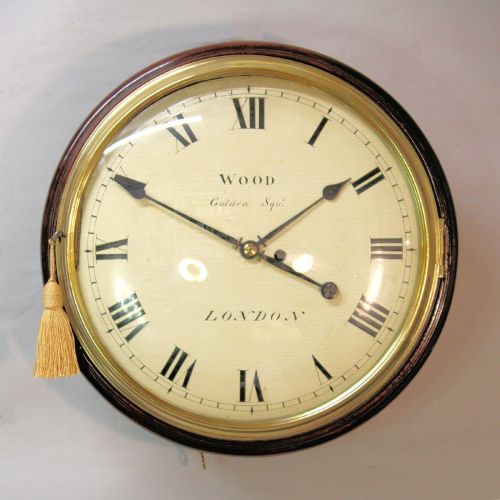
A buyer seeking a regency style clock encounters mantel clocks, bracket clocks, and wall-mounted dials produced across the nineteenth century and later revivals. The most common form on this page is the mantel clock, often driven by a single or double fusee movement.
Makers housed these movements in mahogany, pollard oak, or marble cases, enriched with gilt bronze and patinated bronze figures. Surviving pieces span strict Regency origins, Georgian influences, and later Victorian interpretations.
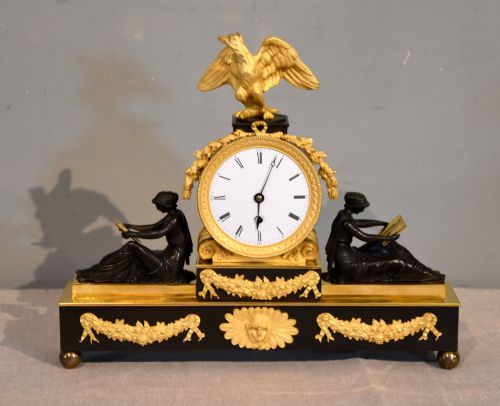
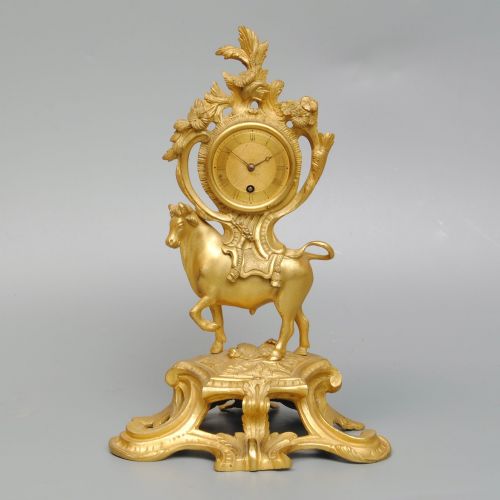
The aesthetic reaches from architectural bracket clocks to figural mantel designs featuring goats, palm trees, and cherubs. While some pieces originate in London workshops, others draw on French Empire and Rococo styles.
Materials and construction
Craftsmen built cases from solid mahogany and pollard oak, frequently incorporating brass inlay, glass panels, and wooden convex dials. Movements relied on brass gear trains driven by weight or chain fusee mechanisms.
Decoration depended heavily on ormolu and gilt bronze casting, paired with patinated bronze figures and silvered or enamelled dials. Marble bases and pedestals provided weight and structural contrast to the metalwork.
Regency Style Clock Retail Price Guide 2026
Typical asking prices for regency style clock among the pieces listed under this phrase on Sellingantiques today, from the lower quarter to the upper quarter. They describe what is for sale here now, not the wider market.
Goats and palm trees occasionally share dial-side space with cherubs on Regency figural mantel clocks.
Distinctions in craftsmanship
Quality separates ordinary production from exceptional work through the crispness of the gilt bronze chasing and the precision of the fusee movement. Finer examples display signed dials from notable London makers and balanced proportions in figural castings.
Materials dictate value, with pollard oak cases and intricate marble clock sets standing apart from simpler mahogany or wall-mounted versions. The integration of specialised movements, such as rolling ball mechanisms or double fusee trains, elevates a piece.
Baetens London·Viner·John Barwise of London·Paul Philip Barraud·Pennington of Camberwell·McCabe·James Murray London·Henry Berkeley Square London·FB Adams London·Bently & Beck London·Thwaites & Reed·Saunders of London
The Regency Style Clock Glossary
- Fusee
- A conical pulley used on the mainspring of a clock to equalize the torque as the spring unwinds. This mechanism ensures more consistent timekeeping throughout the power reserve.
- Ormolu
- Gilded bronze produced by applying a mercury and gold amalgam to cast bronze before heating. The process creates a rich, durable metallic finish characteristic of high-end Regency metalwork.
- Bracket clock
- A portable clock designed to sit on a bracket or furniture piece, featuring a sturdy handle or architectural case. They often house complex fusee movements.
- Dial
- The face of the clock where time is indicated, found in materials such as silvered brass, enamel, and wood. They often bear the signature of the maker.
- Patinated bronze
- Bronze treated with chemical solutions to produce a darkened or antiqued surface colour. It contrasts sharply with bright gilt bronze mounts.
Regency Style Clock: Frequently Asked Questions
Where did these clocks go in a room?
These clocks typically stood on mantelpieces, brackets attached to walls, or dedicated tabletops in principal rooms. Their striking cases ensured they functioned as both timekeepers and sculptural ornaments.
Larger bracket clocks and regulators often occupied hallways or libraries where their mechanical presence could be heard and admired.
How do fusee movements work?
A fusee movement uses a conical pulley connected to the mainspring via a chain or gut line. As the spring loses tension, the chain moves to a wider part of the cone to maintain steady pull.
This clever engineering compensates for the weakening spring, helping the clock maintain accurate time between windings.
Are these clocks suitable for daily use?
Many of these pieces remain mechanical and functional, requiring routine winding of their chain fusee movements. Regular maintenance by a clockmaker helps keep the brass gears and springs operating smoothly.
Placing them away from direct sunlight and drafts protects delicate wood cases, enamel dials, and fire-gilt surfaces from environmental wear.
How are Regency pieces told apart from later revivals?
Original Regency pieces share construction techniques, materials, and signatures tied directly to early nineteenth-century London workshops. Later revivals, such as those from the Victorian era or mid-twentieth century, often blend these historical styles with different manufacturing marks.
Examining the movement, case timber, and dial signature helps clarify the true age of the clock.