
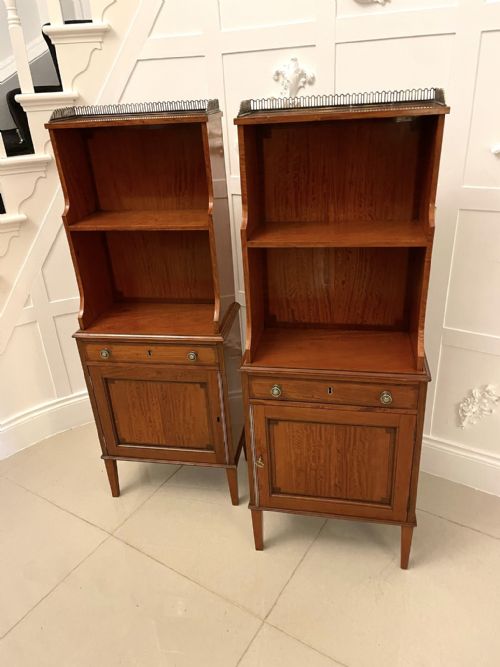
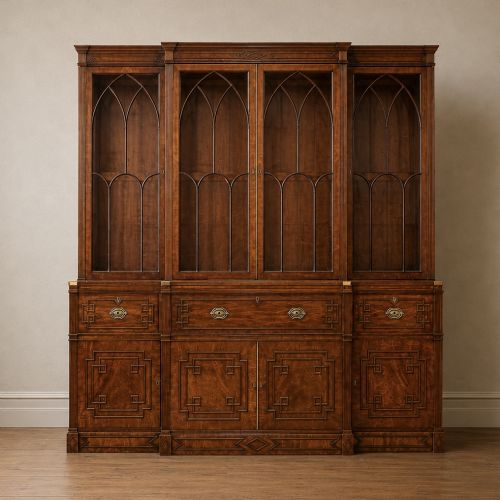

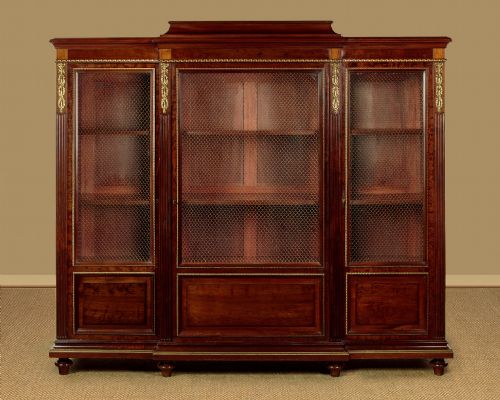
Regency Style Bookcase
A regency style bookcase brings architectural harmony and rich timbers to a room, offering functional display space through tiered shelving and glazed or open compartments.
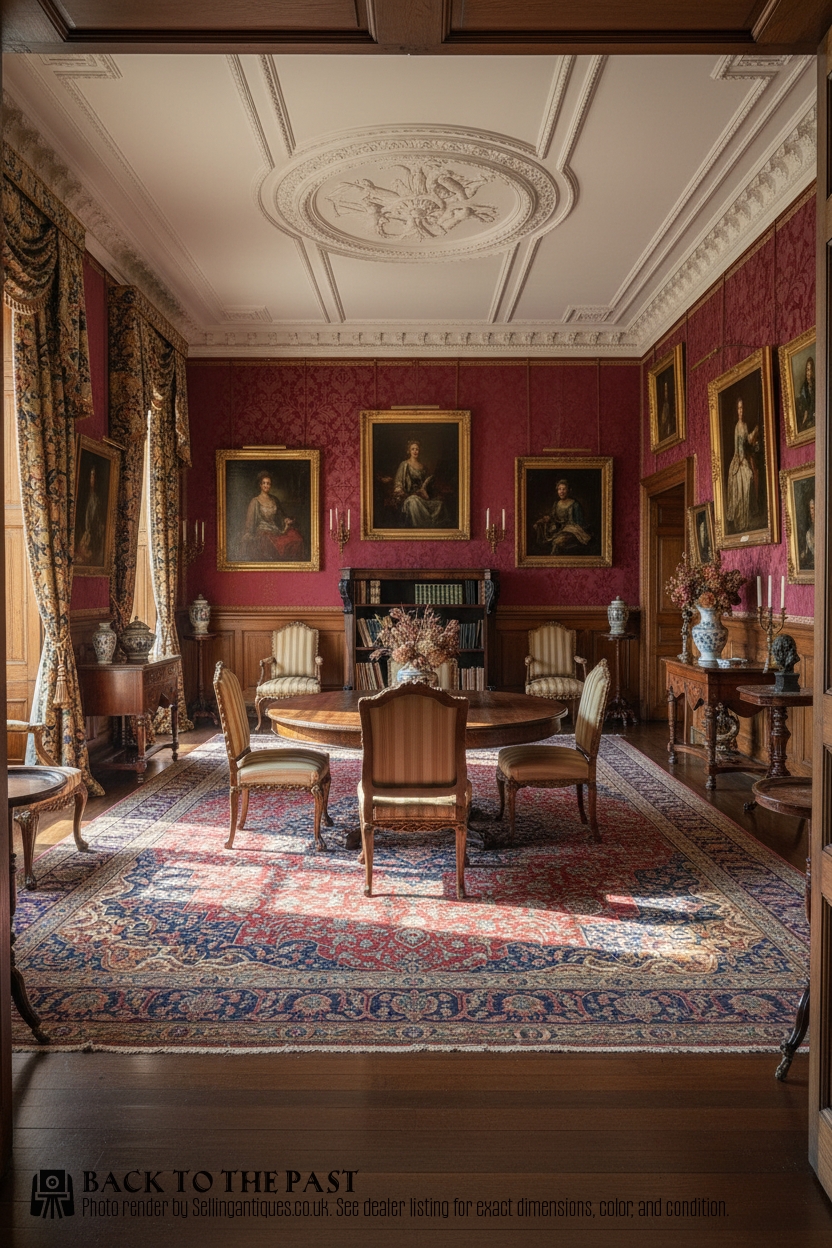
Regency Style Bookcase
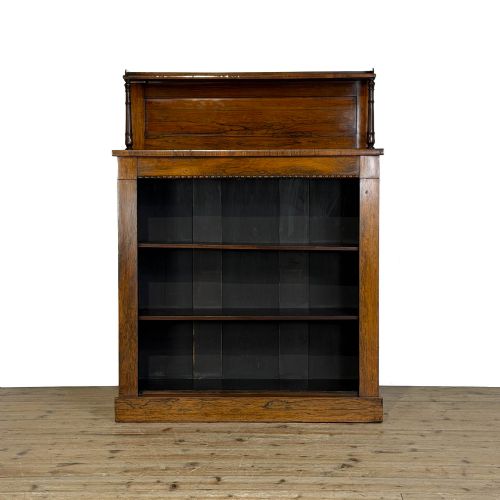
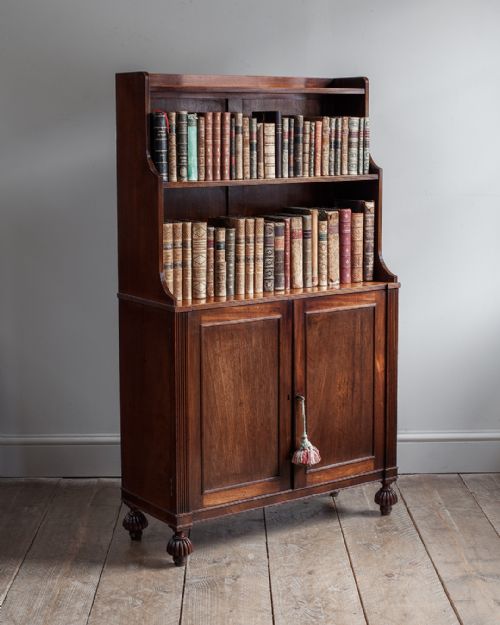
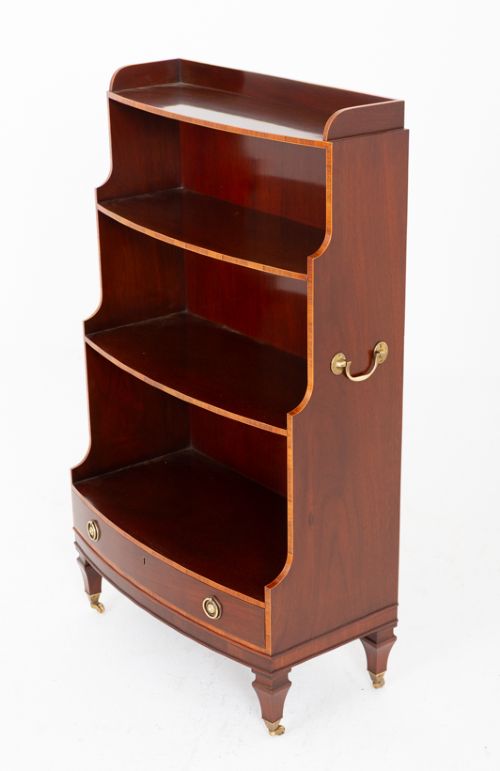
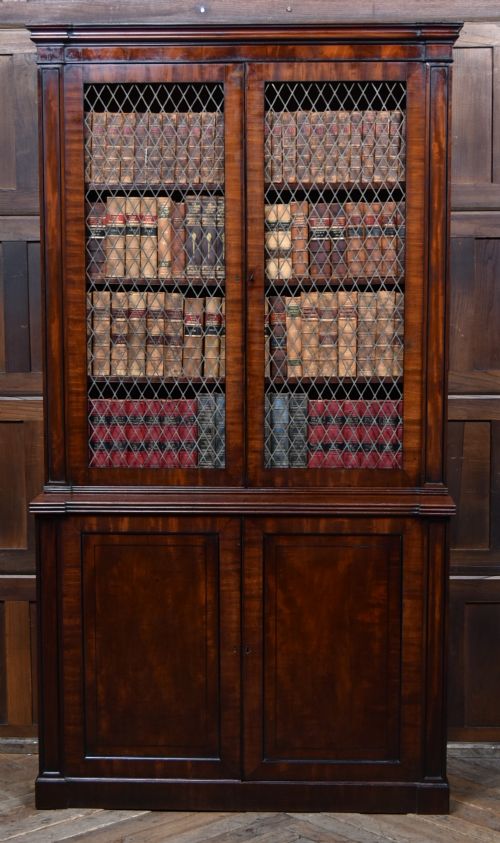
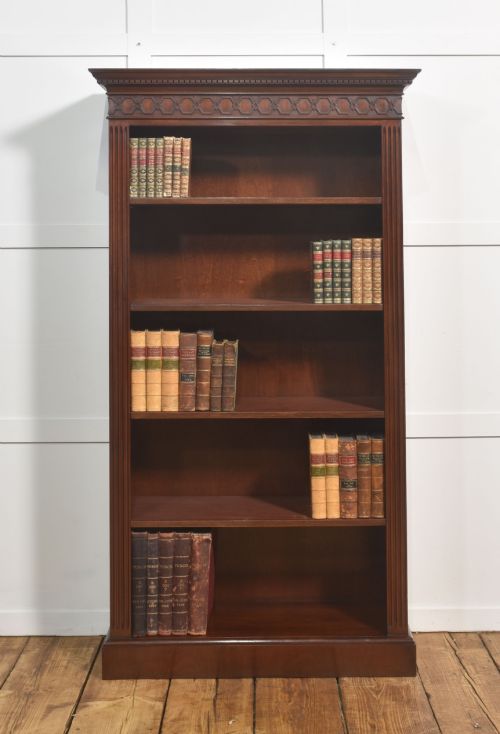
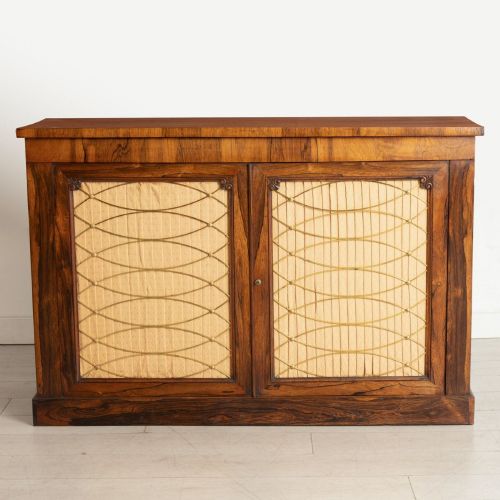
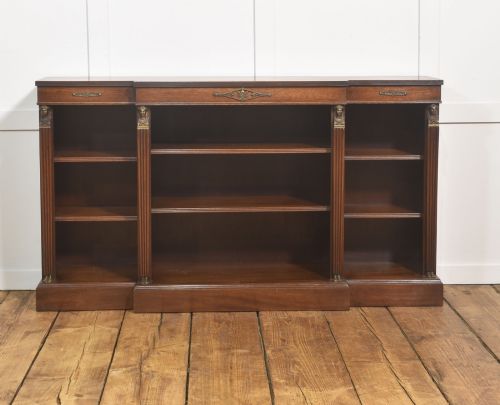
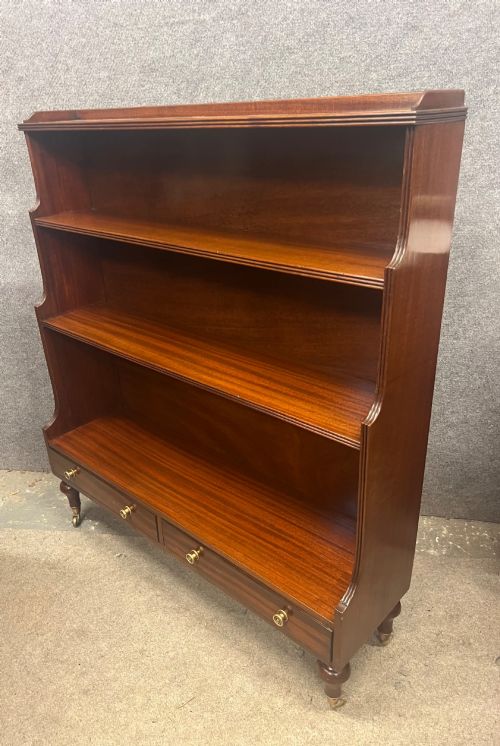
When searching for a regency style bookcase, buyers encounter pieces spanning formal library furniture with breakfront profiles down to slender, tiered waterfall shelves. The selection encompasses authentic period items alongside later revivals from the twentieth century.
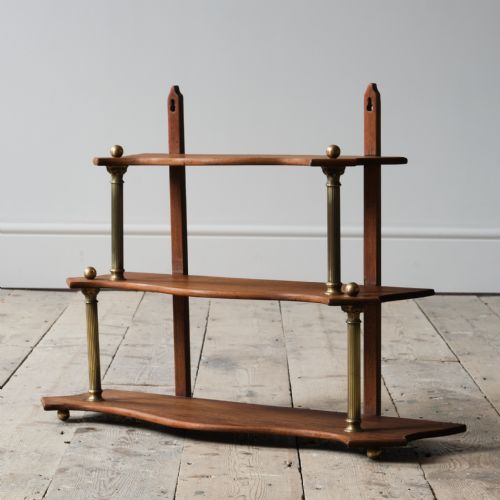
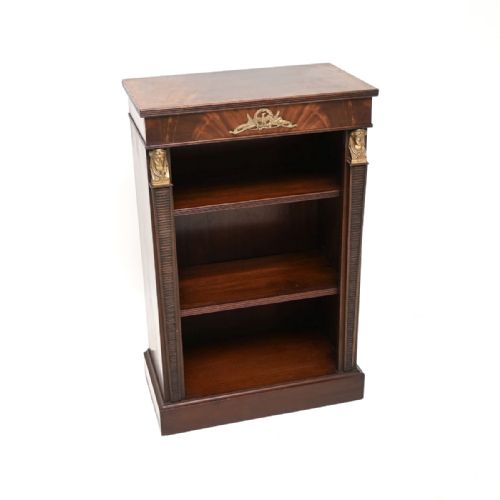
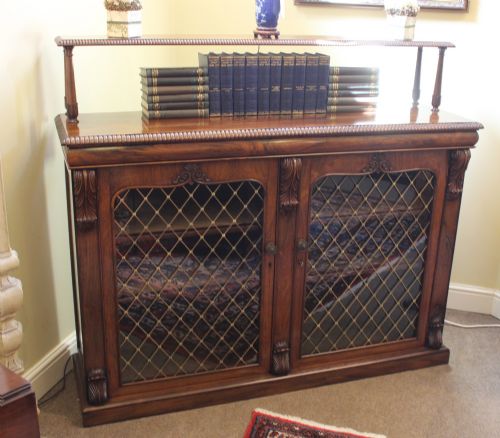
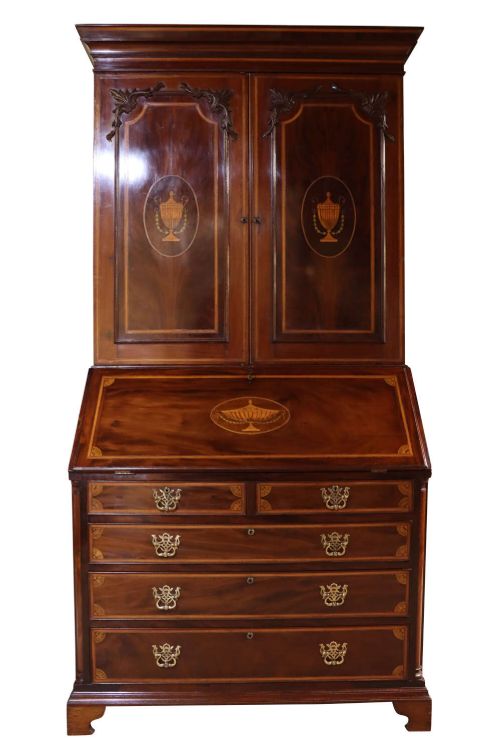
Forms range from grand breakfront library cabinets to compact open shelving units, wall hanging shelves, and bureau bookcases. Materials such as mahogany and rosewood dominate, frequently accented with brass mountings and inlay.
Original pieces sit alongside revival items produced across the Victorian era and into the 1920s and 1930s. These variations offer buyers a choice between genuine antiquity and later interpretations of classical design.
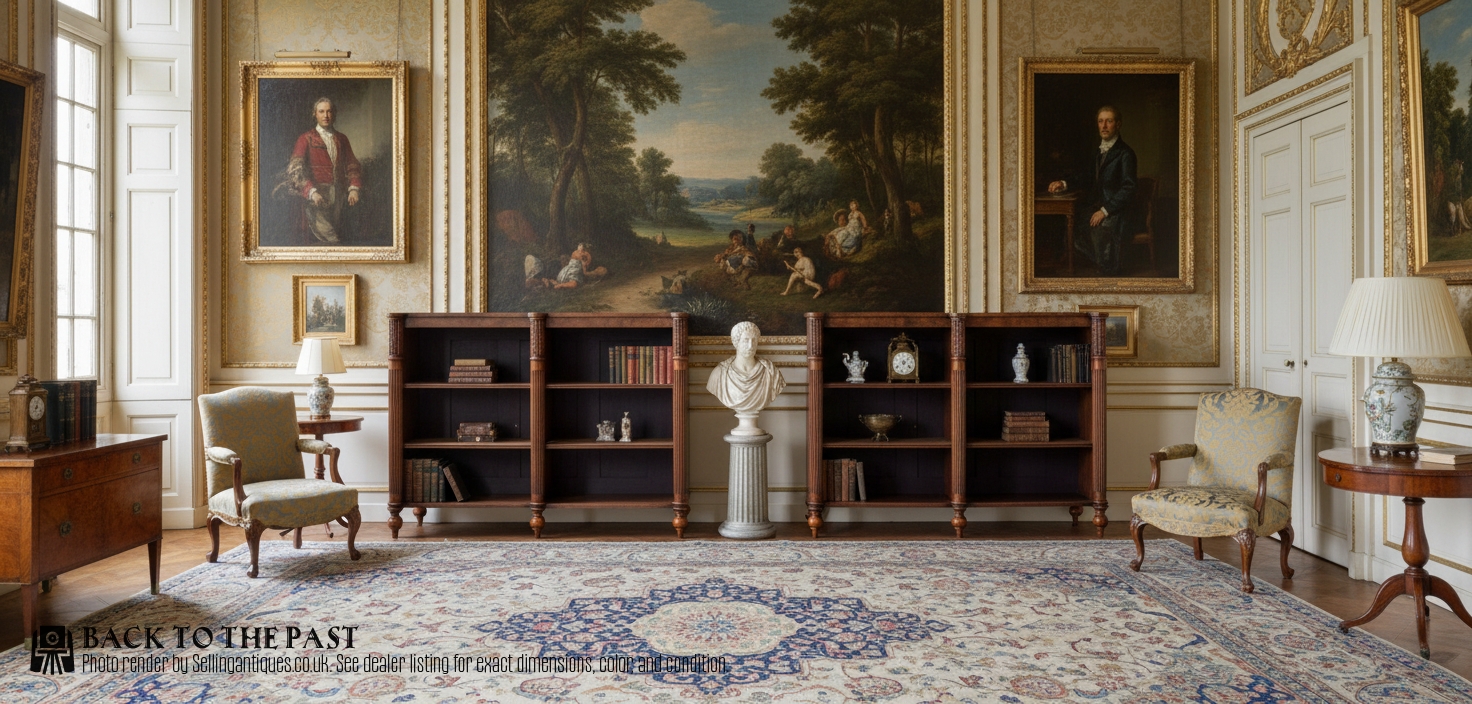
How they were made
Cabinetmakers utilised dense hardwoods, predominantly mahogany and rosewood, selected for grain figure and structural stability. These timbers formed the solid carcasses and veneered surfaces of the cabinets.
Brass detailing, including inlay, grilles, and mounts, added linear contrast and structural reinforcement. Ormolu and glass components further enriched the display capabilities of the larger breakfront and library examples.
Regency Style Bookcase Retail Price Guide 2026
Typical asking prices for regency style bookcase among the pieces listed under this phrase on Sellingantiques today, from the lower quarter to the upper quarter. They describe what is for sale here now, not the wider market.
Revolving pedestal bookcases let readers spin an entire library round with a single touch.
What varies in quality
Quality rests in the selection of timber veneers and the crispness of classical detailing, such as reeded mouldings and brass inlay. Superior examples demonstrate precise joinery and balanced proportions across breakfront and waterfall configurations.
The integration of secondary materials like marble tops, Wedgwood plaques, and fine brass mounts distinguishes workshop output. Finer pieces maintain originality in their glass panes, hardware, and adjustable shelving mechanisms.
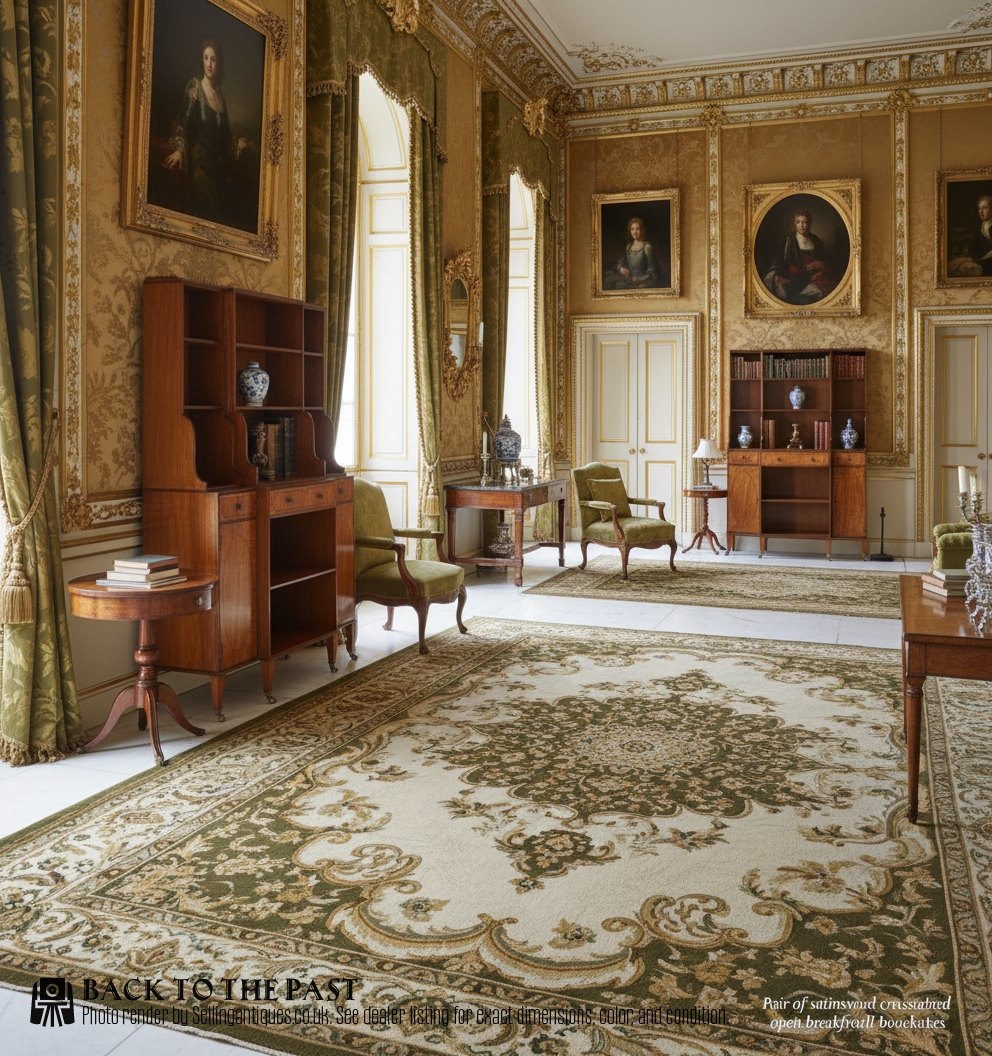
Gillows
The Regency Style Bookcase Glossary
- Waterfall bookcase
- A set of open shelves diminishing in depth from bottom to top, often arranged in stepped tiers. This form appeared frequently in mahogany and rosewood across both original and revival periods.
- Breakfront
- A cabinet design where the central section projects forward from the flanking wings. This architectural arrangement creates depth and accommodates larger storage capacities in library rooms.
- Chiffonier
- A low sideboard or cabinet equipped with shelves or enclosed storage. These pieces often feature glass doors or mirrored backs.
- Bureau bookcase
- A combination unit incorporating a sloping desk flap above shelving or cabinet storage. They provide compact writing surfaces alongside upper display space.
- Ormolu
- Gilded bronze ornamentation applied to furniture mounts and details. It provides bright metallic contrast against dark mahogany and rosewood surfaces.
Regency Style Bookcase: Frequently Asked Questions
What defines a regency style bookcase?
These pieces draw on classical architectural motifs, featuring clean vertical lines, symmetrical proportions, and classical revival details. They utilise rich tropical hardwoods like mahogany and rosewood.
Craftsmen incorporated brass inlay, reeded columns, and graduated shelf tiers to create balanced furniture suited to formal libraries and drawing rooms.
Where were these bookcases placed?
Libraries, grand parlours, and drawing rooms housed these large breakfront and open bookcases. Smaller waterfall and wall-hanging versions suited intimate reception spaces and studies.
Their varied footprints allowed them to stand freely against walls or fit into alcoves alongside seating groups.
How do I care for mahogany and rosewood?
Timbers require stable room environments away from direct sunlight and sudden temperature shifts to prevent veneer lifting. Regular dusting with a soft, dry cloth preserves the polished finish.
Application of traditional wax polish maintains the moisture and lustre of antique hardwood surfaces without building up heavy residues.
How can I tell periods apart?
Period pieces from the early nineteenth century exhibit hand-cut joinery and period-specific brass hardware. Revival pieces from the Edwardian era and 1930s often show machine tooling and standardised interior fittings.
Timber choice and construction methods provide clear indicators of whether a piece originates from the Regency era or a later revival phase.