
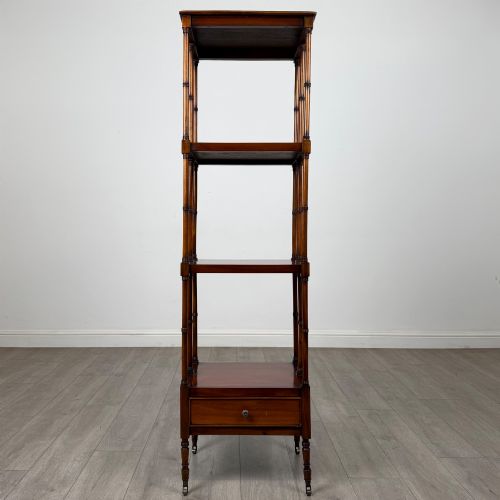
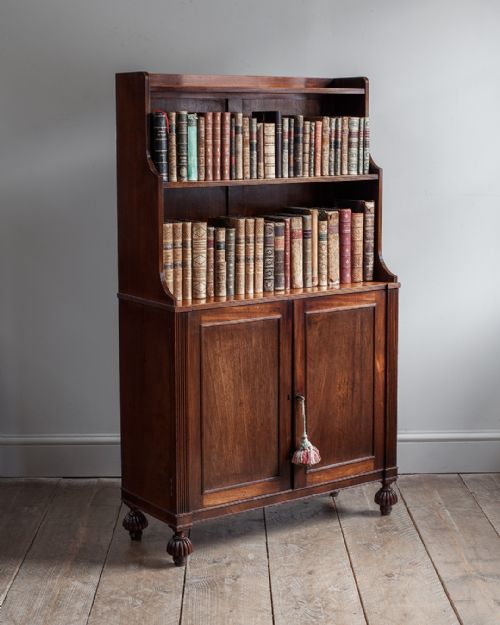
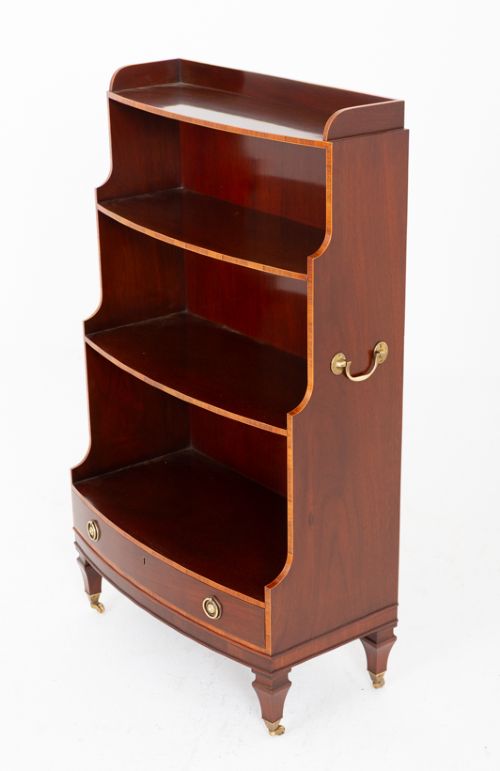
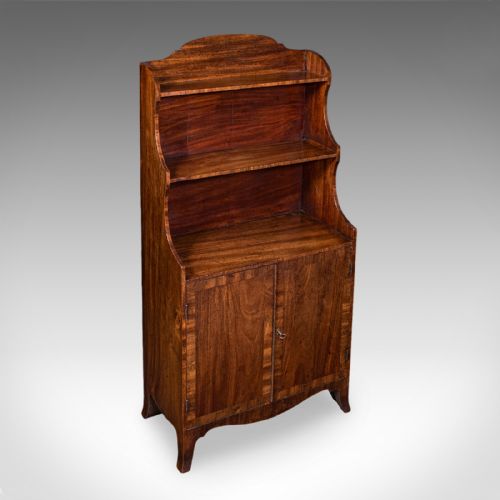
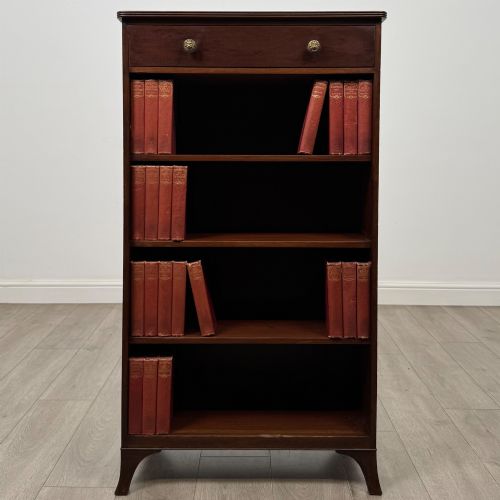
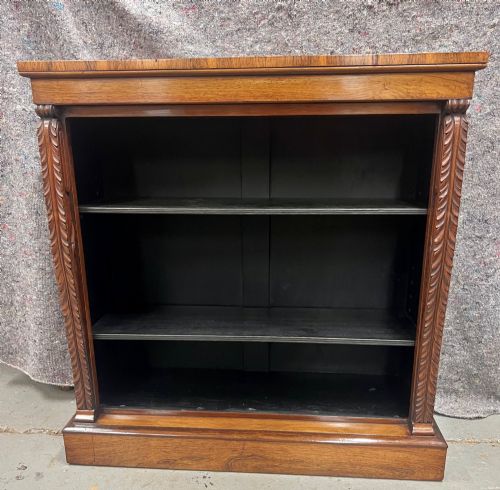


Regency Standing Bookcase
These pieces for regency standing bookcase searches combine generous shelving with architectural presence, offering a practical centrepiece for any room.
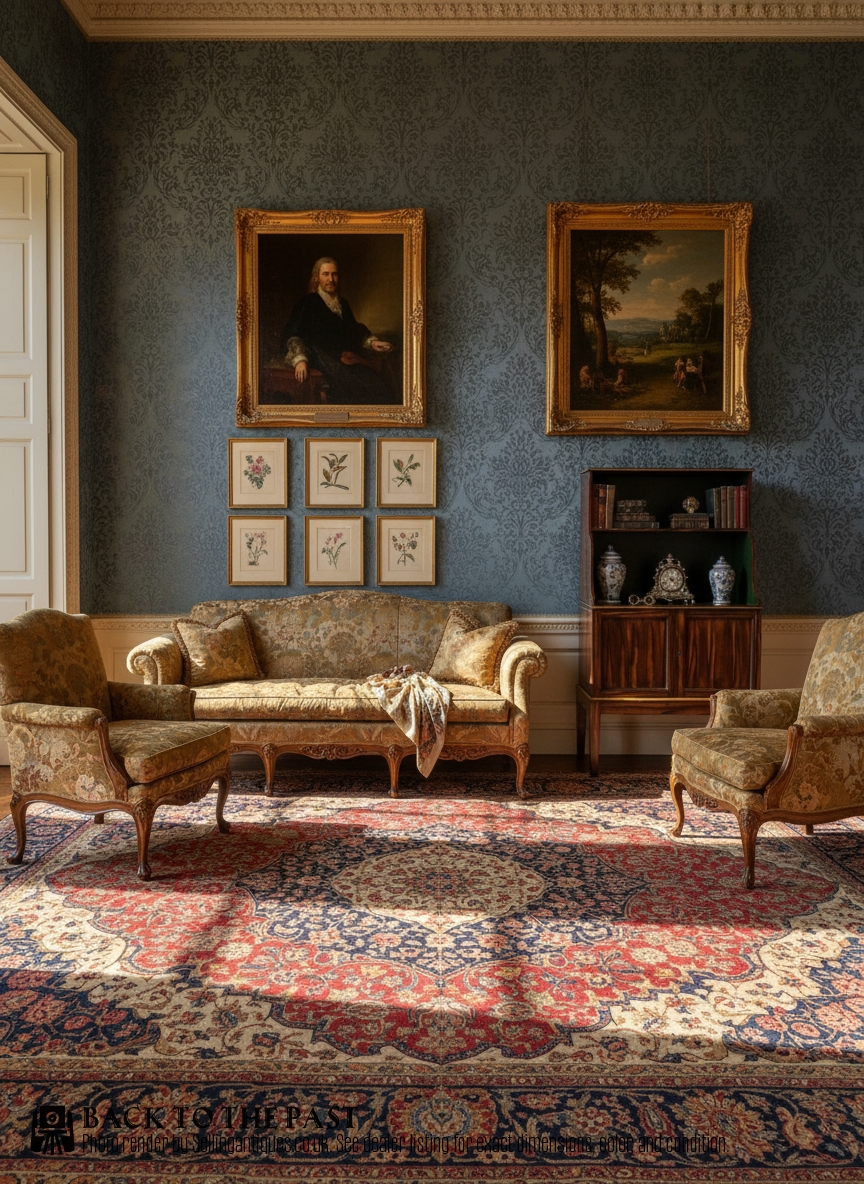
Regency Standing Bookcase
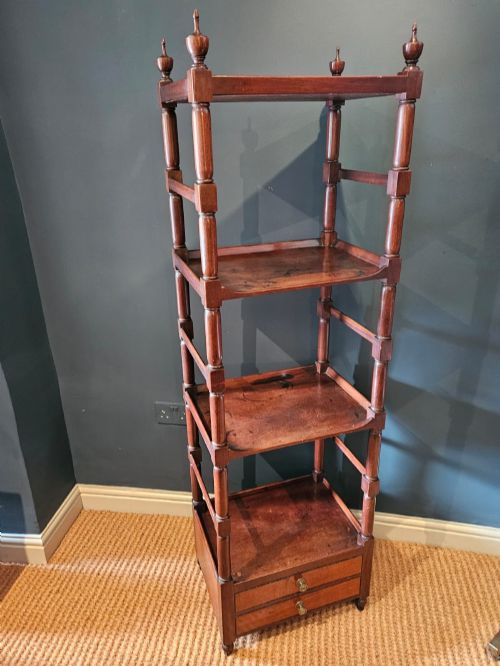
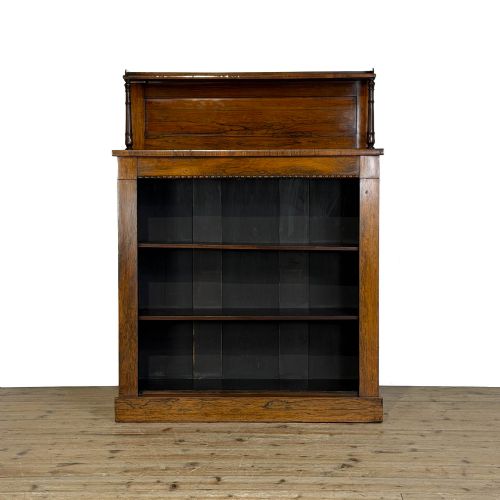
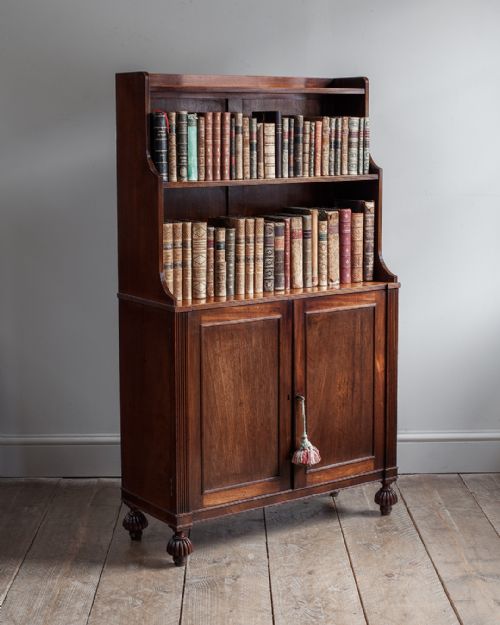
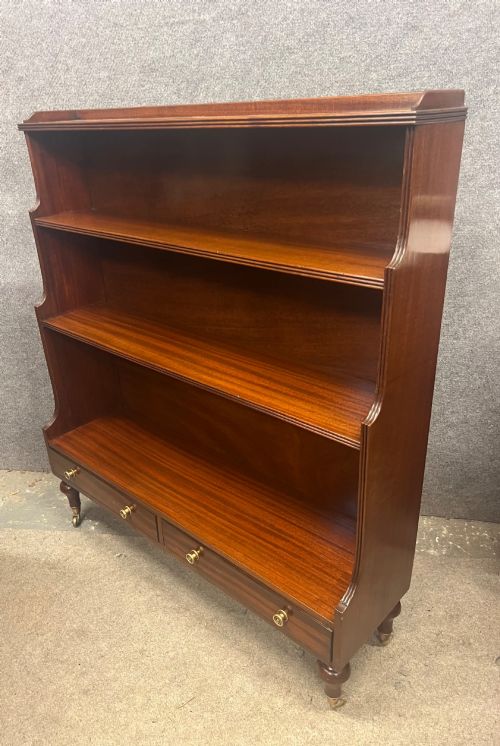
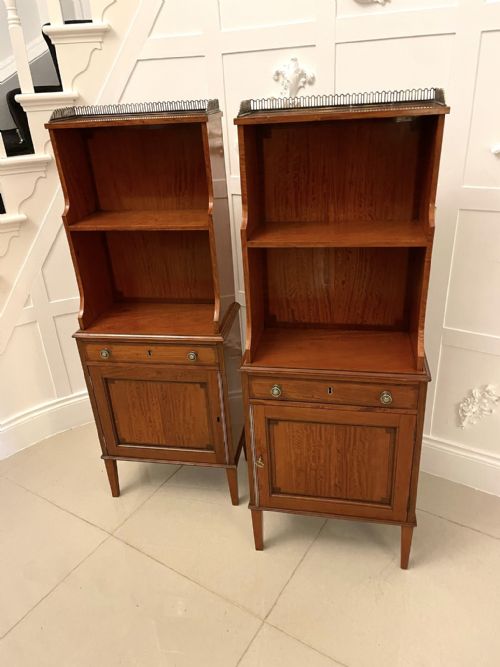
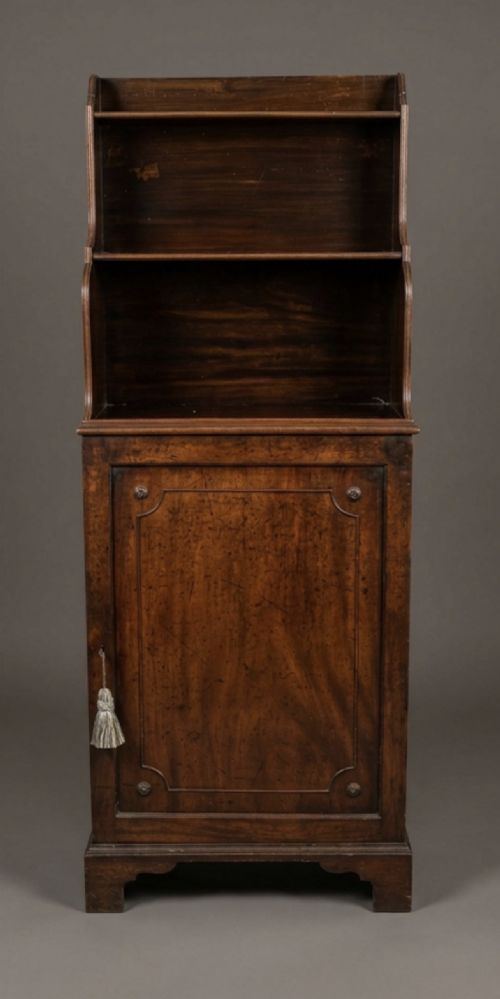
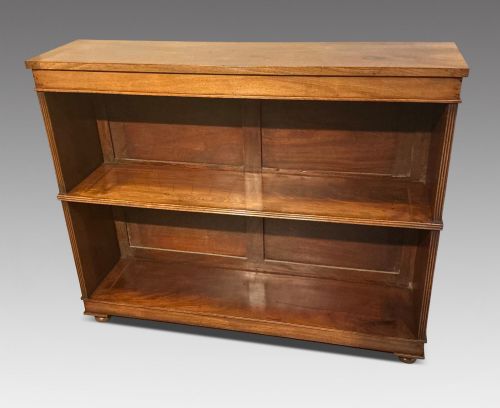
A regency standing bookcase typically appears as an open or glazed shelving unit designed to stand independently against a wall, frequently incorporating lower cupboards or drawers. The forms span open front designs, cascading tier layouts known as waterfall bookcases, and multi-tier whatnots.
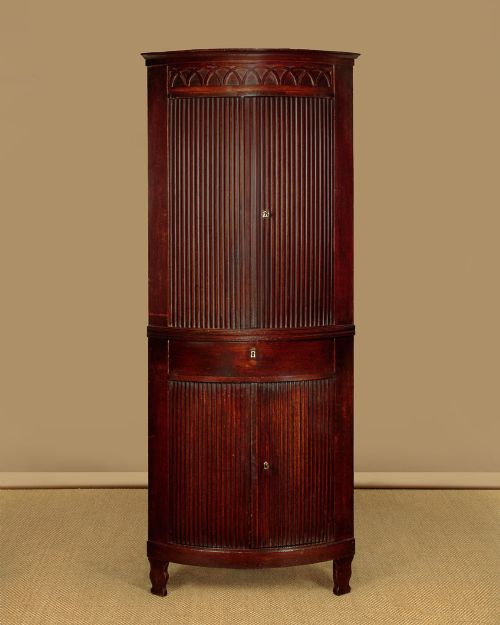
Most examples originate from the nineteenth century, built during the Georgian, Regency, and William IV periods, alongside later revival pieces from the Edwardian era and the 1920s. Buyers frequently encounter mahogany and rosewood constructions shaped into dwarf proportions, tall display cabinets, and corner cupboards.
Materials and construction methods
Cabinetmakers utilised dense timbers such as mahogany and rosewood, occasionally selecting satinwood, oak, or pine for internal carcases and secondary elements. Surfaces often display rich grain patterns enhanced by French polishing or simple wax finishes.
Metal components introduce functional and decorative contrast, with brass inlays, grilles, or ormolu mounts appearing on select pieces. Glass doors utilise astragal glazing bars to divide panes geometrically, while tiered open shelves rely on sturdy vertical supports and dowel joinery.
Listings feature mahogany and rosewood as the predominant timbers, alongside brass, glass, and oak across nineteenth-century and twentieth-century periods.
Assessing build quality and material selection
The division between standard and superior pieces rests on the choice of timber and the precision of the cabinetwork. Fine examples employ heavily figured veneers and solid secondary woods, whilst simpler iterations utilise plain boards and minimal detailing.
Proportion and decorative restraint dictate the visual success of each unit. Higher quality items integrate subtle brass mounts, fine astragal glazing, and balanced tiered structures without excessive ornamentation.
Gillows
The Regency Standing Bookcase Glossary
- Waterfall bookcase
- A tiered open shelving unit where each successive shelf steps back from the one below it. This form gained popularity during the Regency period for displaying books and decorative objects.
- Whatnot
- A piece of freestanding furniture consisting of multiple open shelves supported by slender columns or pillars. They were utilised in nineteenth-century interiors for holding books, ornaments, and collectibles.
- Astragal glazing
- Wooden or metal bars that divide a glass door into smaller panes. They form geometric patterns characteristic of superior cabinetry from the Georgian and Regency eras.
- Secretaire bookcase
- A tall cabinet featuring a pull-down writing drawer concealed beneath upper shelving or cupboard doors. This dual-purpose form provides a compact desk surface alongside traditional book storage.
- Ormolu
- Gilded bronze ornamentation applied to furniture surfaces. Workshops used these cast mounts to accent the corners and friezes of high-status Regency cabinets.
Regency Standing Bookcase: Frequently Asked Questions
What is a regency standing bookcase?
A regency standing bookcase is a freestanding piece of furniture designed to hold books upright without needing wall attachment. These units range from open fronted shelving to glazed cabinets with lower cupboards.
Cabinetmakers built them using dense hardwoods like mahogany and rosewood, often incorporating adjustable shelves and decorative brass elements. They serve as both practical storage and architectural focal points in a room.
Are these bookcases freestanding?
These pieces are designed to stand independently against a wall without structural support from the room itself. Many feature finished backs to allow placement away from walls entirely.
Their heavy timber construction provides the necessary stability to hold large collections of books safely under their own weight.
How do I date a nineteenth century bookcase?
Dating relies on examining timber selection, construction techniques, and stylistic motifs. Regency and Georgian pieces often display hand-cut dovetails, straight-grained mahogany, and restrained classical proportions.
Later Victorian and Edwardian revival items may show machine-sawn elements, rosewood veneers with different polish textures, or alternative secondary woods like pine.