





Regency Rosewood Magazine Rack
A regency rosewood magazine rack brings refined timber and structured compartment storage to a room, offering both history and utility.
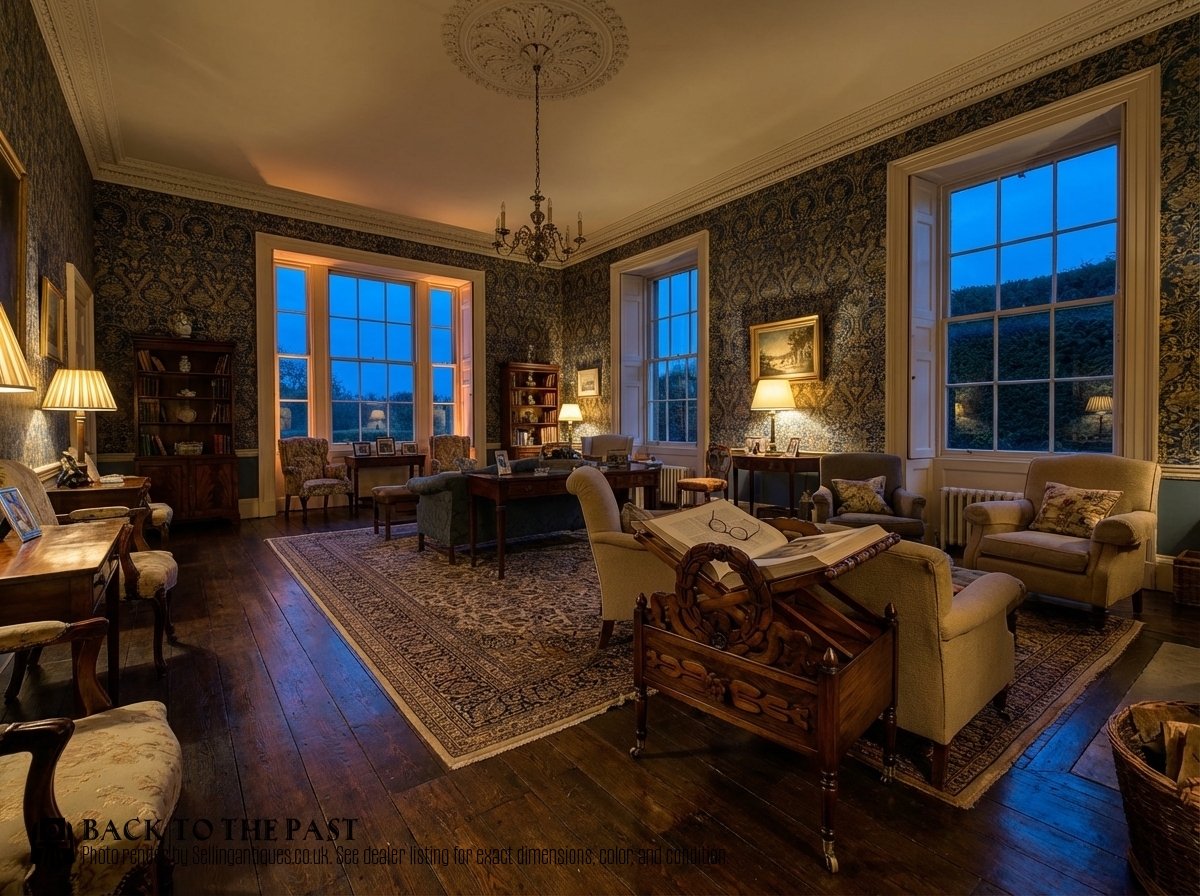
Regency Rosewood Magazine Rack
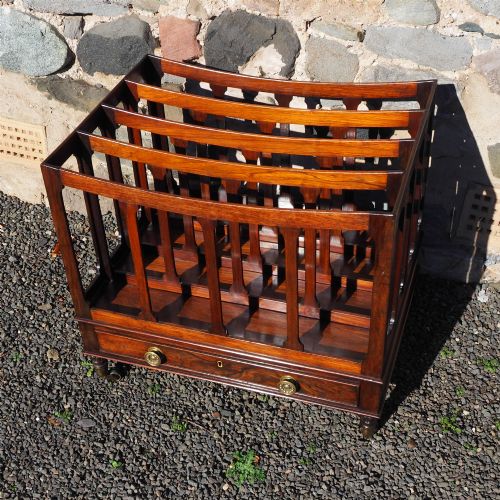
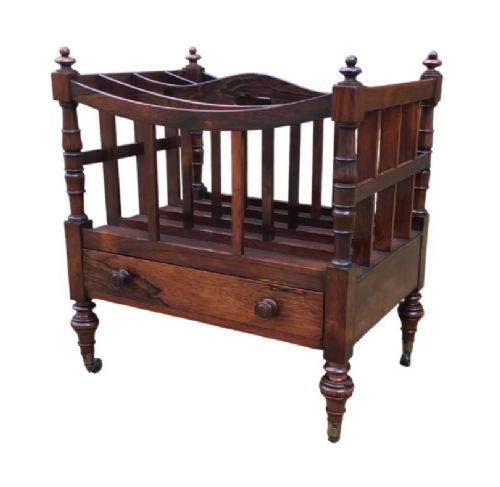
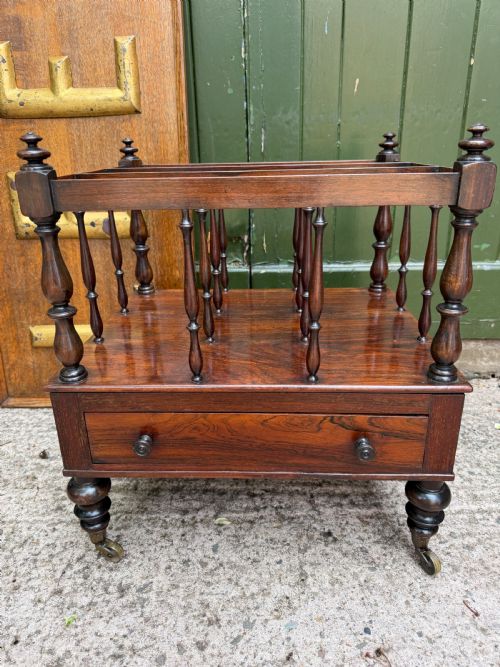
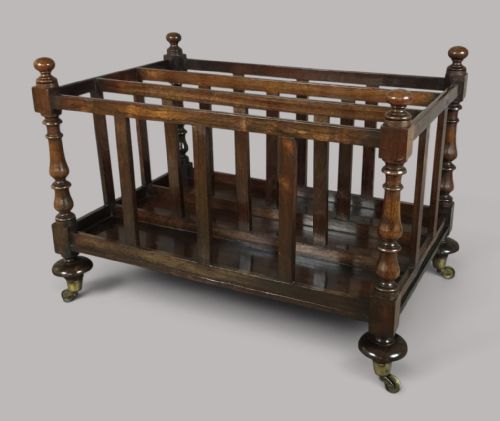
When you search for a regency rosewood magazine rack, you encounter sophisticated compartment stands primarily referred to as canterburys in historical records. These pieces date from the Regency, George IV, William IV, and broader nineteenth-century periods, capturing an era of elegant interior organisation.
The objects on this page appear in various forms, including boat-shaped vessels, three-division and four-division layouts, and larger country house proportions designed for folio stands, newspapers, sheet music, and paper tidies. Most examples rely on the rich, dark tones of rosewood, occasionally paired with mahogany.
Makers and designers of the period, such as J.C. Loudon and Gillows, influenced these functional furnishings. You will frequently find pieces featuring distinct carved details like Prince of Wales feathers and central carrying handles for moving the stand easily between rooms.
Factors influencing quality and craftsmanship
The depth of figure in the rosewood grain and the crispness of any carved elements determine the visual distinction of a piece. Superior examples display balanced proportions and harmonious integration of compartments.
The structural integrity of the vertical divisions and the original quality of the turning on the carrying handles separate standard items from finer workshop output. Robust joinery ensures the stand remains stable under the weight of books and papers.
Regency Rosewood Magazine Rack Retail Price Guide 2026
Typical asking prices for regency rosewood magazine rack among the pieces listed under this phrase on Sellingantiques today, from the lower quarter to the upper quarter. They describe what is for sale here now, not the wider market.
The listings span the Regency, George IV, William IV, and broader nineteenth-century eras, constructed primarily in rosewood with occasional mahogany.
Gillows·J C Loudon
The Regency Rosewood Magazine Rack Glossary
- Canterbury
- A low stand with partitions, originally used for holding sheet music, folios, and magazines. This form serves as the primary structural type for the items listed under this phrase.
- Folio stand
- An oversized storage frame designed to hold large sheets of paper, prints, or newspapers flat or upright. These larger pieces often share proportions with country house canterburys.
- Prince of Wales feathers
- A decorative carved motif consisting of three ostrich feathers emerging from a coronet. This motif appears on specific carved rosewood examples from the period.
- Division
- An individual vertical partition within the rack that separates newspapers, magazines, or music sheets. Stands commonly feature three or four of these sections.
Regency Rosewood Magazine Rack: Frequently Asked Questions
What is a canterbury used for?
A canterbury was originally designed to hold sheet music, folios, and books near a piano or seating area. Over time, owners adapted them to store newspapers, magazines, and writing papers.
The vertical divisions keep different publications separated and upright for easy selection in a study or drawing room.
How do I identify a Regency period piece?
Regency pieces typically date from the early nineteenth century and reflect classical aesthetic influences. Look for dense rosewood timbers, precise turning, and characteristic design proportions.
Items from this era often align with George IV or William IV stylistic traits, frequently incorporating brass casters and integrated carrying handles.
Can I use these racks for modern magazines?
These nineteenth-century stands accommodate modern magazines, periodicals, and oversized art books quite naturally. The original compartment spacing suits contemporary publication widths.
Placing current reading material inside brings historical furniture into daily, practical use within a modern home.
What maintenance does rosewood require?
Rosewood benefits from stable indoor humidity and protection from direct sunlight to preserve its dark natural tone. Gentle dusting with a dry cloth keeps the surface clean.
Avoid abrasive polishes or excessive moisture, applying appropriate furniture wax only when the timber appears dry.