

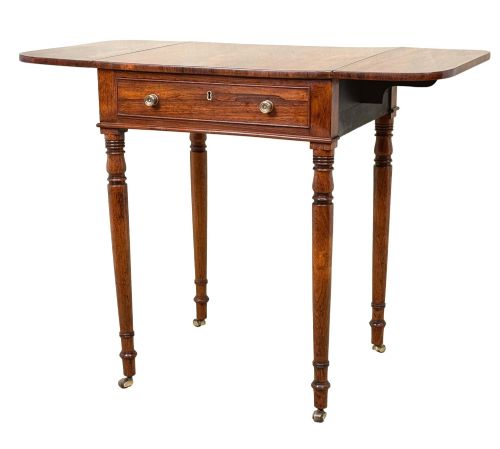
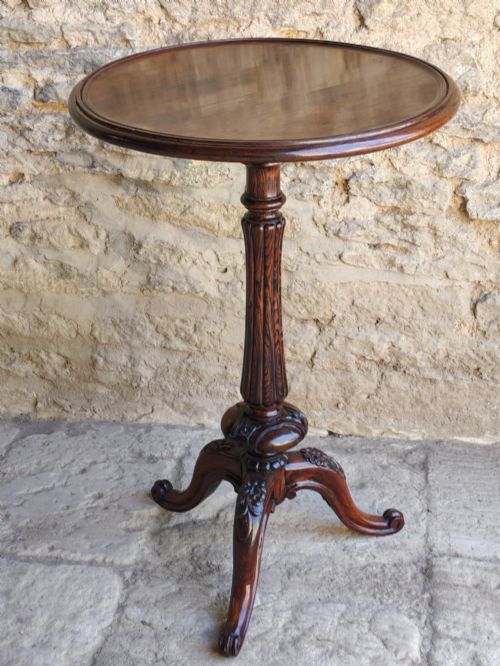
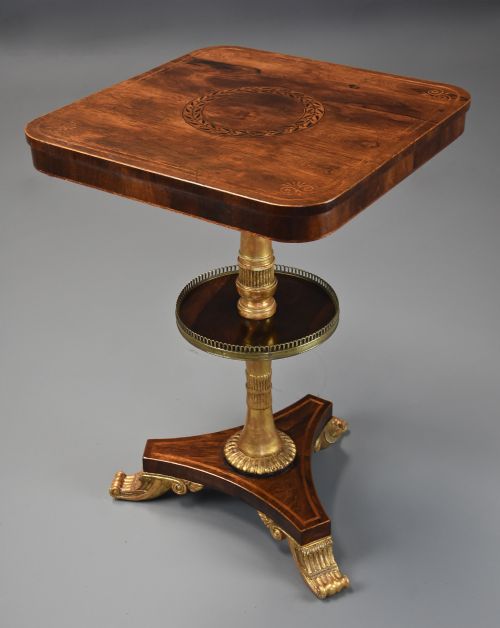
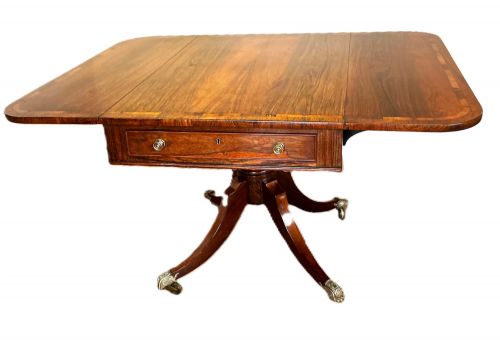
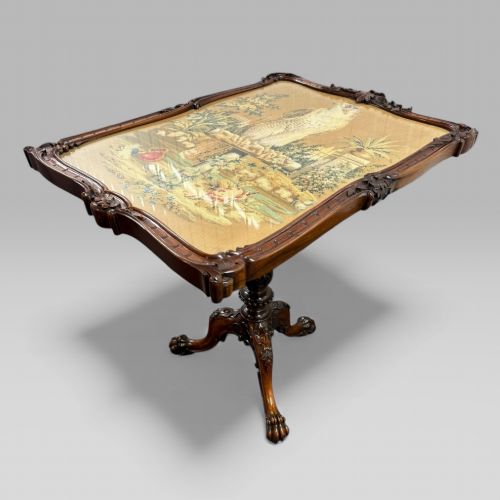

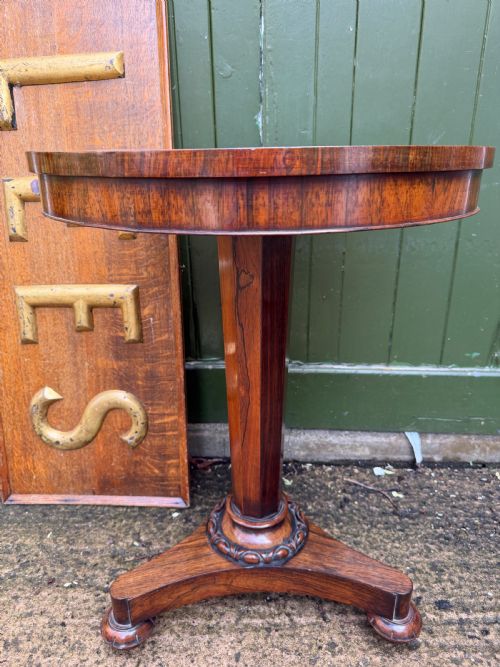


Regency Rosewood Accent Table
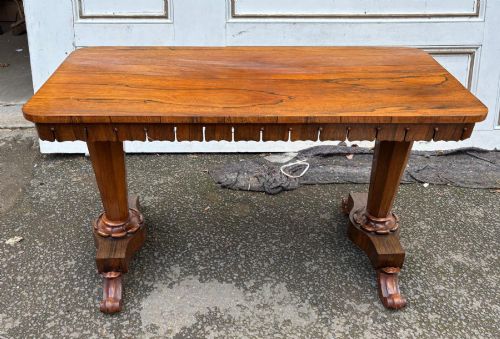
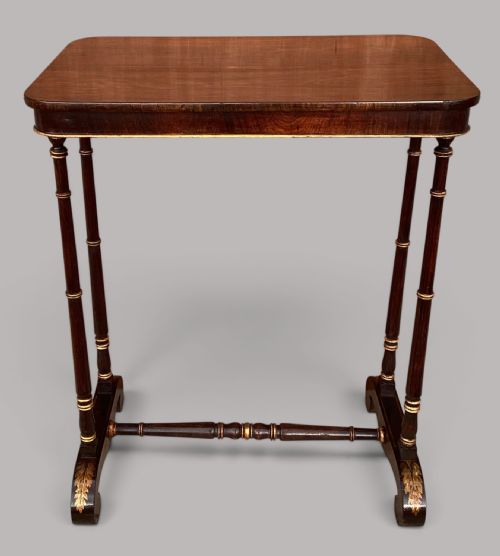
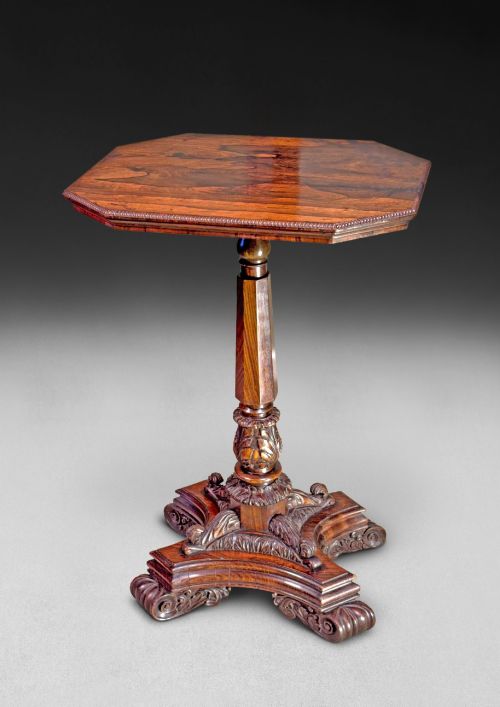
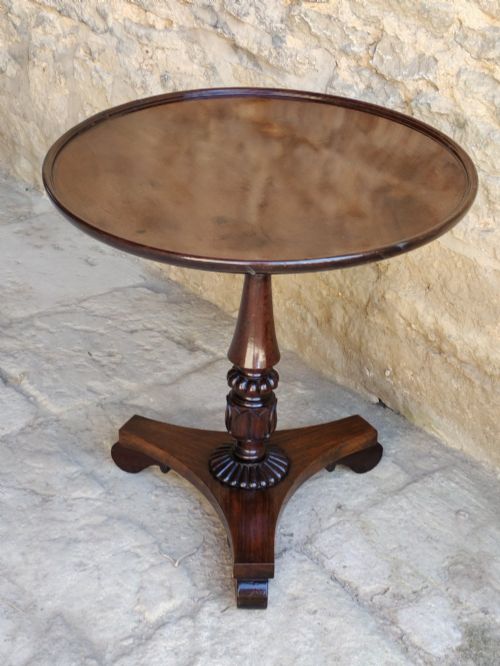
These regency rosewood accent table examples bring striking grain and rich dark timber to a room, offering both surface space and period character.
Regency Rosewood Accent Table
A regency rosewood accent table sits comfortably in a traditional or eclectic interior, providing a compact surface for lamps, books or drinks. When searching this phrase, buyers encounter various compact forms including tripod wine tables, drop flap library tables, two tier occasional pieces and sewing tables.
The pieces on this page span the nineteenth century, including Georgian, Regency, William IV and Victorian eras. Makers utilised rich timbers and thoughtful proportions to create functional furniture that doubles as a decorative focal point.
Forms vary from circular lamp tables and rectangular side tables to demilune games tables and converted teapoys. Many examples incorporate tilt top mechanisms, single drawers or brass inlay details that reflect the sophisticated taste of their period.
What varies in quality
The distinction between ordinary and exceptional examples lies in the selection of the timber and the precision of the cabinet work. Richly figured rosewood veneer, expertly matched across a table top, demonstrates a maker's commitment to visual harmony.
Structural integrity also separates the grades, visible in the snugness of drawer joints, the stability of tilt top mechanisms and the crispness of carved pedestals. Refined details like meticulous brass inlay or secondary wood quality elevate certain tables far above utilitarian pieces.
Regency Rosewood Accent Table Retail Price Guide 2026
Typical asking prices for regency rosewood accent table among the pieces listed under this phrase on Sellingantiques today, from the lower quarter to the upper quarter. They describe what is for sale here now, not the wider market.
Listings feature nineteenth-century pieces incorporating rosewood, mahogany, walnut, and giltwood, alongside brass and glass elements.
Gillows·George Bullock
The Regency Rosewood Accent Table Glossary
- Rosewood
- A dense, heavily grained timber prized for its dark purple-brown colour and oily lustre. It forms the primary visual identity of these tables.
- Palisander
- A term historically applied to various rich, dark rosewoods imported from South America and elsewhere. It appears frequently in descriptions of Regency cabinet work.
- Teapoy
- A small box or chest mounted on a central pillar, originally used for storing loose tea leaves. Many were later converted into general occasional tables.
- Demilune
- A half-moon shape characteristic of certain card and games tables designed to sit flush against a wall. This format saves floor space while offering a folding top.
- Tripod table
- A piece supported by three legs radiating from a central pillar. This construction provides stable footing on uneven historical floorboards.
Regency Rosewood Accent Table: Frequently Asked Questions
What is a regency rosewood accent table used for?
These tables served various domestic purposes historically, from holding tea equipment and sewing implements to displaying decorative lamps. Today they function primarily as side or occasional surfaces in living spaces.
Their compact footprints allow them to fit easily beside armchairs or sofas while introducing rich nineteenth-century timber tones to a room.
Are these tables suitable for everyday use?
Most antique accent tables tolerate normal daily use, provided they receive sensible care and protection from moisture and direct heat. Solid construction and durable hardwood frames help them endure modern living.
Placing coasters on the polished surfaces prevents water rings on the delicate rosewood veneer.
What distinguishes William IV tables from Regency ones?
William IV furniture, produced during the 1830s, generally displays heavier proportions and bolder, more robust carvings than earlier Regency pieces. Pedestals often feature substantial scrolled feet or massive melon-turned columns.
While rosewood remains a favoured material, the overall aesthetic shifts toward comfort and solid visual weight.
Can I use a tilt top table flat?
Tilt top tables feature a hinged mechanism that allows the surface to lock horizontally for use or tilt vertically for storage against a wall. When locked flat, they function as standard occasional tables.
The original brass catch or wooden button beneath the top secures the surface firmly in position.