



Regency Porcelain Vases
Regency porcelain vases are striking decorative objects from the early nineteenth century that bring vibrant hand-painted colour and gilt detail to a mantelpiece.
What Regency porcelain vases are
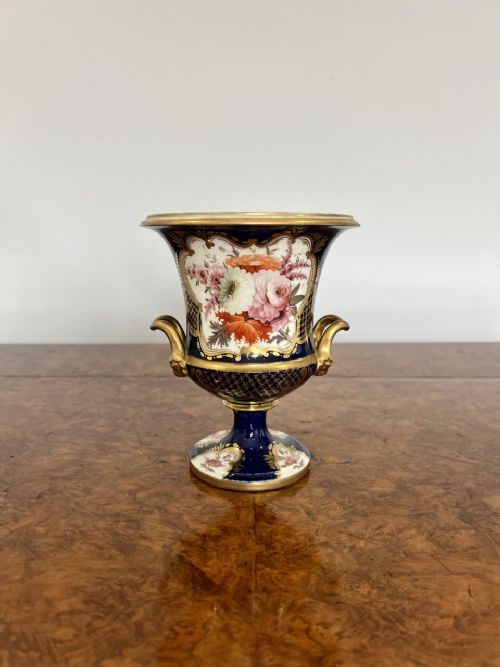
When you search for regency porcelain vases, you find decorative vessels and spill vases produced during the Regency period. These pieces demonstrate the distinctive aesthetic preferences of the early nineteenth century, combining classical forms with rich surface decoration.
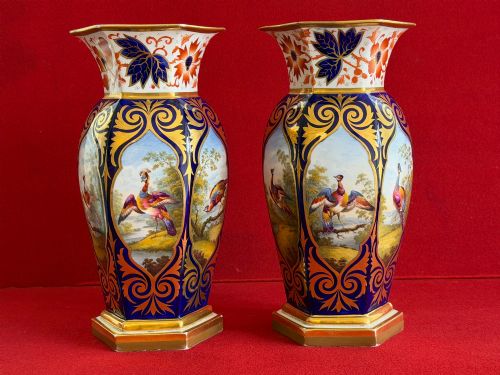
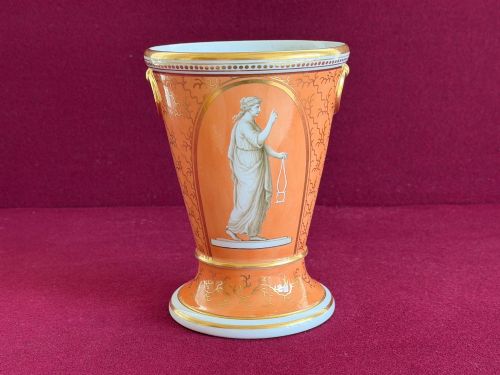
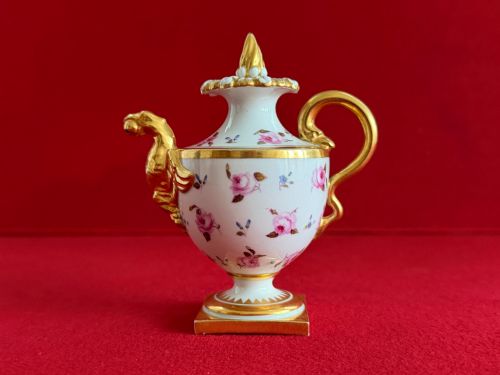
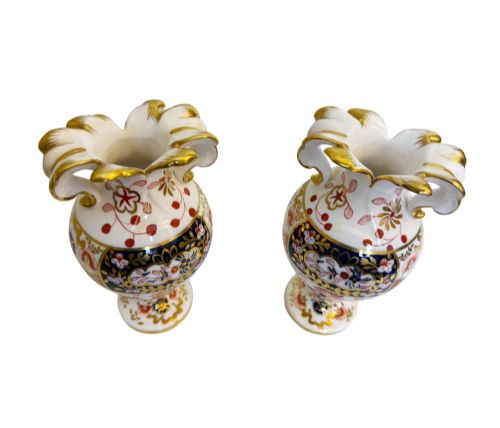
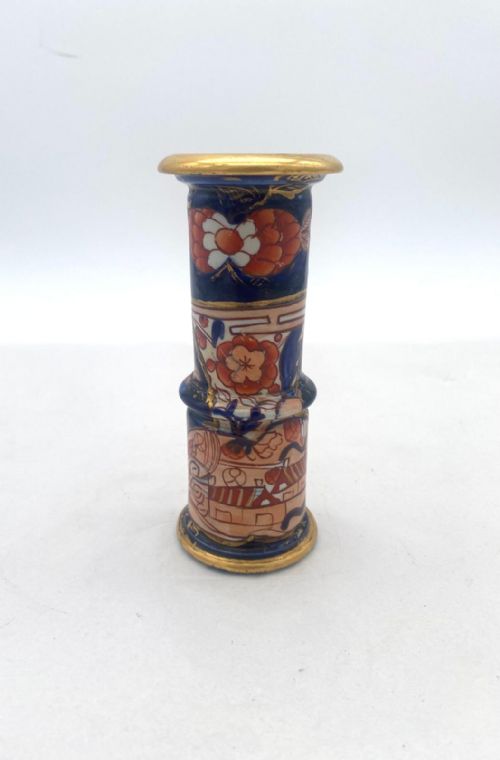
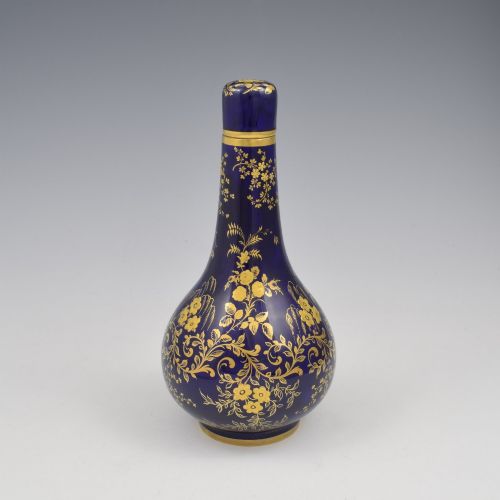
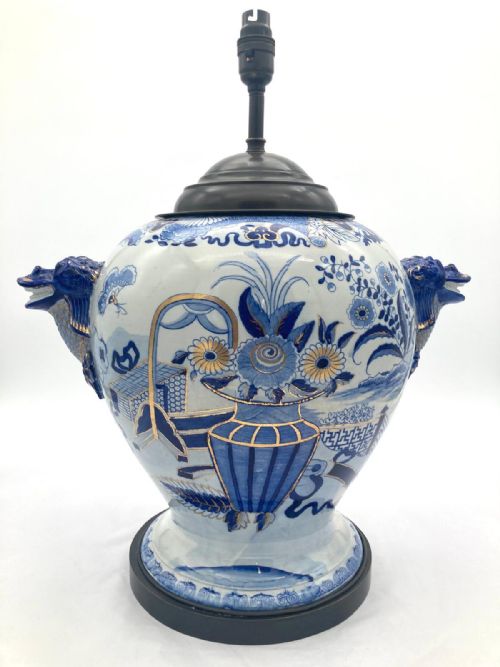
The pieces listed on this page include pairs of lidded vases, topographical vases, and spill vases. They originate from notable English factories such as Worcester and incorporate stylistic influences associated with the Grand Regency era.
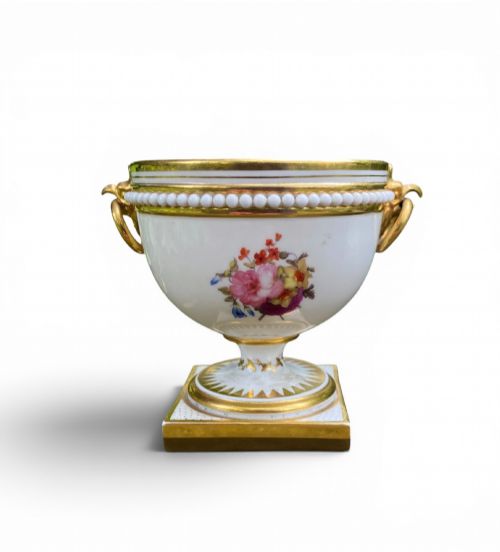
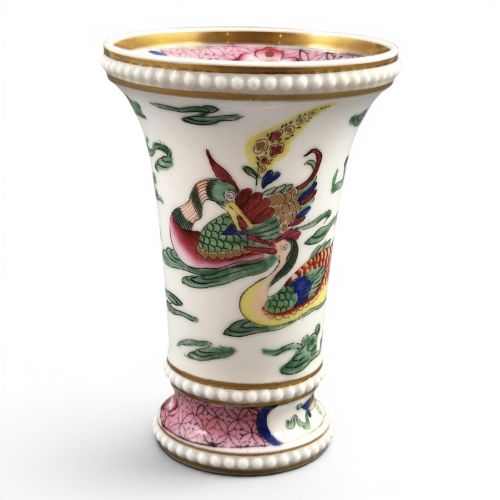
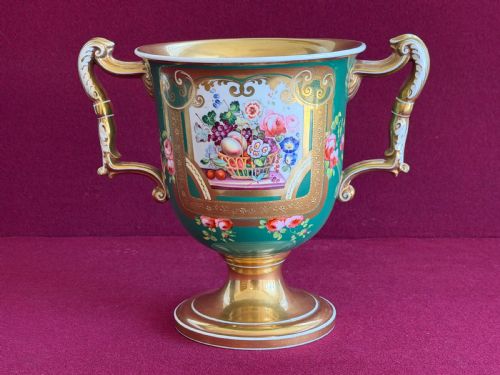
Most examples appear as matched pairs intended for symmetrical display on side tables or mantelpieces. Their forms range from slender cylindrical spill vases to grand lidded vessels adorned with handles and gilt foot rims.
How they were made
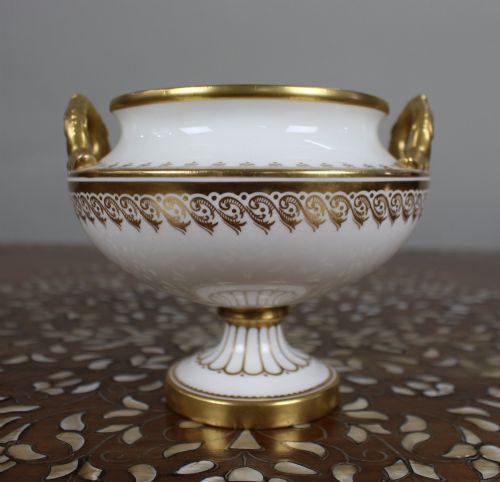
Makers utilised fine porcelain shaped into classic urn, cylinder, and vase forms, often finished with moulded handles and pedestals. Potters fired these vessels to create a smooth, dense white body suitable for subsequent painting and gilding.
Artisans applied hand-painted decoration, topographical scenes, and bat transfer printing directly onto the porcelain surface. Skilled hands then added detailed embellishments using gold leaf to highlight rims, handles, and sculptural motifs.
Early nineteenth-century dinner guests frequently tested their geography by identifying the obscure country estates painted onto topographical vases.
What varies in quality
The distinction between standard production and the finest work lies in the precision of the hand-painting and the intricacy of the topographical scenes. Master painters achieved exceptional depth and clarity in landscape miniatures, whereas lesser pieces rely on simpler repetitive patterns.
The application of gold leaf also separates the exceptional from the ordinary. Richly chased and burnished gilding retains a deep metallic lustre that elevates the entire design, while thinner applications can appear flat and worn over time.
Flight Barr and Barr·Royal Worcester
The Regency Porcelain Vases Glossary
- Spill vase
- A slender cylindrical vessel designed to hold thin wooden spills used for lighting candles and fires. These pieces often feature delicate hand-painted motifs or transfer prints.
- Topographical vase
- A decorative vessel painted with specific real-world landscapes or architectural views. Artists during the Regency period favoured topographical scenes for their educational and aesthetic appeal.
- Bat transfer
- A printing technique utilising a flexible glue bat to transfer delicate stippled engravings onto porcelain. This method produced fine, faint grey or sepia outlines that painters then coloured by hand.
- Gilding
- The application of gold leaf or powdered gold to the surface of porcelain. This decorative layer is fired and burnished to create a brilliant metallic finish.
Frequently Asked Questions
What are regency porcelain vases used for?
These pieces served primarily as decorative ornaments on mantelpieces, sideboards, and drawing room tables during the early nineteenth century. Some narrower cylindrical forms functioned specifically as spill vases for holding wooden fire lighters near a hearth.
Today, collectors display them as matched pairs to enhance period interiors. Their vibrant painted scenes and gilded details make them striking focal points in a room.
How do I identify a regency porcelain vase?
Look for classical forms inspired by ancient Greek and Roman vessels, combined with the distinctive palette of the early nineteenth century. Rich gold leaf accents and hand-painted topographical views are typical characteristics of this era.
Factory marks on the underside often provide definitive attribution to makers active during the Regency period. Comparing the style of the painting and the porcelain body helps confirm the date.
Are these vases always found in pairs?
Many surviving examples appear as matched pairs because Regency interior design favoured symmetrical arrangement on mantelpieces and pier tables. Makers frequently produced them in pairs designed to mirror each other.
Single vessels do exist, particularly among spill vases or pieces that have become separated over time. Pairs generally command greater interest from collectors seeking complete decorative sets.
How should I care for antique porcelain vases?
Display these pieces away from direct sunlight to protect the delicate hand-painted colours from fading. Keep them in a stable environment away from extreme temperature fluctuations that could stress the ceramic body.
Dust them gently with a soft, dry brush rather than using water or chemical cleaners. Particular care is necessary around gilded areas to preserve the delicate gold leaf finish.