
19th Century Porcelain Urns
These 19th century porcelain urns bring classical presence to a room, offering striking focal points for a mantelpiece or side table.

What 19th century porcelain urns are
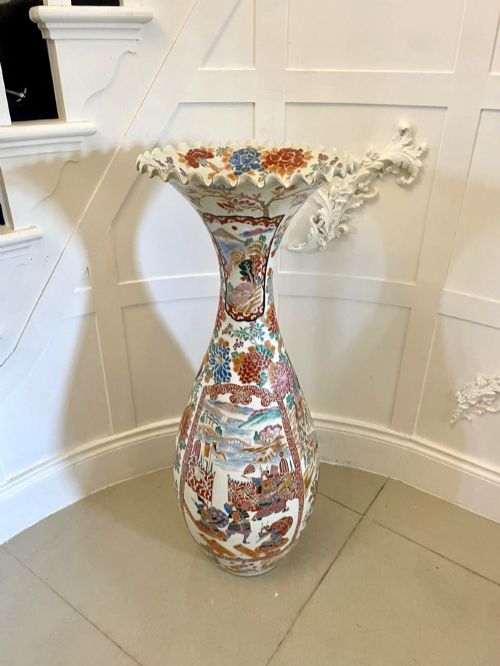
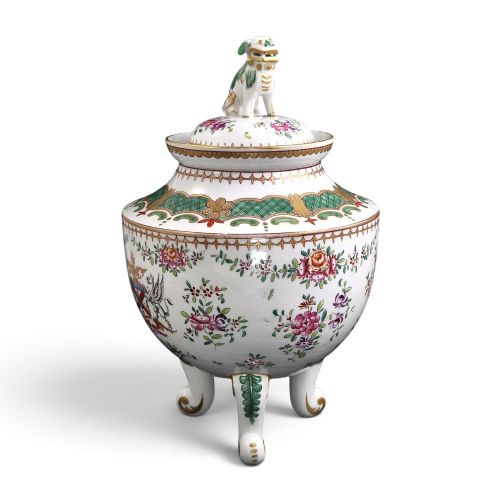
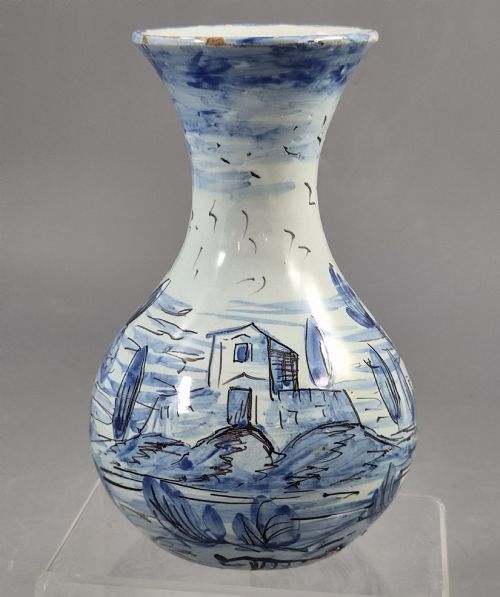
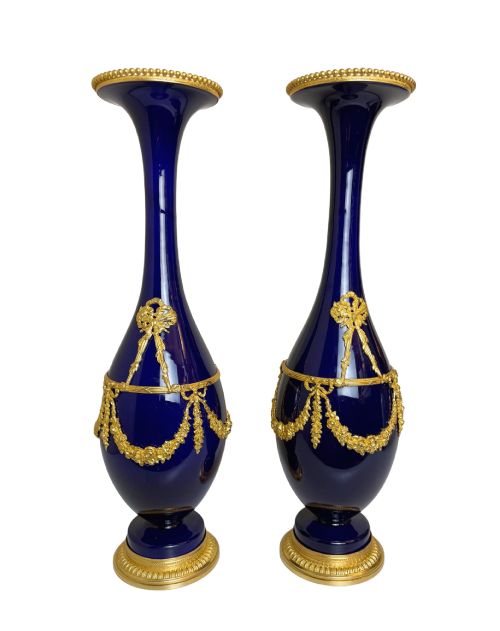
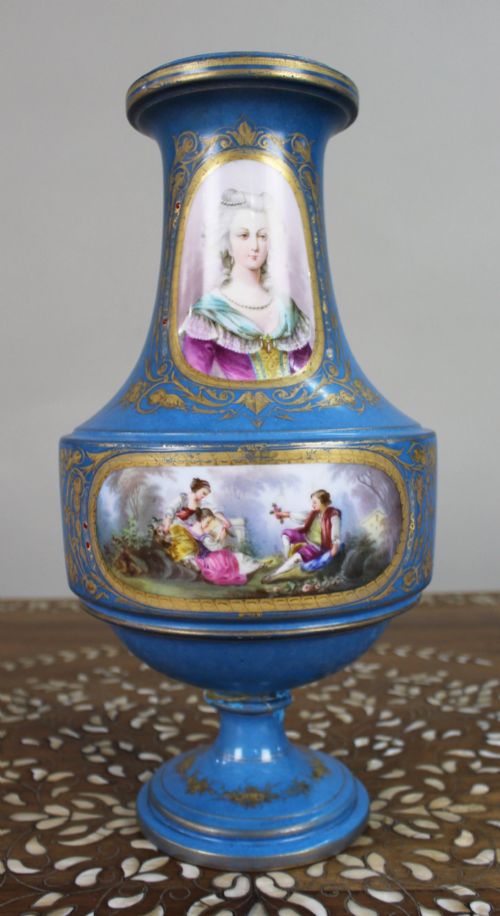
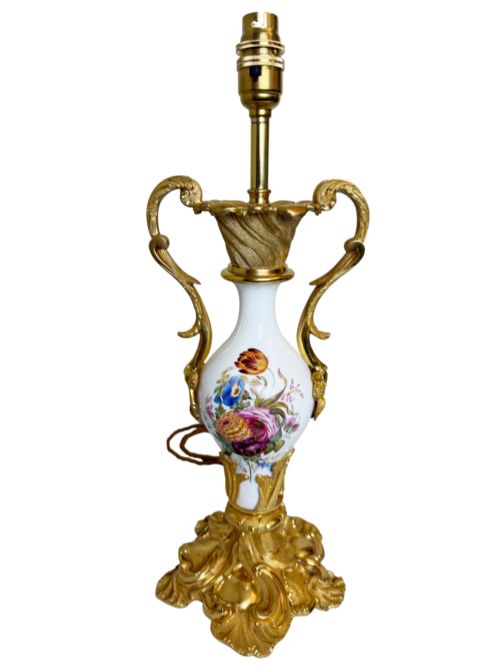
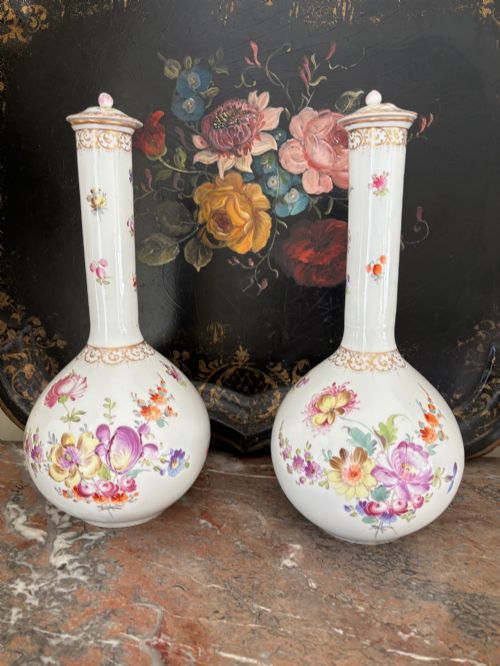
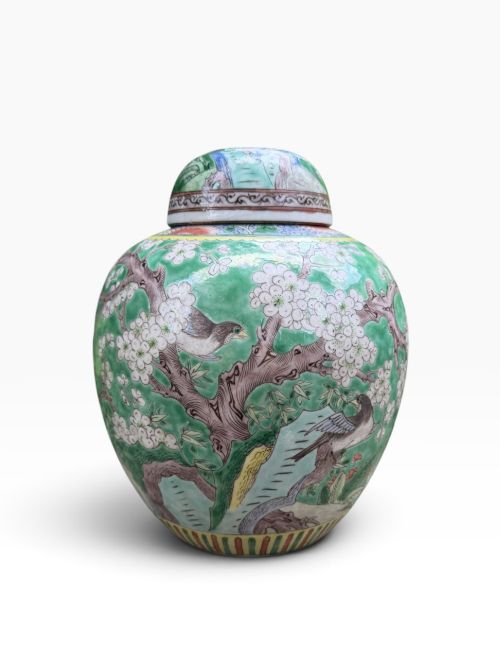
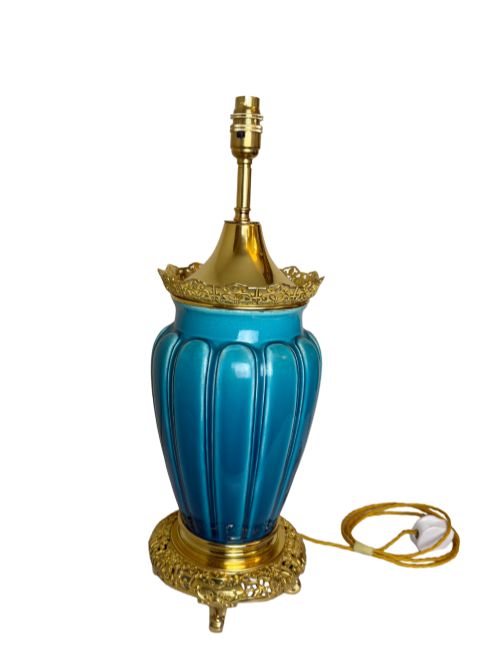
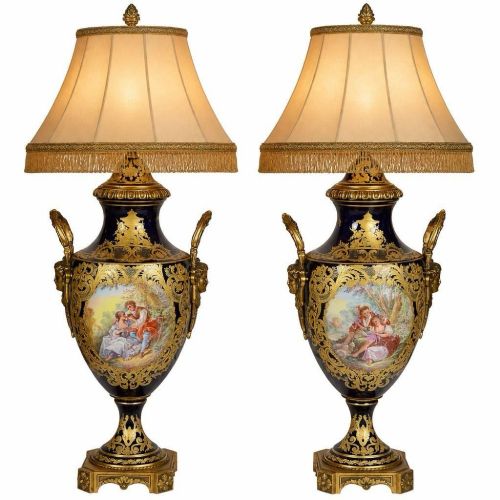
When you search for 19th century porcelain urns, you encounter decorative lidded vases, garnitures, and standing vessels designed to command attention in a room. The most common examples on this page are matched pairs created in French Sevres style, alongside English Regency pieces and ornate Continental interpretations.
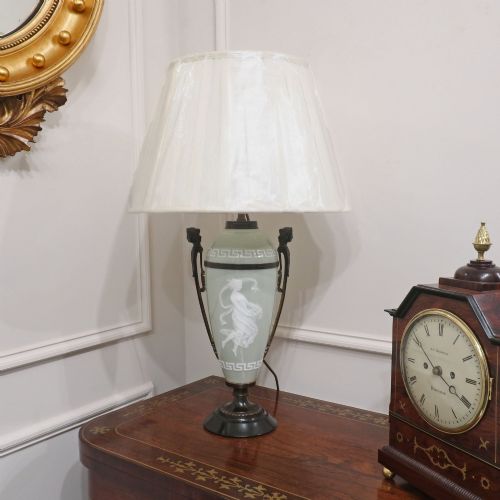
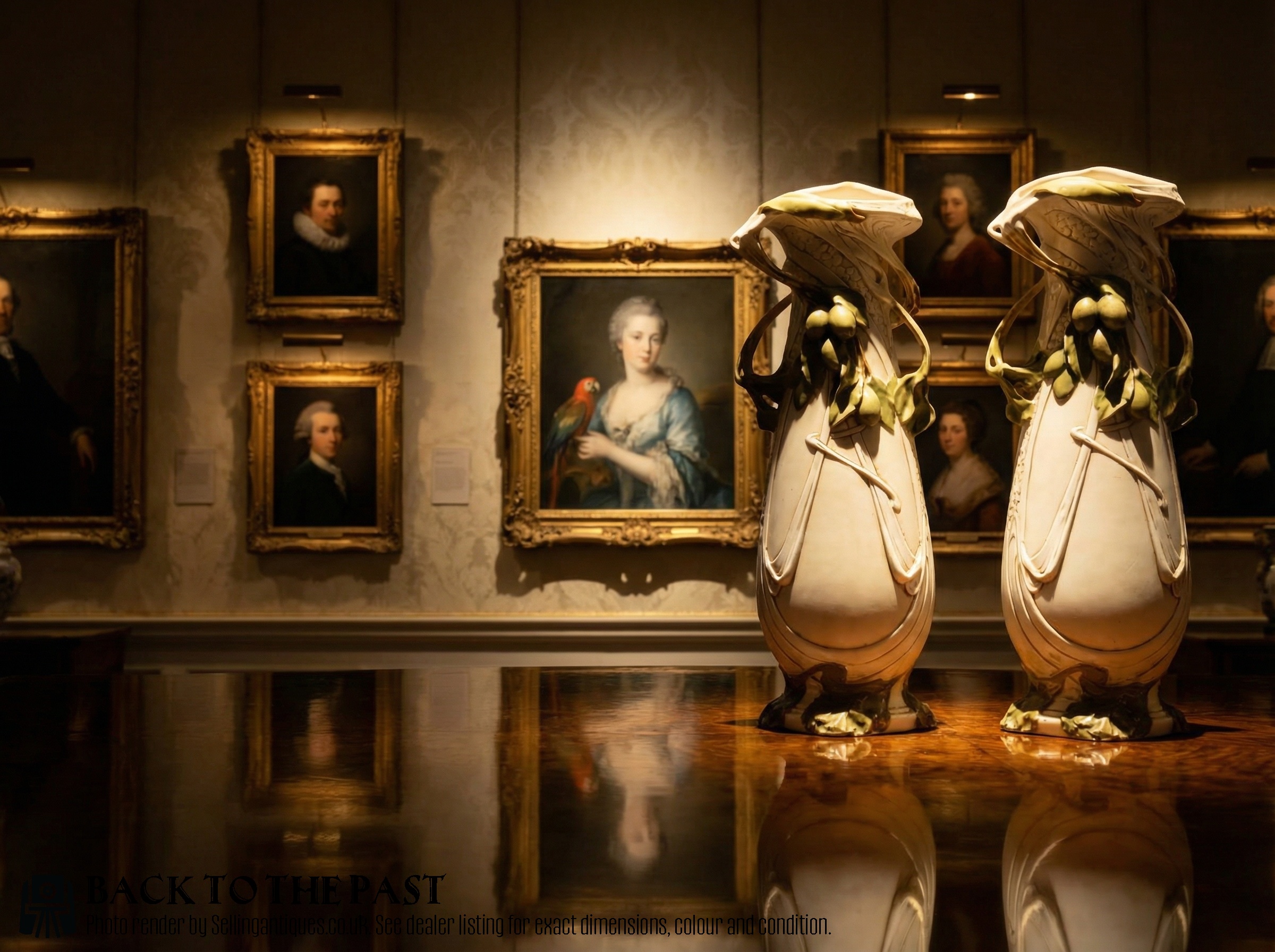
These vessels draw heavily on historical design languages, displaying French Rococo Revival, Regency, Neoclassical, and Art Nouveau characteristics. Makers utilised traditional forms adapted for nineteenth-century drawing rooms, ranging from slender cabinet vases to substantial lidded garnitures.
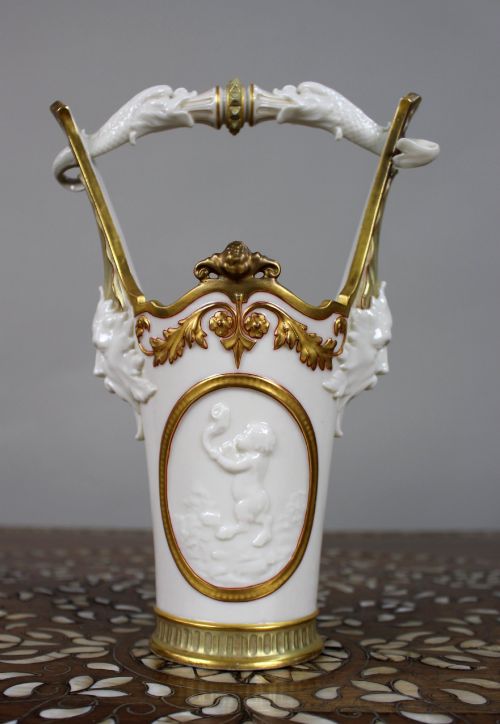
Originating from English manufactories like Worcester as well as continental centres such as Vienna, Royal Dux, and Augustas Rex, these objects span the entire nineteenth century. You find them described as vases, vases and urns, or porcelain urns across various production dates.
How they were made
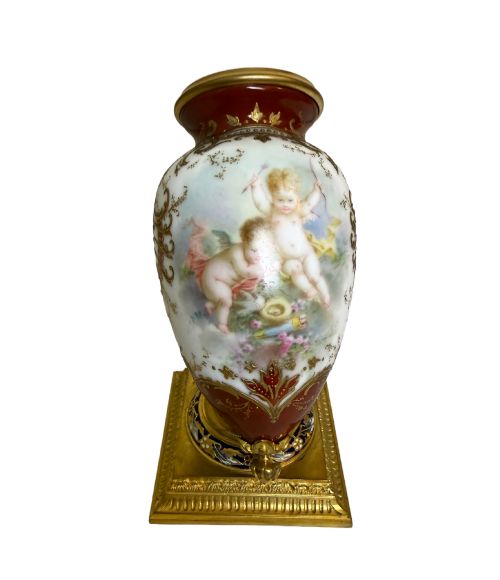
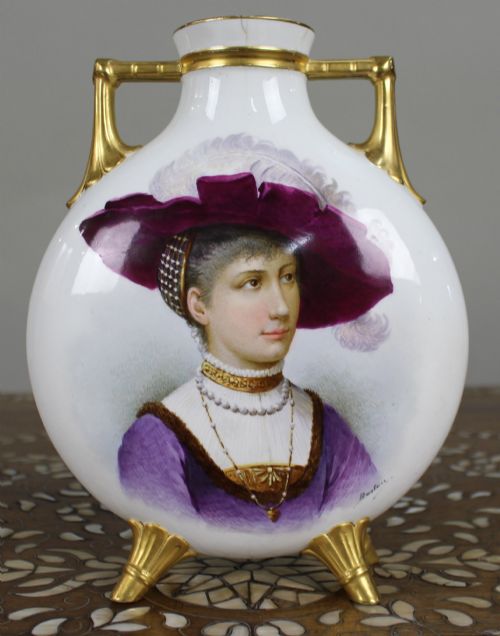
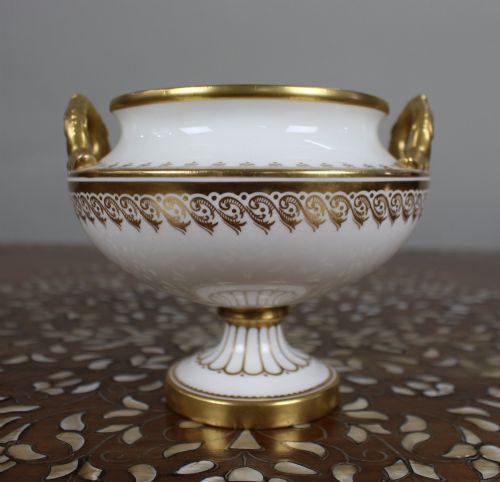
The primary material is porcelain, shaped into substantial vessels and finished with smooth glazes that form the ground for painted decoration. Artisans applied gold leaf, gilt, and enamel work directly onto the ceramic body to create intricate patterns and figurative scenes.
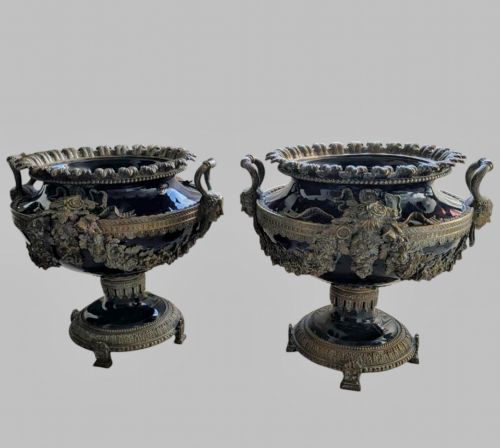
Many of these urns incorporate metal mounts, specifically ormolu and gilt bronze, which frame the porcelain base and add structural weight to handles, rims, and feet. These metal components required specialised casting and gilding techniques to match the lustre of the glazed ceramic surfaces.
Retail Price Guide 2026
Typical UK retail prices for 19th century porcelain urns, calculated from the Sellingantiques database of over a million retail prices indexed since 2003. This retail price guide relies exclusively on Sellingantiques data; no external sources or auction records are used, so the figures do not describe the wider market.
What varies in quality
The sophistication of the painted enamel decoration and the precision of the gilding set superior examples apart from standard production. Finer pieces demonstrate confident brushwork in figurative or floral motifs, whereas simpler items rely on repetitive stencilled patterns.
The integration of metal mounts defines the upper tier of these vessels, where heavy ormolu and gilt bronze components fit the ceramic contours seamlessly. Lesser examples feature lighter, less detailed mounts that lack the sculptural depth found in high-end workshop output.
Flight Barr and Barr·Augustas Rex·Royal Dux Bohemia
The 19th Century Porcelain Urns Glossary
- Ormolu
- Gilded bronze used for decorative mounts and handles on furniture and porcelain. It provides a bright golden finish that complements the glazed ceramic bodies.
- Garniture
- A set of matched ornamental vases or urns designed to be displayed together on a mantelpiece or sideboard. They typically consist of a larger central vessel flanked by smaller matching pieces.
- Neoclassical
- A style rooted in classical Greek and Roman art, emphasising symmetry, restraint, and classical motifs. It frequently appears on nineteenth-century ceramic forms.
- Rococo Revival
- A nineteenth-century movement reviving the exuberant, asymmetrical curves and naturalistic scrollwork of the eighteenth-century Rococo period. This style appears frequently on French and continental porcelain.
- Enamel
- Vitreous material fused to the surface of porcelain through firing, used to apply rich colours and details. It creates a durable and vibrant decorative layer.
Frequently Asked Questions
What are 19th century porcelain urns?
These pieces are decorative ceramic vessels produced during the nineteenth century in various European workshops and factories. They take the form of lidded vases, garnitures, and standing ornaments designed primarily for interior display.
They reflect diverse regional traditions, from English Regency manufactories to French Sevres-inspired ateliers. Their forms often echo classical antiquity or later revival movements.
How were these porcelain urns used?
Historically, these urns served as ornamental centerpieces on mantelpieces, sideboards, and pier tables within affluent homes. They were displayed as matched pairs or sets to demonstrate taste and refinement.
While some feature lids, they were generally intended as decorative objects rather than functional containers. Their presence elevated the formal reception rooms of the period.
How do I live with porcelain urns?
Place these urns on stable, level surfaces where they can be appreciated without risk of accidental knocks. Because many incorporate delicate gilt bronze mounts or enamel work, keep them away from direct sunlight to preserve the colours.
Allow them space to command a room, whether set upon a console table or positioned on a mantelpiece. Pair them thoughtfully with period furniture to complement their classical or revival aesthetics.
How do I tell periods and styles apart?
Distinguish periods by examining the stylistic cues, such as the restrained symmetry of Regency and Neoclassical pieces versus the fluid, organic curves of Art Nouveau. Maker marks, where present, provide direct evidence of origin and production era.
Look closely at the decorative vocabulary, noting whether the painting reflects French Sevres traditions or continental manufactory styles. Material combinations, such as the use of ormolu versus simple gilding, also help locate an item within the nineteenth-century timeline.