




Regency Plant Stand
A regency plant stand brings architectural presence to a corner through elevated timber and metal work designed to display greenery.
Regency Plant Stand
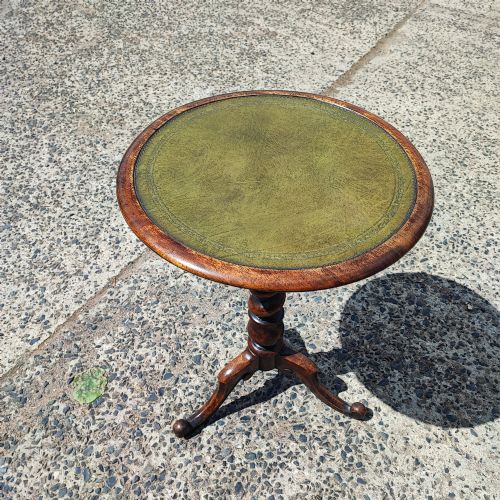
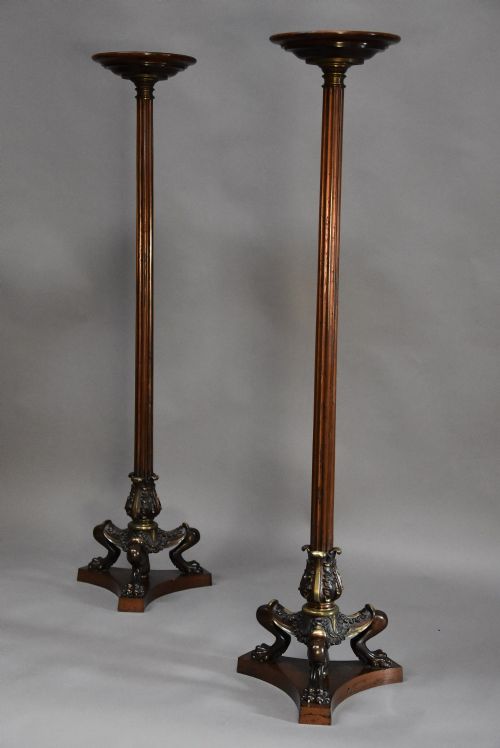
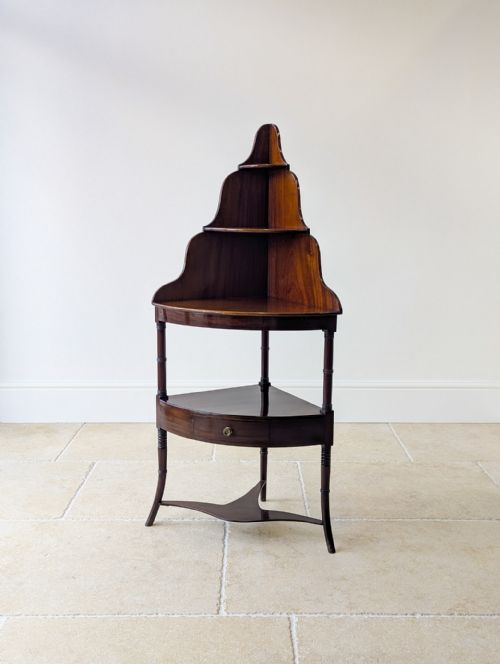
A regency plant stand encompasses slender torcheres, columnar pedestals, and fitted jardiniere tables designed to elevate botanical specimens within domestic interiors. These pieces emerge primarily from the nineteenth century, drawing on Georgian foundations and later revival periods.
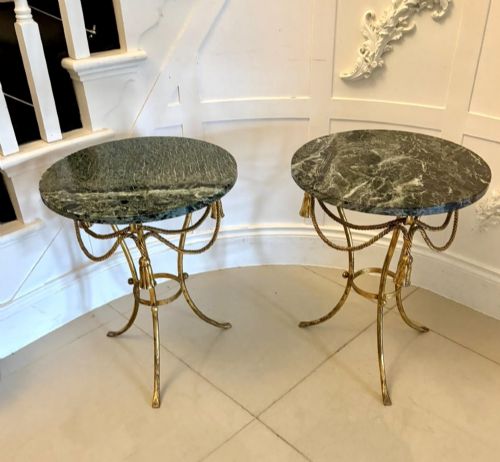
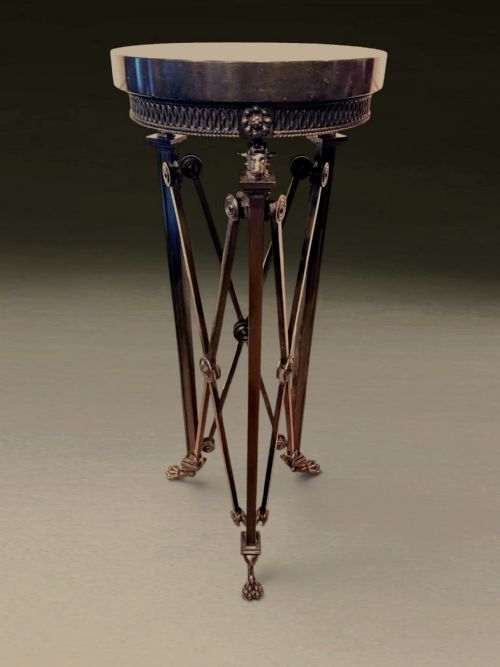
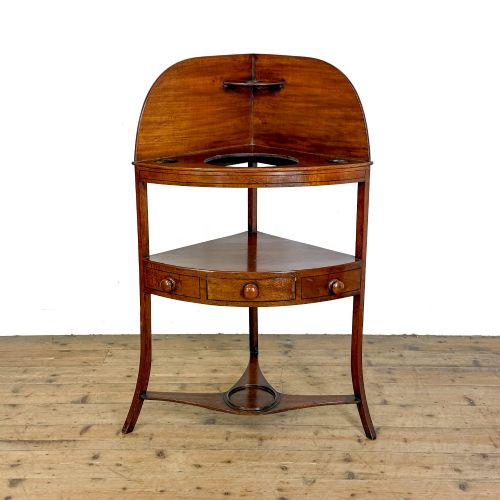
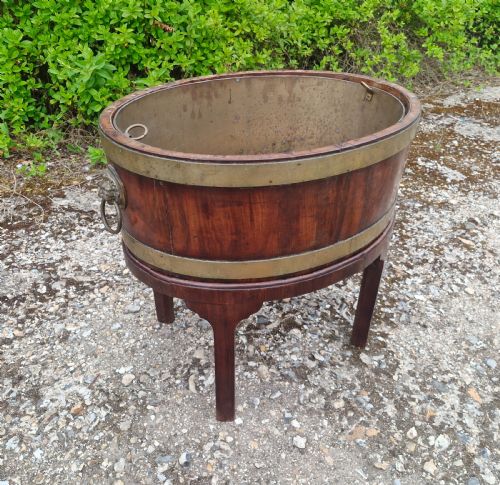
Makers utilised diverse forms ranging from tripod candle stands and hexagonal cabinets to multi-tiered wirework frames and brass-bound buckets. Mahogany and rosewood dominate the surviving examples, often paired with marble tops or bronze mounts.
Assessing Quality
Superior examples display precise joinery in turned shafts and fitted liners, alongside well-figured timber veneers like rosewood and yew wood. The integration of cast bronze mounts and heavy marble tops separates utilitarian frames from distinguished specimens.
Proportion and stability dictate the standing of a piece, where slender torcheres maintain balance through weighted bases and clean architectural lines.
Regency Plant Stand Retail Price Guide 2026
Typical asking prices for regency plant stand among the pieces listed under this phrase on Sellingantiques today, from the lower quarter to the upper quarter. They describe what is for sale here now, not the wider market.
Listings feature nineteenth-century materials including mahogany, rosewood, brass, marble, and bronze across forms such as torcheres, pedestals, and jardinieres.
Gillows·James Mein of Kelso·George Smith·Thomas Hope·Enoch Wood and Sons
The Regency Plant Stand Glossary
- Torchere
- A tall, slender stand designed to support a lamp, candle, or plant. These pieces rely on tripod bases or central columns.
- Jardiniere
- An ornamental pot or stand intended for holding plants or flowers. They frequently incorporate metal liners or brass banding.
- Whatnot
- An open set of shelves used for displaying small objects or plants. These stands feature multiple tiers supported by slender uprights.
- Ebonised
- Wood finished with a dark stain or paint to imitate ebony. This technique creates a dense, black surface seen on decorative stands.
- Giltwood
- Wood carved and covered with a thin layer of gold leaf or gold paint. This finish highlights classical architectural details.
Regency Plant Stand: Frequently Asked Questions
What is a regency plant stand used for?
These pieces function primarily to elevate potted plants, urns, or floral arrangements off the floor to display them within a room.
They also serve as lamp tables or display surfaces for decorative objects in domestic spaces.
How do I identify a regency period piece?
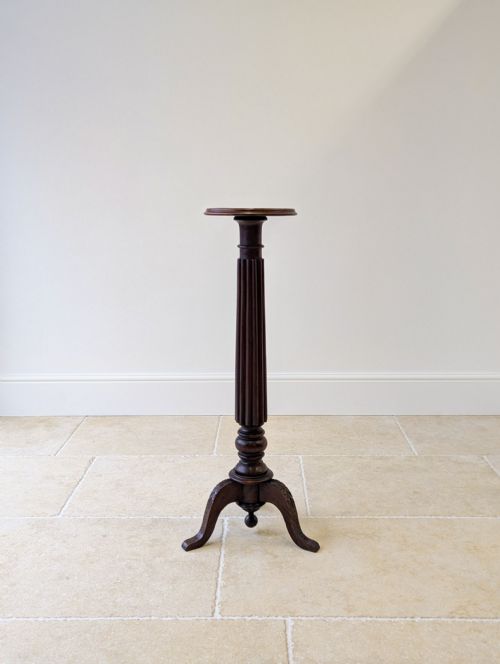
Look for classical architectural motifs such as reeded columns, tripod bases, and brass paw feet influenced by neoclassical design.
Materials typically include solid mahogany and rosewood, often complemented by bronze mounts or marble tops.
Are these stands suitable for real plants?
Many examples feature original metal liners, brass bands, or marble inserts designed to catch water and protect the timber underneath.
Using a protective saucer inside the container helps prevent moisture damage to antique wood surfaces.
What is the difference between a torchere and a jardiniere?
A torchere is a tall, slender stand with a small top designed for a single plant, lamp, or candle.
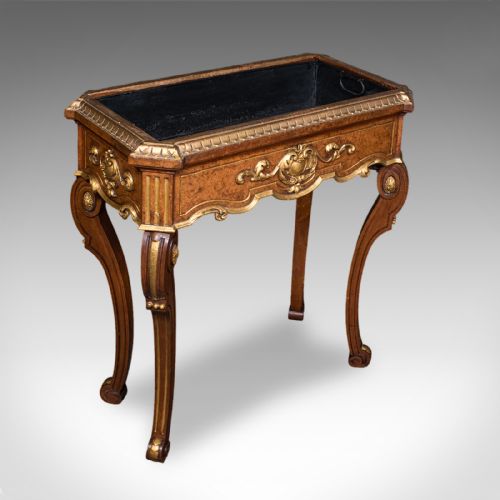
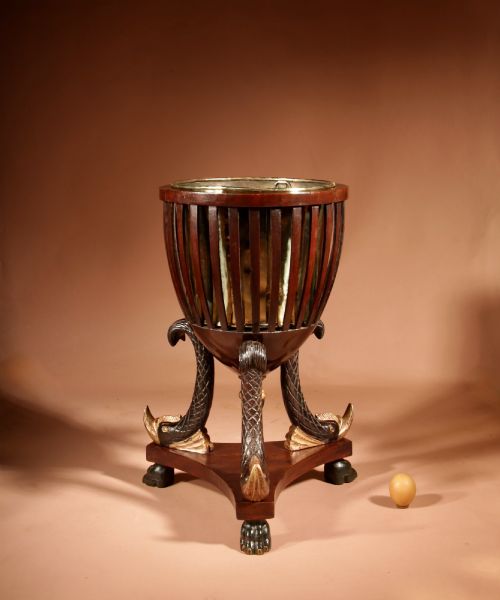
A jardiniere is built specifically as a planter or container stand, often featuring a bucket or trough form with waterproof linings.