



Regency Period Wall Prints
Regency period wall prints bring the classical line and hand-tinted charm of the early nineteenth century into modern rooms.
Regency Period Wall Prints
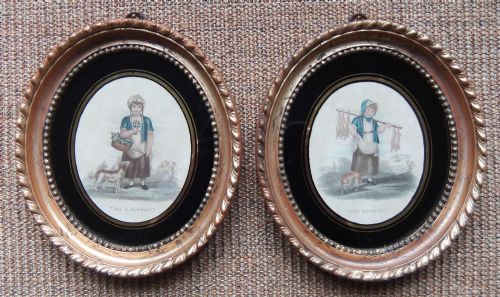
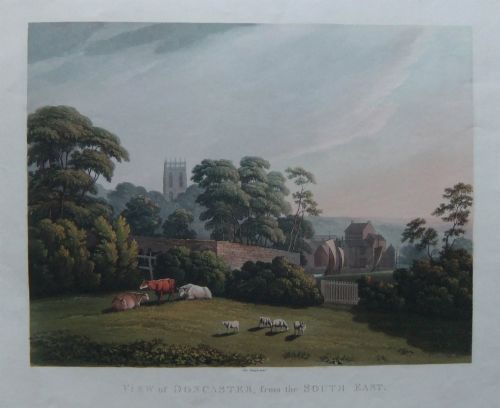
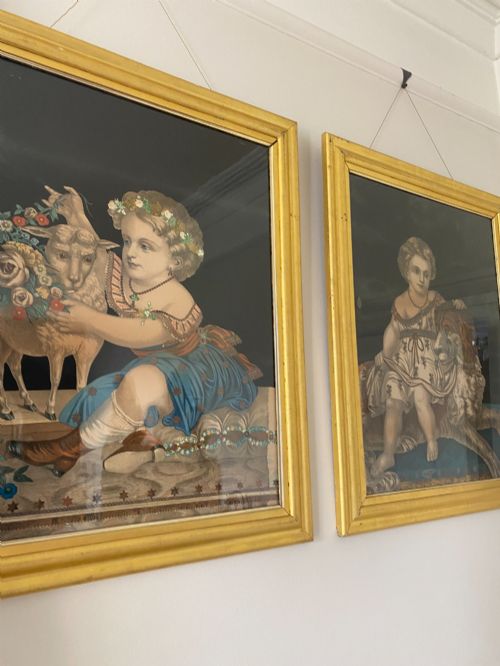
Regency period wall prints encompass framed engravings, stipple work, and hand-tinted artwork dating primarily from the early nineteenth century. Buyers seeking regency period wall prints find subjects ranging from domestic family scenes and children to topographical views and sporting caricatures.
The selections available run from individual hand-coloured plates by noted designers to sets of decorative prints and framed groupings. Many pieces retain their period frames, such as Hogarth mouldings or gilt wood surrounds, which complete the historical presentation.
Origins stretch across the 1800s and nineteenth century, capturing the aesthetic tastes of Georgian and Regency society through printed media on paper. These works offer a direct window into the visual culture of the era through accessible wall art.
Materials and production methods
Paper forms the primary support for these engravings, watercolours, and stipple prints, which were often individually hand-tinted or water-coloured after printing. Metal embellishments occasionally add texture to clothing within the framed artwork.
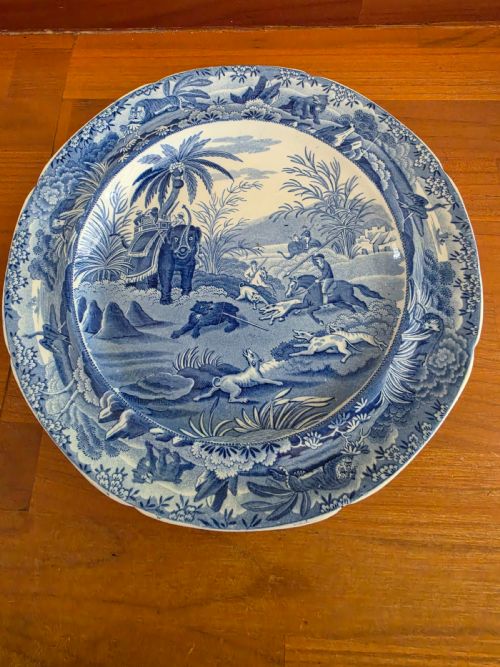
Frames utilise wood and gilt wood, sometimes finished in black Hogarth styles with glass protecting the delicate paper surfaces within. Plates and platters in earthenware employ glaze for decorative wall display alongside standard framed prints.
Regency Period Wall Prints Retail Price Guide 2026
Typical asking prices for regency period wall prints among the pieces listed under this phrase on Sellingantiques today, from the lower quarter to the upper quarter. They describe what is for sale here now, not the wider market.
Listings feature paper prints and engravings alongside earthenware plates spanning the Regency period and nineteenth century.
Quality factors in early prints
The clarity of the original impression and the precision of the hand-colouring separate superior examples from standard decorative pieces. Crisp lines in stipple engravings and delicate application of pigment indicate skilled workshop production.
The preservation of the paper and the originality of the framing materials heavily influence the overall character of the piece. Period frames in gilt wood or Hogarth styles enhance the historical integrity when preserved alongside the artwork.
S & J Fuller·Spode·George Romney·Adam Buck·H. Singleton·Henry Corbould
The Regency Period Wall Prints Glossary
- Stipple engraving
- A printmaking technique using dots to create tonal gradations and soft shadows rather than continuous lines. This method was widely used for portraits and sentimental subjects during the Regency era.
- Hogarth frame
- A narrow, dark wooden picture frame profile with an inner gilded edge, popular during the eighteenth and nineteenth centuries. These frames suit traditional prints and engravings of the period.
- Hand-tinted
- A print finished with watercolour or ink by hand after the mechanical impression was made. This adds individual colour variation to each published sheet.
- Earthenware
- Porous pottery fired at lower temperatures, represented here in decorative plates and wall platters. These items combine ceramic art with wall display.
Regency Period Wall Prints: Frequently Asked Questions
How should I hang framed prints?
Hang these works away from direct sunlight to protect the fragile paper and hand-applied watercolours from fading over time. Stable indoor humidity prevents warping in both the antique paper and the wooden frames.
Group matched pairs or series together at eye level to recreate historical wall arrangements found in period interiors.
Are these frames original?
Many pieces retain period frames such as gilt wood or black Hogarth mouldings that complement the age of the paper work inside. Examining the construction of the frame helps determine its period relationship to the print.
Replacement framing does occur to protect fragile works, so checking the backing and glass gives further context to the piece's history.
What subjects are most common?
Domestic scenes, portraits of children, literary illustrations, and sporting caricatures form the core subjects of this visual period. Artists frequently published these works in matched pairs or larger numbered series.
Topographical views of towns and countryside also appear, documenting early nineteenth-century landscapes and architecture.