

Framed Country Prints
Framed country prints bring rural life, sporting scenes and domestic animals into rooms through period paper and canvas.
Framed Country Prints
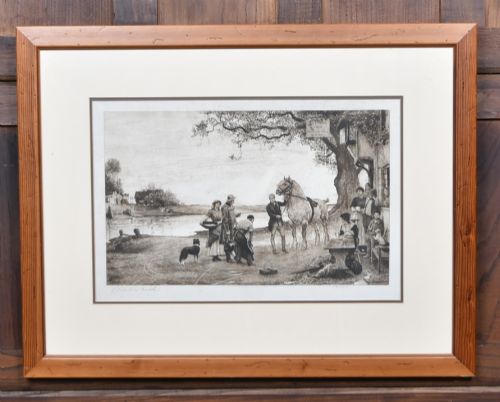
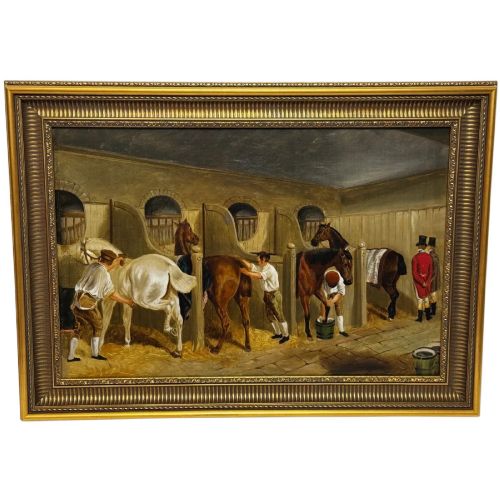
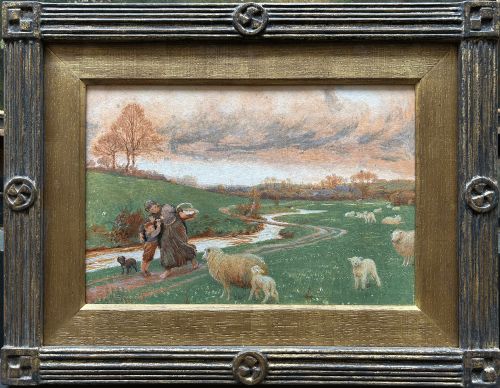
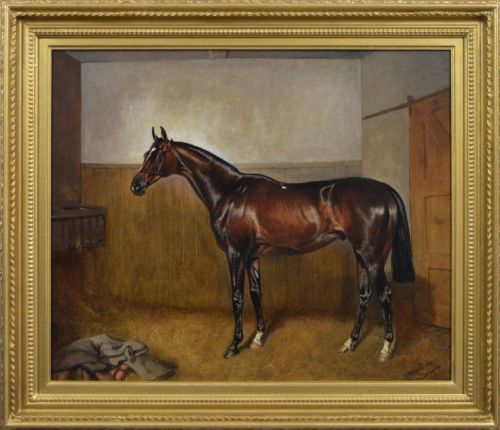
Buyers seeking framed country prints encounter a mix of nineteenth-century rural etchings, lithographs, engravings and watercolours depicting agricultural subjects, domestic animals and field sports. These works capture pastoral life, hunting scenes and countryside settings across Victorian, Edwardian and Georgian periods.
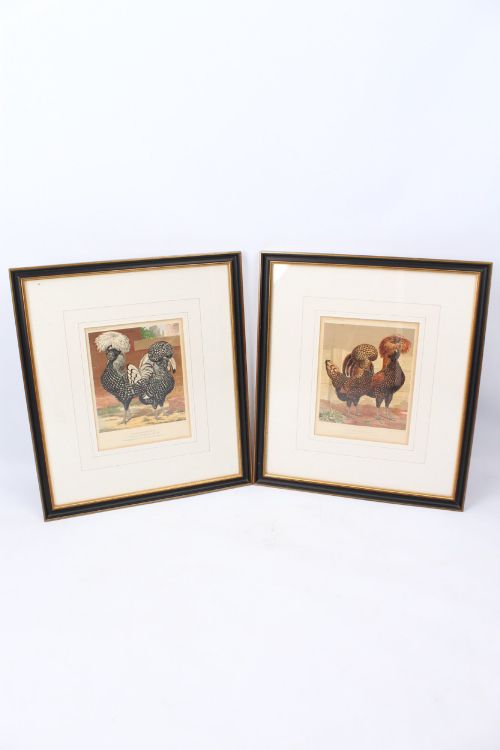
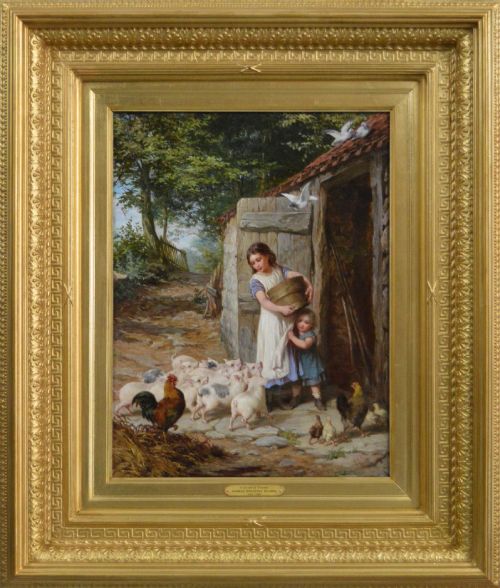
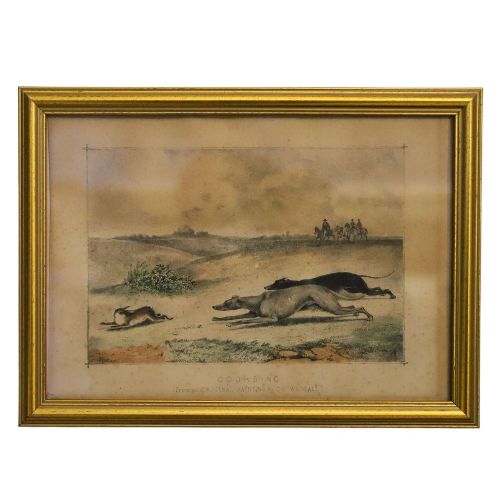
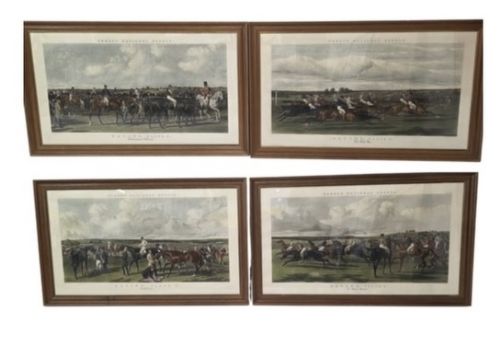
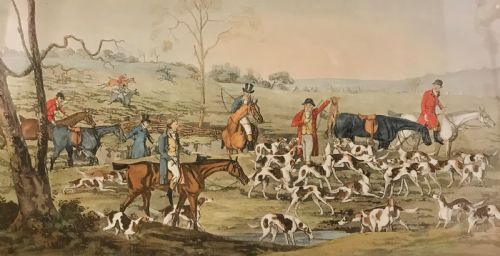
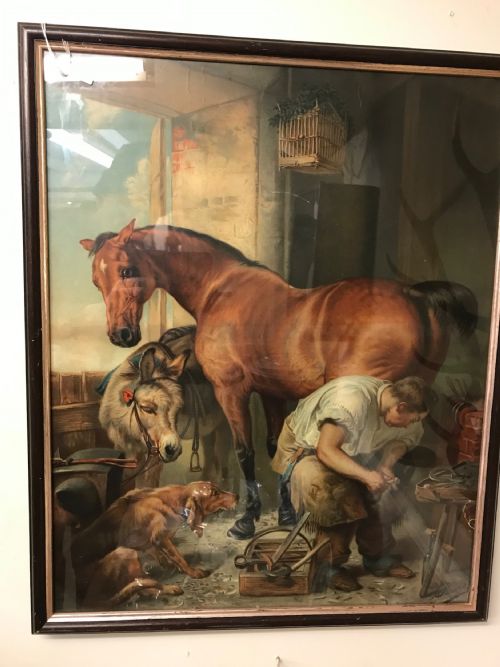
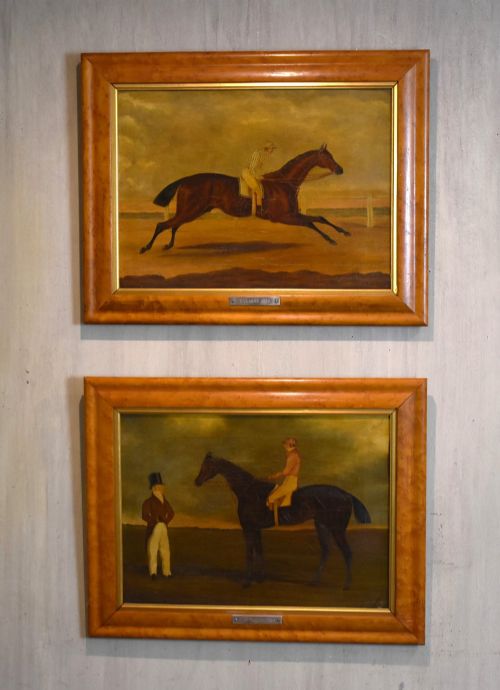
The selection on this page leans toward sporting subjects, farmyard scenes with poultry and livestock, and rural landscapes preserved beneath glass in wood frames. Works range from hand-coloured engravings published in the eighteen-fifties to watercolours and mixed media pieces from the early twentieth century.
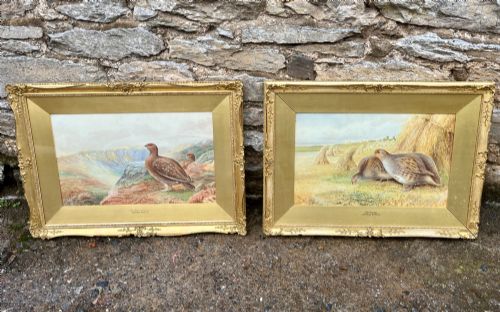
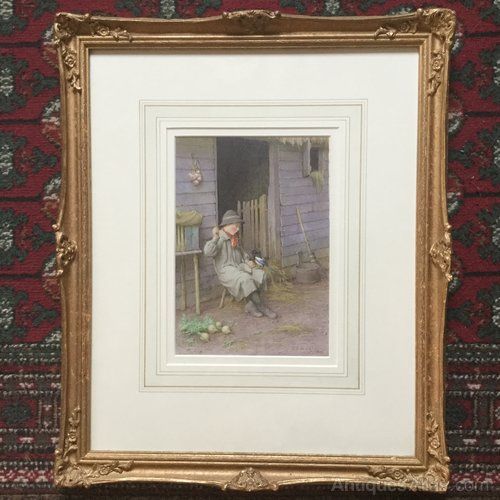
Subject matter divides into distinct categories such as horse racing, fox hunting, coursing, game birds and quiet domestic interactions involving children and animals. Many pieces arrive as pairs or sets of four, reflecting how publishers originally issued sporting and natural history plates.
Materials and technique
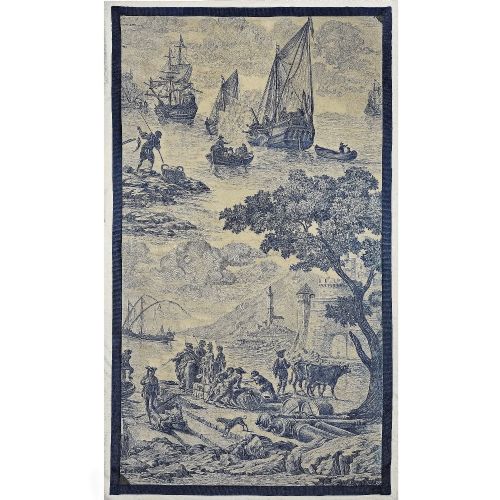
Makers utilised paper sheets for lithographs, etchings and engravings, often applying hand-colouring to monochrome impressions after printing. Artists also worked directly on canvas and paper using oil paint and watercolour to create original rural paintings.
Frames rely predominantly on wood, frequently finished with gold leaf or giltwood surrounds to house and protect the paper or canvas beneath glass. Glazing preserves vulnerable watercolours and prints from atmospheric moisture and handling over the decades.
Several grumpy hounds and defiant bears gaze out from nineteenth-century sporting scenes, keeping watch over quiet drawing rooms.
Quality and execution
The distinction between ordinary and superior pieces rests on the precision of the draughtsmanship and the crispness of the impression pulled from the plate. Original watercolours and oil paintings demonstrate the artist's hand directly, whereas prints depend on the fidelity of the transfer from the original work.
The quality of the framing contributes significantly to the presentation, with period gilt wood and gold leaf frames matching the era of the artwork itself. Preservation of the paper, minimal fading of hand-colouring, and stable condition beneath the glass distinguish better-surviving examples.
Robert W. Macbeth·George Augustus Holmes·C. H. Weigall·George Rankin·John Alfred Wheeler·Edwin Henry Landseer·John Frederick Herring Snr·Charles Edward Wilson·Robert Sayer·Arthur Hopkins·Charles Faulkner·Hendricus Joseph Dillens·Cignaroli·Paul Jones·T.M Baynes·Snaffles·Robert Morden·John Atkinson·B. Kaufmann·A. Winter Shaw·Joseph Kirkpatrick
The Framed Country Prints Glossary
- Lithograph
- A planographic printing process using a stone or metal plate on which the image area is water-repellent. This technique allowed publishers to produce detailed tonal prints of rural scenes and sporting subjects.
- Engraving
- A method of cutting a design into a metal plate with a sharp tool to hold ink for printing. The resulting lines appear crisp and defined on antique paper.
- Etchings
- Prints produced by biting lines into a metal plate with acid before inking and pressing onto paper. Artists favoured this process for expressive, varied line work in rural subjects.
- Giltwood
- Wood carved and coated with gold leaf or a gold-coloured finish. This material forms the ornate frames found around many period paintings and prints.
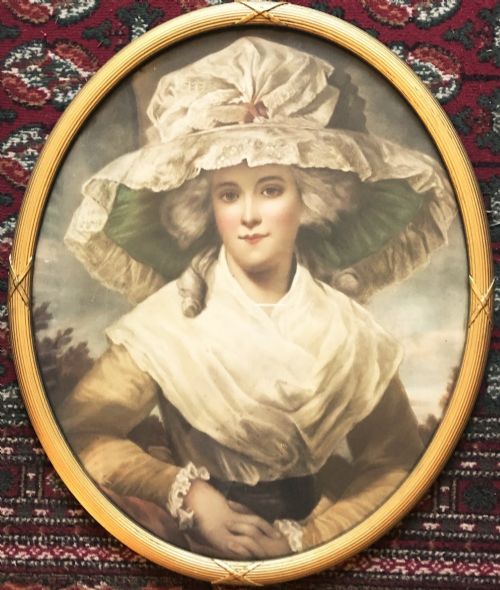
- Mezzotint
- A tonal method of engraving that allows half-tints and subtle gradations of shadow to emerge. It was frequently used for reproducing portraits and genre scenes in the eighteenth and nineteenth centuries.
- Watercolour
- Pigments ground in a water-soluble binder and applied to paper. These works rely on the white of the paper shining through translucent washes of colour.
Framed Country Prints: Frequently Asked Questions
How do I date a framed print?
Dating relies on the printing technique, the paper stock, and clues within the subject matter or publisher publication lines. Sporting prints often carry dates of original publication etched into the margin.
Secondary indicators include the style of the wood frame and the type of glass used. Georgian and Victorian framing methods differ noticeably from twentieth-century assembly.
Are these prints original works?
The page includes both unique original watercolours and oil paintings alongside published prints, lithographs and engravings. Many prints are period impressions produced after original paintings by notable artists.
Descriptions specify whether a piece is an original painting, a hand-coloured engraving, or a later reproduction print. Check the medium listed for each individual item.
How were country prints displayed?
In nineteenth-century homes, sporting prints and rural scenes hung in libraries, hallways, and dining rooms. They reflected the sporting pursuits and agricultural interests of the household.
Framing with glass protected the paper from soot produced by coal fires and candles. Pairs and sets of four were traditionally hung together in symmetrical arrangements.
Why do some prints have colour?
Many nineteenth-century engravings and lithographs were printed in monochrome and then finished by hand with watercolour washes. Colourists worked in workshops to add vibrant tones to sporting jackets, horses, and landscapes.
Original watercolours and oil paintings naturally possess full colour from the outset. Hand-colouring quality varies depending on the skill of the studio artisan.