





Regency Period Oil Painting
When you search for a regency period oil painting, you step into an era where portraiture and narrative canvases capture the character of the early nineteenth century.
Regency Period Oil Painting
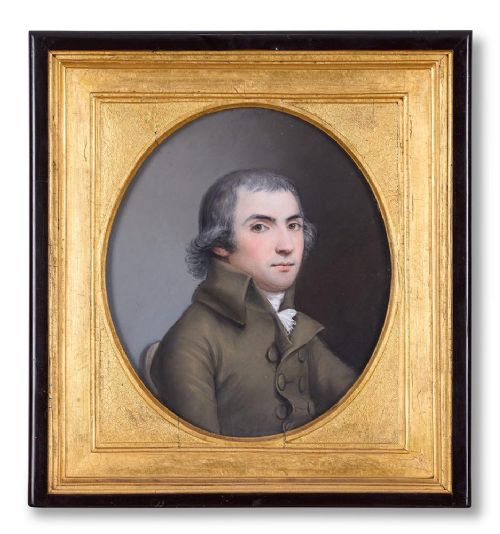
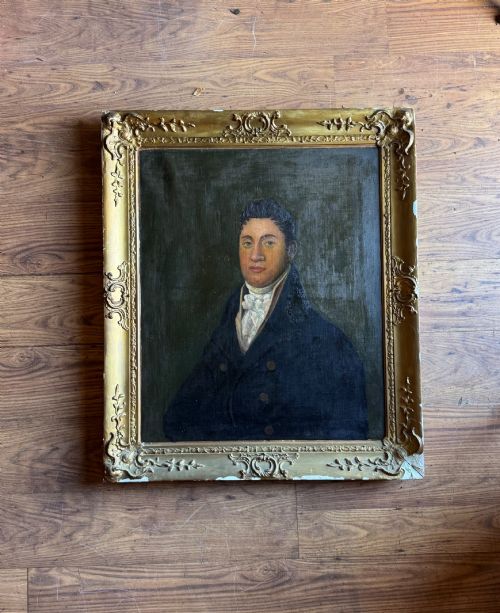
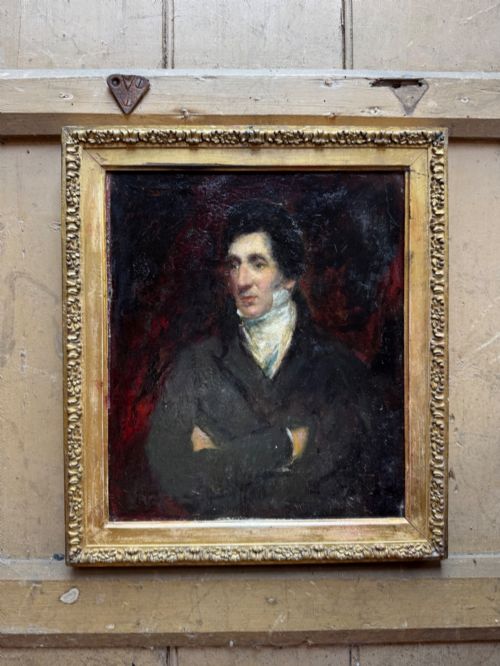
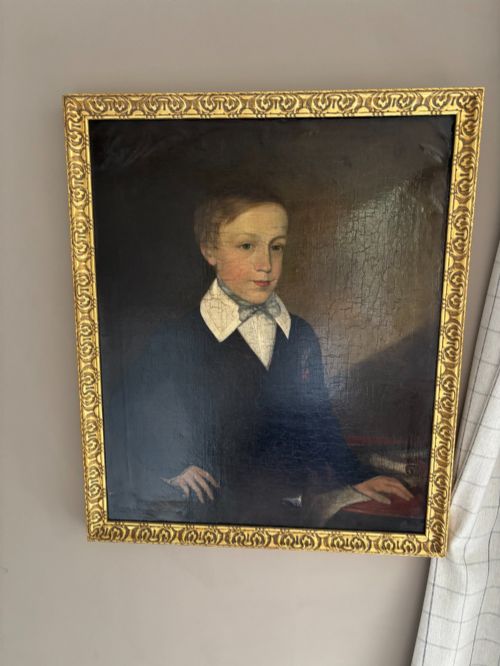
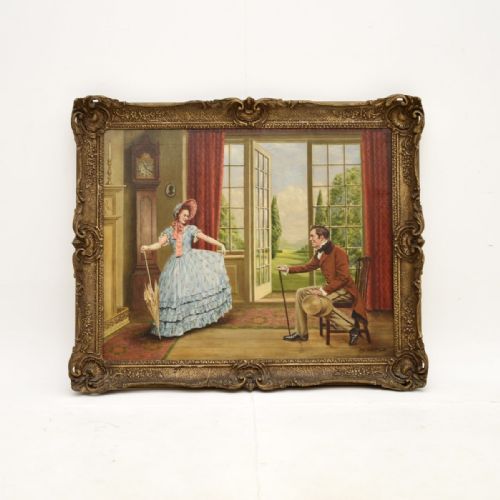
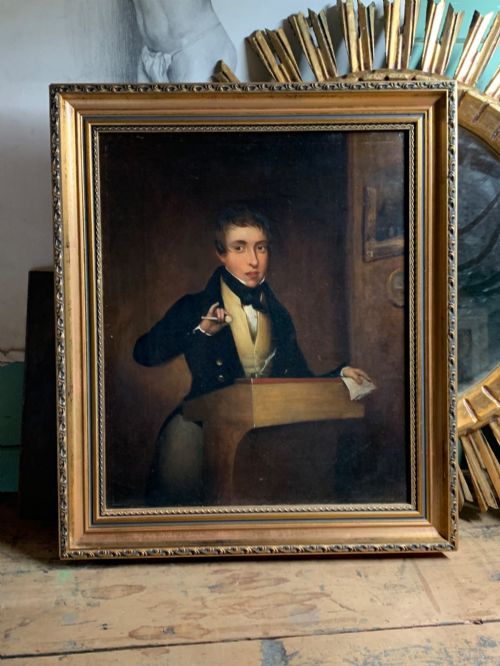
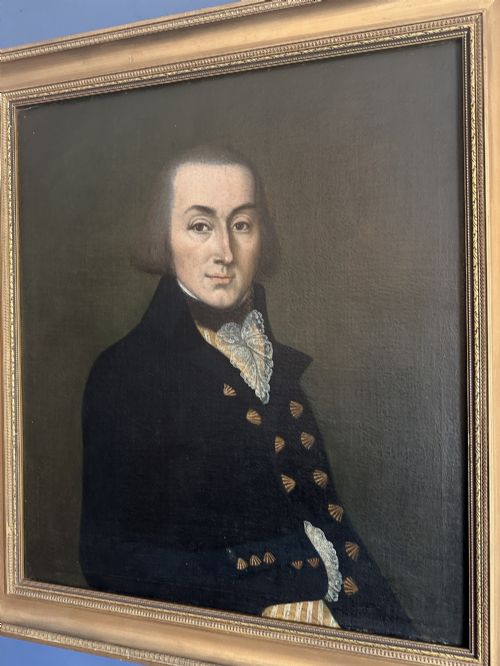
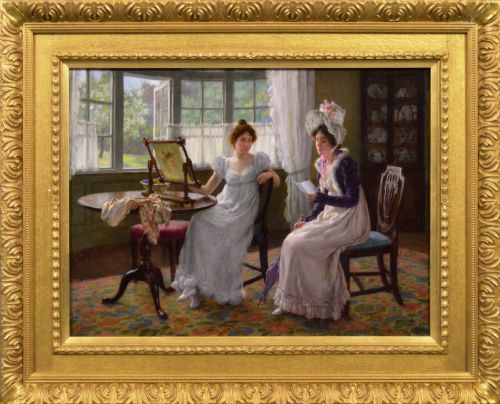
A regency period oil painting typically takes the form of a formal portrait, a domestic interior scene, or a coastal landscape created during the early decades of the nineteenth century. The examples you encounter on this page span British genre painting, English naive art, and Norwich School landscapes, alongside works shaped by the romanticism of the period.
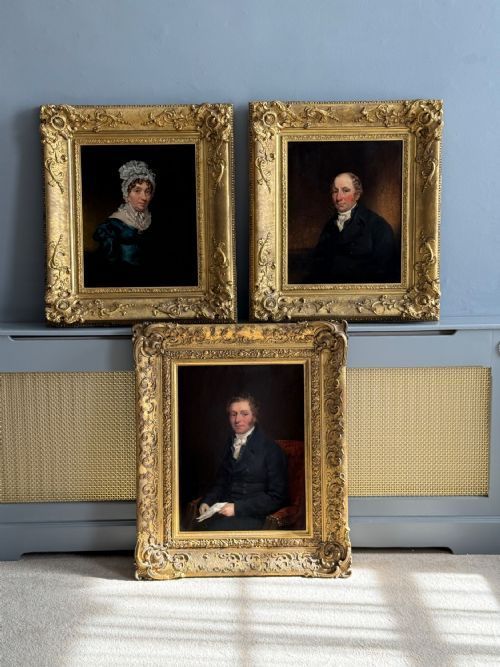
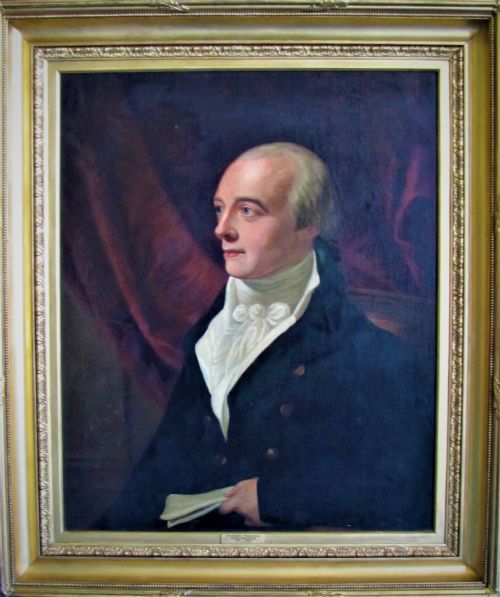
Portraits of sitters from gentlemen and children to literary figures dominate the selection, often housed in their original giltwood and gesso frames. Alongside these single works, pairs and sets of portraits provide a glimpse into family lineages and social standing of the era.
Materials and methods of the period
Artists of this era applied oil paint directly onto stretched canvas, wooden panels, or artists' boards to achieve depth and luminosity in their subjects. Canvasses were prepared with traditional grounds before receiving layers of pigment that captured the textures of silk dresses, lace, and feathered hats.
The presentation of these works relies heavily on carved giltwood and gesso frames, which complement the visual weight of the paintings. Surviving pieces often retain labels or inscriptions on the reverse that record the sitters and the provenance of the work.
Regency Period Oil Painting Retail Price Guide 2026
Typical asking prices for regency period oil painting among the pieces listed under this phrase on Sellingantiques today, from the lower quarter to the upper quarter. They describe what is for sale here now, not the wider market.
Listings span the eighteenth to nineteenth centuries, featuring works on canvas, wood panel, and board framed in giltwood and gesso.
Distinctions in quality and execution
The standard of a regency period oil painting rests upon the confidence of the brushwork, the accuracy of proportion in portraiture, and the retention of the original surface. Works by named royal academicians or established circle members display a finer command of light and psychological depth than anonymous school pieces.
The integrity of the canvas or panel and the preservation of the original gilt frame contribute substantially to the standing of a piece. Subtle details in clothing, background architecture, and facial expression separate standard commercial output from accomplished artistic achievement.
Joseph Clover RA·Sir Thomas Lawrence·Alfred Lyndon Grace·Charles Haigh Wood·Rolinda Sharples·Walter Dendy Sadler·Richard Cosway RA·Sir William Beechey·Henry Scott·Edward Bird RA·George Francis Joseph·Sir Henry Raeburn·John Russell RA·Samuel Lane·George Clint·George Henry Harlow·Samuel Drummond
The Regency Period Oil Painting Glossary
- Canvas
- A heavy woven fabric stretched across a wooden frame to form the primary support for oil paint. It provides a flexible texture that reacts to environmental shifts.
- Giltwood
- Wood carved and coated with gold leaf or a gold-coloured metallic finish to form ornate frames. This technique was standard for displaying significant art of the era.
- Gesso
- A plaster-like mixture applied to wooden panels or frame mouldings to create a smooth surface for gilding and painting. It forms a rigid base beneath the outer finish.
- Genre Painting
- The pictorial representation of scenes from everyday life, involving figures engaged in common activities. These works document domestic interiors and social gatherings.
- Norwich School
- A regional movement of painters inspired by the Norfolk landscape and Dutch masters. Members painted local scenery, windmills, and flatlands with atmospheric realism.
Regency Period Oil Painting: Frequently Asked Questions
How do I identify a regency period oil painting?
Look closely at the clothing styles, hairstyles, and framing techniques characteristic of the early nineteenth century. Sitters often wear high-waisted dresses, bonnets, or tailored coats typical of the Regency and Georgian eras.
Examination of the canvas, panel construction, and any inscriptions on the reverse can also provide clues regarding the date and origin of the artwork.
Were these paintings always framed in giltwood?
Many works from this era were housed in ornate giltwood and gesso frames designed to complement the interior aesthetics of the period. Original frames often remain paired with the canvas.
Over the centuries, however, some pieces may have been reframed to suit changing tastes or to protect damaged mouldings.
What subjects are most common in these works?
Portraiture forms the largest category, depicting individuals ranging from prominent lawyers and politicians to young children with toys or pets. Narrative genre scenes and coastal landscapes also appear among the works.
These subjects reflect the social interests and domestic priorities of patrons during the nineteenth century.
How should I care for an oil painting on canvas?
Keep the artwork away from direct sunlight, high humidity, and rapid temperature fluctuations to protect the canvas and paint layers. Dust the surface gently with a soft, dry brush without applying pressure.
Avoid using water or cleaning solvents on the paint surface, and consult a professional conservator if the canvas requires cleaning or structural repair.