
Regency Period Mahogany Cabinet
These regency period mahogany cabinet pieces offer serious presence and practical storage, combining rich timber with classical proportion.
Regency Period Mahogany Cabinet
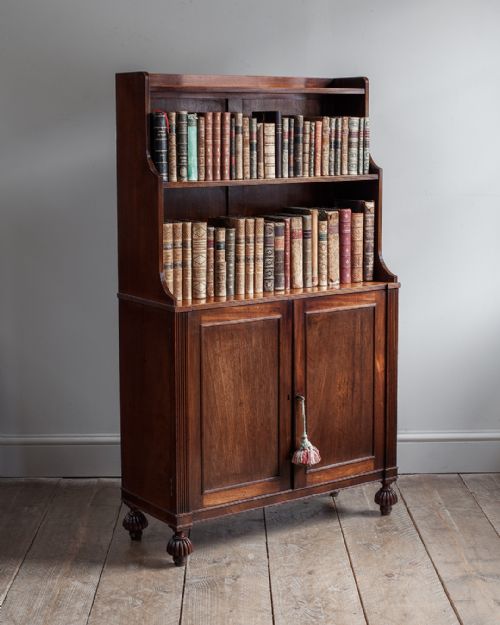
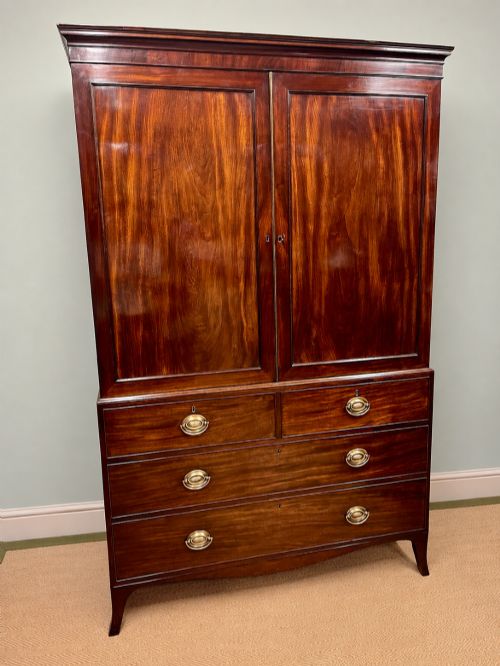
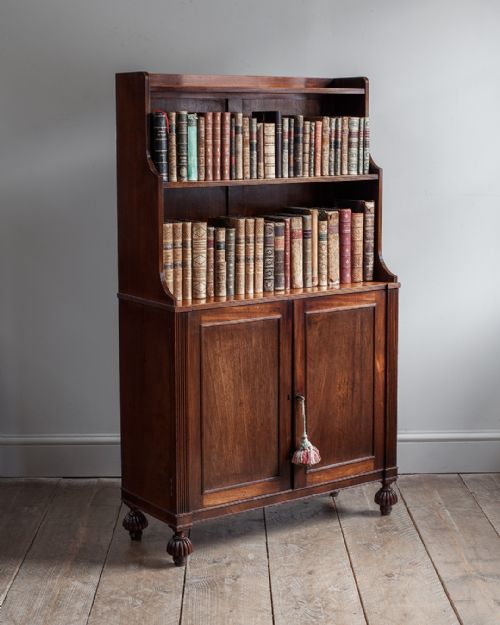
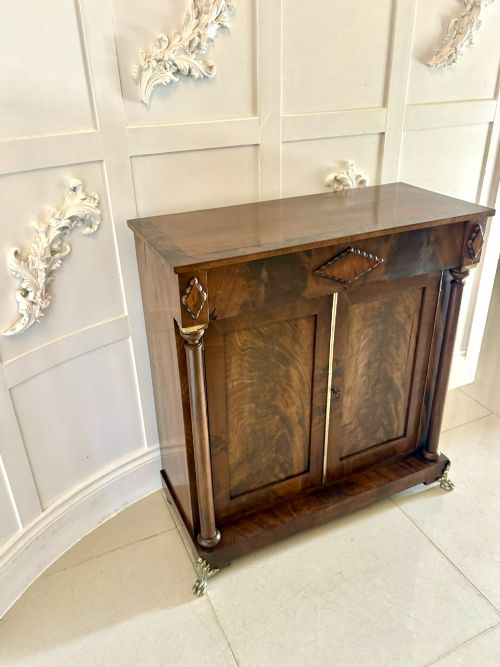
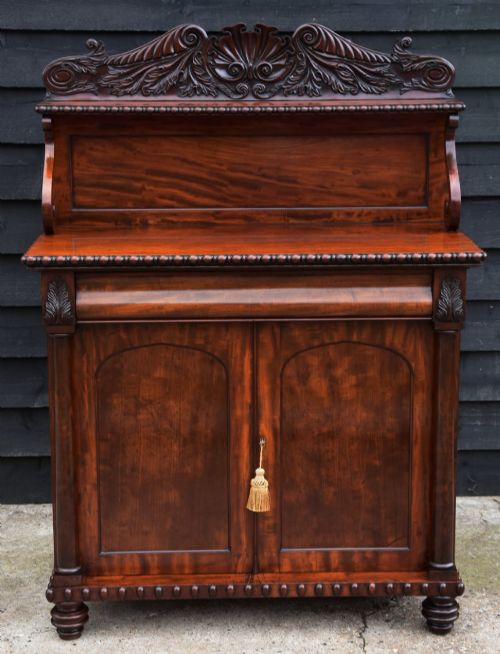
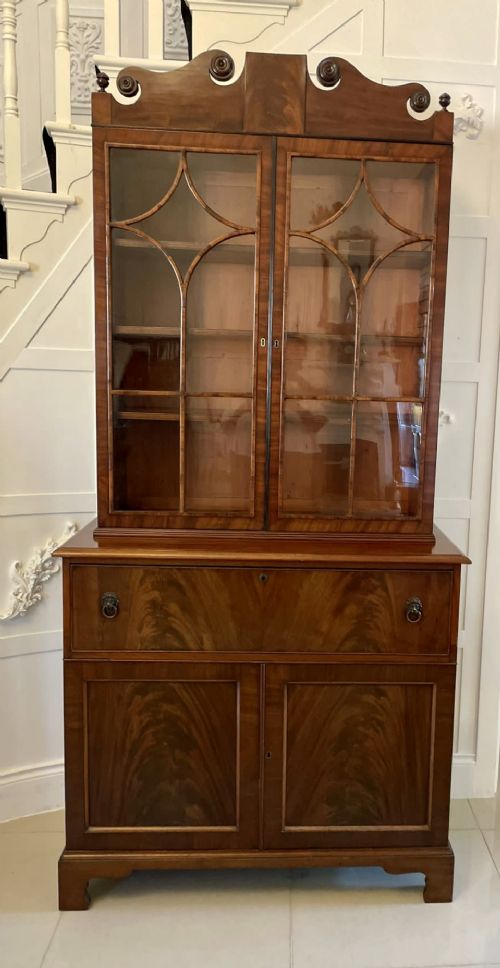
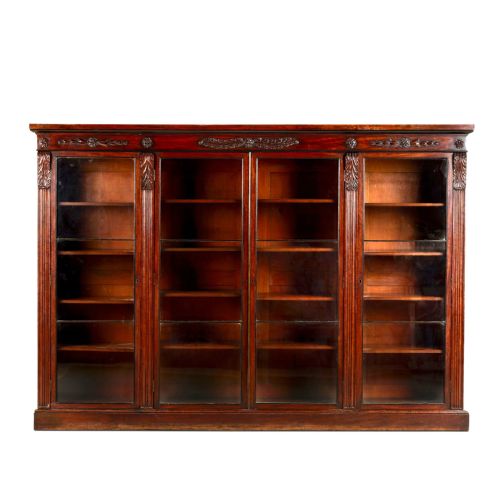
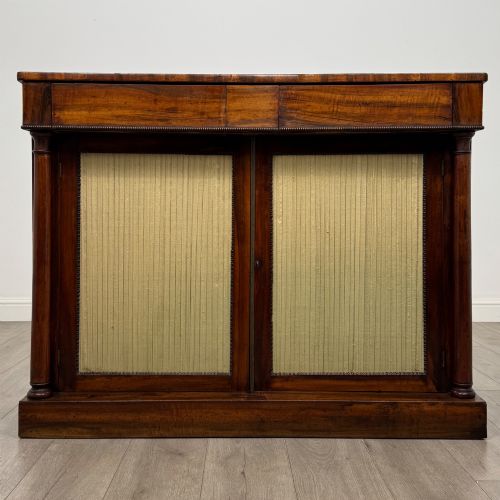
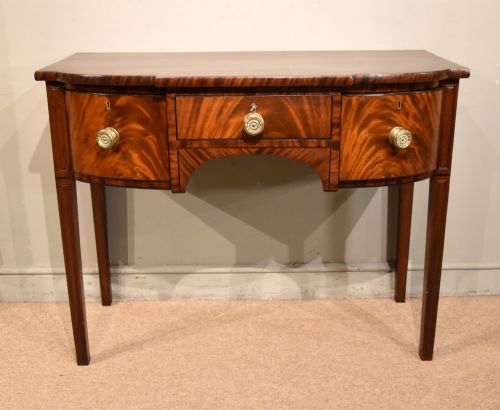
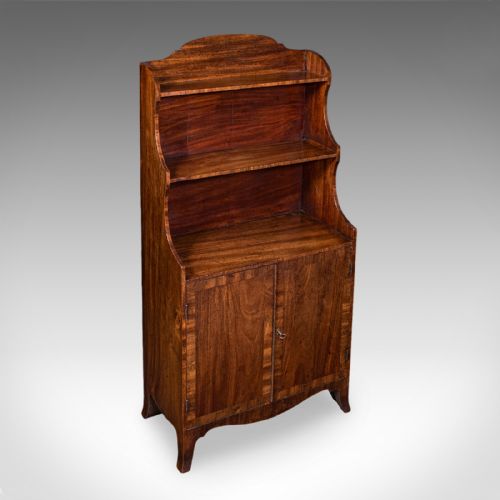
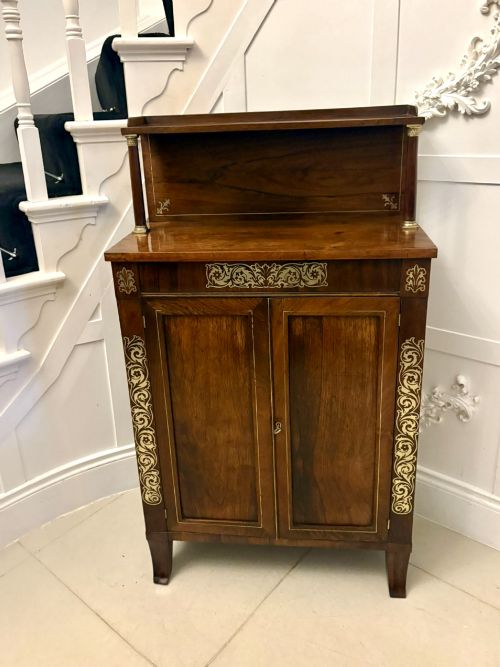
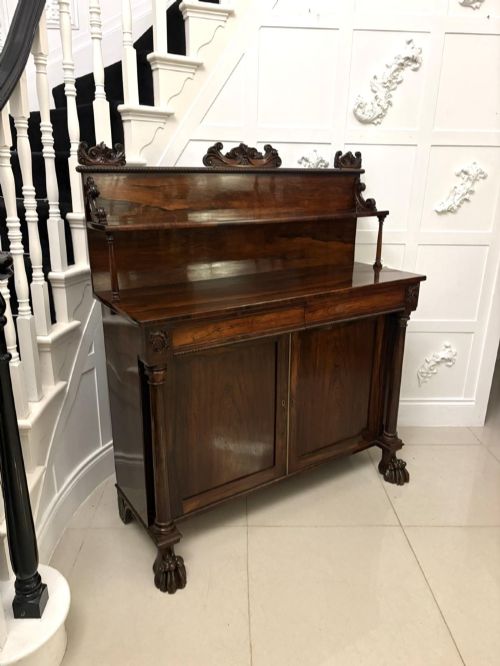
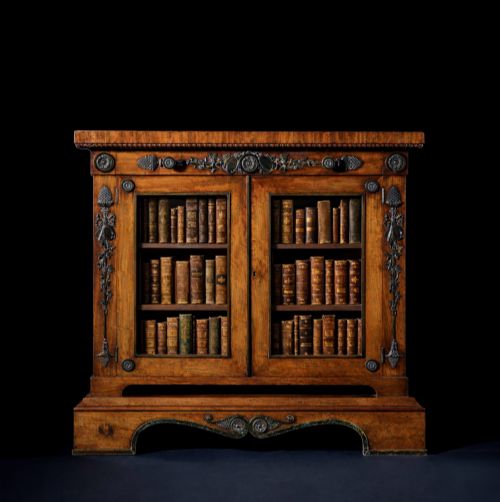
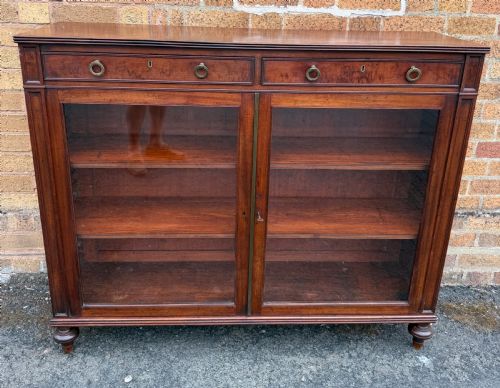
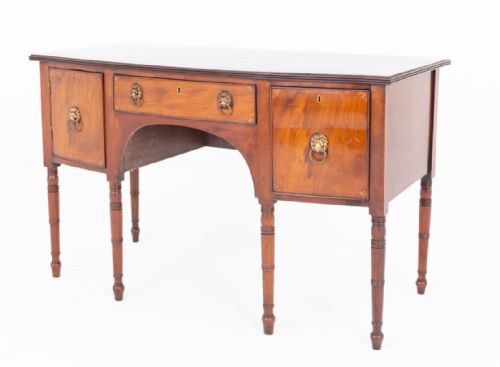
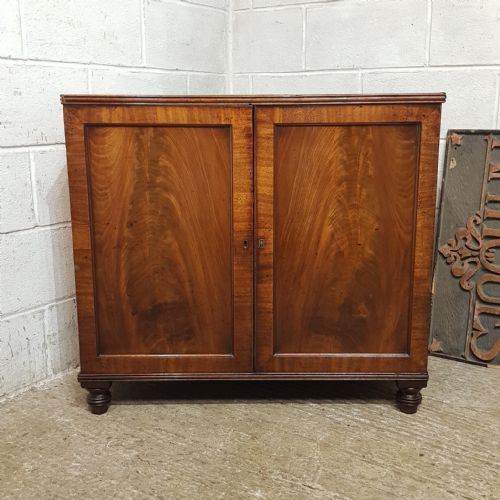
A regency period mahogany cabinet brings classical British design into domestic spaces through varied forms like chiffoniers, bookcases, and side cabinets. The search for a regency period mahogany cabinet reveals pieces spanning the Regency, George III, George IV, and broader nineteenth-century periods. These items originate from workshops producing everything from compact bedside cupboards to large breakfront bookcases and linen presses.
Bookcases and chiffoniers dominate the selection, often featuring glazed doors, open shelving, or lower cupboards enclosed by panelled wood. Buyers frequently encounter low side cabinets and chests of drawers that reflect the architectural tastes of the early nineteenth century. Sideboards and secretaire variants add writing surfaces and specialised storage to the mix.
Timber selection defines the visual weight of these pieces, with solid mahogany supplemented by figured and flame mahogany veneers. Workshops utilised oak for secondary framing and incorporated brass details such as grilles and mounts. Occasional examples integrate marble tops or subtle ebony inlay to accent the primary mahogany grain.
Materials and Construction
Cabinetmakers built the structural carcases using dense mahogany and sturdy oak for internal framing and drawer linings. Flame mahogany and figured veneers were carefully sliced and laid over secondary timbers to create striking patterned surfaces on doors and drawer fronts.
Metal components played a dual role in structure and decoration, utilising cast brass for handles, escutcheons, and protective grilles on bookcase doors. Glass panes were hand-blown or cylinder-drawn, fitted into delicate wooden glazing bars that divided the upper display sections.
Plum pudding mahogany surfaces offer a mottled, spotted grain texture reminiscent of traditional British steamed desserts.
Distinctions in Standard
The degree of refinement in timber selection separates standard items from exceptional examples, particularly where symmetrical flame mahogany veneers wrap across entire cabinet fronts. Superior pieces display meticulous attention to proportion, where classical architectural details like pilasters, cornices, and brass mounts integrate harmoniously with the primary form.
Internal construction reveals the maker's hand through secondary woods, dovetail precision in drawer joints, and the retention of original hardware such as brass locks and keyplates. Pieces retaining their original glass, marble tops, and internal shelving command greater appreciation for their unaltered state.
Gillows of Lancaster·George Simpson
The Regency Period Mahogany Cabinet Glossary
- Chiffonier
- A low sideboard or cabinet featuring enclosed shelving below, often surmounted by a raised superstructure with shelves. This form became popular during the Regency period for dining and drawing rooms.
- Secretaire
- A cabinet or chest incorporating a fitted pull-down writing drawer that conceals small drawers and pigeonholes. It merges desk functionality with concealed storage.
- Breakfront
- A piece of furniture where the central section projects forward from the flanking wings. This architectural layout creates depth and visual rhythm in large bookcases and sideboards.
- Linen Press
- A tall double-door cupboard containing sliding trays or shelves originally designed for storing folded textiles. Lower sections frequently incorporate chest of drawers configurations.
- Flame Mahogany
- A veneer cut from timber where the branch junctions meet the main trunk, producing a fiery, feather-like grain pattern. Cabinetmakers reserved this decorative wood for prominent display surfaces.
Regency Period Mahogany Cabinet: Frequently Asked Questions
What is a chiffonier cabinet?
A chiffonier is a low compact cabinet featuring lower cupboard doors, often paired with a small shelf superstructure on top. They served practical storage needs in nineteenth-century dining and living spaces.
These pieces provide convenient surface space alongside enclosed shelving, making them versatile for modern rooms requiring traditional character.
How do I identify a Regency bookcase?
Regency bookcases display classical architectural proportions, clean lines, and often incorporate brass grilles or glazed panel doors. They frequently use figured mahogany timber with minimal carved ornamentation.
Open waterfall variants and taller breakfront library pieces represent the primary formats found from this era.
What timber was used for these cabinets?
Primary surfaces utilise solid mahogany or decorative flame mahogany veneers applied over stable secondary woods like oak. Cabinetmakers selected these dense timbers for their rich colour and durability.
Accents of ebony inlay, bronze mounts, and brass wire grilles frequently complement the dark mahogany body.
Where were side cabinets placed?
Side cabinets were designed for dining rooms, halls, and drawing rooms to store table linen, china, or writing materials. Their modest depths allowed them to fit against walls without obstructing walkways.
Today, they function well as credenzas, media units, or hallway storage pieces.