



Regency Period China
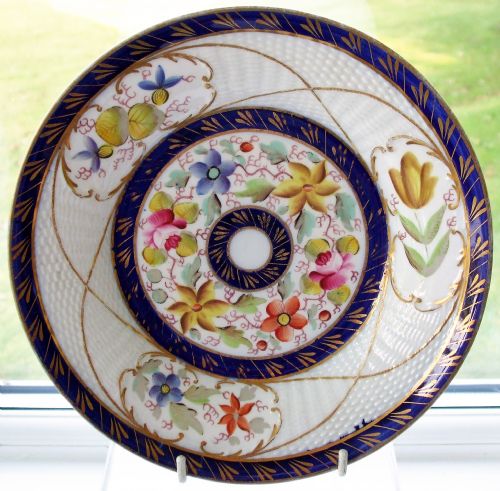
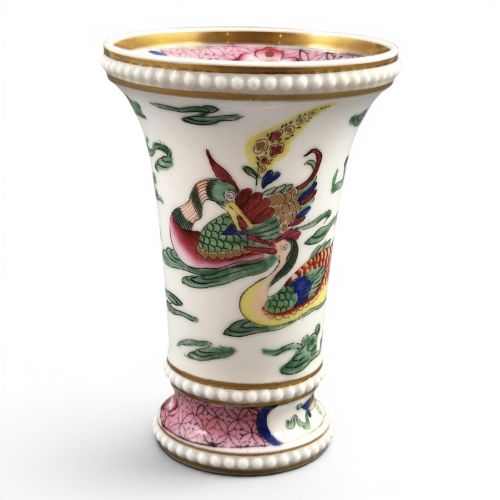
Regency period china comprises refined porcelain and earthenware table services, decorative plates, and cabinet cups produced during the early nineteenth century.
Regency Period China
When searching for regency period china, collectors encounter domestic ceramics produced under Georgian, Regency, and early nineteenth-century influences. These encompass teacups and saucers, dessert services, serving dishes, and cabinet cups made by notable English and continental factories.
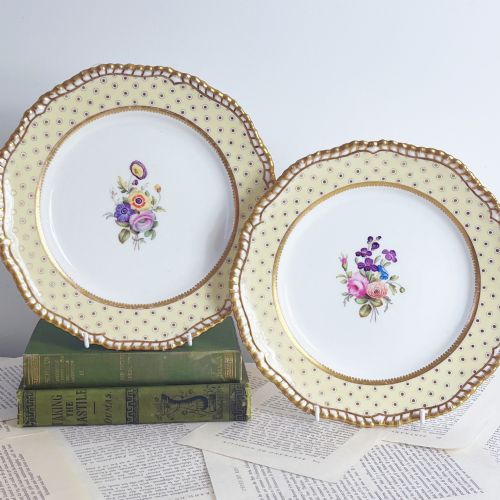
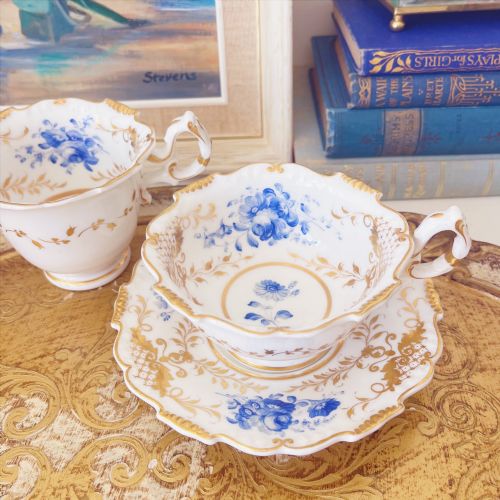
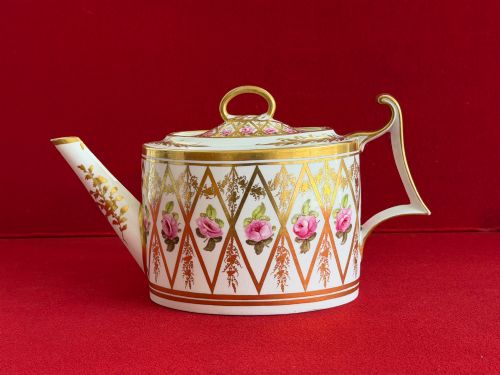
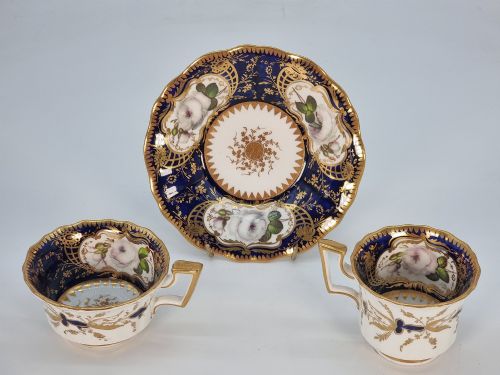
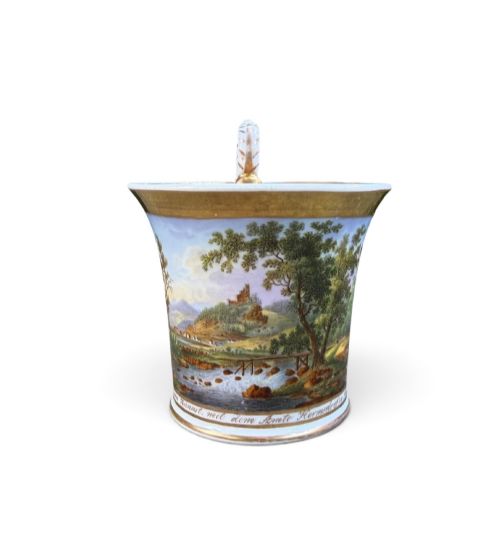
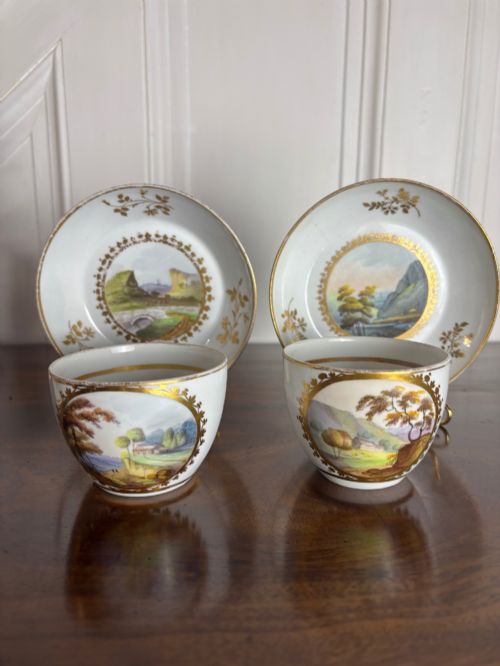
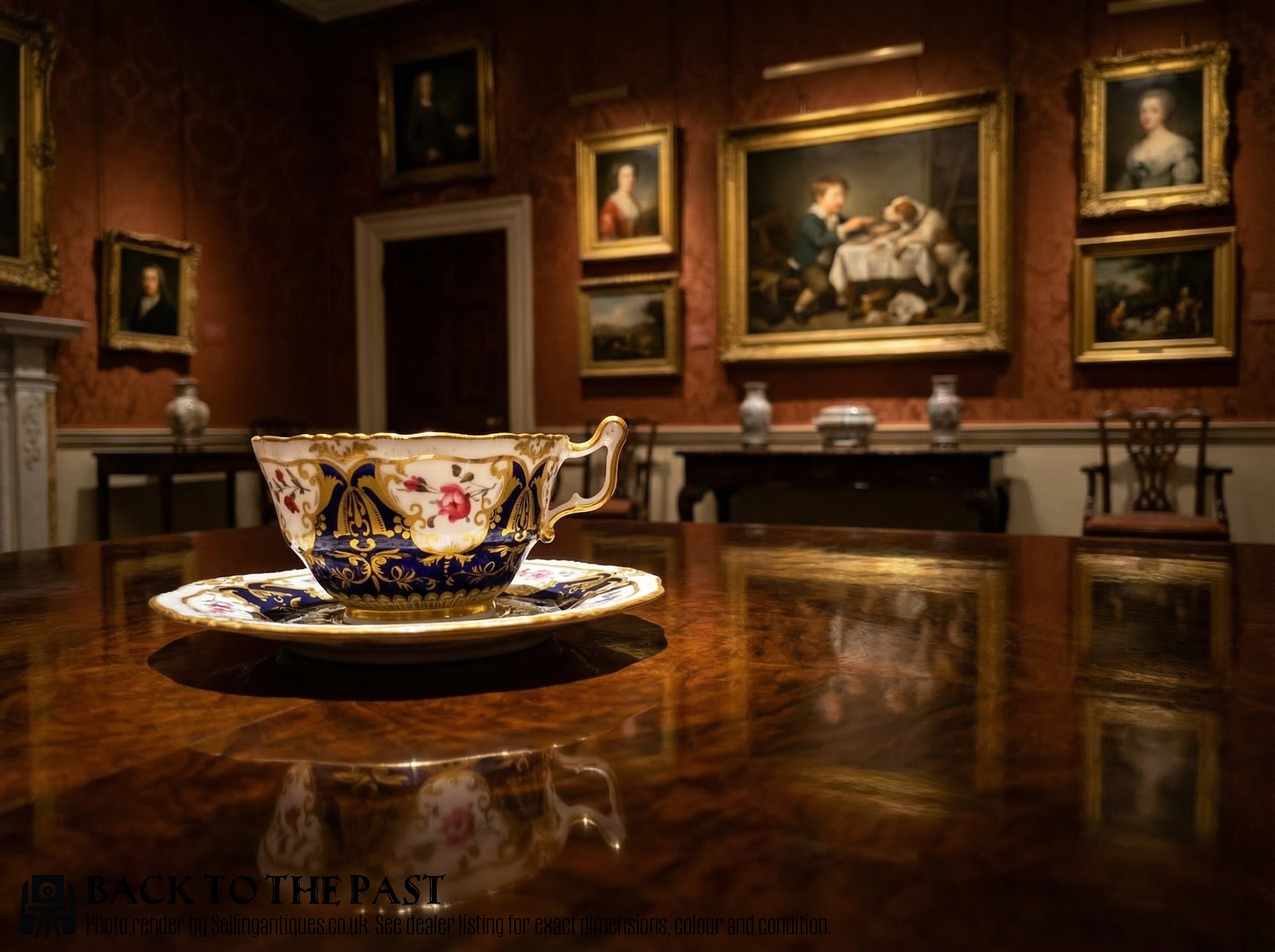
The objects most frequently met on this page include teacups, saucers, and dessert plates from makers such as Spode, Worcester, and Derby. Forms range from utilitarian teapots and sauce tureens to topographical cabinet cups and elaborate display pieces.
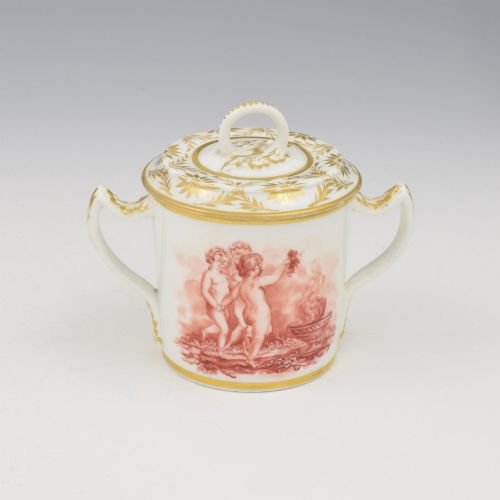
Many examples date between eighteen hundred and eighteen thirty, bridging late Georgian taste and early Victorian manufacturing. The aesthetic leans toward neoclassical motifs, botanical illustrations, and handpainted landscapes executed in rich enamel palettes.
How they were made
Potters utilised porcelain, bone china, earthenware, and ironstone as the primary bodies for these wares, shaping them on wheels or pressing them into moulds. Glaze was applied to seal the surface before secondary firing.
Decoration relied heavily on handpainting, transfer printing, and gilding with gold leaf. Artisans painted botanical studies, topographical views, and armorial crests directly onto the glazed ceramic body.
Listings feature porcelain, bone china, and ironstone from nineteenth-century periods including Regency and Georgian.
What varies in quality
Quality depends upon the fineness of the ceramic body, the precision of the moulding, and the skill evident in the handpainted enamel work. Superior pieces display crisp relief moulding, balanced proportions, and detailed brushwork by named or attributed artists.
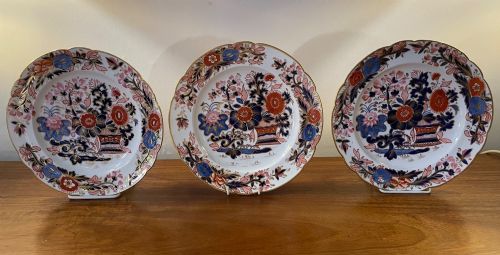
The execution of gilding and the complexity of patterns, such as Imari palettes or topographical scenes, separate standard production items from exhibition-grade cabinet pieces. Early nineteenth-century factories maintained distinct tiers of output for everyday dining versus formal display.
Spode·H & R Daniel·Derby Porcelain·Coalport·Berlin porcelain·Minton·New Hall Porcelain·Flight Barr & Barr·Chamberlain Worcester·Yates·Ridgway·Wedgwood·Duesbury & Kean·Barr Flight & Barr·Mason's Ironstone
The Regency Period China Glossary
- Bone china
- A type of porcelain incorporating bone ash, yielding a durable, whiter body capable of thin wall sections. This material became standard among English factories during the early nineteenth century.
- Cabinet cup
- A decorative cup intended for display in a cabinet rather than functional tea service. These pieces frequently feature topographical paintings or elaborate gilding.
- Imari palette
- A decorative scheme employing underglaze blue, iron red, and heavy gilding, inspired by Japanese export porcelain. Regency factories adapted this style for dessert services and tea trios.
- Transfer printing
- A mechanical method of applying complex designs to ceramics using engraved copper plates and tissue paper. This technique allowed intricate blue and white patterns to be produced consistently.
- Felspar
- A flux material introduced by Spode to improve the strength and translucency of porcelain bodies. Wares utilising this composition carry distinct proprietary designations.
Regency Period China: Frequently Asked Questions
How do I identify Regency china?
Examine the form, decorative motifs, and ceramic body for characteristics typical of the early nineteenth century. Neoclassical shapes, botanical painting, and specific factory patterns offer reliable chronological clues.
Compare the piece against known factory marks and historical styles from the Georgian and Regency eras to confirm the manufacturing period.
What is a tea and coffee trio?
A tea and coffee trio consists of a matching teacup, coffee cup, and saucer designed for nineteenth-century entertaining. These sets allowed hosts to serve different hot beverages using cohesive tableware.
Such trios often feature handpainted landscapes, floral arrangements, or elaborate gilt borders executed by factory artisans.
How were serving dishes used?
Serving dishes and entrée dishes functioned during formal nineteenth-century dining for presenting courses at the table. Covered tureens kept food warm between the kitchen and the dining room.
These utilitarian items frequently received the same artistic attention as cabinet pieces, featuring handpainted scenes or moulded handles.
Can I use antique tea sets?
Using antique porcelain requires caution due to the delicate nature of early nineteenth-century glazes and fragile handle attachments. Hand washing is essential to preserve handpainted enamels and gold leaf.
Many collectors prefer to display these ceramics rather than subject them to modern dining use.