



Blue White Ceramic Cup
A blue white ceramic cup brings centuries of refined table rituals straight to your morning tea.
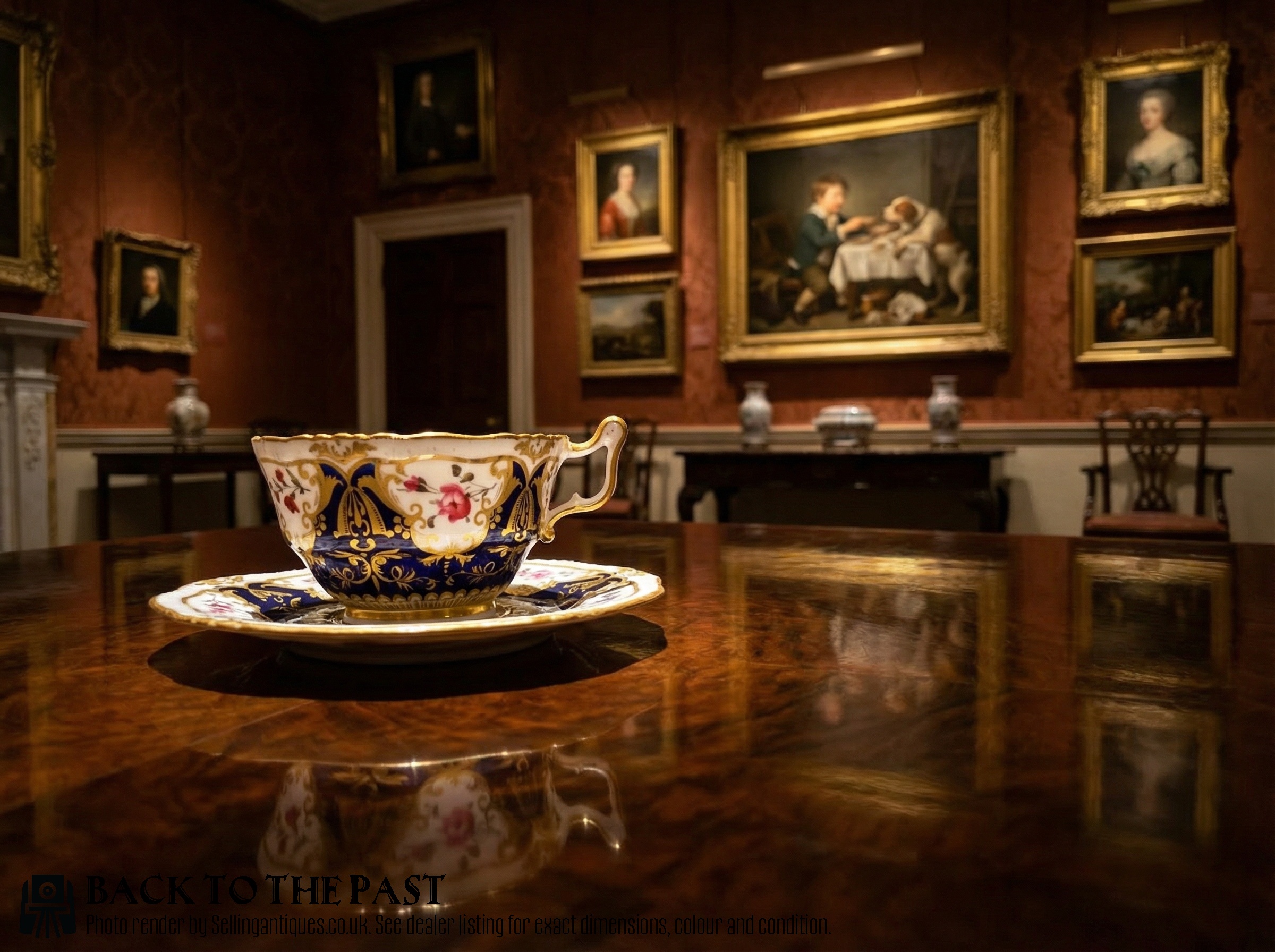
Blue White Ceramic Cup
A blue white ceramic cup takes many traditional forms, from delicate tea bowls and saucers to sturdy pint tankards and posset pots. Buyers encounter pieces spanning the eighteenth century, the nineteenth century, and the Georgian and Victorian eras, originating from English potteries and Asian kilns alike.
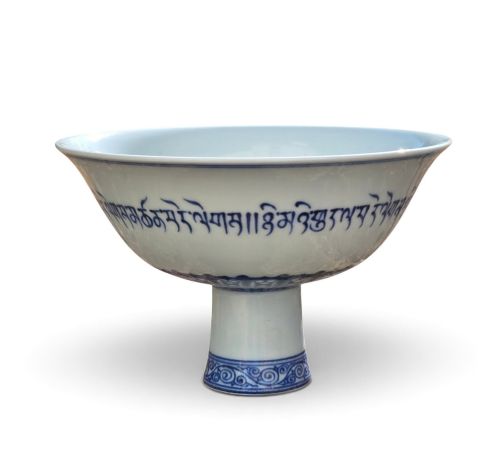
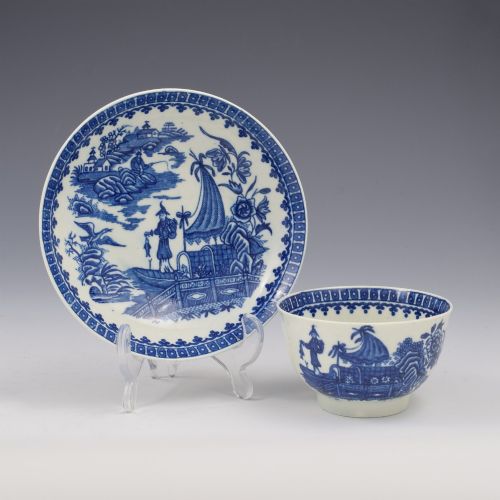
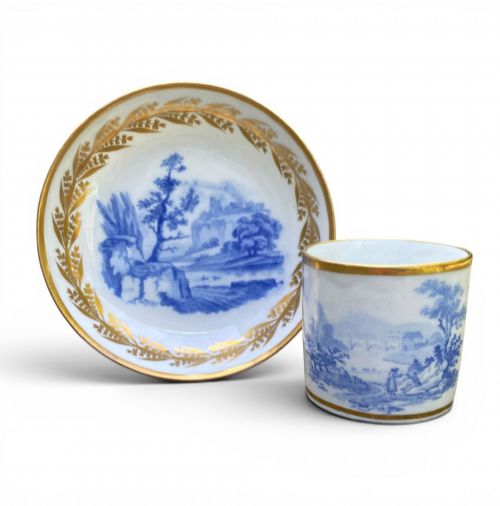
Early examples include tea bowls from Worcester and Lowestoft, alongside Chinese imperial stem cups and Japanese wine cups. Later nineteenth century pieces encompass transfer-printed mugs, coffee cans, and complete porcelain tea sets.
Makers such as New Hall, Copeland, Coalport, Yates, and Minton appear alongside unmarked Chinese and English ceramics. The selection balances domestic creamware and earthenware with fine soft-paste porcelain and hard-paste porcelain.
Materials and Techniques
Potters shape these vessels using porcelain, soft-paste porcelain, earthenware, and glaze. Cobalt underglaze provides the foundational blue pigmentation on porcelain bodies, while enamel colours and gilding add supplementary decoration.
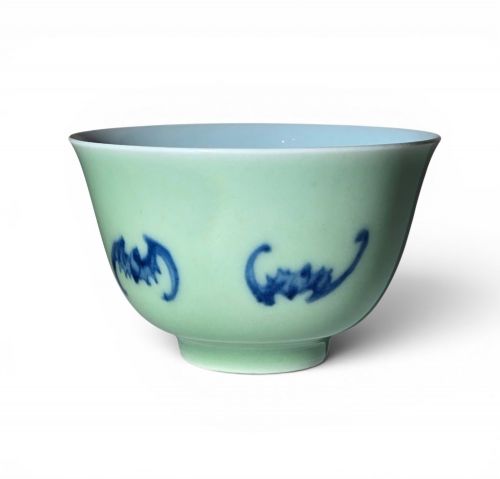
Transfer printing techniques appear alongside hand-painted Chinese figures, Mandarin patterns, and moulded chrysanthemum designs. Celadon grounds and doucai-style decoration further demonstrate the variety of kiln techniques employed across periods.
Blue White Ceramic Cup Retail Price Guide 2026
Typical asking prices for blue white ceramic cup among the pieces listed under this phrase on Sellingantiques today, from the lower quarter to the upper quarter. They describe what is for sale here now, not the wider market.
Quality and Craftsmanship
The fineness of the porcelain body and the precision of the cobalt underglaze painting distinguish superior examples. Crisp moulding and delicate potting show greater skill than heavier earthenware production.
The clarity of transfer printing and the deliberate application of enamel and gilding separate standard production wares from pieces made for specific institutions or imperial commissions.
New Hall·Copeland·Coalport·Yates·Minton·Lowestoft·Worcester
The Blue White Ceramic Cup Glossary
- Soft-Paste Porcelain
- A vitreous ceramic material composed of white clay and glass frit, fired at lower temperatures than true hard-paste porcelain. English factories utilised this body extensively during the eighteenth century.
- Cobalt Underglaze
- A blue metallic pigment applied to the unfired ceramic body before glazing and firing at high temperatures. This technique ensures the blue decoration remains permanent beneath the glassy surface.
- Tea Bowl
- A small, handleless drinking vessel designed for tea before the general adoption of handled cups in the West. They appear frequently in eighteenth-century sets alongside matching saucers.
- Chinoiserie
- European artistic styles reflecting Chinese motifs and decorative schemes, popular on eighteenth-century porcelain. Painters adapted these fantastical landscapes and figures onto tea bowls and coffee cups.
- Transfer Printed
- A decoration method using an engraved copper plate to transfer a printed pattern onto paper, which is then stamped onto the ceramic body. This allowed consistent mass production of complex designs on nineteenth-century mugs and tea wares.
Blue White Ceramic Cup: Frequently Asked Questions
How do I date an antique teacup?
Examination of the paste, glaze, and base reveals the manufacturing period. Eighteenth-century pieces often display soft-paste bodies and hand-painted cobalt underglaze, whereas later nineteenth-century items introduce transfer printing and distinct factory marks.
Shape and handle design also provide clues. Early tea bowls lack handles entirely, while later Georgian and Victorian cups introduce coffee cans, tankards, and matched saucers.
What is the difference between porcelain and earthenware?
Porcelain is a dense, vitrified ceramic made from specific clays that fire at high temperatures to become translucent. Earthenware uses coarser clays, resulting in an opaque, more porous body.
Many English factories utilised soft-paste porcelain during the eighteenth century before adopting harder ceramic formulas. Earthenware remains common in heavier vessels like pint tankards and posset pots.
Can I use these cups for drinking tea?
Most buyers choose to display these fragile antique ceramics rather than use them daily. Eighteenth-century soft-paste porcelain and early earthenware are sensitive to thermal shock and modern detergents.
Hand-washing with care is essential for pieces with delicate enamel or gilding. Many collectors prefer to enjoy them as cabinet pieces or decorative tea wares.
Why do some cups lack handles?
Early tea drinking customs in Europe followed Asian traditions where small bowls were held directly in the hands. Eighteenth-century tea bowls deliberately omitted handles to maintain this traditional form.
As tea sets evolved into the nineteenth century, handles became standard on coffee cans, teacups, and tankards. Saucers remained part of the set to catch drips and cool the hot beverage.