


Regency Paper Silhouette Art
Regency paper silhouette art captures the sharp profiles and delicate hand-cut portraits that defined an era of portraiture before photography.
Regency Paper Silhouette Art
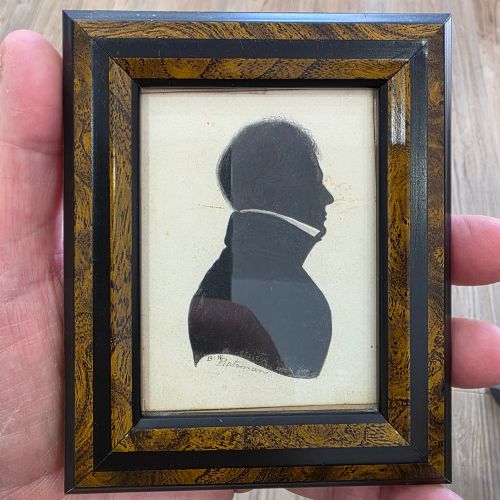
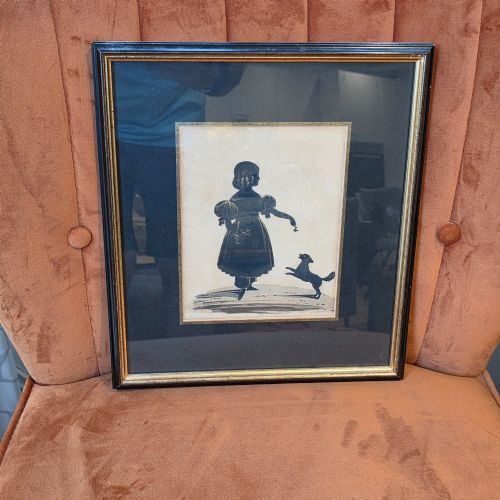
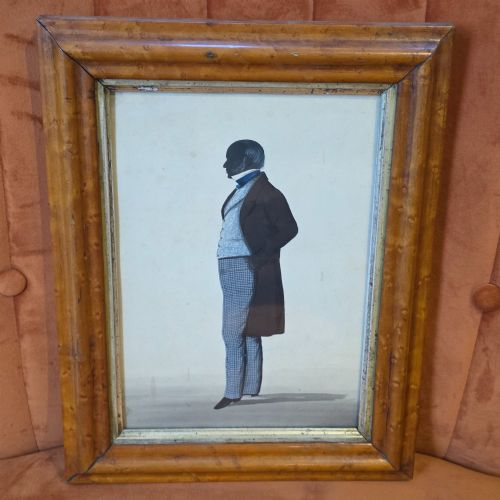
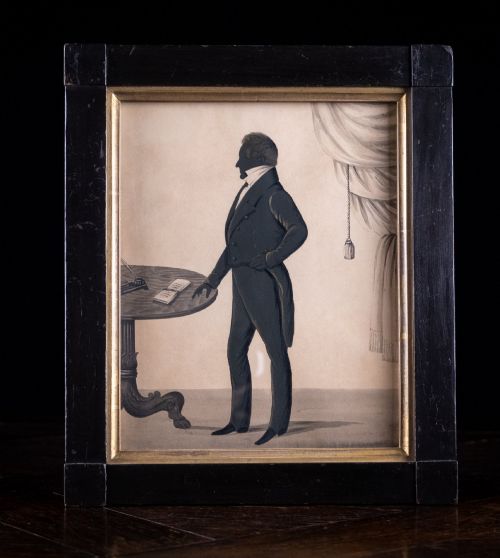
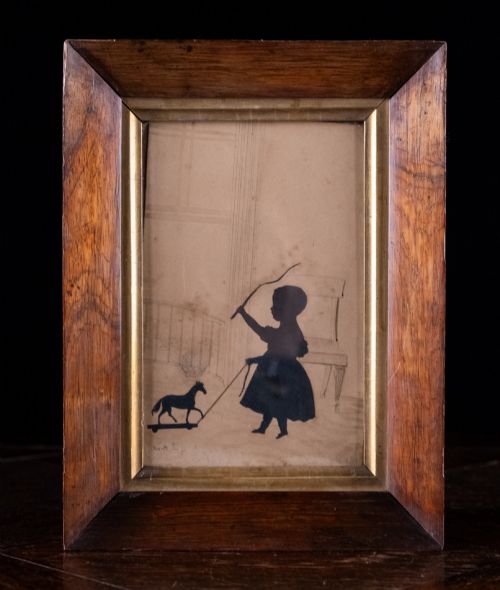
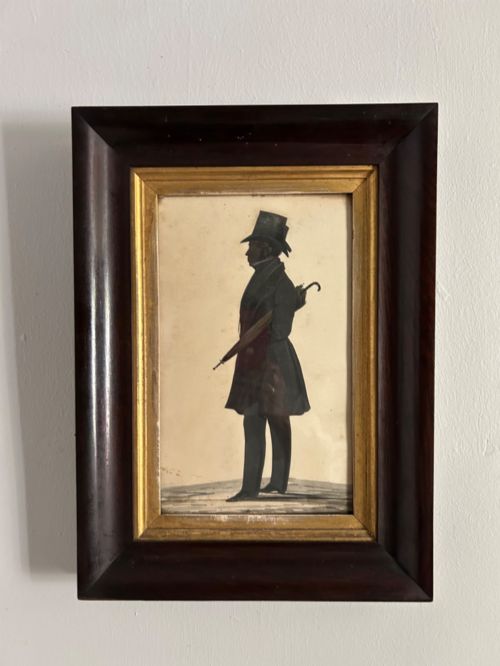
Regency paper silhouette art comprises hand-cut profile portraits and framed pictures created during the nineteenth century, including the Regency and Georgian periods. These works capture likenesses of gentlemen, ladies, children, and animals through direct paper cutting or ink work.
Collectors frequently encounter framed wall art, silhouette portraits, and miniature portraits housed in wooden frames like maple or ebony. The subjects range from single figures to group scenes featuring girls, dogs, and horses.
The pieces on this page span the 18th century, 1800, the Regency era, and early Victorian times, showing both simple cut paper and detailed gilded additions.
How they were made
Makers constructed regency paper silhouette art using paper, ink, and glass, often mounting the cut paper against a contrasting background. Many examples incorporate gold leaf and gilding to highlight collars, bonnets, and dress details.
Artists housed these fragile works inside wooden frames, utilising materials such as maple, ebony, and brass fittings to protect the paper and glass assemblies.
Several silhouettes immortalise cherished family pets, proving that nineteenth-century households loved their dogs and horses just as much as we do.
What varies in quality
The choice of framing and embellishment also sets pieces apart, as gilded highlights and figured maple frames elevate a standard portrait into a decorative object.
William James Hubard·Augustin Edouart·Frederick Frith·George Atkinson·John Smith of Edinburgh
The Regency Paper Silhouette Art Glossary
- Silhouette
- A portrait represented as a solid shape of a single colour, usually black, showing the profile of a subject. This form gained immense popularity before the invention of photography.
- Cut Paper
- A technique where artists snip paper with scissors or blades to form a likeness rather than drawing or painting it. The resulting silhouette relies entirely on clean outer contours.
- Gilded Silhouette
- A paper profile enhanced with gold leaf applied by hand to accent clothing, jewellery, or hair. This technique adds brightness and contrast to the dark paper form.
- Regency
- The period in British history from 1811 to 1820, though the style extends broadly across the early nineteenth century. Works from this era often feature distinctive costume details like turban caps and high-collared coats.
Regency Paper Silhouette Art: Frequently Asked Questions
How do I identify a genuine period silhouette?
Examine the materials used in the backing, paper, and framing, as nineteenth-century pieces display specific ageing characteristics in the paper and mounting.
Look closely at the execution of the cutting or painting to determine if the handwork matches documented methods of the period.
Where should I hang these framed silhouettes?
Display these works away from direct sunlight to prevent the paper and any ink or watercolour from fading over time.
Group smaller portrait silhouettes together on a wall to create a traditional gallery effect that suits their scale.
How do I care for framed paper silhouettes?
Keep the pieces in stable indoor humidity conditions to protect both the antique wooden frames and the enclosed paper.
Avoid opening sealed antique frames, as the original glass and backing papers contribute to the historical integrity of the object.