



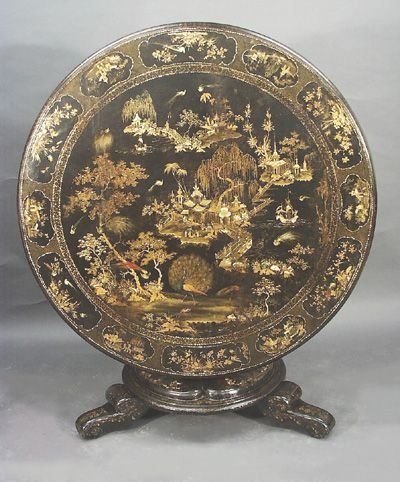


Regency Painted Tea Table
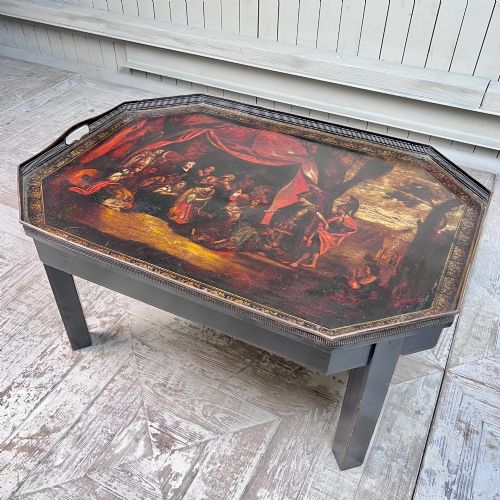
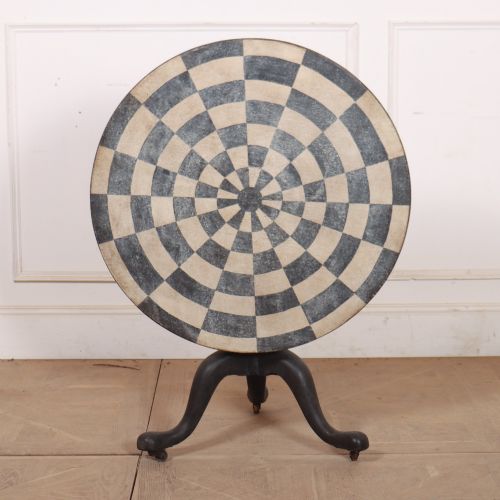
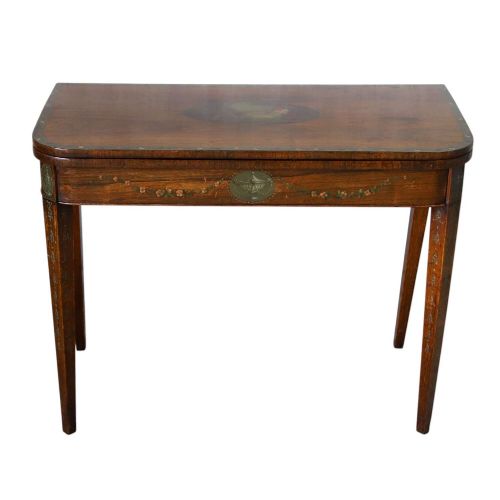
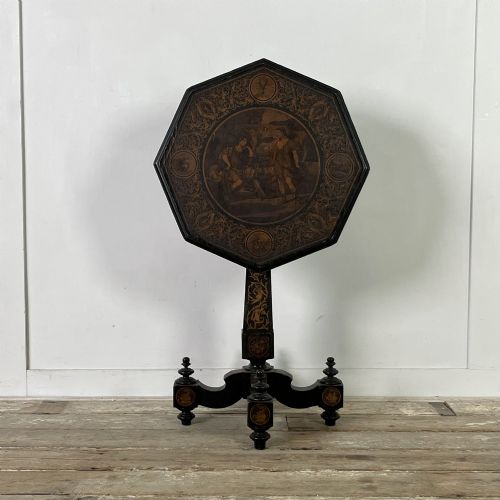
A regency painted tea table brings hand-decorated surfaces and graceful proportions into a room, offering both a functional tea service platform and a striking decorative centrepiece.
Regency Painted Tea Table
When searching for a regency painted tea table, you encounter diverse forms ranging from traditional folding card tables and pembroke designs to versatile tray tables resting on folding stands. The selection spans the 18th century, the Regency period proper, and later 19th-century interpretations, capturing varied expressions of English cabinet-making and decorative arts.
How they were made
Makers utilised traditional timbers such as rosewood and satinwood alongside papier-mâché and metal toleware to construct the foundational surfaces. These substrates were then prepared for intricate hand painting, often incorporating gold leaf and gilt highlights to accentuate the decorative schemes.
Surface decoration frequently involved lacquerwork and detailed ink work, showcasing the specialised skill required to render delicate figures, landscapes, and botanical scenes onto furniture. Stands were typically fashioned from wood with brass fittings, designed either as fixed tripods or folding supports to hold the removable trays.
Regency Painted Tea Table Retail Price Guide 2026
Typical asking prices for regency painted tea table among the pieces listed under this phrase on Sellingantiques today, from the lower quarter to the upper quarter. They describe what is for sale here now, not the wider market.
Listings feature pieces spanning the 18th century, the 19th century, and the early 1900s, constructed from wood, papier-mâché, and toleware.
What varies in quality
The distinction between standard examples and the finest work lies in the execution of the hand-painted decoration and the crispness of the surrounding joinery. Superior pieces display masterwork brushwork and original pigment preservation, whereas lesser items may show heavy restoration or later embellishments applied to older timber bases.
Material selection also dictates standing, with documented makers using robust papier-mâché or choice woods like satinwood and rosewood. The integration between the top and its support - whether a fitted tilt mechanism or a stable folding stand - reveals the original maker's investment in both utility and durability.
Jennens & Bettridge
The Regency Painted Tea Table Glossary
- Papier-mache
- A strong, malleable material made from paper pulp or layers of paper mixed with glue, used to form durable trays and table tops. It provides a smooth dark ground ideal for gilt and painted ornamentation.
- Toleware
- Enamelled or lacquered metalware, typically iron, painted with colourful designs. These durable trays were frequently mounted onto wooden stands to create functional occasional tables.
- Japanned
- A European imitation of Japanese and East Asian lacquerwork finished with layered varnishes and metallic dust. The technique produces a hard, glossy surface decorated with raised or flat motifs.
- Tilt Top Table
- A table featuring a mechanism that allows the top to pivot to a vertical position when not in use. This clever design saved valuable floor space in period drawing rooms.
Regency Painted Tea Table: Frequently Asked Questions
What is a regency painted tea table?
A regency painted tea table is a decorative and functional surface from the early 19th century or later, featuring hand-painted motifs, lacquer, or mounted trays.
These pieces served historic tea-drinking rituals and remain versatile items for modern interiors as display surfaces or occasional tables.
How were these tables used originally?
They were utilised primarily for serving tea, holding porcelain sets, or providing a stable surface for card games and conversation.
Their portable tray designs and folding stands allowed servants to move tea services easily between rooms.
How do I care for a painted surface?
Protect the delicate paintwork and lacquer by keeping the table out of direct sunlight and away from excessive heat sources.
Dust gently with a dry, soft cloth and avoid chemical cleaners or excess moisture that could lift the original pigments.
How can I tell the period?
Examine the materials, construction methods, and the style of the painted decoration to determine whether a piece is from the Regency era or a later revival.
Original hardware, wear patterns on wooden supports, and the quality of the brushwork offer key clues to the date of manufacture.