

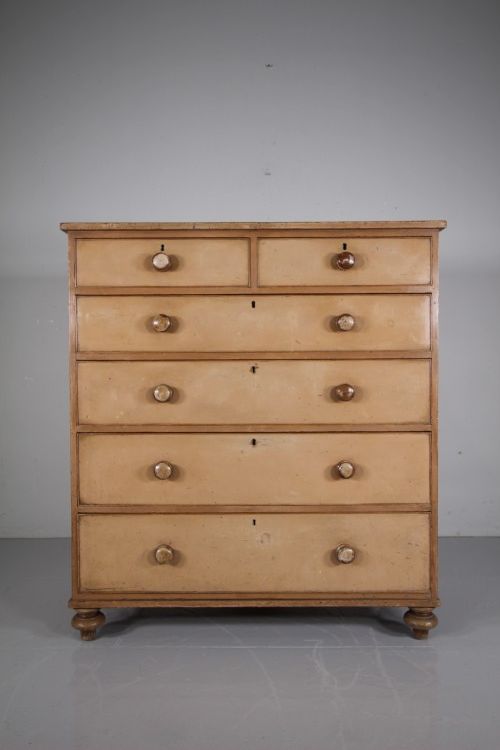


Regency Painted Furniture
Regency painted furniture brings brilliant colour, simulated woods and classical elegance into a room.
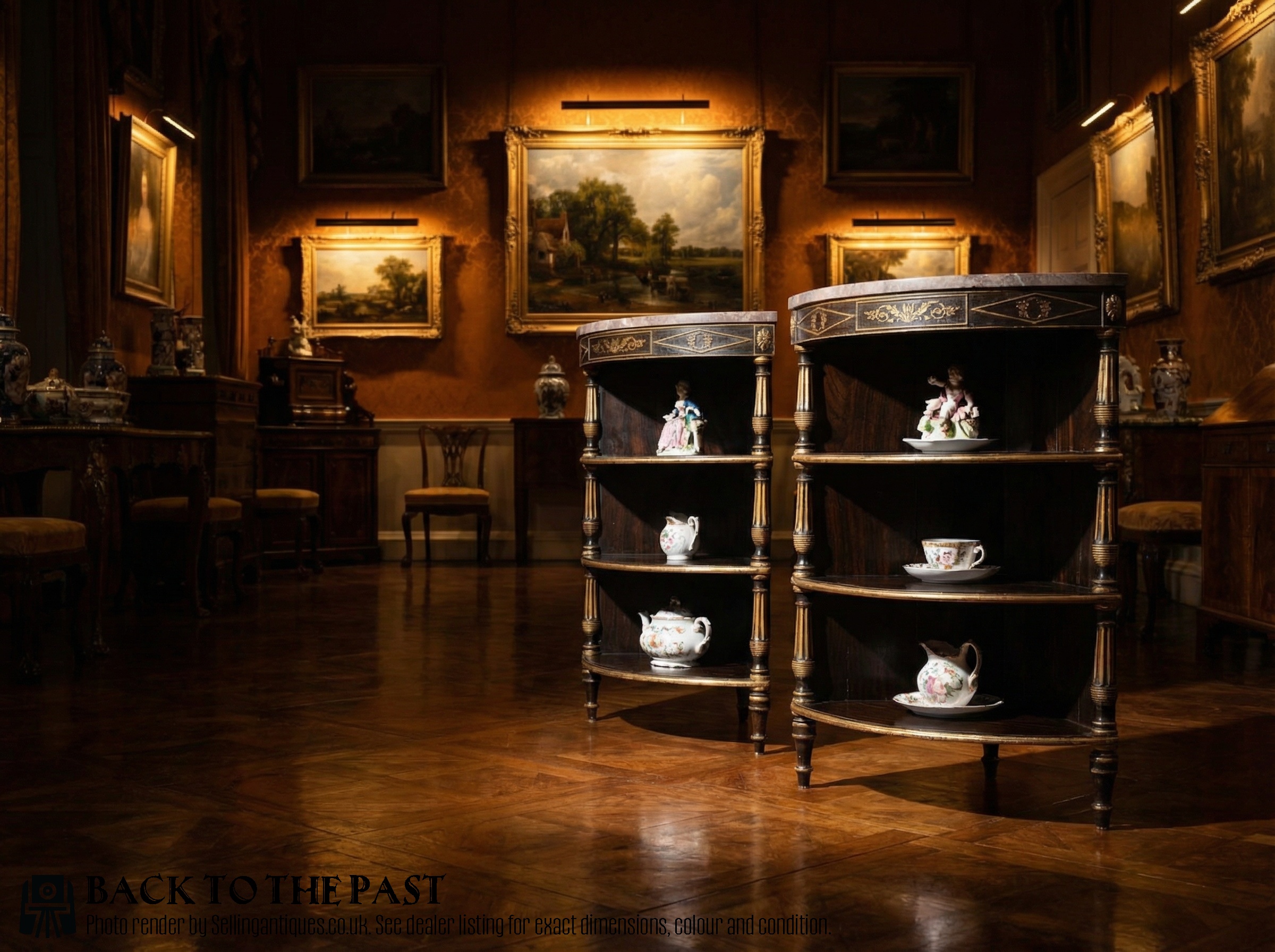
Regency Painted Furniture
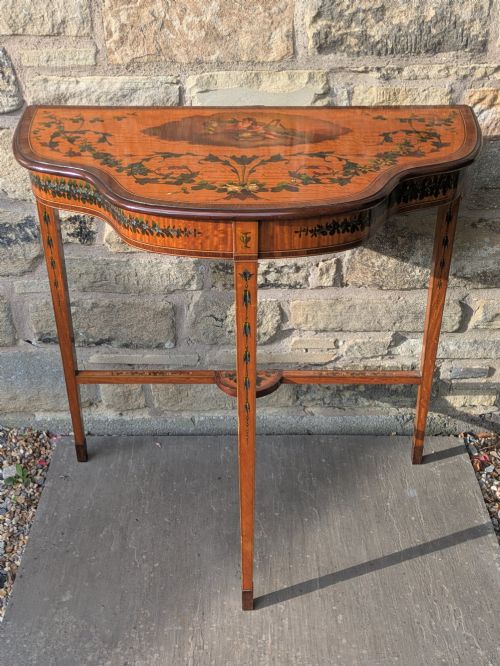
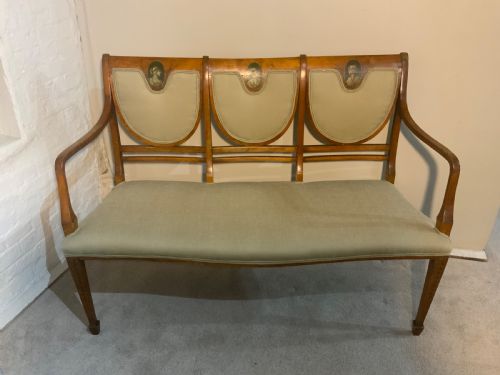
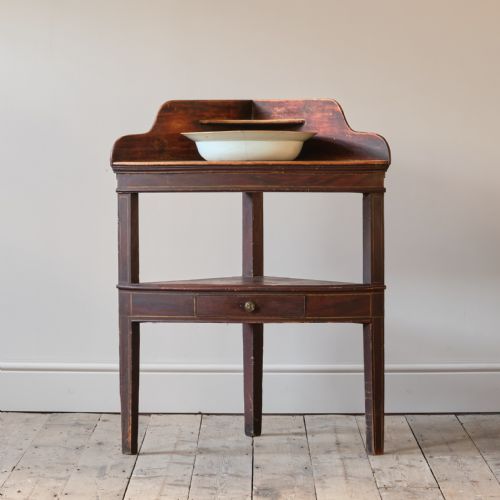
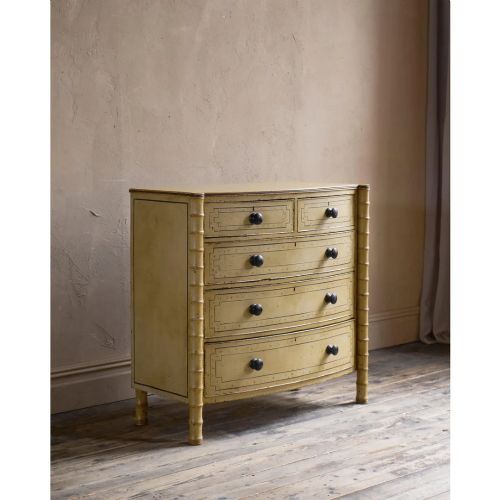
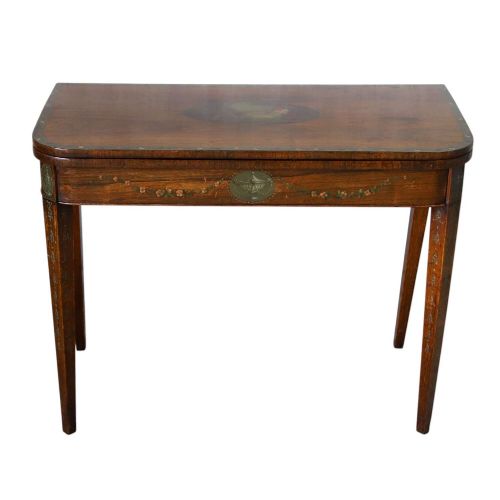
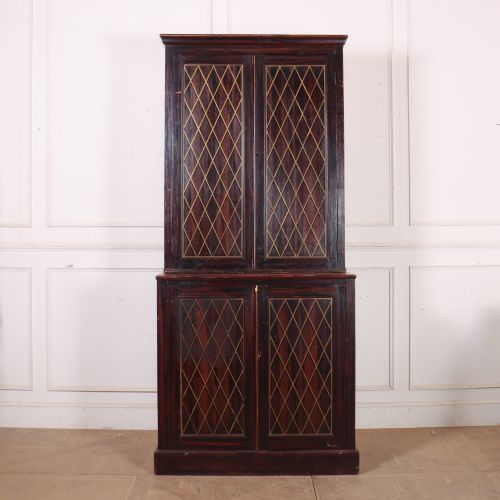
Regency painted furniture encompasses practical items such as chests of drawers, console tables, bookcases and chairs produced across the nineteenth century and subsequent revival periods.
Buyers frequently encounter pieces featuring simulated finishes like faux rosewood and faux bamboo alongside original painted surfaces.
The selection ranges from English country pieces to grand Regency designs with neoclassical details or Chinoiserie decoration.
How they were made
Craftsmen utilised woods including pine, beech, satinwood and rosewood, applying layers of paint to simulate more expensive timbers or achieve solid colour schemes.
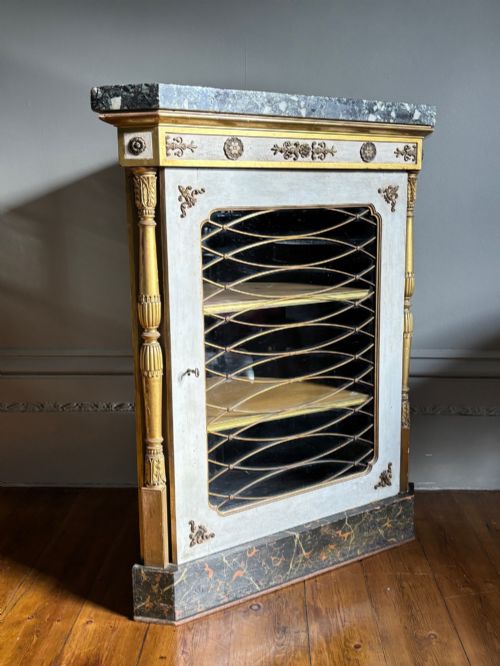
Decoration often involved intricate techniques such as parcel gilding, gold leaf, pen-work and lacquer work to create striking visual contrast.
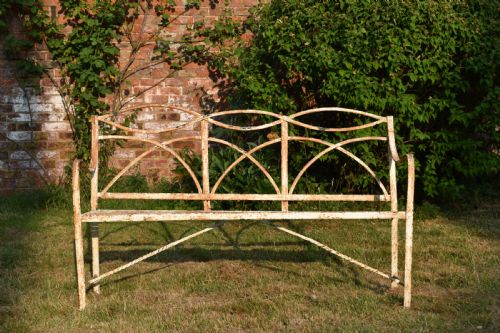
Additional materials like brass, wrought iron and marble frequently integrated into tables, garden benches and cabinets.
A child's pushchair from the early nineteenth century demonstrates that even the youngest family members travelled in Regency style.
What varies in quality
The sophistication of the painted decoration dictates the distinction between standard utilitarian items and masterworks of the period.
The survival of original surface finishes, whether delicate Chinoiserie scenes or simulated wood graining, heavily influences the character of each piece.
Finesse in joinery and the selection of underlying woods determine the structural integrity across different workshop traditions.
Gillows
The Regency Painted Furniture Glossary
- Parcel Gilt
- Partial application of gold leaf or gilt to highlight specific carved or turned details on a painted surface.
- Faux Bamboo
- Wood turned and painted to imitate the appearance of natural bamboo stalks, popular during the Regency period.
- Chinoiserie
- European theatrical interpretation of Chinese artistic motifs, frequently rendered in lacquer and painted decoration.
- Ebonised
- Wood treated with a dark finish or paint to resemble costly ebony.
- Strapwork
- Ornamental flat bands or interlaced patterns used across iron garden benches and woodwork.
Regency Painted Furniture: Frequently Asked Questions
What is regency painted furniture?
Regency painted furniture comprises seating, storage and tables finished with decorative paint, simulated wood grains or gilding. These items reflect the neoclassical and Regency aesthetic popular in the nineteenth century.
Craftsmen used paint to transform standard timbers into exotic woods or to create vibrant decorative schemes. Surviving examples include chests of drawers, console tables and chairs.
How do I care for painted surfaces?
Painted and gilded surfaces require gentle maintenance to preserve the original finish. Avoid harsh modern cleaning agents and excessive moisture.
Dust regularly with a soft dry cloth and keep pieces away from direct sunlight or extreme temperature shifts. This protects fragile pigments and decorative layers.
Are these pieces original or later copies?
Surviving pieces span the early nineteenth century as well as later revival periods like the Victorian era and early twentieth century. Listings identify specific periods and materials to help distinguish eras.
Detailed examination of the wood, paint layering and construction techniques helps determine the exact age of each item.
Where were these pieces used?
These furnishings suited refined drawing rooms, libraries, hallways and bedrooms in period homes. Garden benches also served outdoor spaces.
Lighter forms like bamboo chairs and console tables allowed for flexible arrangement within fashionable interiors.