
Regency Open Bookshelves
Regency open bookshelves bring refined architectural presence and accessible storage to a room, offering adaptable timber housing for libraries.
Regency Open Bookshelves
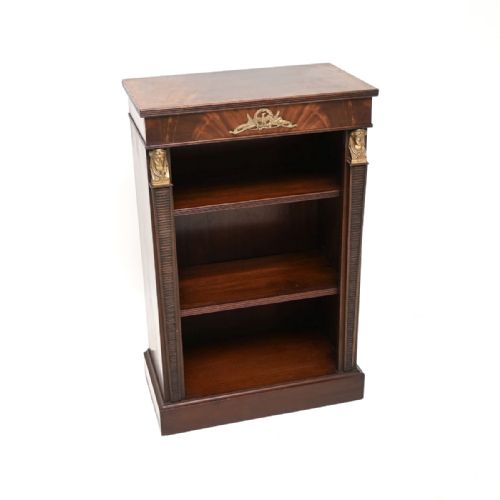
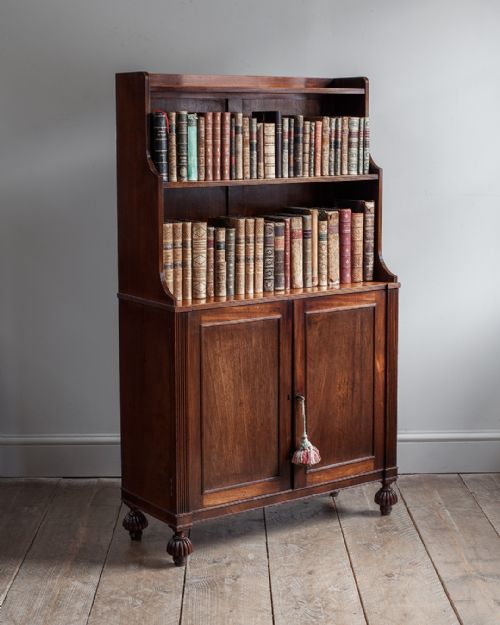
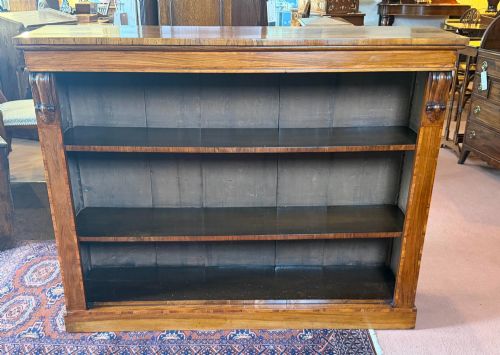
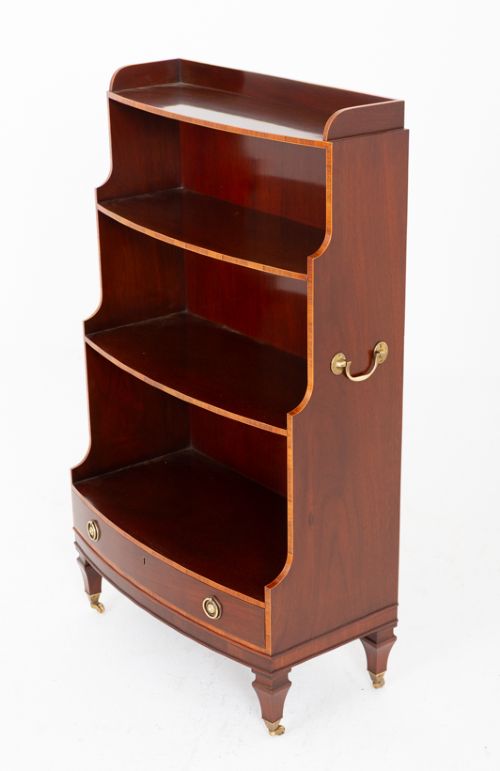
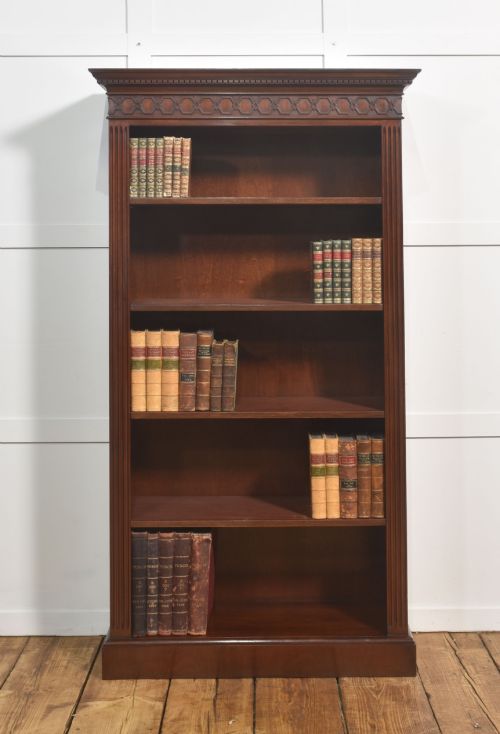
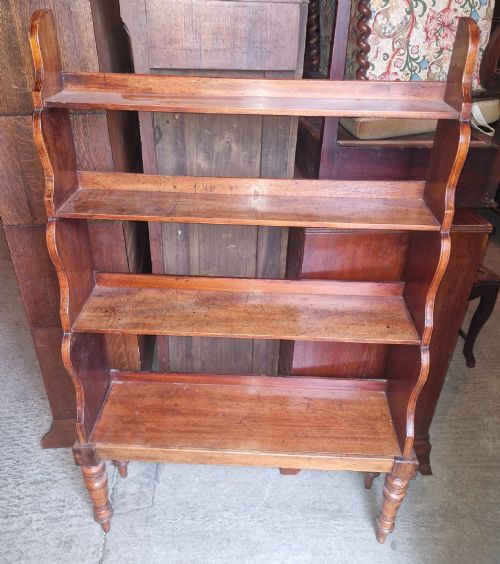
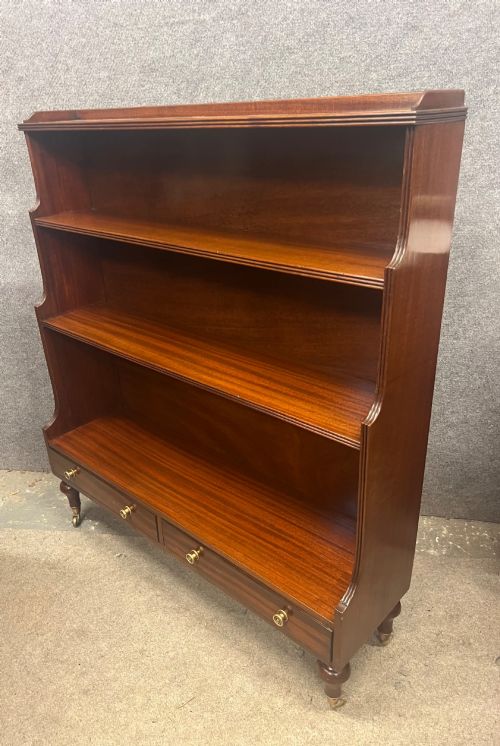
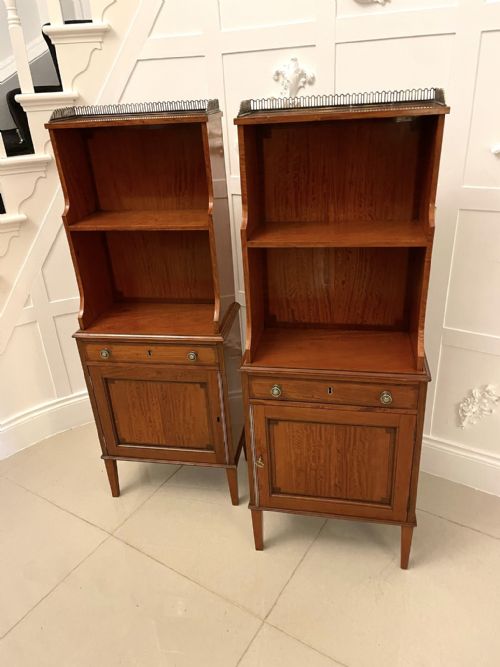
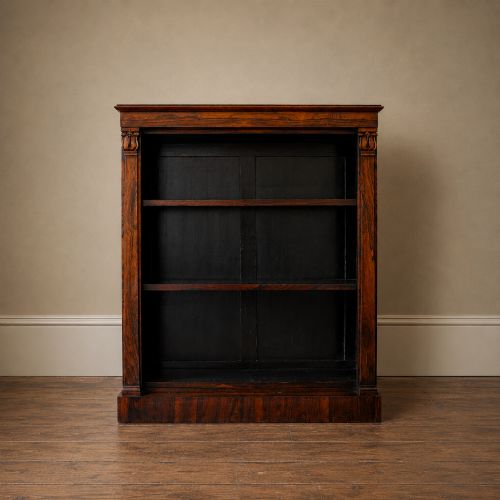
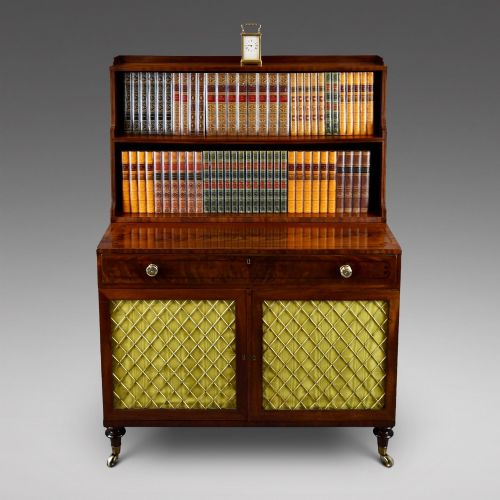
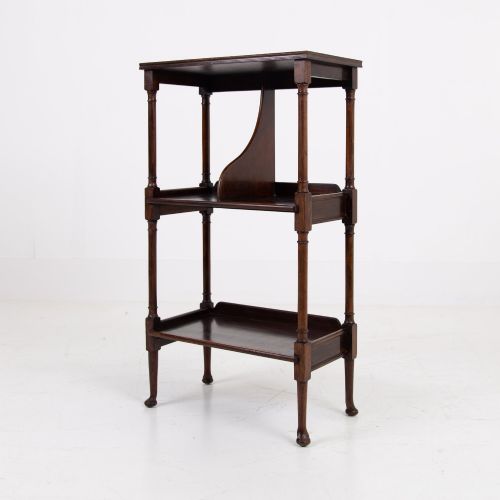
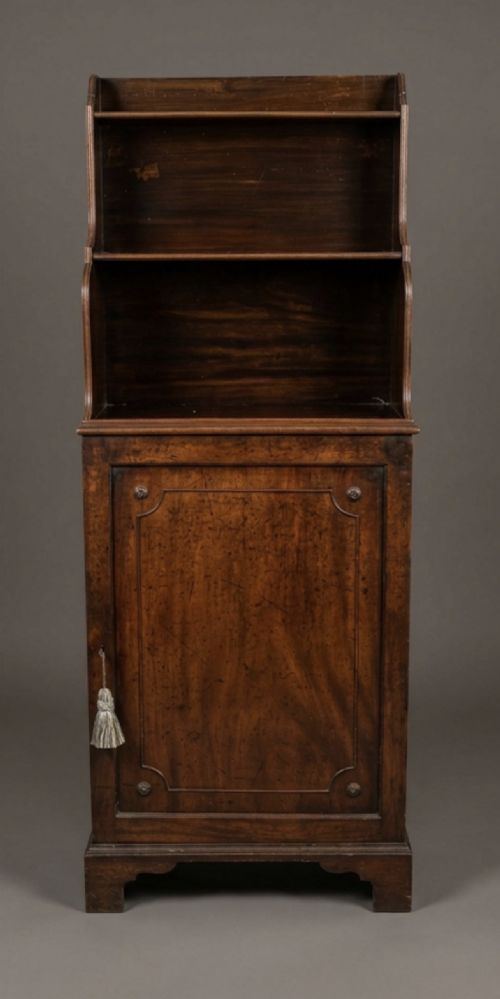
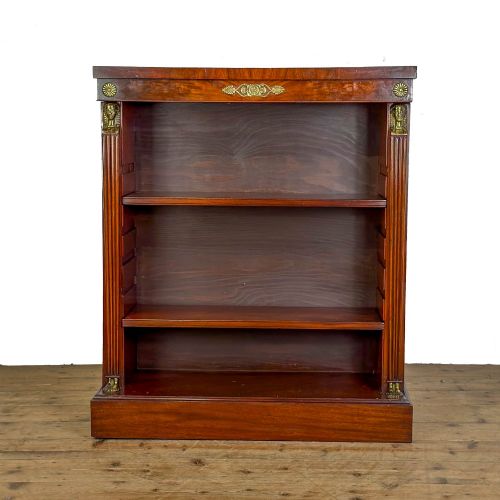
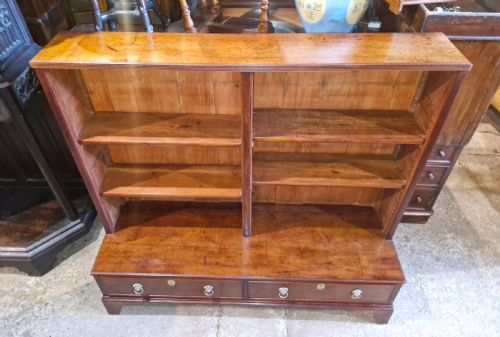
Regency open bookshelves present low, rectilinear profiles or tiered waterfall tiers designed to hold volumes without doors. These pieces encompass freestanding library cases, dwarf credenzas, and diminutive whatnots that serve domestic reading spaces.
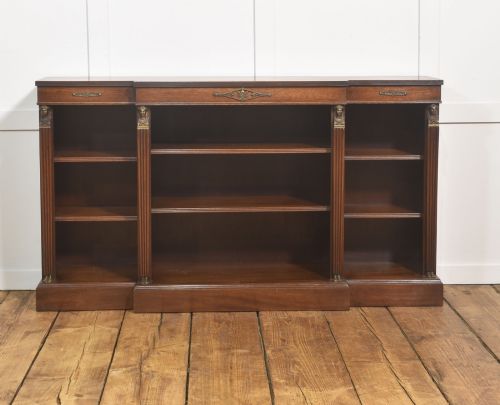
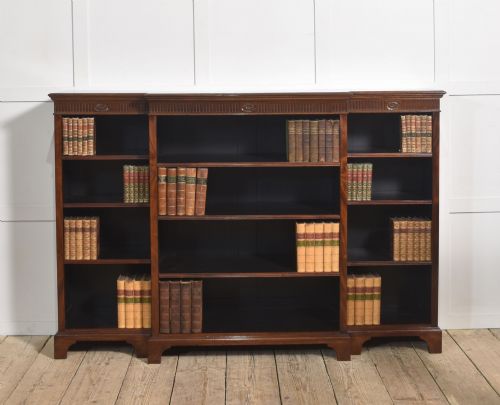
Mahogany and rosewood dominate the selection, appearing in both solid timber and figured veneers across periods stretching from the early nineteenth century through later revival eras. Buyers encounter tall library cases alongside compact waterfall configurations and breakfront forms.
The inventory includes period originals alongside later revivals from the twentieth century, maintaining traditional proportions whether constructed in genuine Regency workshops or subsequent decades.
Materials and construction methods
Cabinetmakers utilised dense tropical hardwoods, predominantly mahogany and richly figured rosewood, applying fine veneers over secondary woods to achieve deep grain patterns on flat surfaces. Brass fittings, ormolu mounts, and occasional satinwood stringing provide linear contrast.
Adjustable shelf systems allow individual tiers to shift according to book heights, supported by inset wooden ratchets or brass pins. Breakfront forms incorporate advanced joinery to project the central section forward from flanking wings.
Judging build quality and design integrity
Superior examples demonstrate careful timber selection, where flame or figured grain is matched symmetrically across the front elevation rather than assembled from disjointed offcuts. The crispness of carved mouldings and the retention of original brass or wooden gallery rails indicate higher workshop standards.
Structural rigour separates basic utilitarian shelving from fine library furniture, visible in the tightness of corner joints and the stability of freestanding carcasses under weight. Period authenticity of internal shelf supports and backboards also distinguishes genuine early pieces from later adaptations.
Gillows
The Regency Open Bookshelves Glossary
- Waterfall bookcase
- A tiered shelving unit where each successive shelf steps back from the one below it. This stepped arrangement creates a cascading profile popular in nineteenth-century reading rooms.
- Breakfront
- A cabinet or bookcase where the central section projects forward from the flanking outer sections. This architectural arrangement adds depth and visual rhythm to large library walls.
- Dwarf bookcase
- A low open bookshelf designed to sit beneath dado height or window sills. These compact pieces keep top surfaces clear while providing accessible book storage.
- Whatnot
- A piece of freestanding furniture consisting of multiple open shelves for displaying books or decorative objects. They often feature slender upright supports and small drawer bases.
- Ormolu
- Gilded bronze ornamentation applied to furniture mounts and details. The technique imparts a metallic lustre that complements dark rosewood and mahogany surfaces.
Regency Open Bookshelves: Frequently Asked Questions
How do I arrange books on them?
Open shelving allows for flexible arrangement by height, subject, or binding colour, taking advantage of adjustable internal tiers. Heavier volumes sit best on the deeper lower shelves to maintain visual and physical stability.
Keep shelves from bowing by avoiding over-packing, and leave slight space at the ends of rows for easy removal.
Where should I place a dwarf bookcase?
Dwarf bookcases suit smaller reception rooms, studies, or hallways where tall furniture would overwhelm the floor space. Their low profile leaves wall space above them clear for paintings or mirrors.
Position them away from direct sunlight and heat sources to protect sensitive rosewood and mahogany veneers from drying out.
How do I distinguish revival pieces from period originals?
Period originals display the specific timber patination, hand-cut secondary wood framing, and traditional joinery consistent with early nineteenth-century workshop practices. Revival pieces from later decades often utilise uniform modern backing timbers and standardised machine-cut fixings.
Examining the shelf adjustment mechanism and the wear patterns on the feet helps confirm the age of the carcass.