

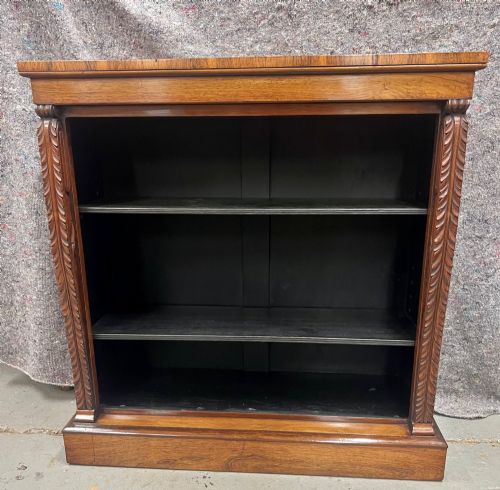


Carved Column Bookcase
A carved column bookcase brings architectural dignity to a room, offering sturdy shelves framed by classic turned supports.
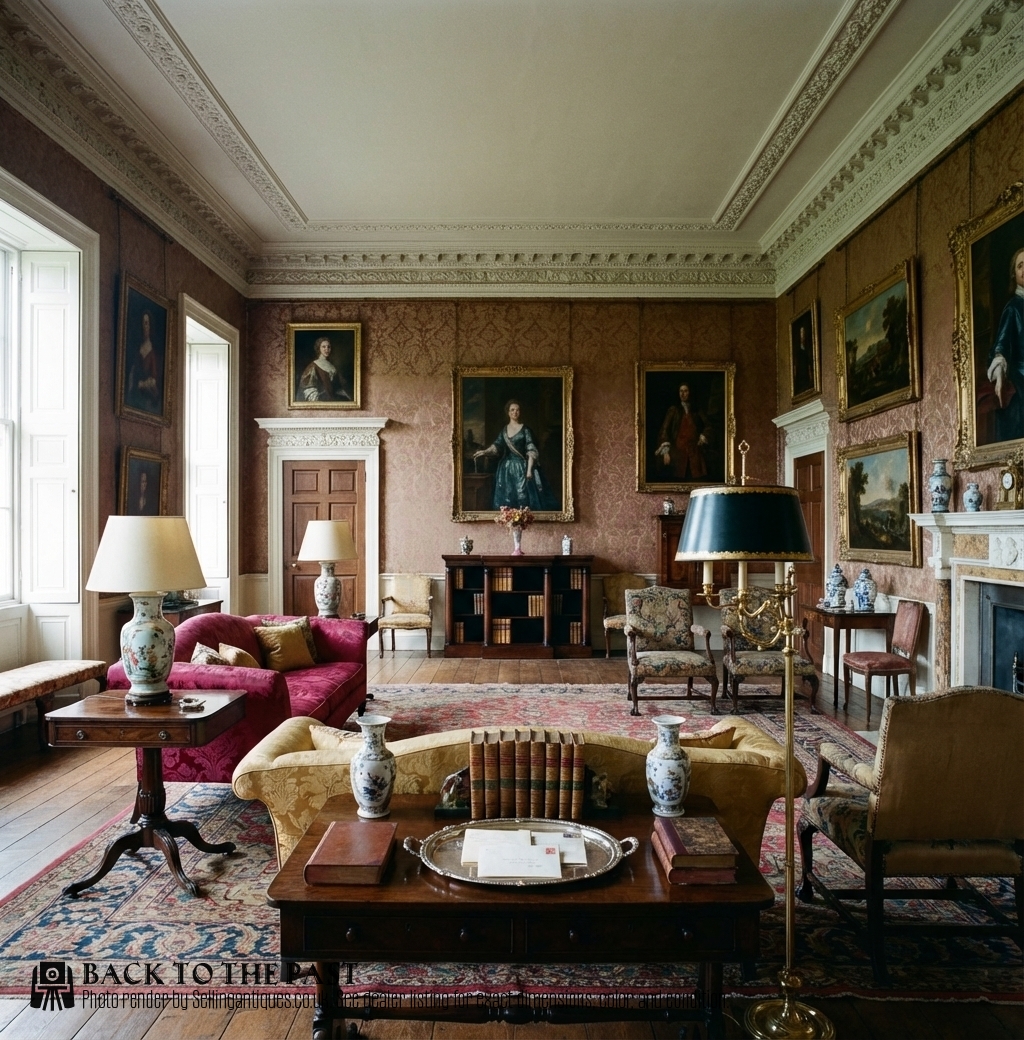
Carved Column Bookcase
A carved column bookcase is a substantial piece of furniture designed to house volumes while displaying architectural detail through turned or fluted pillars. These items appear across the nineteenth century, including Victorian, Regency, and William IV periods, alongside later twentieth century examples.
The selection ranges from open front bookcases and breakfront floor models to side cabinets and chiffoniers incorporating shelving. Timbers such as mahogany, rosewood, oak, and walnut provide the primary structure for these architectural forms.
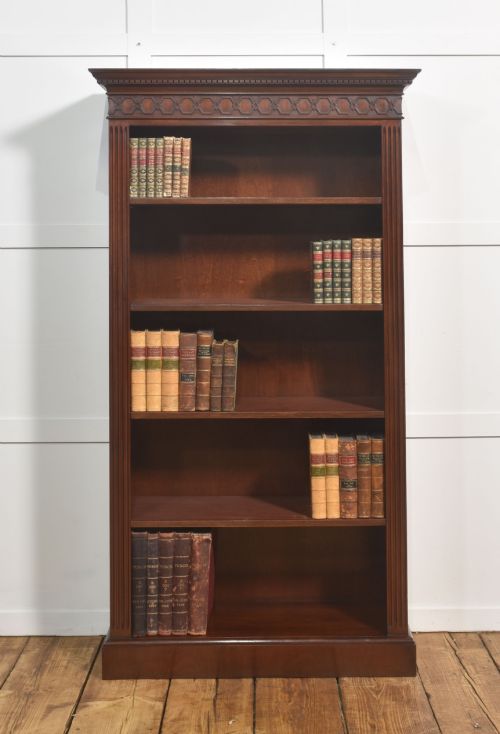
Many examples integrate adjustable shelves, glass doors, or carved friezes alongside the characteristic columns. They function effectively in libraries, studies, and reception rooms for both storage and display.
Materials and Construction
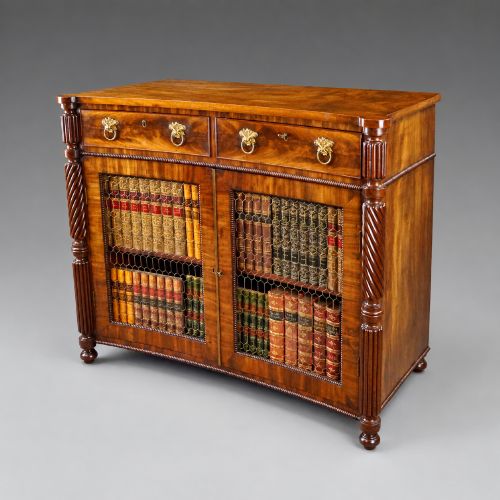
Cabinet makers utilised dense hardwoods including mahogany, rosewood, oak, and walnut, frequently selecting flame mahogany veneer for figured grain patterns on flat surfaces. Brass mounts, glass panels, and fabric linings appear on specific cabinet and display variations.
Structural joinery supports upright shelving units, breakfront carcasses, and pedestal bases, while decorative elements rely on hand carving and lathe turning. Craftsmen shaped columns into barley twist, fluted, and turned profiles to frame the central cavities.
Carved Column Bookcase Retail Price Guide 2026
Typical asking prices for carved column bookcase among the pieces listed under this phrase on Sellingantiques today, from the lower quarter to the upper quarter. They describe what is for sale here now, not the wider market.
Some Victorian oak bookcases feature carved lion heads keeping a stern watch over the library.
Judging Quality and Execution
The distinction between standard utility pieces and finer examples rests in the selection of timber and the crispness of the architectural carving. Well executed fluted columns, lion heads, and floral motifs demonstrate superior craftsmanship compared to simpler turned supports.
Proportion and structural integrity define the better specimens, where breakfront configurations, adjustable shelving mechanisms, and matched veneers remain well preserved. The integration of secondary woods and the precision of the joinery reveal the maker's skill.
The Carved Column Bookcase Glossary
- Breakfront
- A cabinet design where the central section projects forward from the flanking wings. This configuration creates visual depth and architectural interest on larger bookcases.
- Chiffonier
- A low sideboard or cabinet featuring shelves or a small superstructure on top. They frequently incorporate enclosed storage space beneath open or glazed shelving.
- Credenza
- A low cabinet or sideboard, often standing on a plinth base rather than legs. These pieces typically combine doors and shelving for versatile interior storage.
- Whatnot
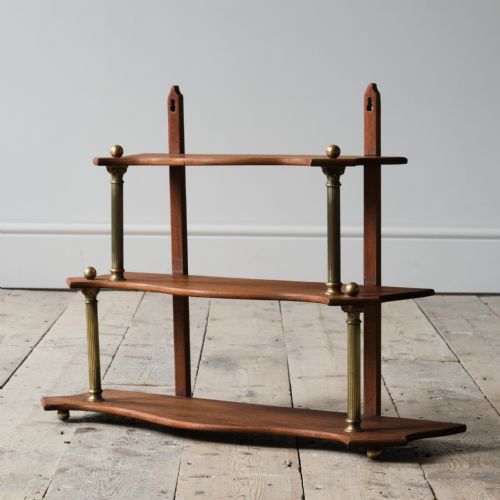
- A piece of furniture consisting of a series of open shelves supported by slender pillars, used for displaying ornaments or small books. They appear in rosewood during the Victorian period.
- Frieze
- The wide horizontal band situated immediately beneath the cornice or top moulding of a cabinet. This area often receives carved decoration or houses small drawers.
Carved Column Bookcase: Frequently Asked Questions
What is a carved column bookcase?
A carved column bookcase is a timber shelving unit or cabinet distinguished by vertical turned, fluted, or barley twist pillars flanking the main structure. These architectural supports draw inspiration from classical design traditions.
Such pieces date primarily from the nineteenth and early twentieth centuries, utilising woods like mahogany, oak, and rosewood to combine practical book storage with decorative presence.
How do I date a Victorian bookcase?
Dating a Victorian bookcase involves examining the timber selection, secondary woods, and the specific style of carving or applied ornamentation. Heavy oak and rosewood with classical revival motifs typically indicate nineteenth-century production.
Construction methods, such as hand-cut dovetails and the presence of adjustable shelf tracks, also help establish the chronological context alongside historical design markers like Regency or William IV influences.
Where should I place a breakfront bookcase?
A breakfront bookcase requires a substantial wall space to accommodate its projecting central section and wide footprint without overwhelming the room. Libraries, studies, and spacious drawing rooms provide suitable environments.
Keeping the piece away from direct sunlight and severe temperature fluctuations protects the dense hardwoods and delicate veneers from drying out or splitting over time.
What woods were used for these bookcases?
Cabinet makers predominantly used mahogany, oak, walnut, and rosewood for building these bookcases. Flame mahogany veneer frequently appears on prominent surfaces to showcase striking grain patterns.
Secondary timbers provide internal support for shelving and carcases, while brass and glass components appear on glazed display cabinets and wall-hanging shelf units.