

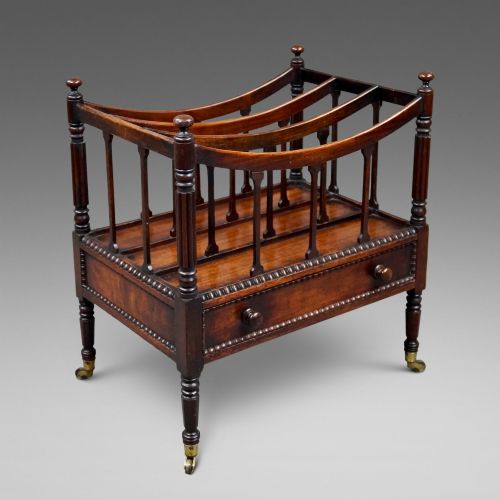


Regency Music Canterbury
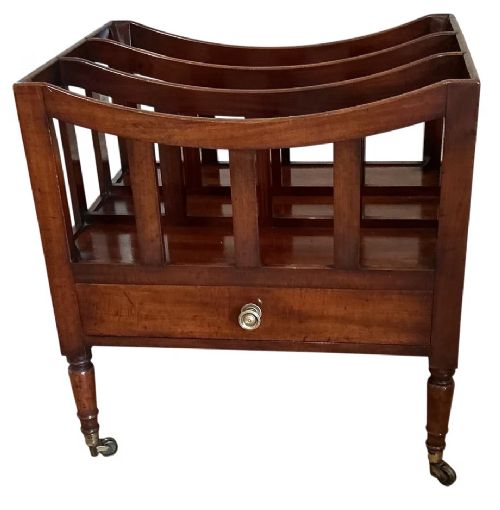
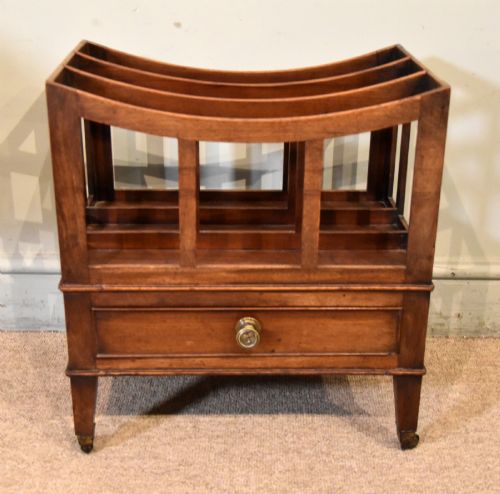
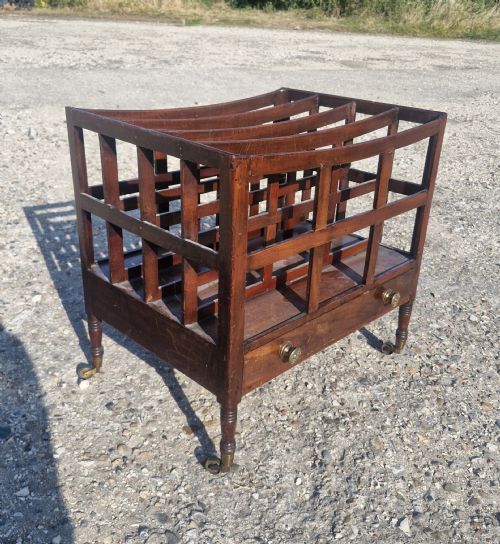
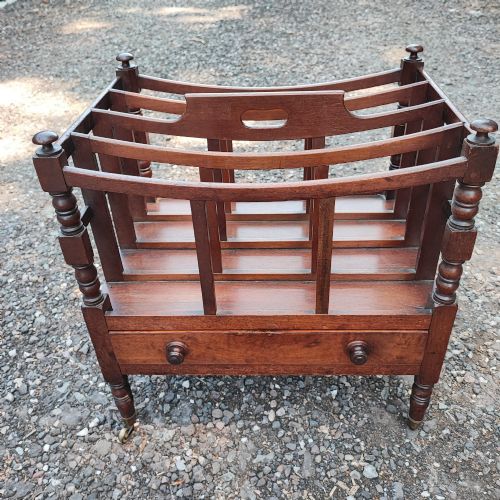
A regency music canterbury is a dedicated stand designed to hold scores and folios, bringing both practical storage and exceptional woodwork to a room.
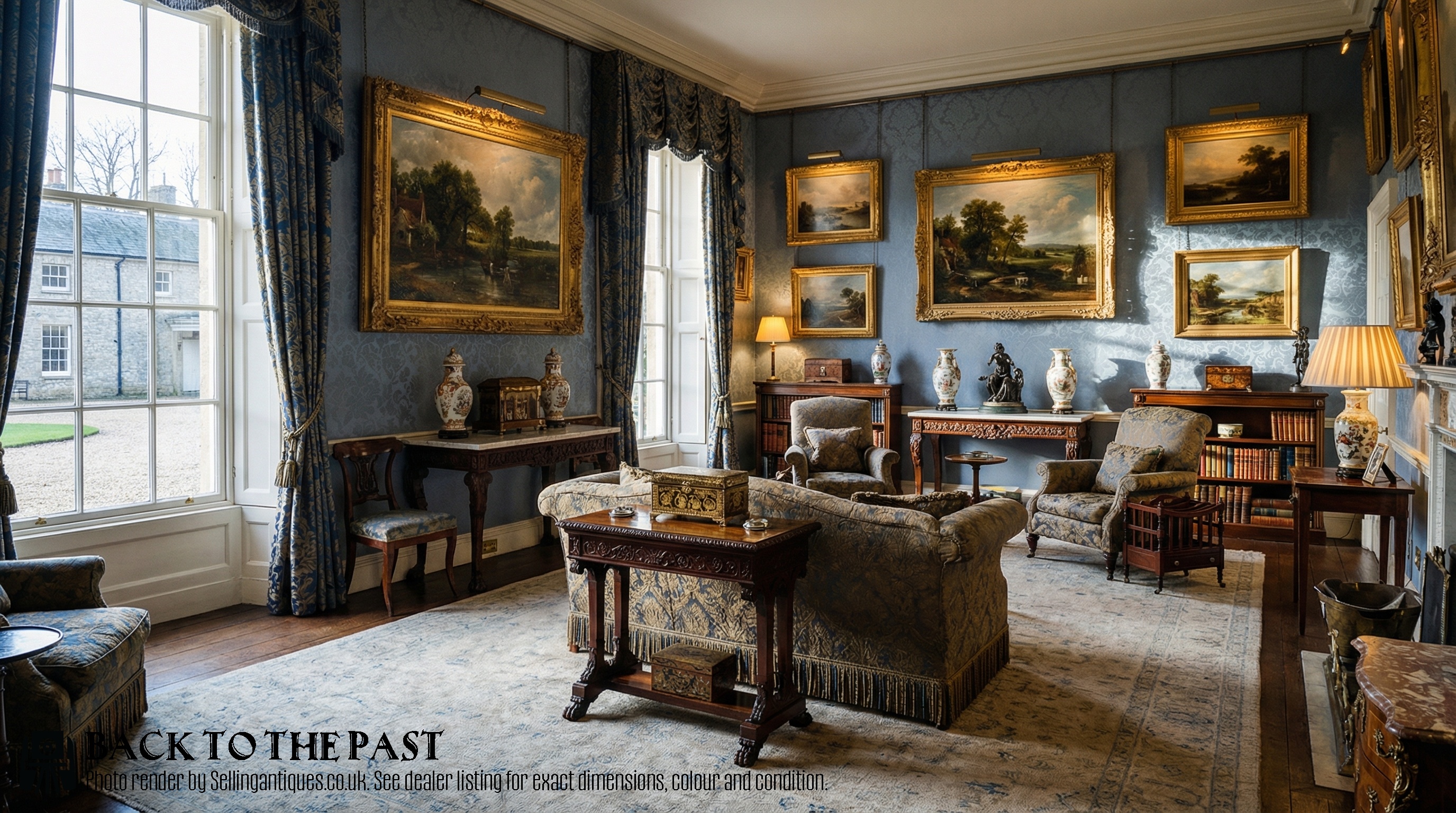
Regency Music Canterbury
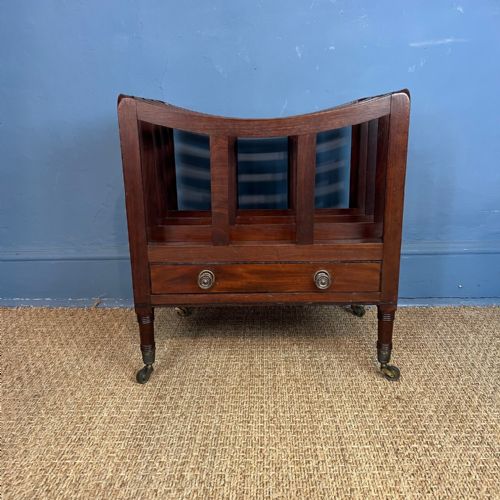
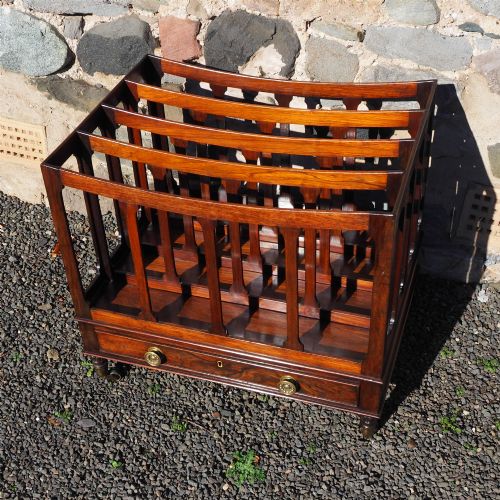
When you search for a regency music canterbury, you encounter specialised low stands constructed with vertical divisions for sheet music, folios and periodicals. These pieces frequently appear from the Regency, George III, George IV and William IV periods, spanning the late eighteenth century into the nineteenth century.
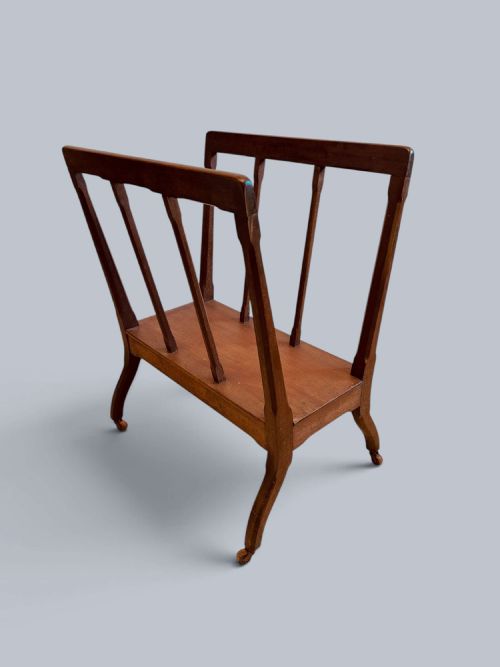
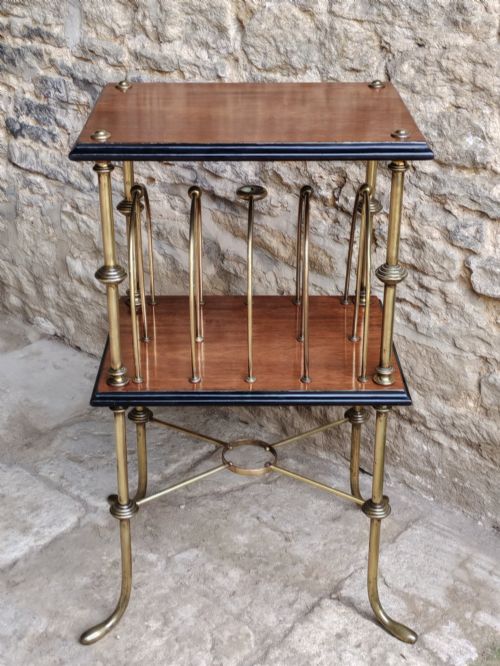
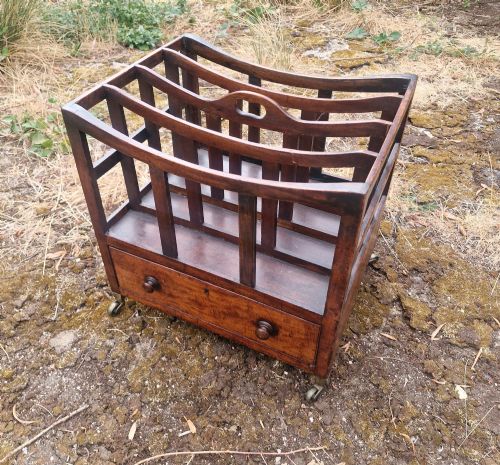
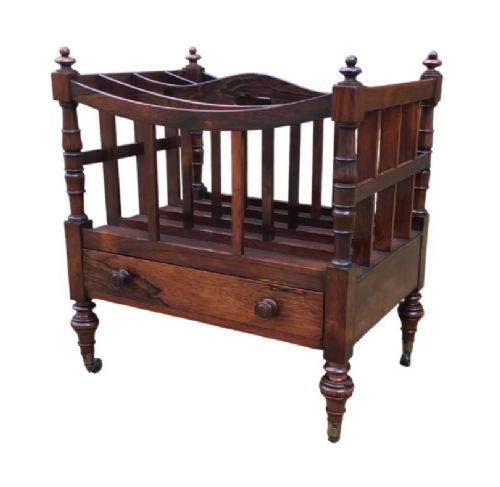
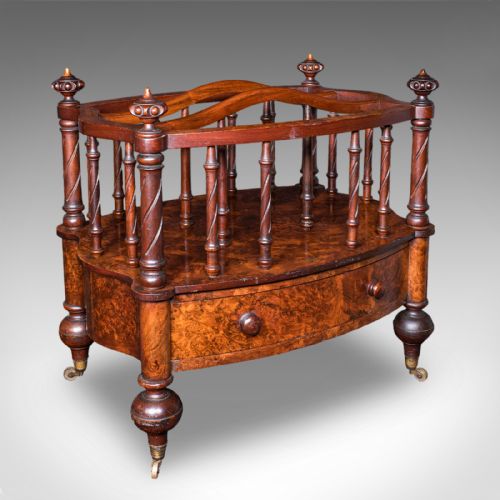
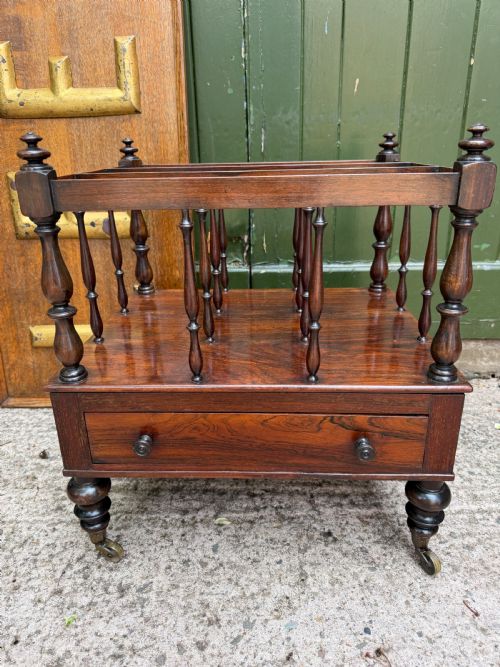
The design typically incorporates multiple open partitions above a low drawer, mounted upon turned legs fitted with castors for mobility. While some pieces take a distinct boat shape with sweeping slat sides, others present formal rectangular framing or combine with a whatnot and etagere structure.
Mahogany and rosewood dominate the selection, often enriched with burr walnut, ebony banding and brass fittings. These items serve equally well today as elegant magazine racks and occasional tables beside seating.
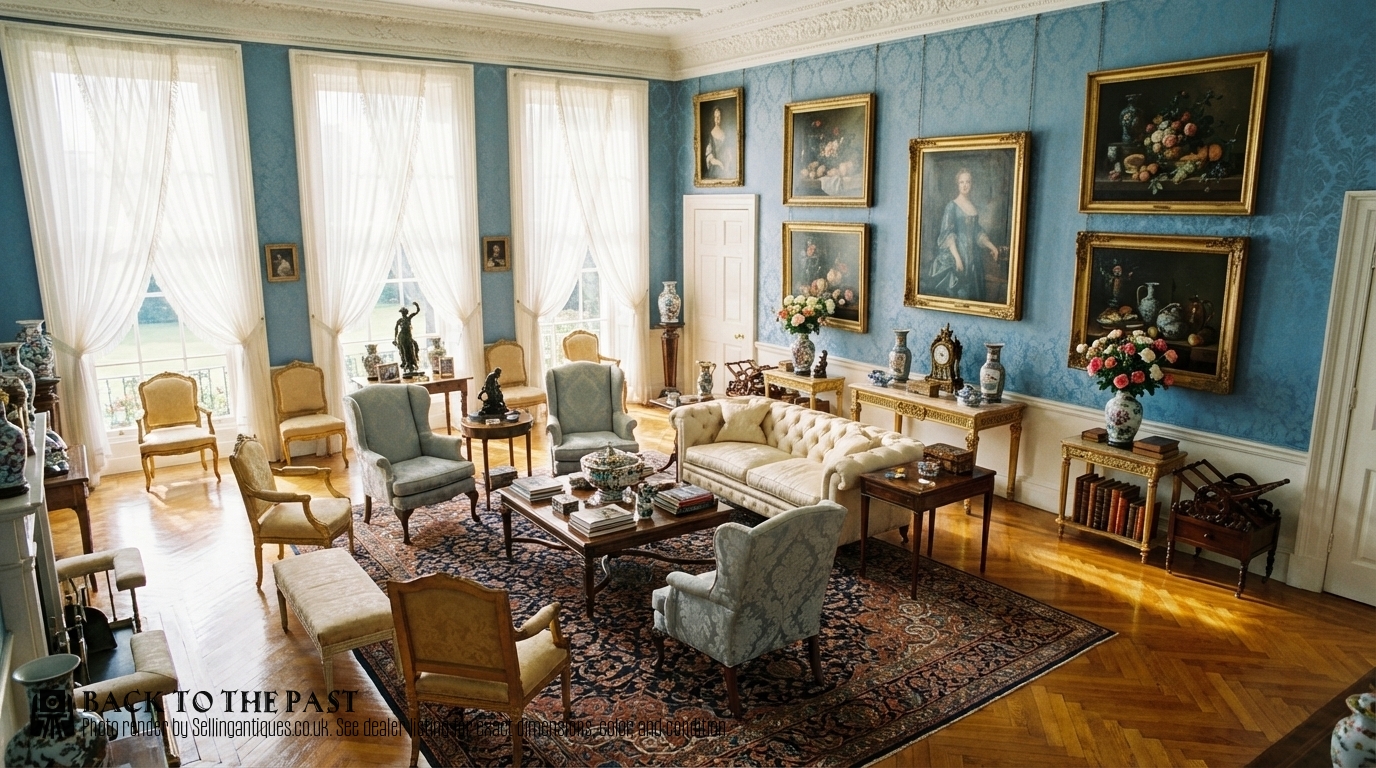
How They Were Made
Cabinet makers utilised dense imported hardwoods like Cuban mahogany and rich rosewood to construct the upright slats and structural framing. These timbers were selected for their stability and deep grain patterns, often accented with contrasting ebony inlay or brass mounts.
Construction methods relied on precise joinery for the delicate dividing slats, which needed to support heavy bound music books without warping. Stands frequently incorporate turned wooden legs resting upon small brass castors to allow easy movement across a floor.
Regency Music Canterbury Retail Price Guide 2026
Typical asking prices for regency music canterbury among the pieces listed under this phrase on Sellingantiques today, from the lower quarter to the upper quarter. They describe what is for sale here now, not the wider market.
Architect J C Loudon designed music stands with such elegance that nineteenth-century drawing rooms copied them endlessly.
What Varies in Quality
The distinction between standard workshop pieces and exceptional examples rests in the choice of timber and the crispness of the carving. Superior items display figured rosewood or Cuban mahogany with finely turned spindles and carved details such as Prince of Wales feathers.
Structural integrity also separates grades, as lesser stands suffer from loose slat joints through decades of holding heavy folios. Refined pieces maintain tight joinery, smooth drawer action where fitted, and original brass castors that indicate untouched authenticity.

The Regency Music Canterbury Glossary
- Canterbury
- A low stand with partitions used originally for holding sheet music and now for magazines. The name derives from the Archbishop of Canterbury, who supposedly commissioned the first such rack.
- Whatnot
- A piece of open shelving with multiple tiers used for displaying objects or storing books. These often incorporate a canterbury section at the base.
- Dip Top
- A partition profile featuring a curved or descending upper edge on the dividers. This shape allows easier access to smaller pieces of sheet music.
- Etagere
- A set of open shelves or tiers for ornament and display. They share close construction methods with standard music stands.
- Inlay
- A technique where contrasting materials like ebony or lighter woods are inserted into the primary timber surface to form decorative bands.
Regency Music Canterbury: Frequently Asked Questions
What is a regency music canterbury?
A regency music canterbury is a compartmentalised stand built to hold sheet music, books and papers near a piano or seating area. Makers constructed these low stands with vertical slats to keep folios upright and separated.
Most examples include a small drawer beneath the divisions and rest on castors for movement. They bridged the gap between utility and refined drawing room furniture during the early nineteenth century.
How were music canterburys used?
Music rooms and drawing rooms utilised these stands to organise loose scores and bound music volumes for evening performances. Musicians reached into the vertical divisions to select pieces quickly without disturbing stacks.
Over time, owners adapted them to hold newspapers, letters and periodicals. Today they function similarly as stylish magazine and book holders beside armchairs.
Are these stands sturdy enough for daily use?
These stands were built from dense hardwoods like mahogany and rosewood to support heavy bound music volumes. Their robust construction suits everyday modern life perfectly.
Owners should simply avoid overloading fragile slat dividers with excessive weight. Regular dusting and occasional wax care keep the timber conditioned.