

Regency Mantelpiece
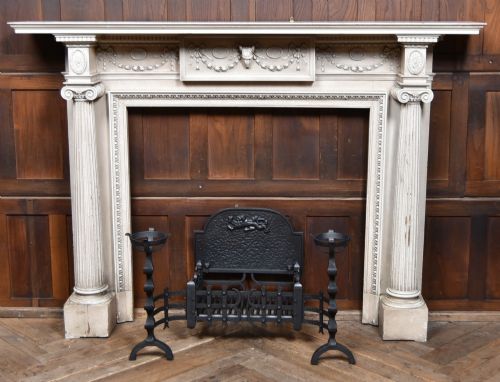
A regency mantelpiece brings architectural presence to a room through neoclassical mirrors, bronze clocks and porcelain garnitures.
Regency Mantelpiece
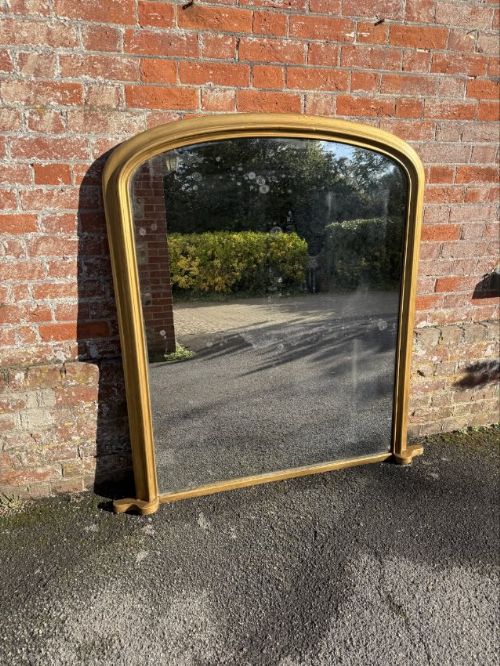
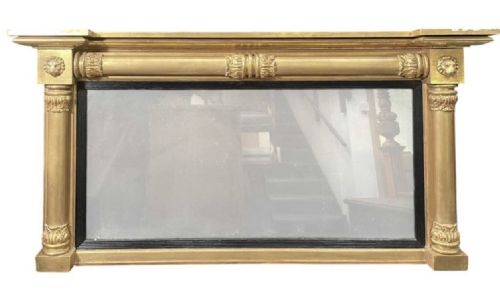
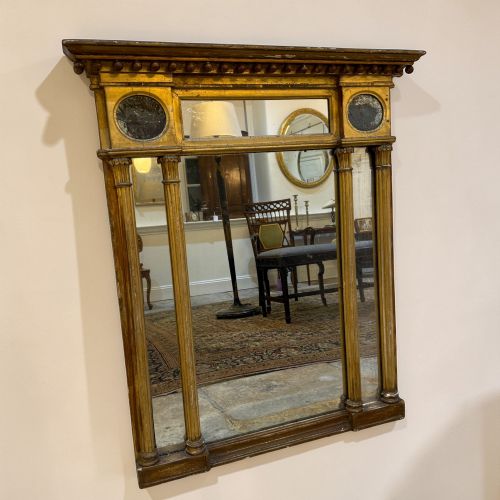
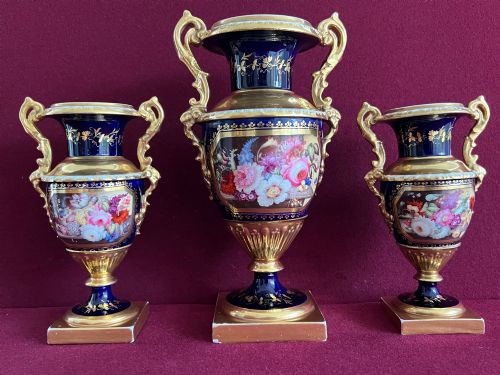
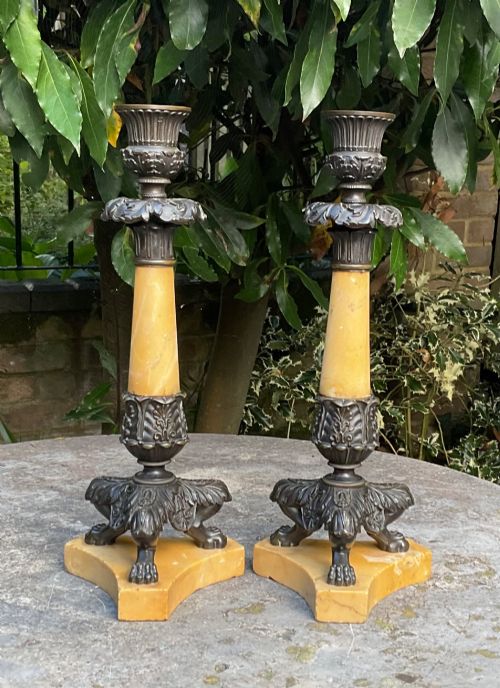
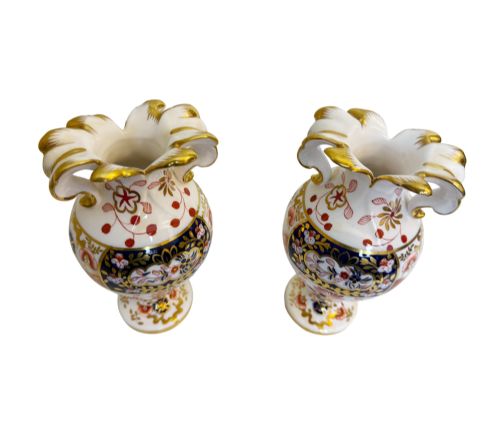
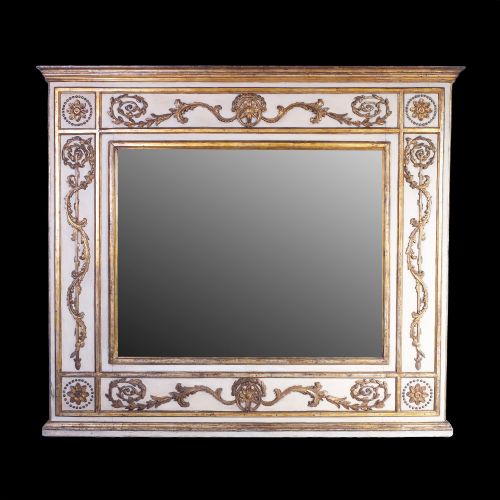
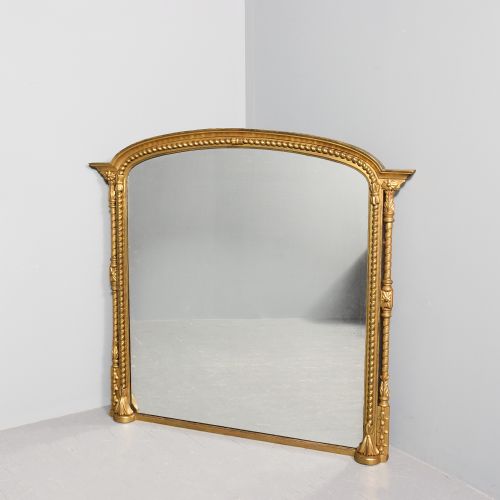
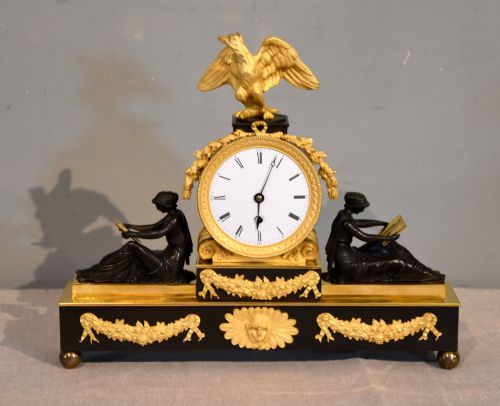
A regency mantelpiece selection comprises large giltwood overmantel mirrors alongside table clocks, bronze candlesticks and porcelain garniture vases. The most frequent form met here is the giltwood overmantel mirror, often designed with multiple plate sections or arched tops.
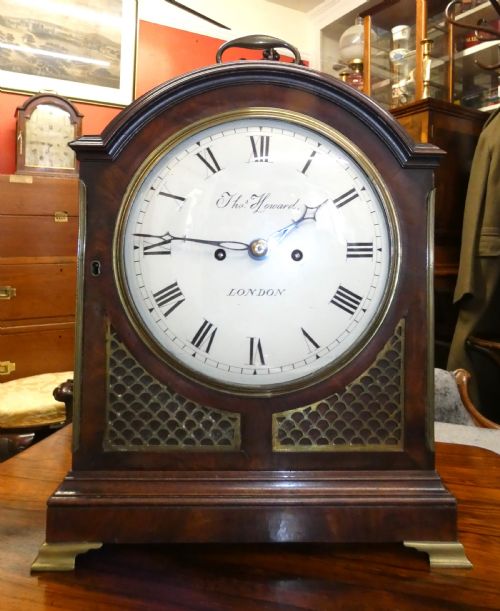
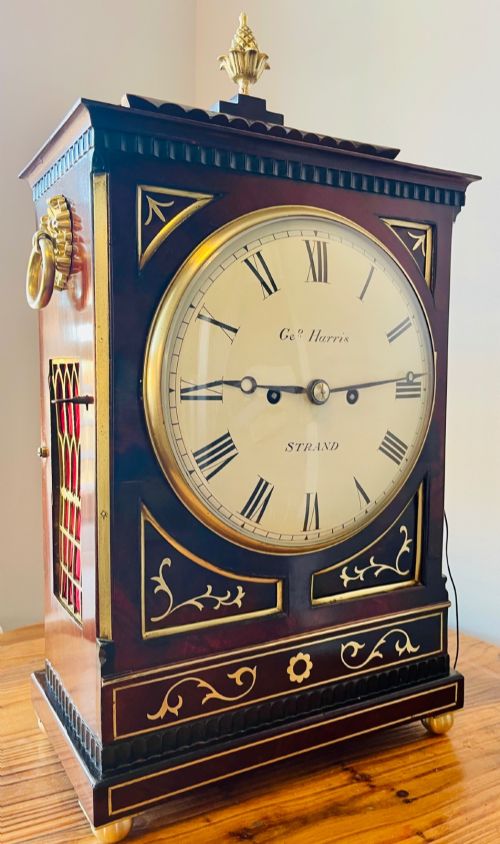
Objects span the nineteenth century, including Georgian and Victorian periods, with styles drawing upon French Empire and neoclassical traditions. Alongside mirrors sit bracket clocks in mahogany or rosewood, accompanied by decorative items such as brass lions and sphinxes.
Materials and construction
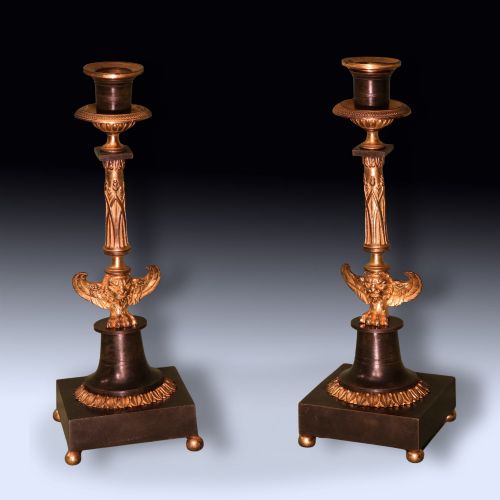
Makers utilised carved wood, gesso and giltwood to build large mirror frames, applying gold leaf and gilding for reflective brilliance. Bronze, ormolu and brass form the structure of candelabras, figural candlesticks and table timepieces.
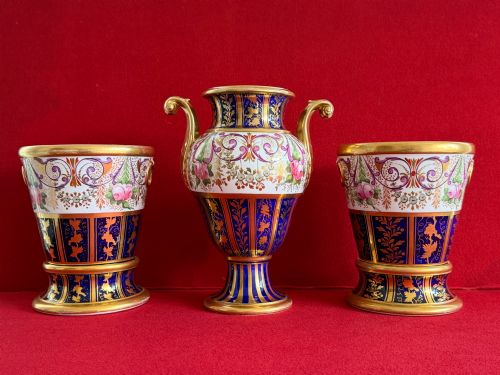
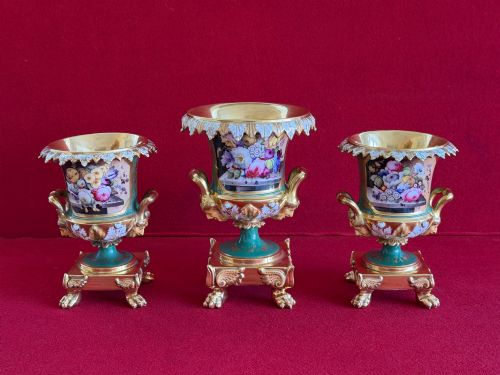
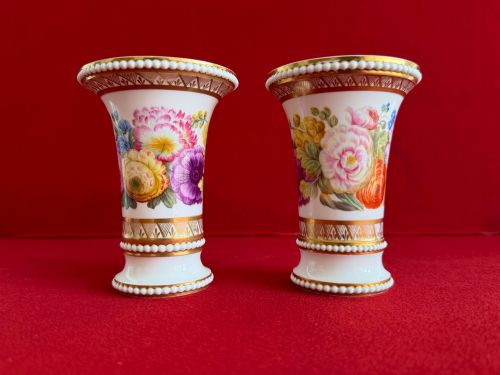
Ceramic pieces rely on porcelain bodies from factories such as Spode, Minton and Worcester, decorated with hand-painted enamel patterns. Cabinet woods like mahogany and rosewood provide the solid housing for fusee striking bracket clocks and mantel timepieces.
Regency Mantelpiece Retail Price Guide 2026
Typical asking prices for regency mantelpiece among the pieces listed under this phrase on Sellingantiques today, from the lower quarter to the upper quarter. They describe what is for sale here now, not the wider market.
Among the brass menagerie, a pair of rigid metal lions stands ready to guard the mantel from imaginary intruders.
Assessing the standard
Quality rests upon the crispness of carved wooden ornament and the depth of the applied gold leaf or gilding on mirror frames. Superior clock movements depend upon precise engineering by established makers, housed within finely inlaid rosewood or mahogany cases.
Porcelain garnitures derive distinction from the intricacy of hand-painted enamel decoration by known artists upon the ceramic body. Bronze and ormolu pieces separate themselves through the sharpness of casting detail in figural mounts and candelabra work.
Thomas Howard·Baetens London·Thomas Hope·Arnold and Frodsham·Flight Barr and Barr
The Regency Mantelpiece Glossary
- Giltwood
- Wood carved and coated with gold leaf or metallic paint to create a brilliant decorative surface. This finish defines the finest nineteenth century wall and overmantel mirrors.
- Ormolu
- Finely ground high-carat gold applied in a mercury amalgam to bronze objects. The technique produces a rich golden finish on candelabras and clock mounts.
- Garniture
- A set of ornamental vases or jars designed to be displayed together on a mantelpiece. These typically consist of a central vessel flanked by matching pairs.
- Fusee
- A conical pulley used in clockmaking to maintain even power from the mainspring as it unwinds. This mechanism improves the timekeeping accuracy of bracket clocks.
- Overmantel
- A large mirror intended specifically for placement above a fireplace mantel. Multiple plate designs help distribute light across the room.
Regency Mantelpiece: Frequently Asked Questions
How do I style a regency mantelpiece?
Position a large giltwood overmantel mirror centrally against the wall above the fireplace opening to anchor the display. Flank the mirror with a pair of bronze candlesticks or porcelain garniture vases for balanced symmetry.
Incorporate a table clock or timepiece on the mantel shelf itself to add functional depth. Keep surrounding items disciplined to let the neoclassical lines and gilt surfaces command attention.
Where should an overmantel mirror hang?
Hang the mirror directly above the fireplace mantel at a height that reflects the room rather than the ceiling. Ensure the fixings securely support the substantial weight of carved wood and glass plates.
Allow the architectural frame to align visually with the proportions of the fireplace surround below. This creates a cohesive focal point within the interior space.
How do I care for giltwood and ormolu?
Dust giltwood surfaces gently with a soft, dry brush to protect the delicate gold leaf layer. Avoid liquid cleaners or abrasive cloths that can strip the historic gilding away from the carved wood beneath.
Maintain bronze and ormolu with a light application from a soft cloth, keeping moisture entirely away from the metal surfaces. Proper environmental humidity prevents timber shrinkage in clock cases and mirror frames.
What defines neoclassical style in these pieces?
Neoclassical design draws inspiration from classical Greek and Roman architecture, featuring symmetrical arrangements and clean architectural lines. Ormolu mounts and giltwood frames incorporate motifs such as classical urns, sphinxes and laurel wreaths.
This aesthetic values restraint and proportion over excessive ornamentation, distinguishing regency pieces from earlier rococo excesses. The resulting forms appear balanced, formal and architecturally resolved.