

Regency Mahogany Wine Stand
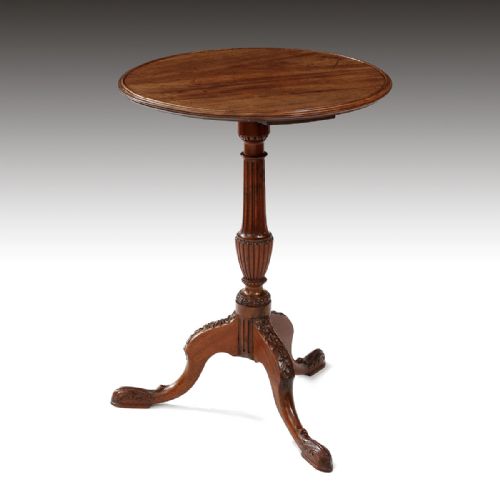
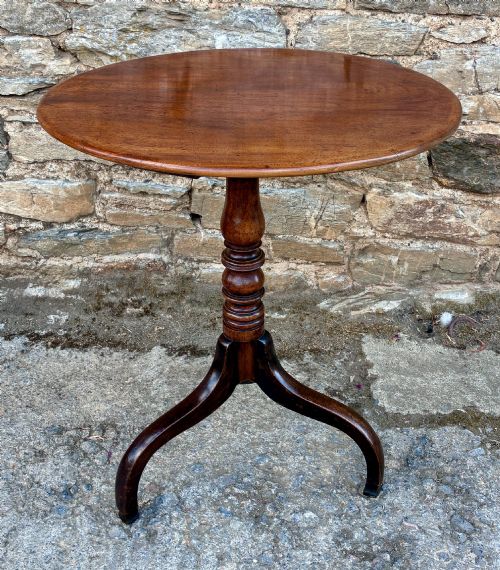
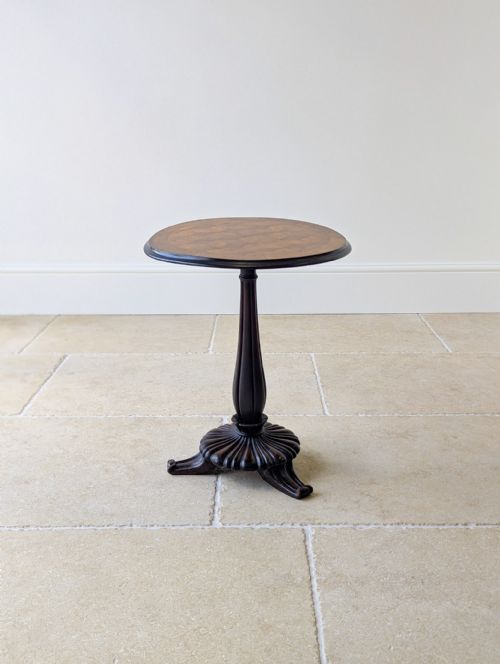
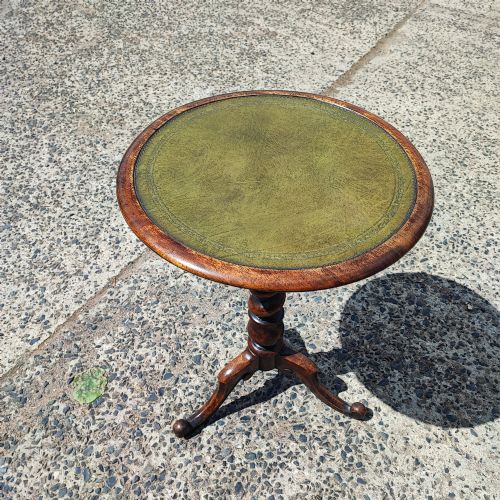
A regency mahogany wine stand is a compact table designed for the dining room, built to hold bottles or glasses near the table.
Regency Mahogany Wine Stand
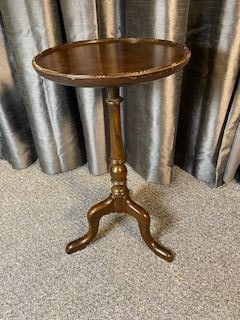
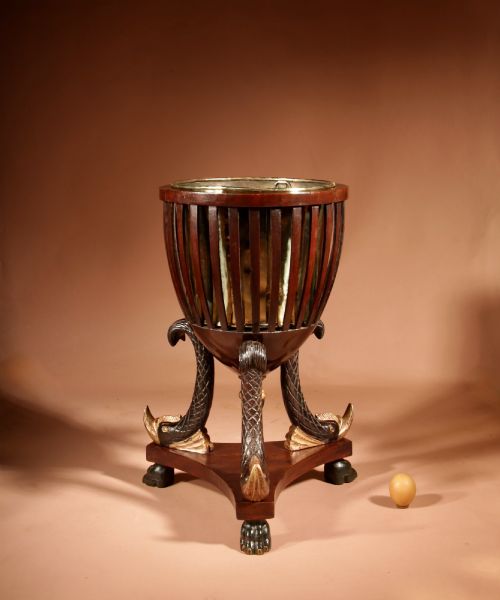
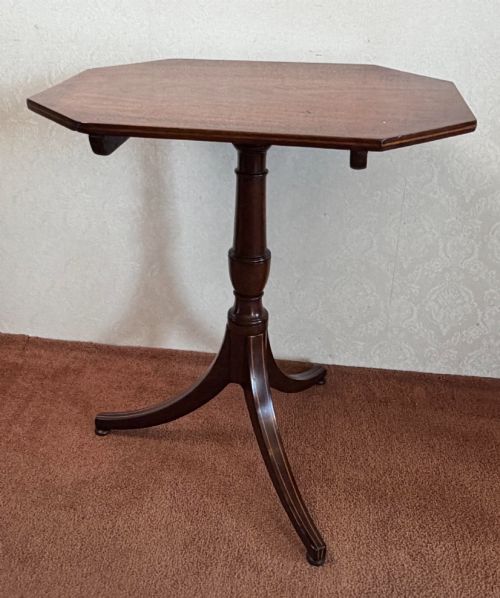
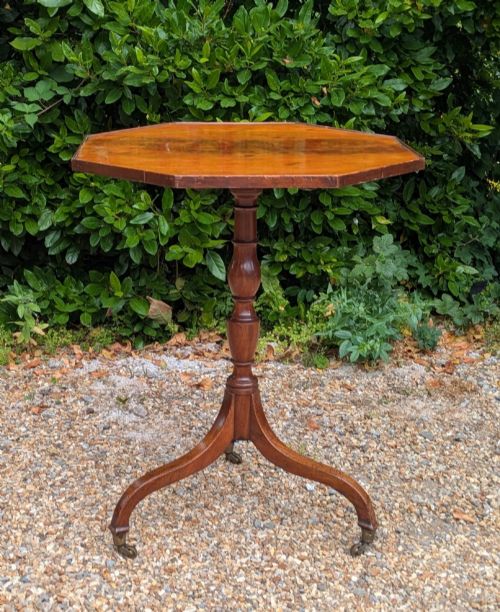
A regency mahogany wine stand encompasses small occasional furniture from the nineteenth century, including tripod pedestal tables, tilt-top tables, and cellarettes. Buyers seeking this phrase usually find compact serving pieces intended to hold bottles during dinner.
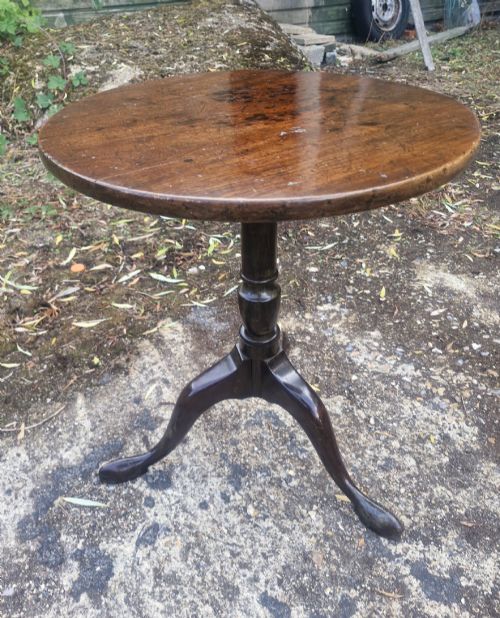
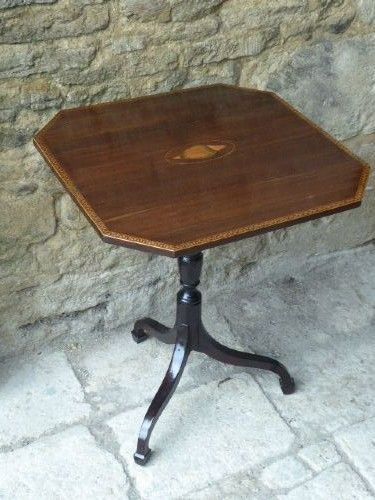
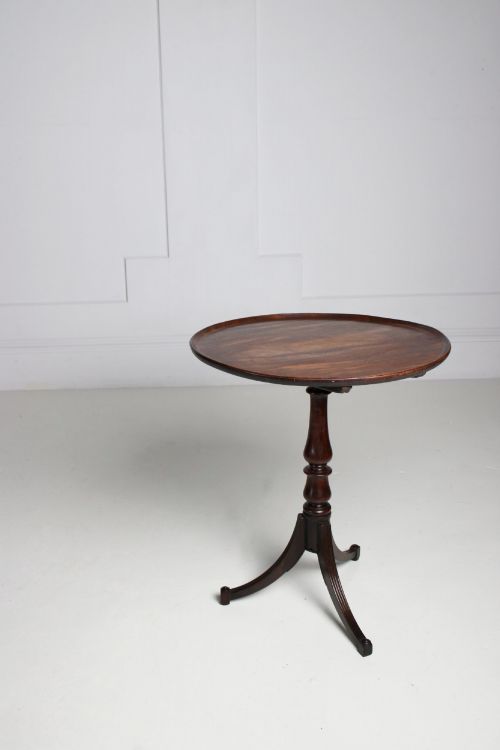
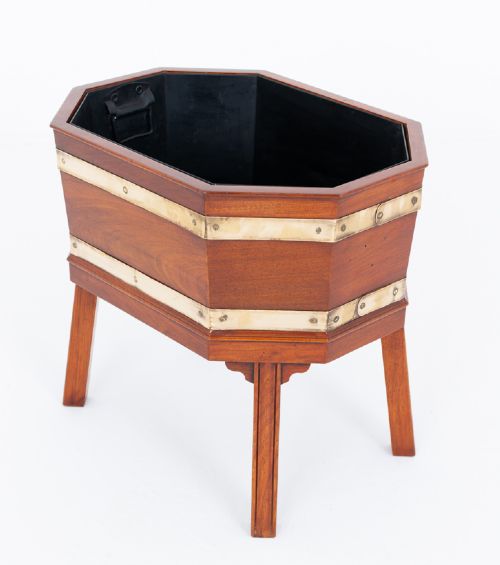
The selection on this page centres on pieces from the Regency, William IV, and Georgian periods. Alongside circular or octagonal wine tables, the inventory includes brass-bound coolers and bottle holders made from mahogany and walnut.
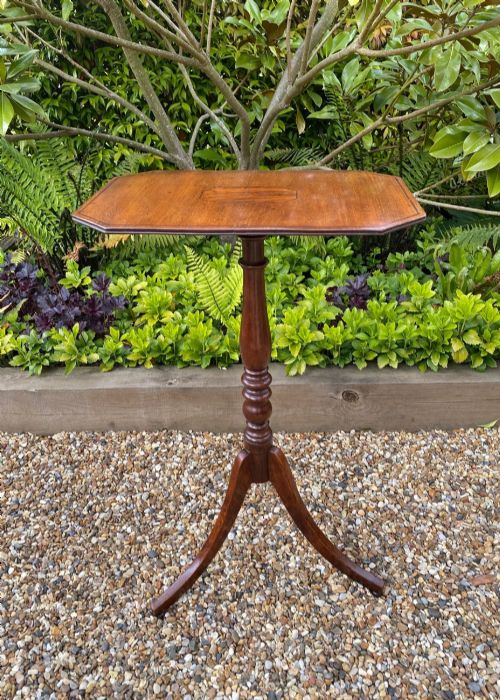
Most examples function as side tables or lamp tables today. The forms range from simple tripod stands with boxwood inlay to coopered wine coolers on stands.
How they were made
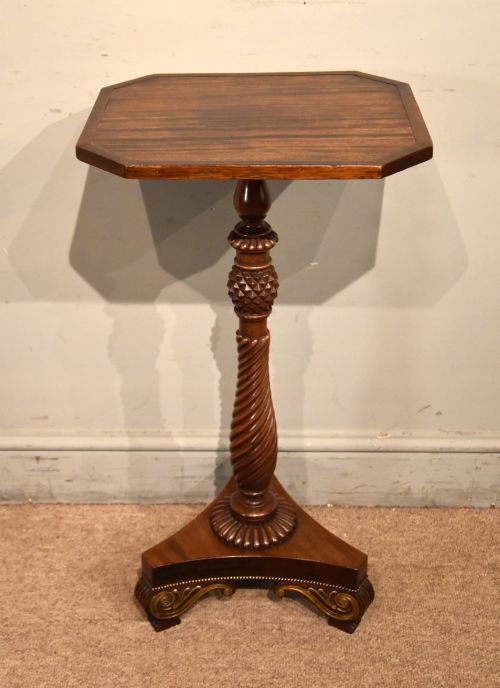
Cabinet makers utilised solid mahogany and flame mahogany veneers over secondary timbers, often incorporating boxwood stringing for linear contrast. Turning and joinery created sturdy pedestal bases with tripod legs.
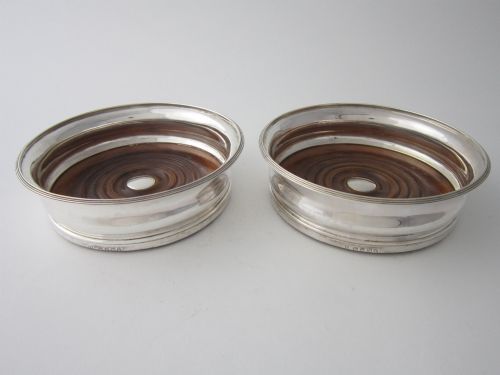
Metal hardware played a structural and decorative role, featuring brass bands on coopered cellarettes and cast metal for bottle coasters. Tilt-top mechanisms utilised iron hinges and catches to allow tops to fold flat when not in use.
Listings feature mahogany, rosewood, and walnut timbers, alongside brass and boxwood decorative elements.
What varies in quality
The refinement of the timber selection dictates the visual weight of the piece, with figured mahogany and distinct grain patterns marking out superior examples. Crispness in the turning of the central pedestal and the sharpness of any inlay separate standard production from master craftsmanship.
Proportion and stability define the utility of these stands, particularly in tripod designs where leg placement must support the top securely. Original brass fittings and smooth action in tilt-top mechanisms preserve the integrity of the piece.
Gillow
The Regency Mahogany Wine Stand Glossary
- Tripod table
- A small table supported by a pillar on three legs. These tables often feature tilt-top mechanisms for storage.
- Cellarette
- A chest or box designed to hold bottles of wine, frequently lead-lined and banded in brass. They sit on stands or directly on the floor.
- Tilt-top action
- A hinge mechanism allowing the tabletop to pivot into a vertical position. This saved space in dining rooms when the table was idle.
- Boxwood inlay
- Contrasting light wood inserted into recesses in the mahogany surface. It creates fine geometric lines and borders.
- Coopered
- Constructed from curved wooden staves bound with metal hoops, much like a barrel. This technique formed waterproof wine coolers.
Regency Mahogany Wine Stand: Frequently Asked Questions
How were wine stands used?
Dining rooms utilised these stands to hold bottles, decanters, and glasses close to guests without cluttering the main dining surface. Cellarettes stored bottles securely, sometimes lined to hold ice.
Tilt-top tables were tipped upright and pushed against walls when the meal ended. Smaller stands also held candles or tea equipment.
How do I identify a regency piece?
Regency furniture dates from the early nineteenth century, characterised by classical proportions and restraint. Look for architectural pedestals, brass mounts, and rich mahogany grains.
Pieces from this era often show French Empire influence or incorporate subtle boxwood stringing. Later nineteenth-century items frequently adopt similar Regency styles.
Where should I place a wine stand at home?
These compact stands suit tight spaces, corners, or beside armchairs and sofas. Their small footprints make them ideal as lamp tables or occasional display surfaces.
Tilt-top versions can be displayed folded against a wall to showcase the grain of the wood. Avoid placing them near direct heat sources to protect the mahogany veneer.