



Regency Mahogany Supper Table
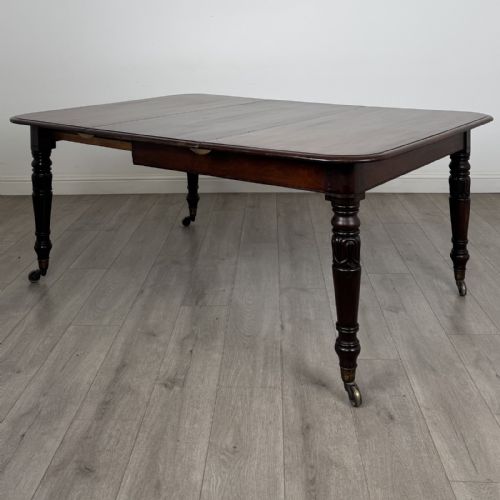
A regency mahogany supper table provides a sturdy dining surface that folds or tilts when the meal finishes.
Regency Mahogany Supper Table
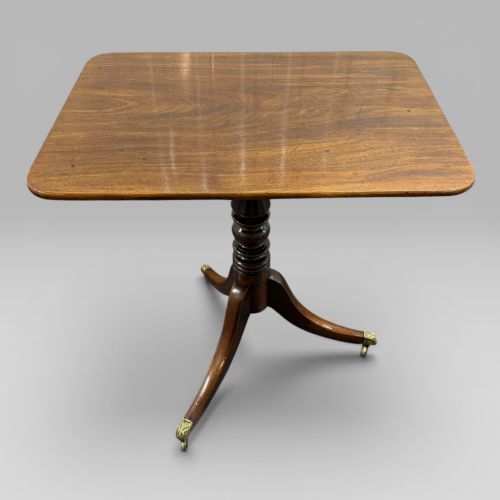
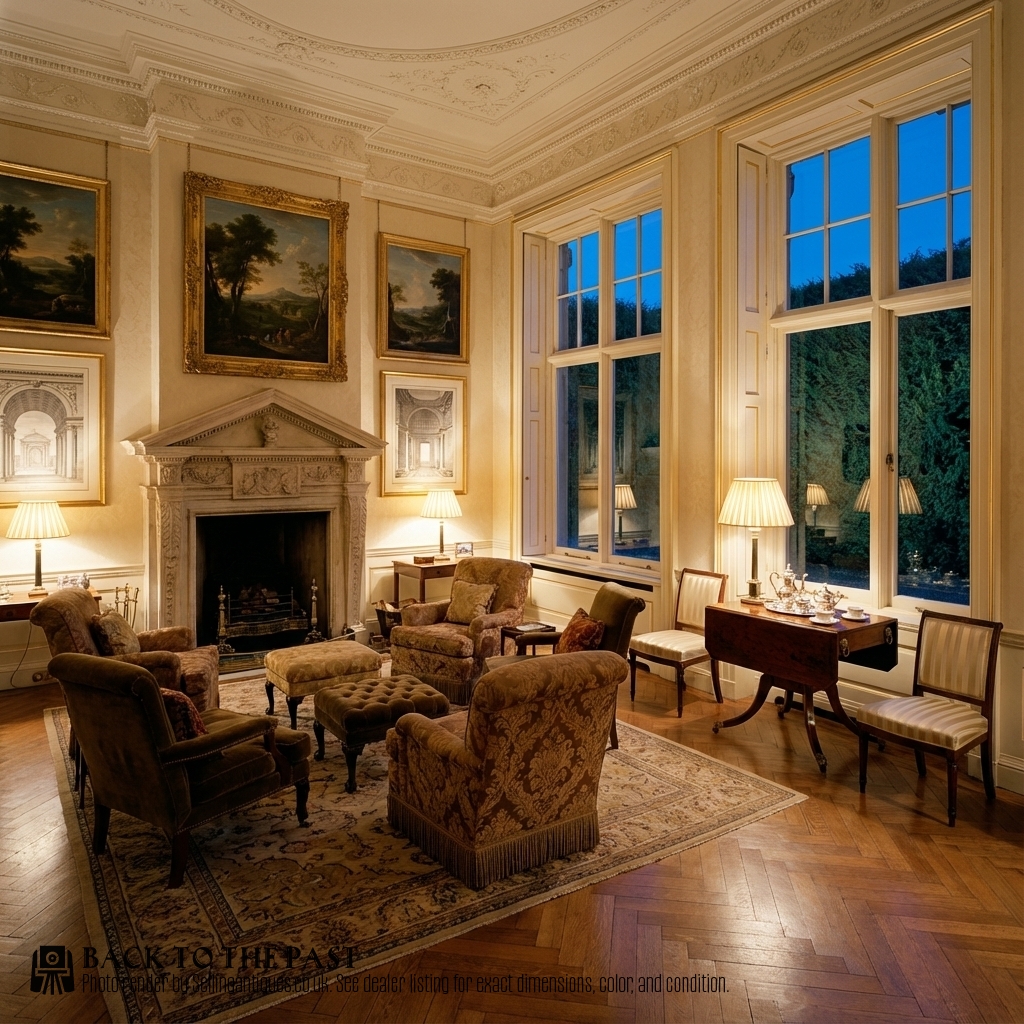
A regency mahogany supper table brings together the flexible dining arrangements and rich timber tones characteristic of late Georgian and Regency interiors. These pieces appear in forms that fold over, drop leaves, or tilt on a central pillar, serving multiple daily functions.
Buyers meet examples spanning the Georgian, Regency, and William IV periods, alongside later 19th Century interpretations and early 20th Century revivals. Many take the shape of oval or circular tables supported on pedestal bases with tripod legs.
Timbers and construction methods
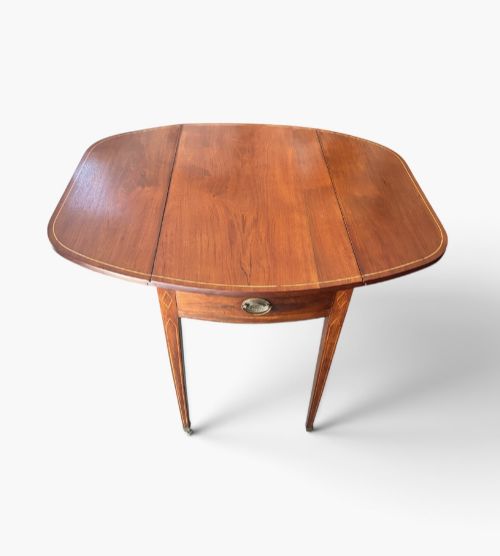
Cabinet makers built these tables using solid mahogany and figured veneers, frequently accentuating borders with boxwood or satinwood stringing and inlay. Brass fittings, including castor feet and hinges, appear on many examples from the period.
The tilt top or snap top mechanism allows the surface to pivot upright against the pillar when not in use, saving valuable floor space in smaller rooms. Fold-over and Pembroke configurations utilise pivoting leaves or hinged flaps to expand the surface area.
Regency Mahogany Supper Table Retail Price Guide 2026
Typical asking prices for regency mahogany supper table among the pieces listed under this phrase on Sellingantiques today, from the lower quarter to the upper quarter. They describe what is for sale here now, not the wider market.
Some tables hide a clever snap catch so the top folds flat like an obedient book when supper ends.
Distinctions in craftsmanship and materials
The choice of timber creates an immediate visual distinction, with flame mahogany and Cuban mahogany displaying deeper figure and grain movement than standard timber. Subtle inlay work in satinwood or boxwood demonstrates higher ambition in the workshop.
The stability of the pedestal base and the smoothness of the tilting or folding mechanism dictate the practical success of the piece. Crisp carving on the pillar and legs separates workshop production from standard output.
James Mein
The Regency Mahogany Supper Table Glossary
- Tilt top table
- A table with a mechanism that allows the wooden top to rotate vertically for storage.
- Pembroke table
- A drop leaf table with hinged flaps on opposite sides supported by folding brackets.
- Cuban mahogany
- A dense, dark timber imported from the West Indies, prized for cabinet making during the Georgian and Regency eras.
- Boxwood inlay
- Narrow strips of pale wood inserted into carved channels to create geometric borders.
- Snap top
- A spring-loaded catch that locks a tilt top table securely into its horizontal position.
Regency Mahogany Supper Table: Frequently Asked Questions
How do I use a tilt top table?
Release the brass catch beneath the surface to pivot the wooden top into a vertical position. This allows the piece to stand flat against a wall when dining concludes.
Lower the top back to horizontal and engage the snap mechanism securely before placing items on the surface again.
What is the difference between a supper table and a breakfast table?
Supper tables often feature fold-over leaves or drop-leaf Pembroke designs suited for evening entertaining and card games. Breakfast tables more commonly utilise a fixed pillar and tilt top mechanism.
Both terms describe versatile tables from the Regency and Georgian periods that occupied central spaces in the home.
How can I date a mahogany table?
Examine the timber species, secondary woods, and construction methods used in the frame and pedestal. Cuban mahogany and specific brass castor designs point toward the Regency and late Georgian eras.
Later 19th Century and 20th Century pieces often display variations in proportion and machine-cut joinery compared to earlier examples.
How do I care for antique mahogany furniture?
Keep the wood away from direct heat sources and strong sunlight to prevent the mahogany and its veneers from drying out. Dust regularly with a dry cloth and apply occasional wax polish to maintain the finish.
Avoid placing damp glasses or hot dishes directly onto the polished timber surface.