

Regency Mahogany Shelf Stand
A regency mahogany shelf stand offers tiered display and storage, bringing architectural timber and clean proportion into a room.
Regency Mahogany Shelf Stand
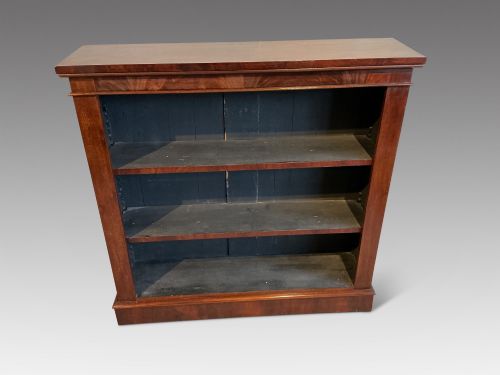
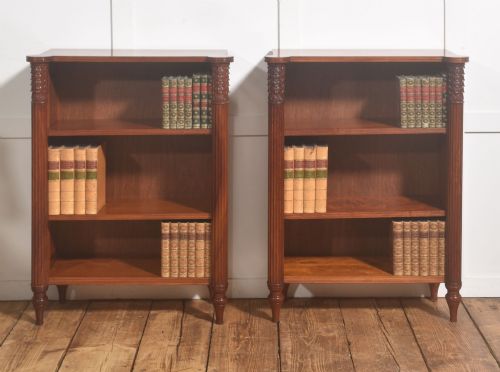
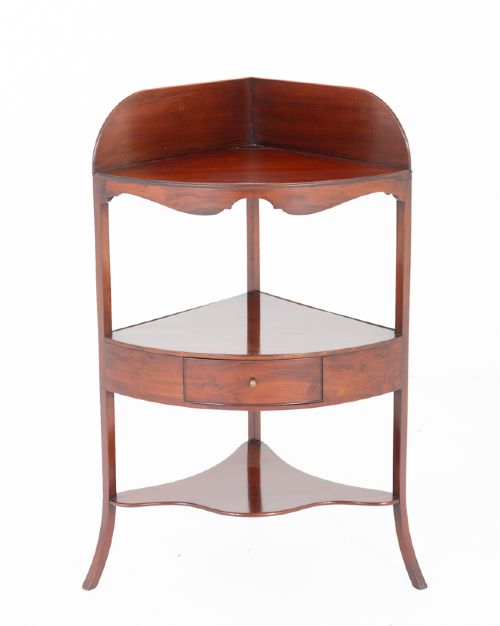
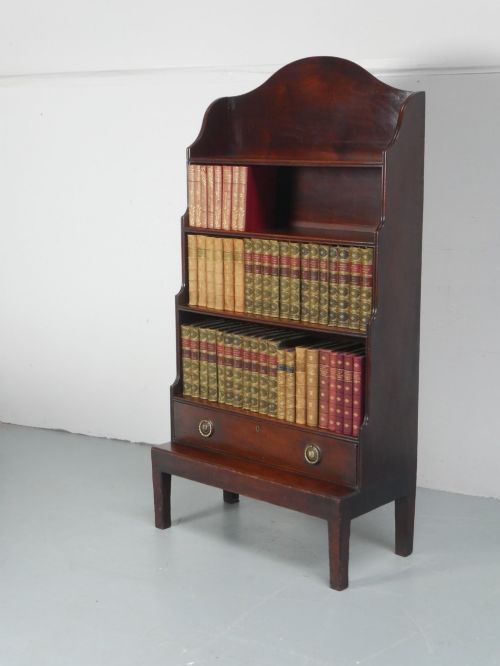
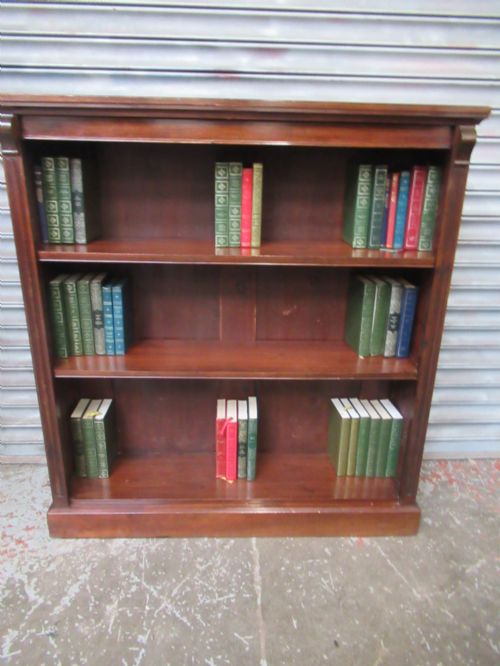
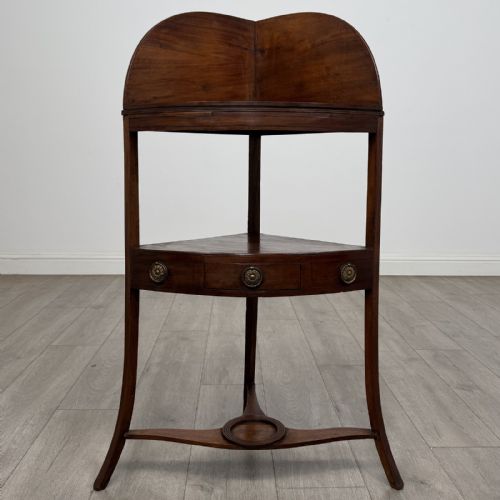
When buyers search for a regency mahogany shelf stand, they encounter multi-tiered furniture pieces designed for books, display and small objects. These items span open bookcases, étagères, whatnots, and corner stands.
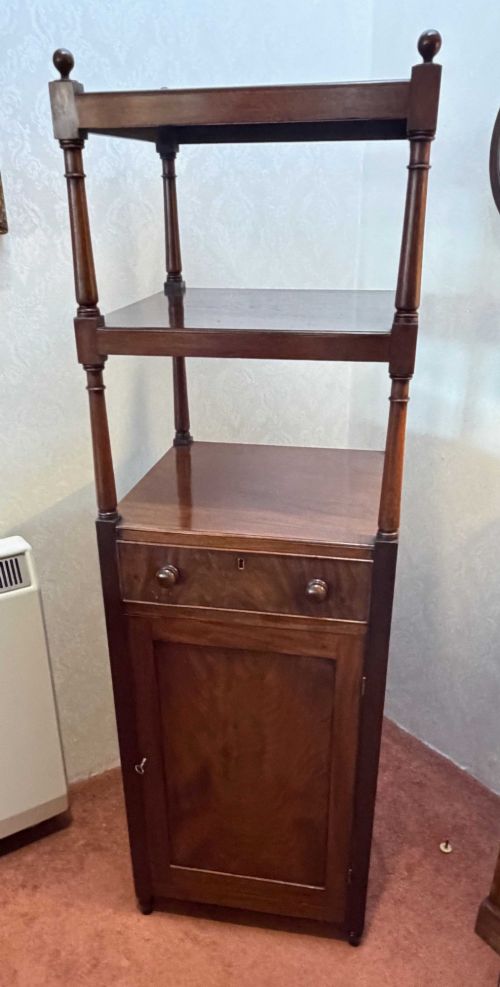
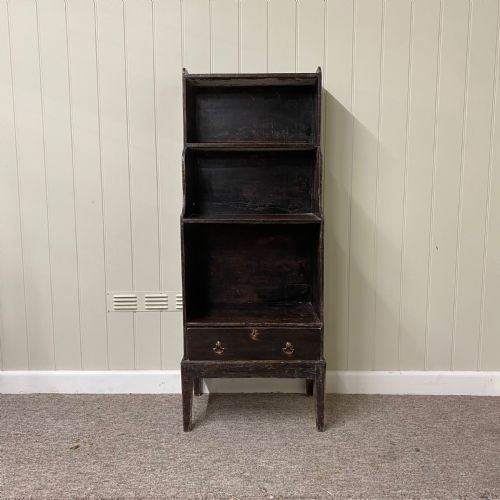
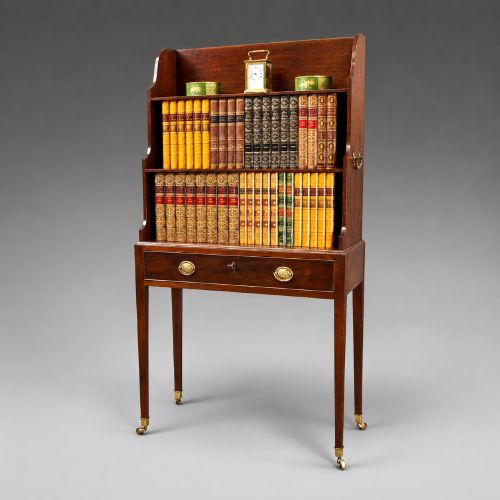
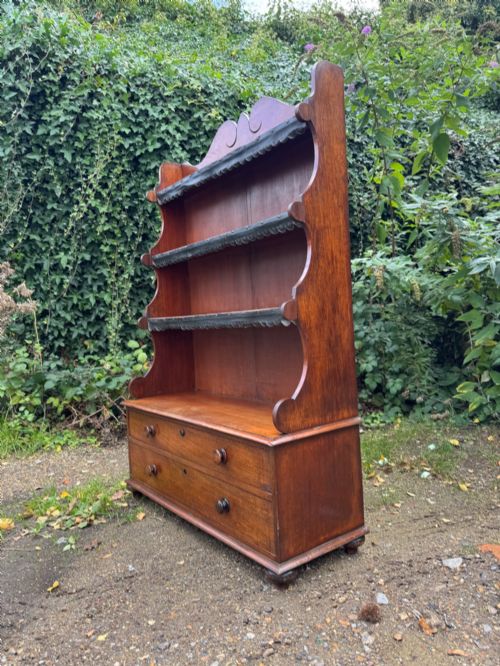
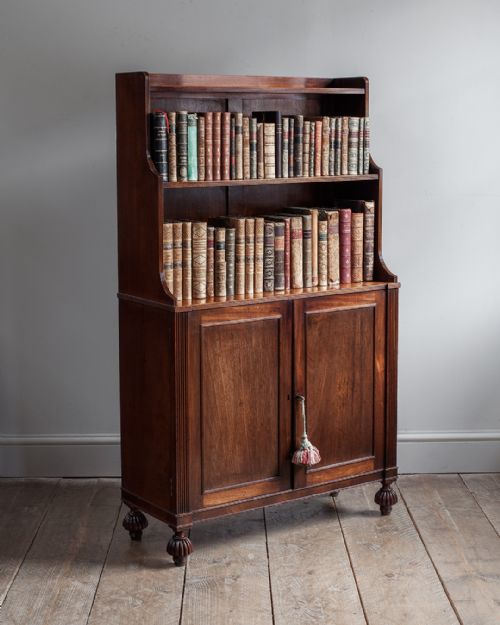
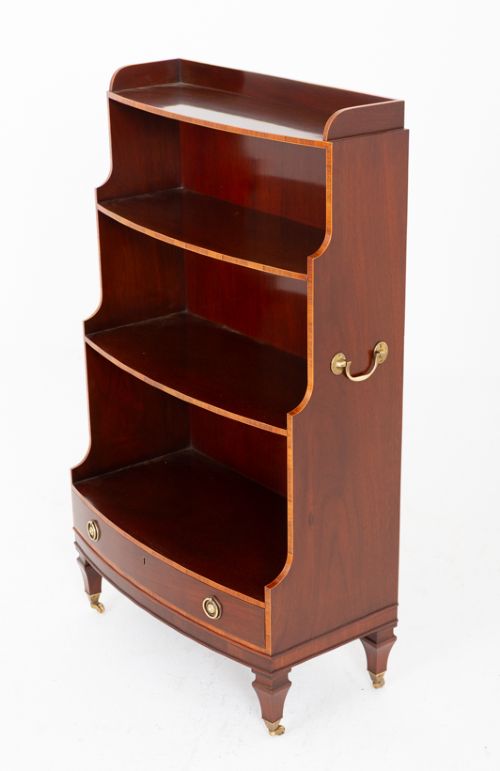
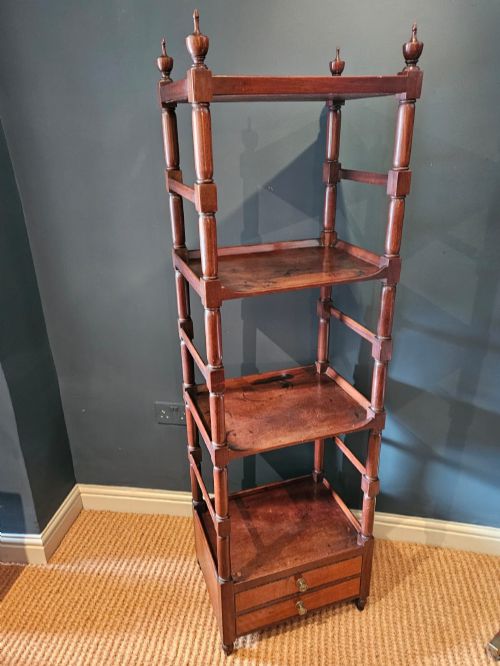
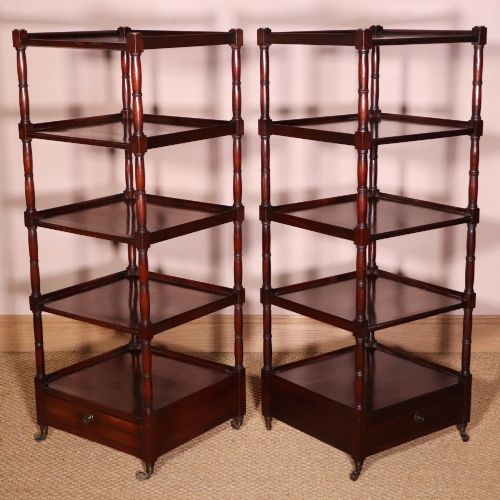
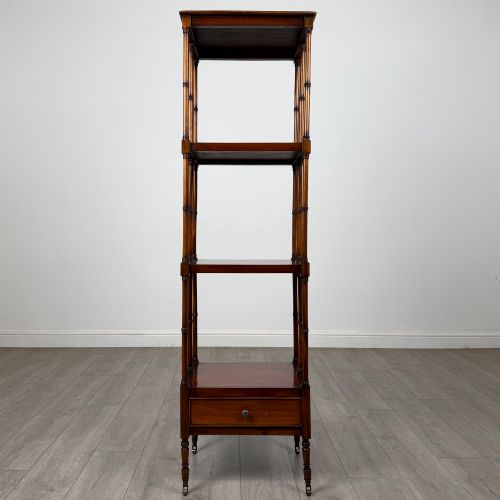
The version most commonly met on this page is the tiered mahogany shelving unit or open bookcase dating from the nineteenth century. Many examples incorporate graduated tiers, drawers, or cupboards beneath the open display levels.
Materials and construction
Makers utilised solid mahogany and mahogany veneers, frequently enhanced with contrasting boxwood stringing or flame mahogany grain patterns. Structural stability relied on turned or slender pillars supporting each distinct tier.
Metal details such as brass fittings and ormolu mounts appear on select pieces, adding weight and contrast to the timber. Leather surfaces and rosewood elements also feature in specific side tables and variants within the listings.
Regency Mahogany Shelf Stand Retail Price Guide 2026
Typical asking prices for regency mahogany shelf stand among the pieces listed under this phrase on Sellingantiques today, from the lower quarter to the upper quarter. They describe what is for sale here now, not the wider market.
Some portable bookshelves from the nineteenth century prove that earlier owners liked to rearrange their reading matter on the move just as much as we do.
Assessing quality in tiered shelving
The distinction between standard utility items and finer examples rests on the selection of timber and the crispness of the turning on the upright supports. Graduated tiers that maintain balanced proportions from top to bottom indicate deliberate design.
The Regency Mahogany Shelf Stand Glossary
- Whatnot
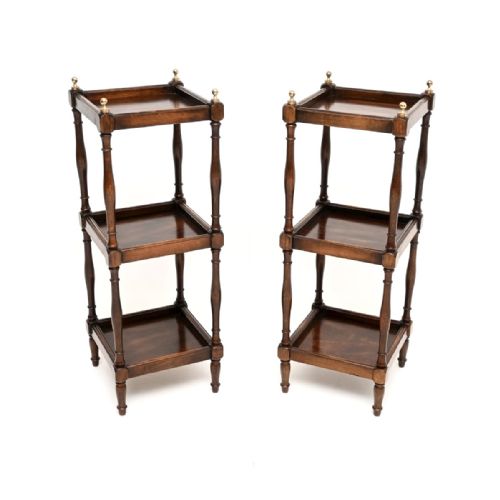
- A piece of furniture consisting of open shelves for books or ornaments, popular from the late eighteenth century onward. These structures often feature three to four tiers supported by slender columns.
- Waterfall bookcase
- A set of open bookshelves where the sides step back progressively from bottom to top, creating a profile resembling falling water. This style gained favour during the Georgian and Regency periods.
- Étagère
- A French term for a piece of furniture with a set of open shelves for displaying small objects or ornaments. They share similarities with English whatnots and tiered stands.
- Flame mahogany
- A veneer figure characterised by a distinctive flame-like pattern derived from the junction of branches to the trunk. It provides a highly decorative surface on drawer fronts and panels.
- Ormolu
- Gilt bronze ornamentation applied to furniture and decorative objects. This technique involves coating a bronze base with a mercury and gold amalgam.
Regency Mahogany Shelf Stand: Frequently Asked Questions
What is a whatnot?
A whatnot is a multi-tiered open stand designed for holding books, ornaments, and small household items. It became a staple of interior furnishing during the Georgian and Regency eras.
These pieces use stacked platforms supported by upright columns or pillars, allowing objects to be displayed visibly from multiple angles around a room.
How do waterfall bookcases differ?
Waterfall bookcases feature stepped shelves where each upper level is narrower than the one below it. This creates a receding profile against the wall.
Originating in the Georgian period, the design prioritised both display and a compact footprint for smaller collections of books.
Where were corner stands used?
Corner stands were built to fit directly into the unused angles of a room. They maximised floor space while providing sturdy tiers or washbasin enclosures.
Many surviving examples feature raised galleries or curved fronts designed to contain items safely within the corner boundary.
What distinguishes Regency furniture?
Regency furniture, produced during the early nineteenth century, favours clean architectural lines and rich dark timbers. It draws inspiration from classical Greek, Roman, and Egyptian forms.
Makers frequently paired mahogany with brass inlays, slender columns, and subtle ormolu mounts rather than heavy carved ornamentation.