


Regency Keepsake Box
A regency keepsake box offers a tangible link to the past, serving as a secure repository for personal valuables and intimate treasures.
Regency Keepsake Box
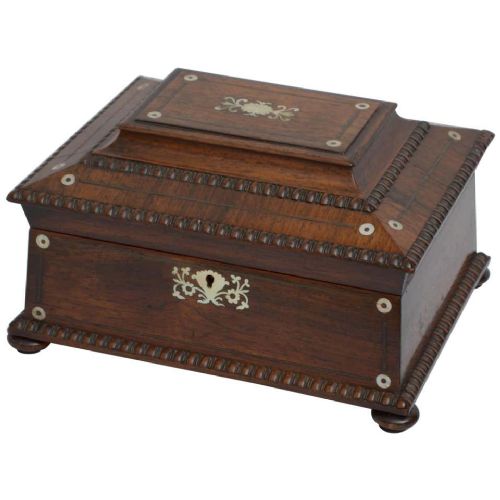
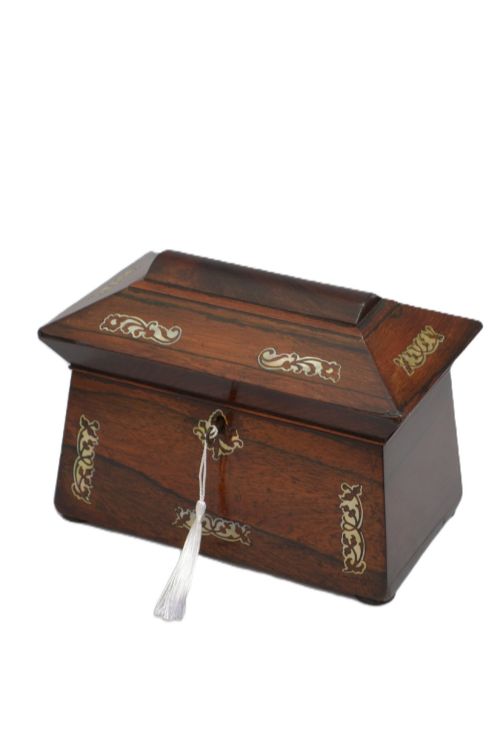
A regency keepsake box encompasses a diverse array of small receptacles designed to safeguard correspondence, jewellery, and personal valuables. The pieces encountered on this page predominantly hail from the Regency period, the broader 19th Century, and the Georgian era.
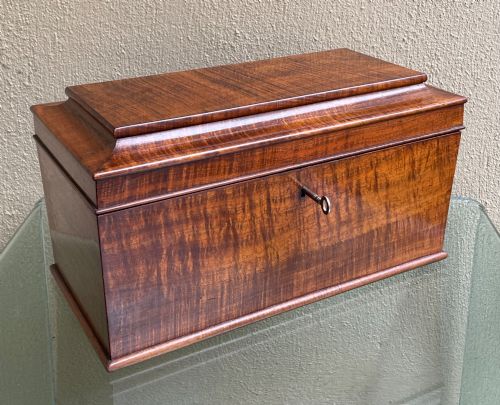
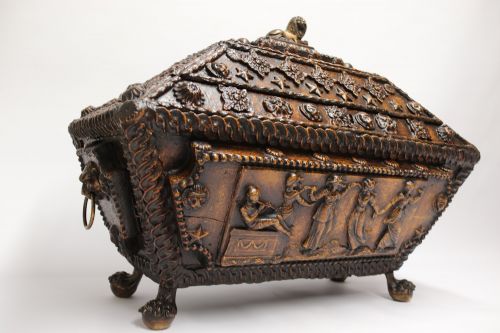
The physical forms vary considerably to accommodate different contents, ranging from tea caddies and document cases to sarcophagus-shaped jewellery boxes and games receptacles. Many examples reflect the stylistic shifts of the early 19th century, including William IV and George IV influences, alongside European folk art and Anglo-Indian traditions.
Materials and Techniques
Cabinetmakers utilised a rich palette of timbers, pairing dense hardwoods like rosewood, mahogany, coromandel, and ebony with lighter decorative veneers such as satinwood, burr yew, and sycamore. Metal mounts in brass and bronze frequently reinforce the corners and edges of campaign and document boxes.
Surface ornamentation defines many pieces, employing intricate techniques such as penwork, pokerwork, gesso decoration, and parquetry inlay. Mother-of-pearl and tortoiseshell appear as decorative accents, while leather binding and velvet linings add functional interior details.
Periods represented across the pieces span the Georgian era, the Regency, and the wider 19th Century.
Craftsmanship and Material Selection
The distinction between standard examples and finer pieces lies in the choice of timber and the precision of surface decoration. Highly figured veneers like burr yew or coromandel, combined with meticulous penwork or brass inlay, elevate the status of a box.
Structural integrity and the preservation of original surfaces dictate overall quality. Pieces that retain their fitted interiors, original mounts, and untouched patination demonstrate superior craftsmanship and historical survival.
The Regency Keepsake Box Glossary
- Tea caddy
- A small container originally built to store loose tea leaves. These boxes often feature internal compartments and secure lids.
- Campaign box
- A portable receptacle designed for travel, typically fitted with brass corner guards and flush carrying handles.
- Penwork
- A decorative technique using ink to draw intricate designs directly onto a wood surface before sealing. This method creates detailed pictorial scenes or geometric borders.
- Sarcophagus
- A box style featuring a stepped, domed lid tapering inwards towards the top, popular during the Regency period for jewellery and document cases.
- Tunbridge ware
- Small wooden objects decorated with mosaic patterns created from thousands of tiny coloured wood segments. It originates from the spa town of Tunbridge Wells.
Regency Keepsake Box: Frequently Asked Questions
What did they store inside?
These boxes held a variety of personal effects, depending on their specific form. Owners used them to secure private correspondence, loose tea, writing implements, and precious jewellery.
Larger chests accommodated silver, documents, or gaming pieces, functioning as secure domestic safes before the widespread use of built-in furniture locks.
How do I date a box?
Dating relies on observing the combination of timber choices, construction methods, and decorative styles. Regency pieces frequently employ rosewood or mahogany with brass stringing, reflecting early 19th-century taste.
Later Victorian examples often incorporate different veneer selections and heavier proportions. Structural clues inside, such as dovetailing and lining materials, also help narrow down the period of manufacture.
Where were they placed?
Gentlemen and ladies kept these boxes on dressing tables, writing desks, and Pembroke tables within the principal rooms of a house. Portable document boxes and tea caddies sat readily to hand for daily domestic administration.
Table top versions functioned both as decorative ornaments and practical storage units for items required throughout the day.
Are the interiors original?
Many boxes retain their original velvet, silk, or paper linings alongside fitted compartments for rings, nibs, or tea canisters. Some interiors show signs of wear consistent with age and active use.
Replacements do occur over time, so inspecting the fit and adhesive residues helps determine whether the internal fittings match the age of the outer case.