






Regency Jardiniere
A regency jardiniere brings sculptural plant housing into formal rooms through classical mahogany, brass, and porcelain forms.
Regency Jardiniere
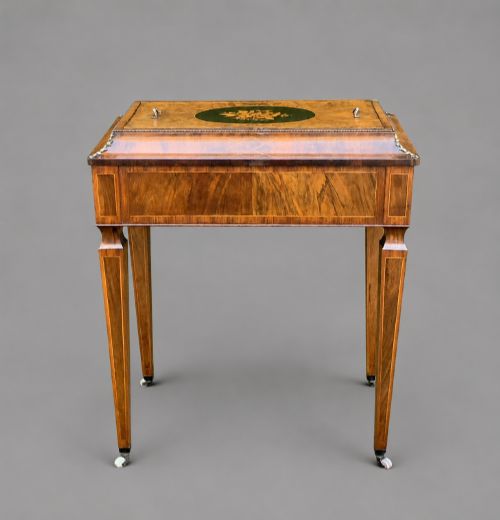
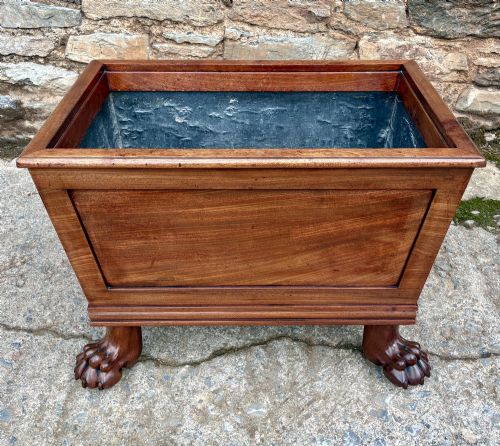
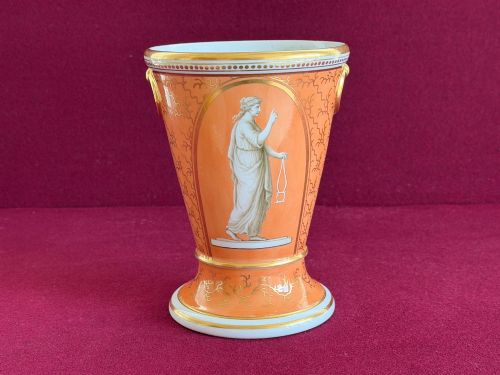
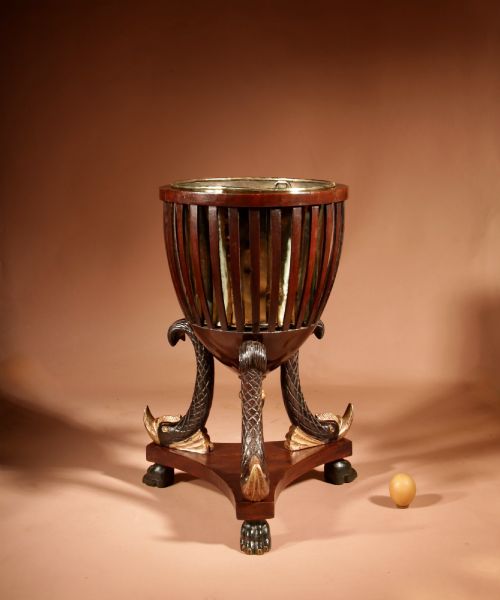
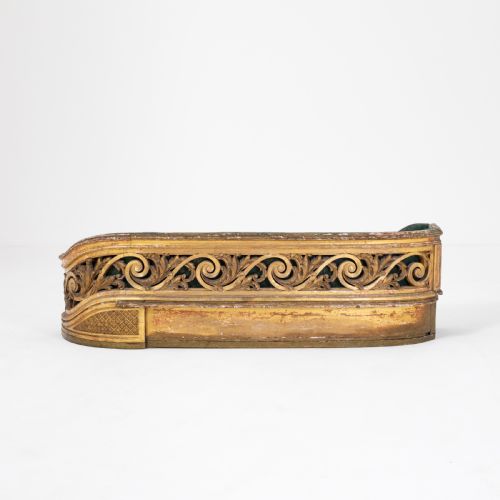
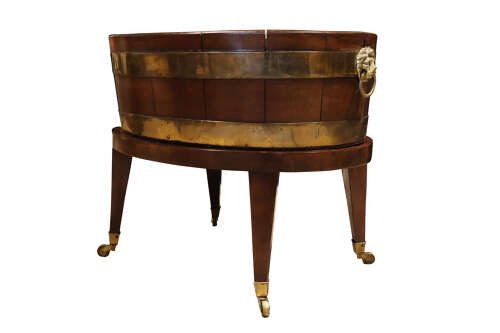
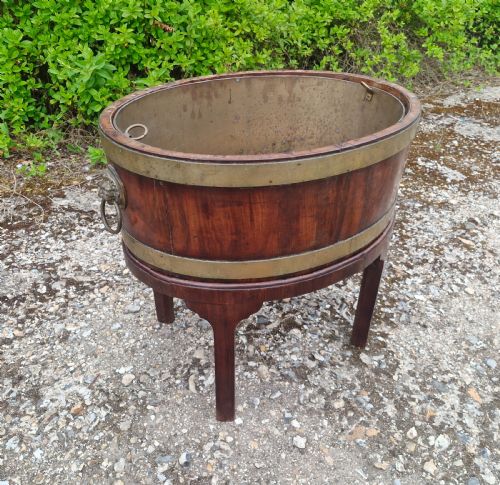
A regency jardiniere takes the form of coopered mahogany buckets, classical urns, and porcelain bough pots designed to display indoor plants. These pieces bridge the Georgian and Regency periods, drawing on French Empire and Dutch styles.
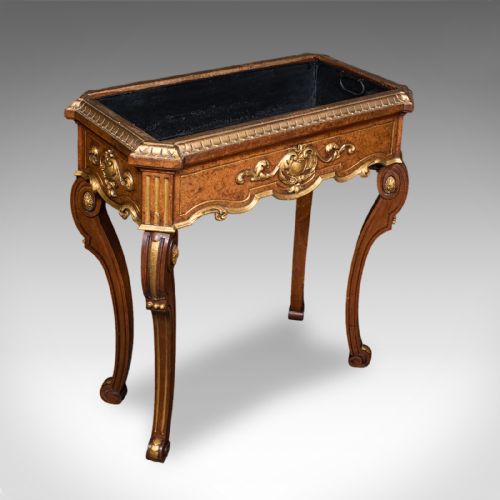
Makers adapted wine coolers, cellarettes, and tea stoves into plant holders, utilising brass banding and lead linings to contain moisture. Buyers regularly encounter round mahogany vessels and pedestal stands alongside architectural giltwood frames.
Craftsmanship and Material Depth
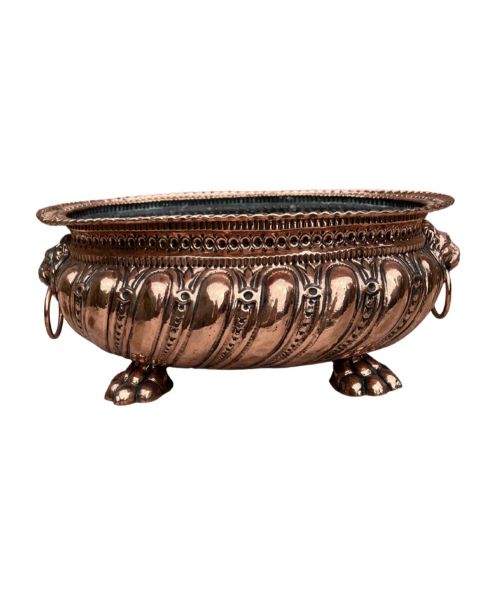
Quality rests in the integrity of the timber selection and the crispness of bronze or brass mounts. Fine pieces display hand-hammered repoussé work and precise cooperage rather than plain turned construction.
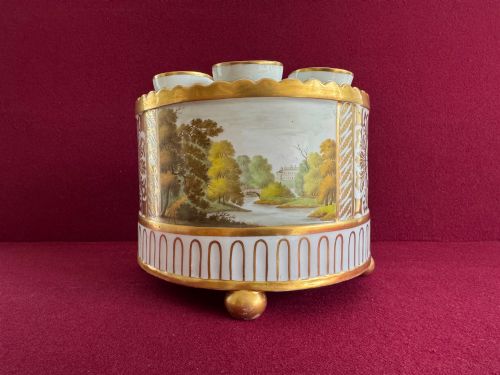
The distinction between standard utility items and high-status pieces lies in factory provenance, such as named porcelain works, and sophisticated architectural elements like carved giltwood frames.
Regency Jardiniere Retail Price Guide 2026
Typical asking prices for regency jardiniere among the pieces listed under this phrase on Sellingantiques today, from the lower quarter to the upper quarter. They describe what is for sale here now, not the wider market.
Listings feature periods from Georgian and Regency through to the 1930s, utilising mahogany, brass, porcelain, marble, and gold leaf.
Flight & Barr·Barr Flight & Barr·Enoch Wood & Sons
The Regency Jardiniere Glossary
- Coopered
- Constructed from wooden staves bound with metal hoops, similar to barrel-making. This method kept damp soil secure within mahogany planters.
- Bough pot
- A decorative ceramic or porcelain vessel designed for holding cut branches and flowers before evolving into indoor plant holders. Factory examples often include pierced inner covers.
- Repoussé
- A metalworking technique where the artisan hammers designs from the reverse side to form raised patterns. Brass planters frequently use this method for decorative friezes.
- Cellarette
- A lockable container for holding wine bottles that shares identical construction with early plant buckets. Many pieces served both functions.
- Athenienne
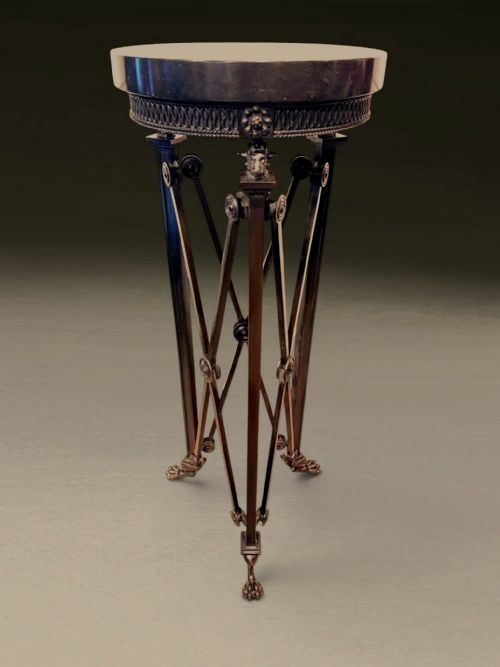
- A tripod stand supporting a classical basin, adapted during the Regency period for ornamental plants and wash stands.
Regency Jardiniere: Frequently Asked Questions
What is a regency jardiniere?
A regency jardiniere is a decorative plant holder from the early nineteenth century, typically fashioned from mahogany, brass, or porcelain.
These pieces reflect classical design influences ranging from French Empire to Dutch styles, serving as ornamental housing for indoor flora.
How were they used originally?
Wealthy households utilised these vessels in principal rooms and halls to display exotic plants, bulbs, and cut greenery.
Many designs originated as wine coolers, cellarettes, or tea stoves, featuring protective metal liners to catch water runoff from damp soil.
How do I protect the wood?
Protecting historical wood requires using removable inner containers or trays that prevent moisture from contacting the antique timber and brass banding directly.
Routine maintenance involves applying appropriate wax polish to maintain the finish of mahogany, walnut, and rosewood surfaces.
How to tell periods apart?
Distinguishing periods involves examining timber choices, mount styles, and manufacturing techniques such as hand-coopered staves versus later machine turning.
Earlier pieces display Georgian restraint or Regency neoclassical lines, while later revivals incorporate heavier carving or varied wood veneers.