



Regency Inlaid Work Box
A regency inlaid work box offers compact, portable craftsmanship designed to hold sewing gear, letters, or small valuables in style.
Regency Inlaid Work Box
A regency inlaid work box is a portable lidded chest created to hold sewing implements, threads, and small personal valuables. These pieces span the Regency, Georgian, and Victorian periods, alongside later nineteenth century interpretations.
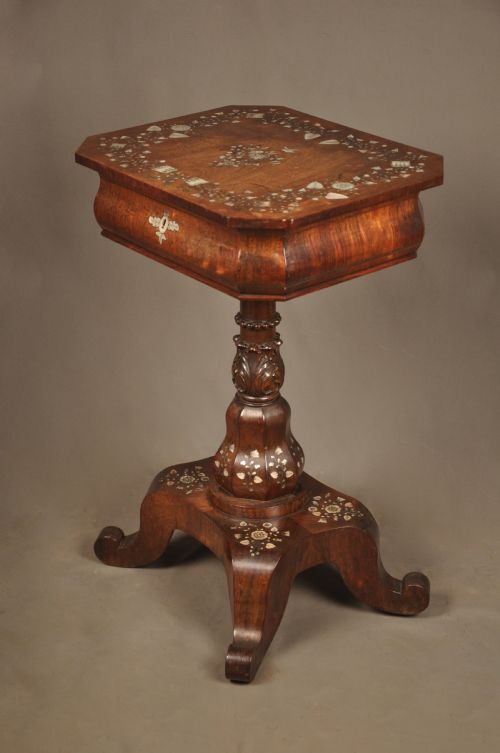
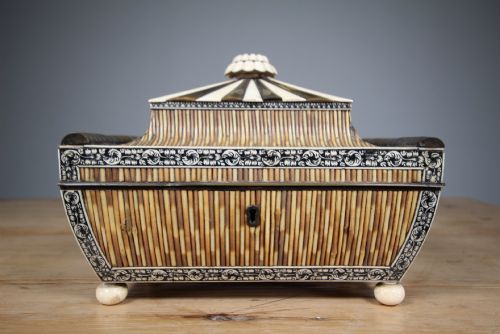
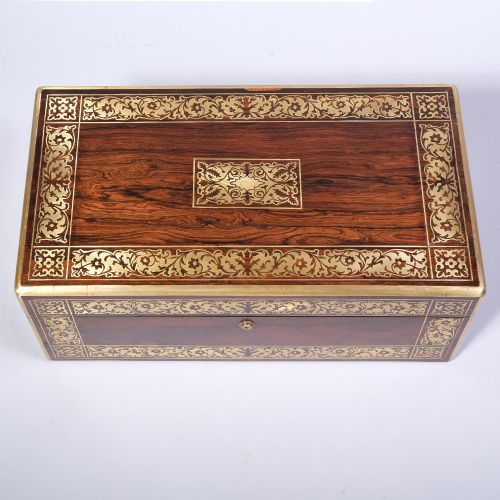
The most common version met on this page is a rosewood table or desktop box featuring contrasting wood inlay, brass stringing, or mother of pearl. Examples range from compact sarcophagus shapes to larger fitted sewing tables.
Makers utilised various timber species including yew, coromandel, satinwood, and mahogany to construct these containers. Interiors often retained silk linings, pincushions, and lidded compartments designed for domestic utility.
How they were made
Craftsmen built these containers from dense hardwoods like rosewood, mahogany, and yew, often applying decorative veneers over a secondary timber carcase. Boxwood and ebony provided pale and dark contrasts for geometric inlay patterns.
Metalwork played a structural and decorative role, with brass stringing and inlay framing the lid and edges. Silk linings and bone or mother of pearl fittings completed the internal compartments of the sewing boxes.
Regency Inlaid Work Box Retail Price Guide 2026
Typical asking prices for regency inlaid work box among the pieces listed under this phrase on Sellingantiques today, from the lower quarter to the upper quarter. They describe what is for sale here now, not the wider market.
Current listings feature rosewood, brass, ebony, boxwood, bone, and silk across the Regency, Georgian, and Victorian periods.
What varies in quality
Quality rests in the precision of the timber selection and the execution of the inlay work. Finer examples display tight grain matching, crisp parquetry, and intact brass stringing without gaps or lifting.
Internal fittings dictate the grade of a piece. Boxes retaining original silk linings, fitted compartments, and working locks with keys command greater attention than modified or stripped interiors.
The Regency Inlaid Work Box Glossary
- Sarcophagus
- A coffin-like box shape with a domed lid popular during the Regency period. This profile gave desktop boxes a substantial architectural presence.
- Inlay
- The technique of embedding contrasting materials into a solid wood surface to create patterns. Boxwood and ebony were frequent choices for geometric designs.
- Stringing
- A thin, narrow strip of contrasting wood or brass embedded flush into the surface of the box. It served to outline panels and lids.
- Parquetry
- Geometric wood mosaic work used to create patterned surfaces on lids and panels. It differed from pictorial marquetry by relying on repeating angles.
- Pincushion
- A small stuffed pad integrated into the interior of sewing boxes to hold pins and needles. They often appeared in miniature form within Georgian and Regency workboxes.
Regency Inlaid Work Box: Frequently Asked Questions
What is a regency inlaid work box used for?
These boxes served primarily as portable repositories for sewing gear, threads, needles, and small personal keepsakes during the nineteenth century. Ladies kept them on tables for immediate access to needlework tasks.
Today, they function as decorative storage on desks or dressing tables for modern jewellery, letters, and small accessories.
How do I tell a Regency box from a Victorian one?
Regency pieces typically date from the early nineteenth century and lean toward classical restraint, featuring brass stringing, rosewood, and sarcophagus silhouettes. Cabinetmakers of this era favoured architectural proportions and precise geometric inlay.
Victorian examples often introduce bolder contrasts, heavier proportions, or alternative timbers like coromandel alongside differing interior upholstery styles.
Are original silk linings common?
Original silk linings are uncommon because fragile textiles wore out through frequent use over the decades. Many surviving containers have received later fabric replacements during past restoration work.
Finding a box with intact period lining and original internal paper or velvet is noteworthy for collectors.
Can I use these boxes for daily storage?
These boxes handle modern daily use well when treated with basic care. Their sturdy hardwood construction and original compartments suit modern storage for rings, keys, or stationery.
Keeping them out of direct sunlight and away from rapid humidity changes protects the delicate rosewood veneer and internal silk.