


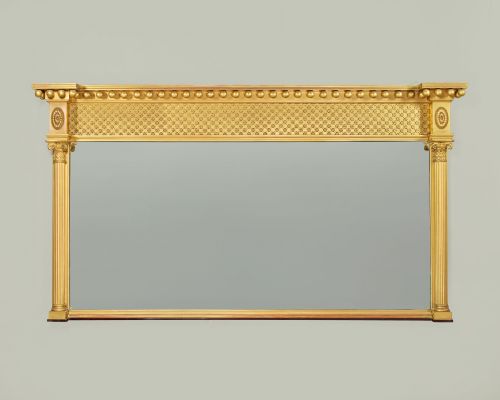

Regency Gilt Mantle Mirror
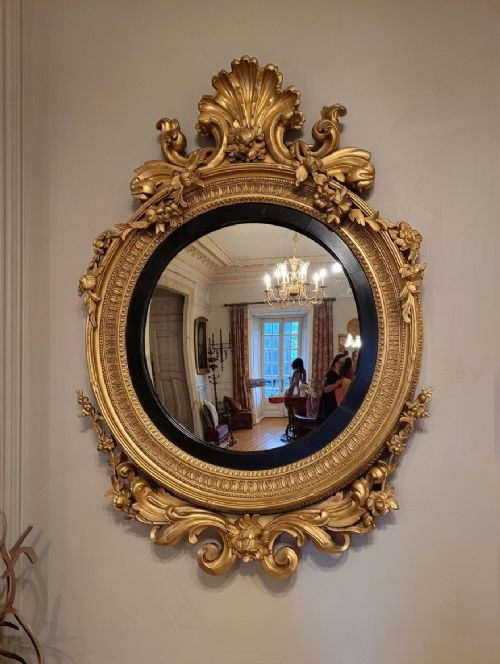
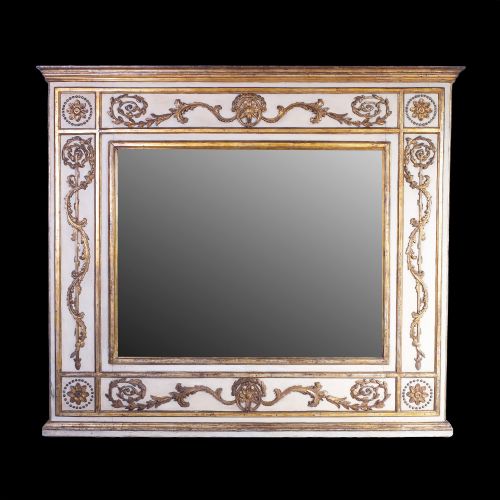
A regency gilt mantle mirror brings architectural presence and reflected light to a room, drawing the eye with classic frames and gilded surfaces.

Regency Gilt Mantle Mirror
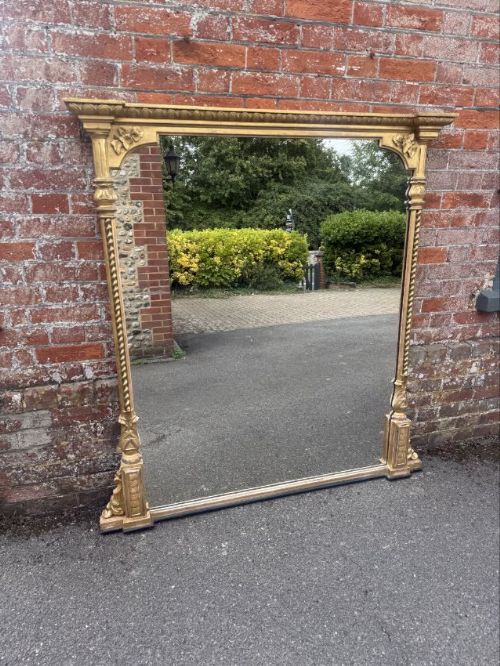
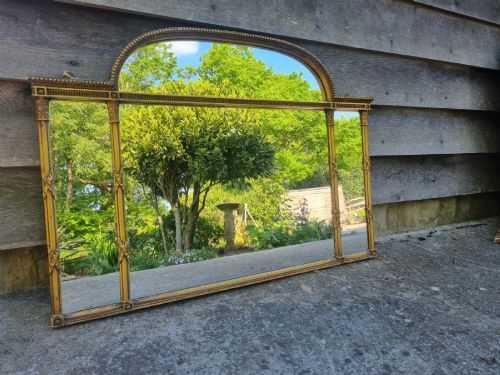
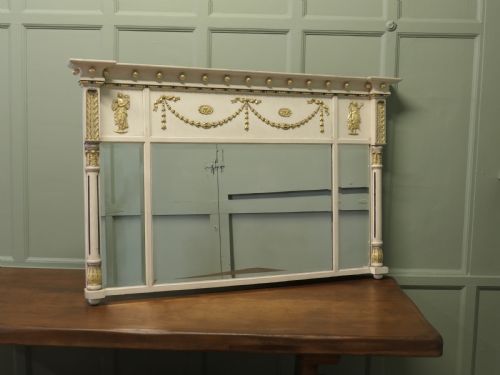
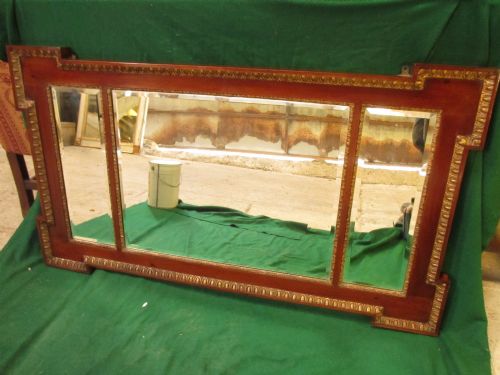
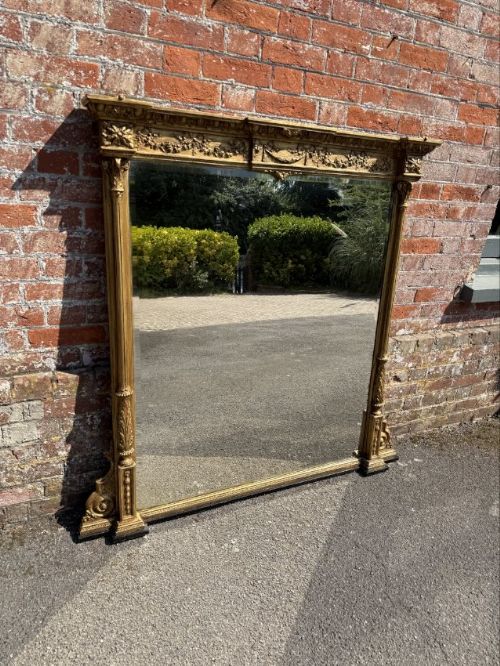
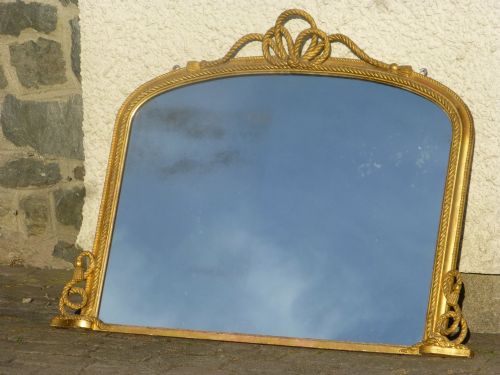
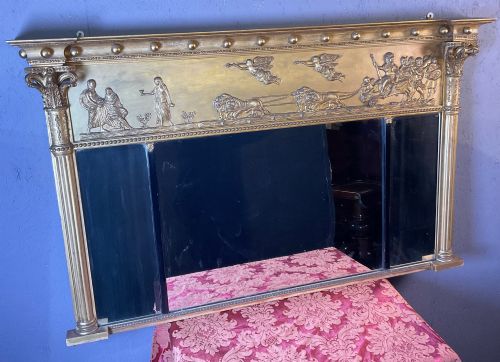
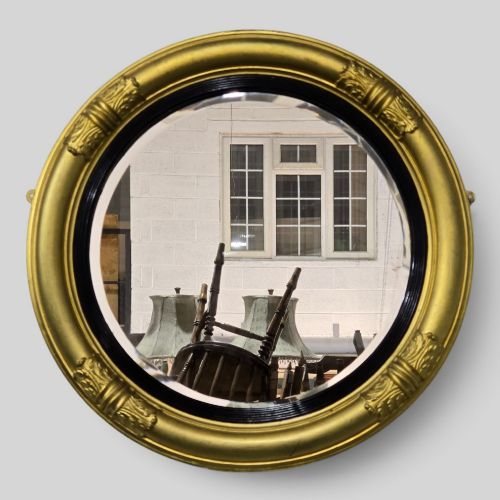
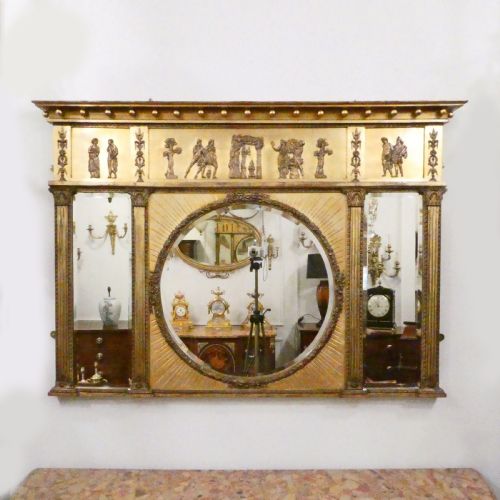
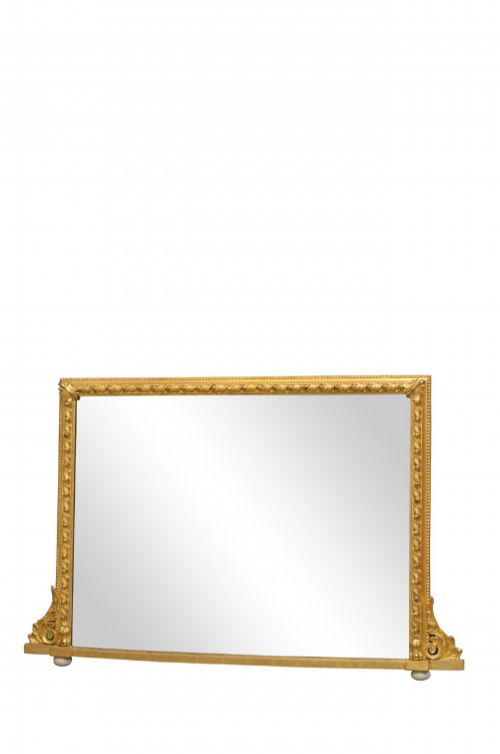
When searching for a regency gilt mantle mirror, you are looking at large architectural wall pieces designed to sit above fireplace mantelpieces or anchor main reception rooms. The selection includes grand triple plate triptych formats, rectangular overmantles with column or rope twist frames, and smaller pier mirrors originating from the nineteenth century. These forms span strict Regency execution alongside later Victorian and Edwardian revivals that adopted the same classical vocabulary.
The most common versions met on this page are substantial nineteenth century overmantle mirrors featuring compartmentalised or multi-plate mirror glass. Frames frequently incorporate classical motifs such as laurel wreaths, friezes, and columns, alongside painted, ebonised, or parcel-gilt wooden structures. While authentic Regency examples sit alongside William IV and later nineteenth century interpretations, all share a distinct emphasis on horizontal or vertical proportions suited to period interiors.
How They Were Made
Carved wood and gesso formed the primary foundation for these gilded frames, allowing craftsmen to build up crisp architectural ornaments and rope twist details. Artisans applied gold leaf or liquid gilding over prepared gesso surfaces, sometimes combining this with ebonised wood, mahogany, birds eye maple, or faux marble elements. Composition ornament was frequently pressed into moulds and applied to wooden substrates for repeating friezes and classical motifs.
Mirror glass was set into frames as single large sheets or divided into triple plates, utilising silvering techniques appropriate to the period. Backboards made of timber secured the mirror plates within the rebate, protecting the fragile glass and providing structural rigidity to large overmantle assemblies.
Materials recorded across the inventory include giltwood, gesso, ebonised wood, birds eye maple, and gold leaf.
What Varies In Quality
The quality of a regency gilt mantle mirror rests heavily on the crispness of the gesso carving and the depth of the gilding. Superior examples display sharply defined mouldings where hand-carved wooden details and applied composition ornaments retain their original edge rather than appearing softened by excessive past restoration.
The integrity of the mirror glass itself distinguishes finer pieces, particularly where original silvering or multi-plate divisions remain intact. Well-made frames demonstrate balanced proportions, sturdy timber carcass construction behind the gilt surface, and harmonious integration of decorative friezes like laurel wreaths or columns.
The Regency Gilt Mantle Mirror Glossary
- Overmantle
- A large mirror specifically designed to hang or rest upon the mantelpiece above a fireplace. These pieces often feature wide horizontal formats to match the span of the hearth below.
- Gesso
- A plaster-like mixture applied to wood frames to create a smooth surface for gilding and low-relief moulding. It allows intricate decorative details to be shaped before the application of gold leaf.
- Triple Plate
- A mirror configuration where the glass is divided into three separate vertical or horizontal sections within a single frame. This technique was common in larger Regency overmantles to manage the constraints of early glass production.
- Giltwood
- Timber that has been coated with gold leaf or metallic paint to give the appearance of solid gold. It forms the primary decorative finish for classical and revival mirrors.
- Pier Mirror
- A tall, narrow mirror designed to hang on the wall space between two windows. They mirror the height of surrounding architectural openings and reflect additional light into the room.
Regency Gilt Mantle Mirror: Frequently Asked Questions
How do I hang a heavy overmantle mirror safely?
Large nineteenth century mirrors carry substantial weight from their wooden carcasses and thick glass plates. They require secure fixing directly into structural wall studs or masonry using heavy-duty brackets.
Many period overmantles were originally designed to rest upon the mantelpiece itself while anchored to the wall for stability. Consulting a professional installer ensures the weight is distributed properly without damaging the antique frame.
Where should I place a gilt mirror in a modern room?
Positioning these mirrors above a fireplace remains their traditional and most effective placement, anchoring the room's focal point. They also function well on main living room walls to bounce natural light deep into the space.
Keep them away from damp environments like bathrooms, as moisture can degrade the historic gesso and nineteenth century silvering on the glass plates.
How do I tell an original Regency mirror from a Victorian revival?
Original Regency pieces typically date from the early nineteenth century and often feature distinct neoclassical motifs like 'Retour D'Egypte' styling or classical Adams friezes. Construction methods, timber types such as mahogany or pine behind the gesso, and the character of the mirror plate help determine the exact period.
Victorian and Edwardian revivals from the 1850s to 1900s often utilised heavier composition mouldings and different backboard fixings while successfully emulating the earlier Regency aesthetic.