


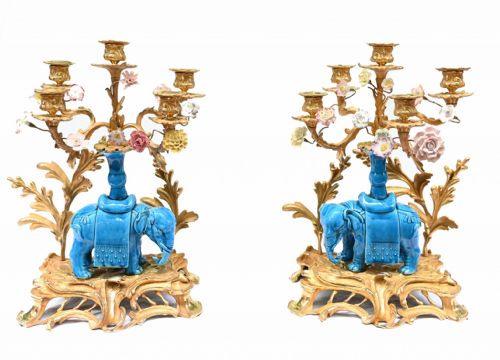
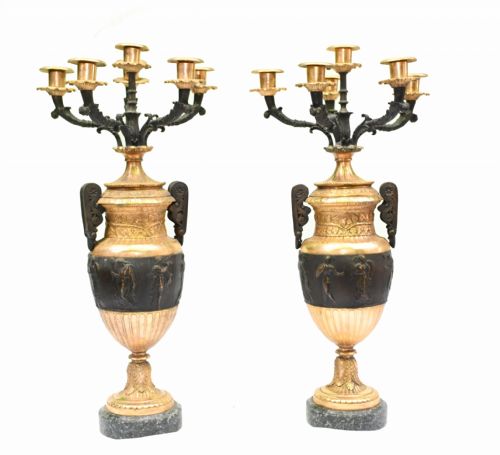


Regency Gilt Bronze Lighting
Regency gilt bronze lighting brings heavy metal and brilliant shine together in sculptural forms that command a room.
Regency Gilt Bronze Lighting
Regency gilt bronze lighting encompasses a range of pieces designed to illuminate period interiors through reflected candlelight or early electric conversions. Buyers seek out these items for their architectural presence and rich decorative detail.
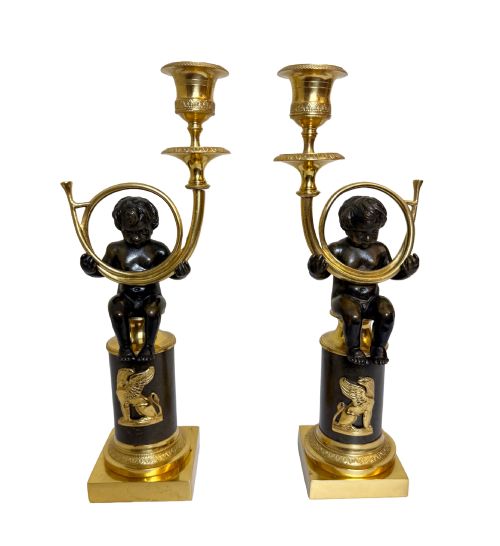
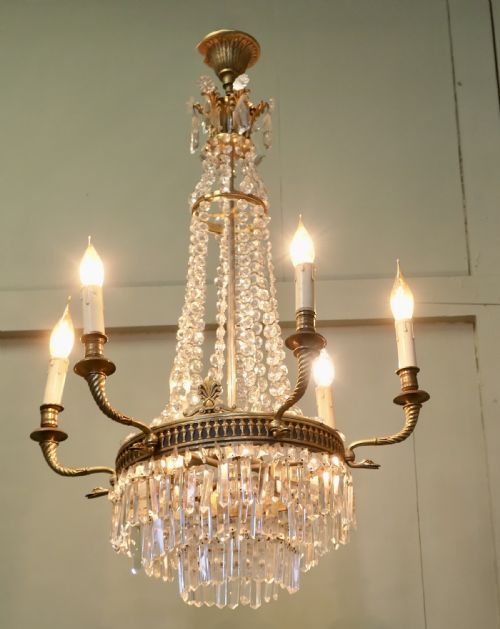
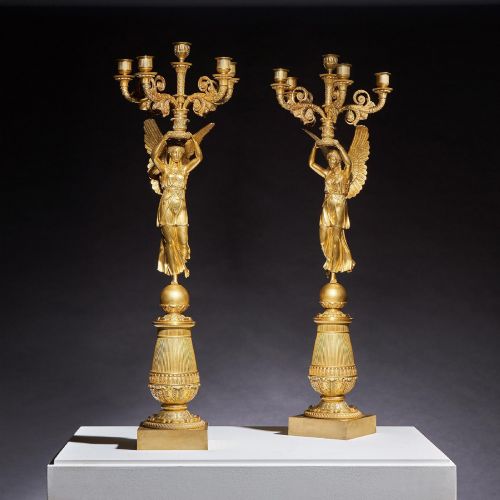
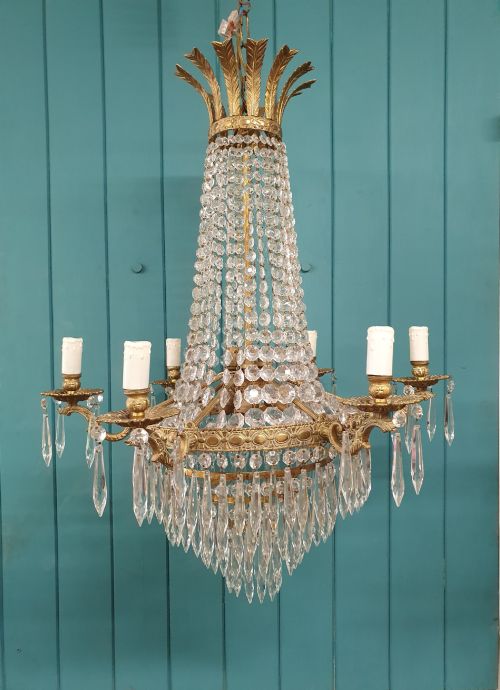
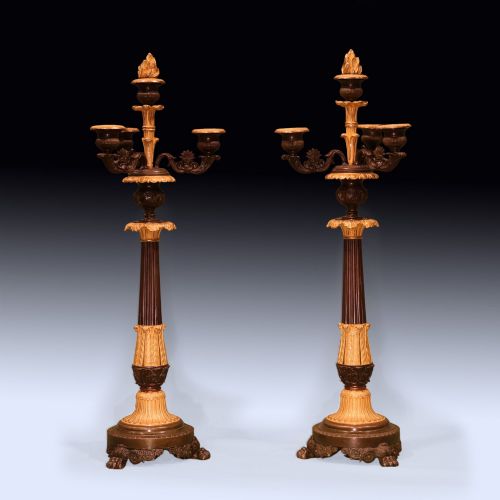
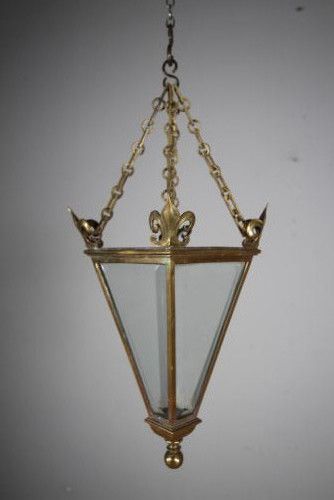
Candlesticks, candelabra and chandeliers dominate the selection, often pairing patinated dark bronze with bright gilded highlights. French Empire and Neoclassical influences appear frequently alongside distinct Regency designs.
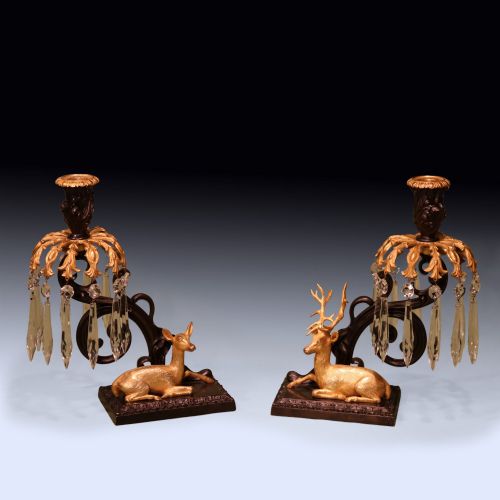
Pairs of figural candlesticks and multi-arm candelabra form the core of what meets the eye, featuring subjects from classical mythology to woodland animals.
Materials and Technique
Foundries utilised cast bronze, brass and ormolu, applying a mercury gilding process to achieve a lasting golden lustre beside dark patinated surfaces. Cut glass drops and marble bases add textural contrast to the heavy metal structures.
Sculptural components receive fine hand-chasing after casting to sharpen details in leaves, animal pelts and human figures. Multi-part assemblies screw or pin together securely to support the weight of branches and sconces.
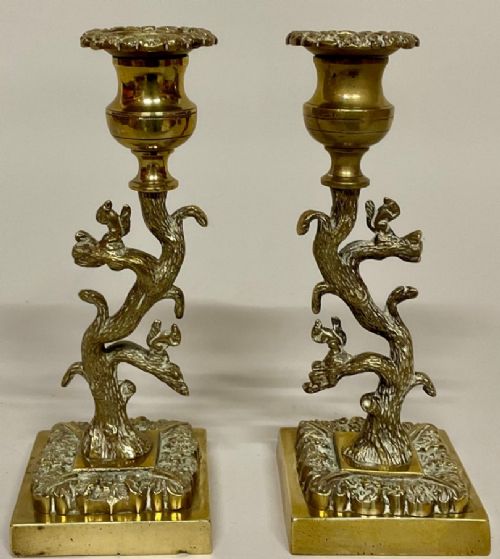
Squirrels sit among cast bronze tree branches on at least one pair of Regency candlesticks, nibbling nuts near the candle sockets.
Assessing Quality
The crispness of the bronze chasing dictates the visual success of each piece, distinguishing sharp feather or leaf work from soft, blurred casting. Original gilding depth and the integrity of the patination reveal how well a surface survives centuries of handling.
Proportion and weight matter immensely, as superior examples balance heavy bases with elegant arms without listing or leaning. The quality of secondary materials, such as genuine marble plinths or well-cut glass drops, elevates the overall execution.
Pierre Philippe Thomire·Galle
The Regency Gilt Bronze Lighting Glossary
- Ormolu
- Gilded bronze produced through an amalgam of mercury and gold applied to a cast bronze base. This historic technique creates a warm, deep gold finish that resists tarnishing.
- Patinated bronze
- Metal treated with chemical solutions to darken the surface to a rich brown or near-black tone. It provides a striking contrast against bright gilt elements.
- Campana
- A vase-shaped candle socket modelled after ancient Roman mixing vessels. These flare gently outward toward the rim to catch dripping wax.
- Lustre
- A candlestick or tabletop fixture hung with cut glass prisms or pendants. The crystal elements refract candlelight to increase illumination in a dark interior.
- Colza
- An oil-burning lamp mechanism popular in the early nineteenth century. These fixtures utilise refined rapeseed oil to feed a steady flame through a central burner.
Regency Gilt Bronze Lighting: Frequently Asked Questions
How do I clean gilt bronze?
Dust surfaces gently with a soft dry brush to remove particles without disturbing the underlying finish. Avoid chemical polishes entirely, as abrasive liquids strip away delicate mercury gilding.
Keep moisture away from patinated areas and historic wiring on converted pieces. Professional conservation remains the safest choice for heavily soiled metalwork.
Are these lamps electrified?
Many examples arrive with modern electrical wiring installed for domestic use today. Some retain original oil or candle configurations for decorative display.
Buyers should inspect the internal cord path and consult an electrician to ensure safety compliance. Period conversions often hide wiring through hollow central stems or columns.
How do I spot a reproduction?
Genuine period items display heavy, sandy bronze casting interiors and hand-cut thread fixings rather than modern machine screws. Surface wear should look natural and uneven across high-touch areas.
Modern copies often feel lighter in the hand and lack the crisp tool marks left by nineteenth-century chasers. Examine the joins and base plates for signs of modern assembly methods.
What is the difference between Regency and Empire style?
Regency design draws heavily on British interpretations of classical Greek and Roman motifs, often incorporating marine themes or native woods. French Empire style leans toward grander, Napoleonic symbols like eagles, sphinxes and laurel wreaths.
Both periods share a love for gilt bronze, but Empire pieces tend to show heavier classical symmetry.