

Regency Gilded Glass
Regency gilded glass pieces bring brilliant light and classical proportion into a room through mercury silvering and gold leaf.
Regency Gilded Glass
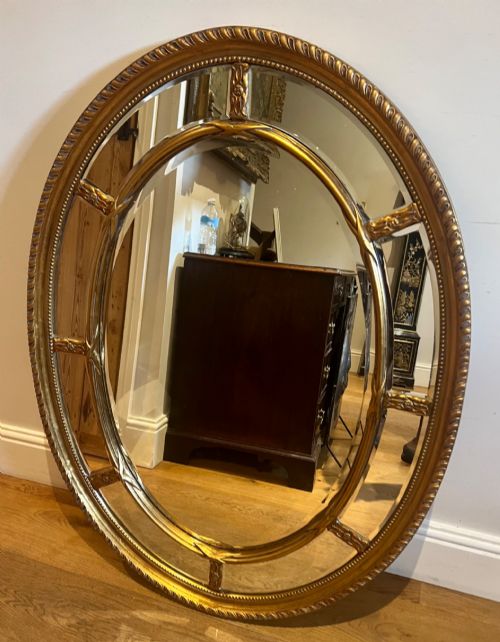
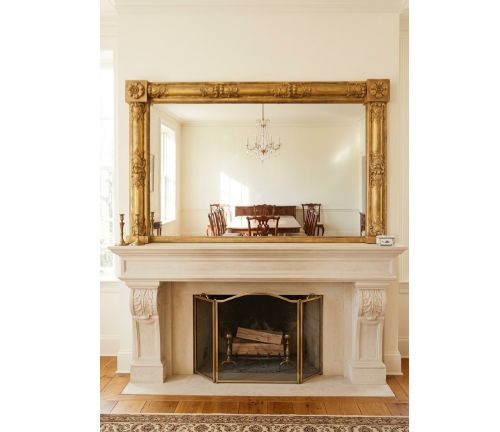
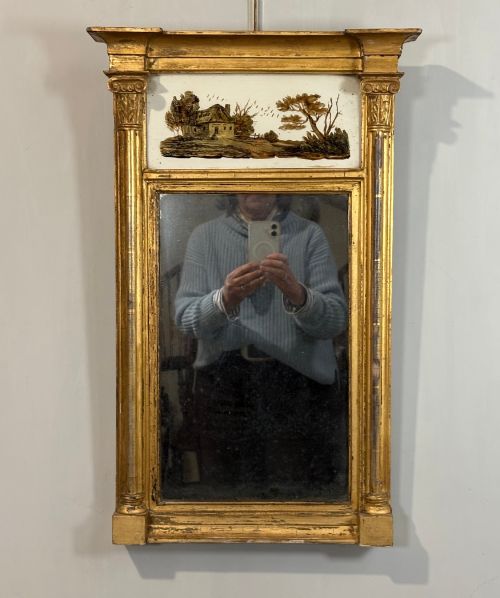
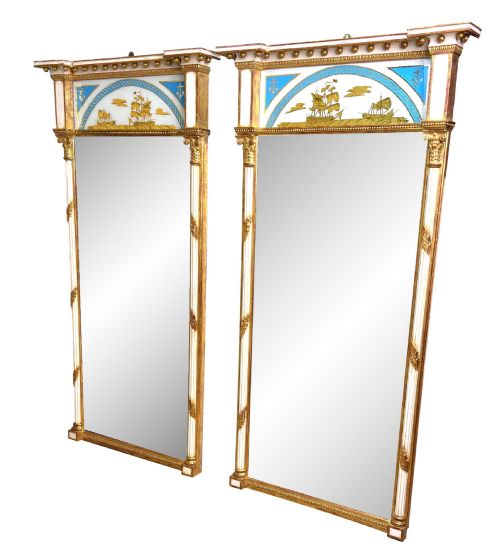
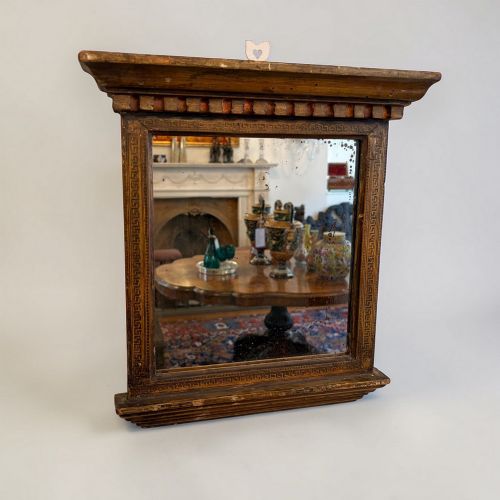
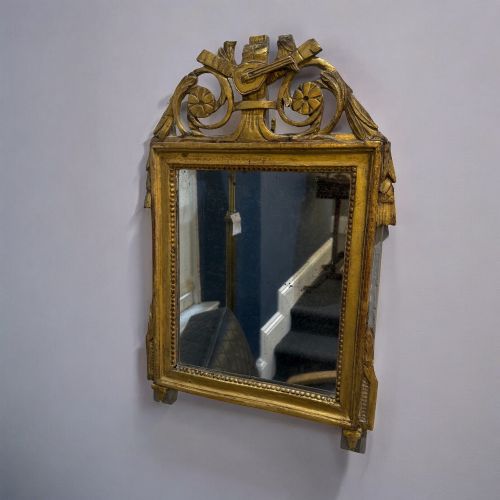
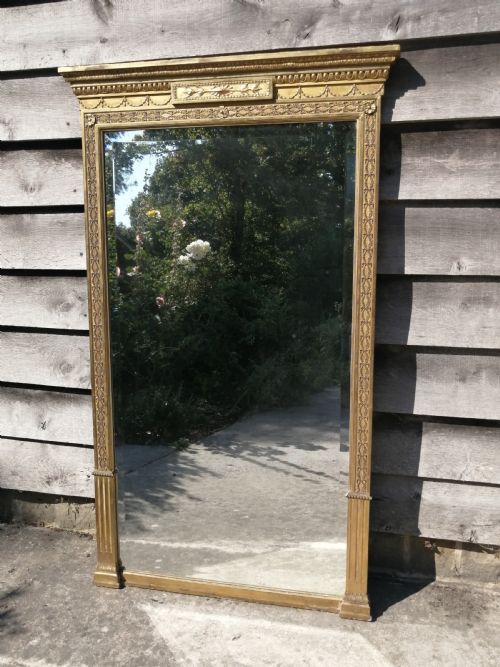
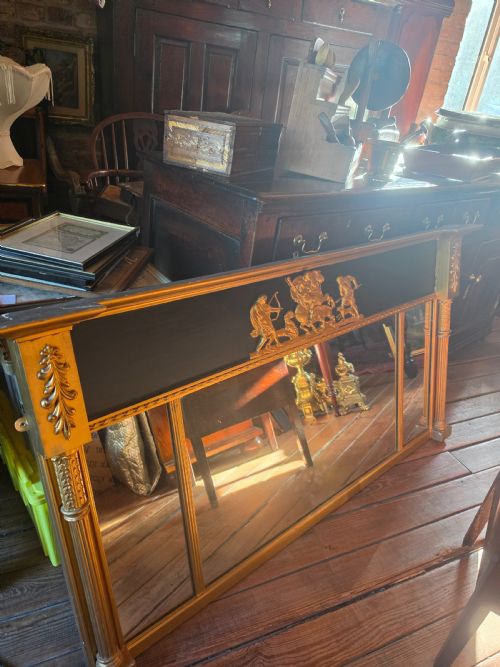
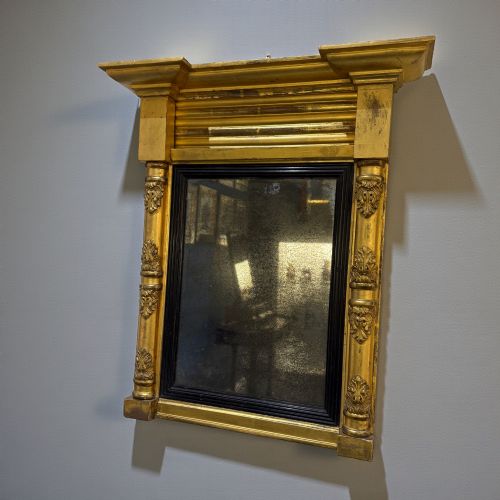
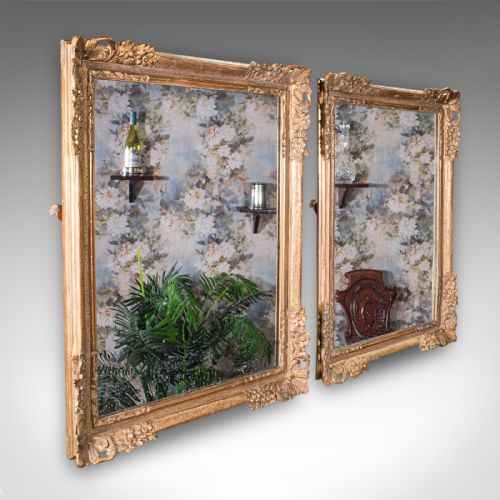
When searching for regency gilded glass, buyers encounter a selection of mirrors, chandeliers, and decorative panels that reflect the luminous interior tastes of the early nineteenth century. The most common form on this page is the giltwood pier mirror or overmantel, designed to hang between windows or above fireplaces to amplify natural daylight.
The objects span periods from the Georgian era through to the Victorian age, though pieces bearing the distinctive Neoclassical motifs of the Regency style dominate the selection. Alongside wall mirrors, items such as cut glass chandeliers, decanters, and reverse glass prints appear to round out the category.
How they were made
Makers applied thin gold leaf over layers of gesso and carved wood, utilising composition ornaments for intricate details like lion masks or Egyptian revival columns. Glass plates were silvered using traditional methods, sometimes resulting in foxed plates where the reflective backing has aged naturally over time.
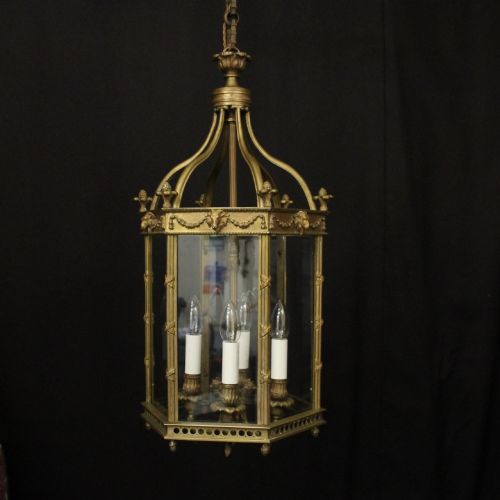
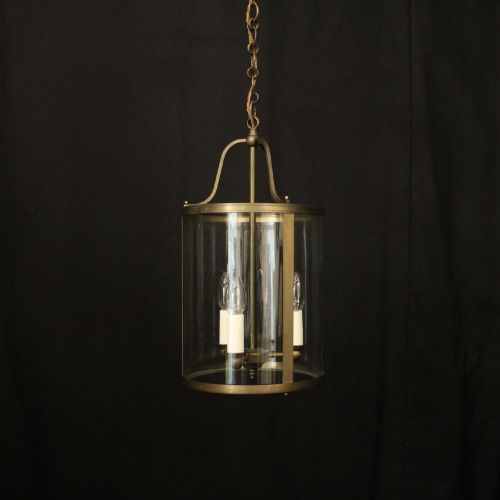
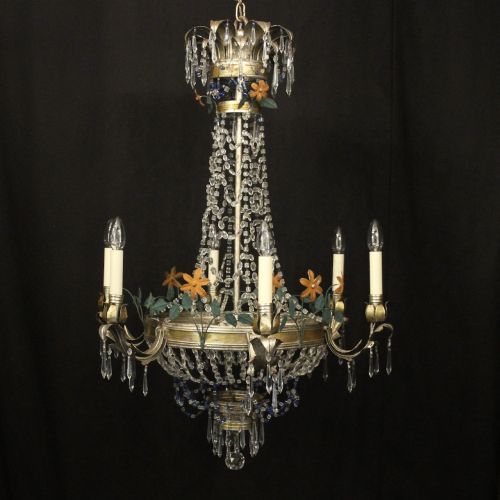
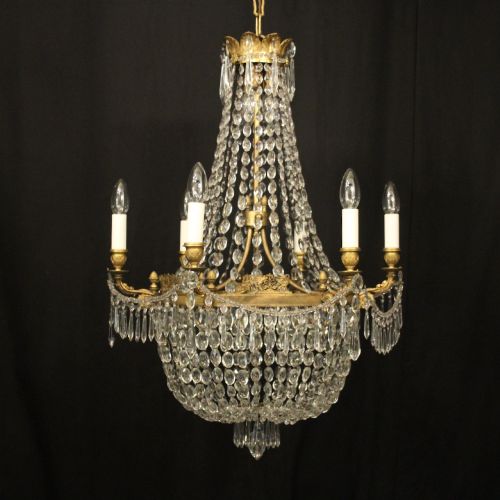
Chandeliers and hanging lanterns combine cut glass crystal with brass mounts or gilded bronze, building complex structures designed to refract candlelight and gaslight efficiently across a formal interior.
Regency Gilded Glass Retail Price Guide 2026
Typical asking prices for regency gilded glass among the pieces listed under this phrase on Sellingantiques today, from the lower quarter to the upper quarter. They describe what is for sale here now, not the wider market.
Listings in this category span the Georgian, Regency, and Victorian periods, utilising materials such as giltwood, gesso, crystal, and ebonised wood.
What varies in quality
The crispness of the carved wood and the depth of the gesso mouldings separate standard production items from finer workshop pieces. Pier mirrors featuring original glass plates and intact verre eglomise panels demonstrate superior preservation compared to those with later replacements.
The application of gold leaf and the subtlety of painted details, such as ebonised accents or reverse glass painting, indicate the level of craftsmanship invested in the object during its original period of manufacture.
Gillows Of Lancaster
The Regency Gilded Glass Glossary
- Verre eglomise
- A process of cold painting and gilding on the reverse side of glass to produce a decorative metallic panel. It frequently appears on the upper sections of Regency pier mirrors.
- Giltwood
- Timber, typically pine or gesso-coated wood, covered with very thin sheets of gold leaf. This material defines the warm, metallic framing characteristic of the period.
- Foxed plate
- Mirror glass that exhibits small dark spots or a mottled haze caused by the deterioration of the backing over decades. Collectors often value this aged effect for its authenticity.
- Pier mirror
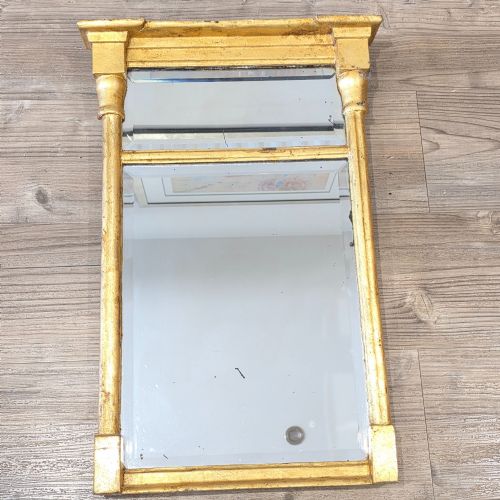
- A tall, narrow mirror manufactured specifically to hang on the wall space between two windows. These pieces often incorporate candle sconces or decorative consoles below.
- Convex glass
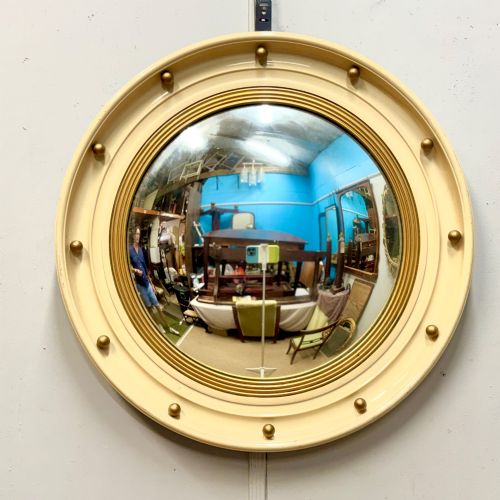
- A round, curved mirror plate that projects outward to capture a wide-angle reflection of the entire room. They are typically framed with ball-studded bezels and sometimes topped with carved eagles.
Regency Gilded Glass: Frequently Asked Questions
What is verre eglomise?
Verre eglomise is an artistic technique involving the application of gold or silver leaf and paint to the back of a glass panel. This creates a mirrored, decorative picture panel often seen in the upper section of a pier mirror.
The method dates back to antiquity but saw a strong revival during the Regency period, providing a rich contrast to the surrounding giltwood frame.
How do I identify a Regency mirror?
Regency mirrors typically display strong Neoclassical influences, including architectural columns, classical motifs, and convex or triple plate configurations. Look for carved details like reeding, balls along the frame, and distinct proportions designed for tall nineteenth-century rooms.
Makers of this era frequently employed gesso over carved wood to achieve sharp relief work before applying gold leaf.
What does foxed glass mean?
Foxed glass refers to mirror plates that have developed age spots, cloudiness, or a speckled appearance as the reflective silver backing degrades over time. This natural oxidation process occurs across decades in older domestic environments.
Rather than a fault, many collectors prize lightly foxed plates because they confirm the antique origin of the mirror glass.
Where should I hang a pier mirror?
Pier mirrors were originally designed to fit on the narrow section of wall between two windows, known as the pier. This placement bounced incoming natural light back into the chamber.
In modern rooms, they work well in similar narrow wall spaces, hallways, or above low pieces of furniture where their vertical proportions can be fully appreciated.