

Regency Gilded Dish
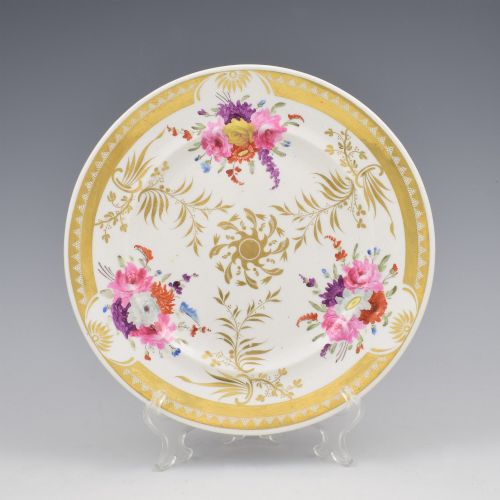
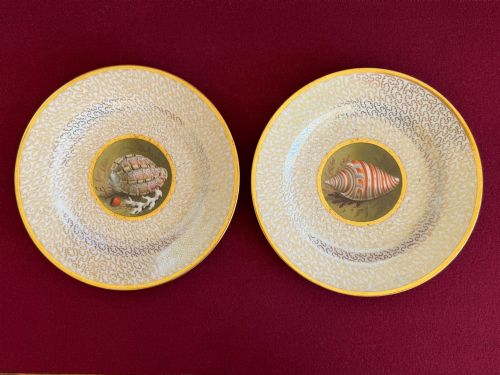
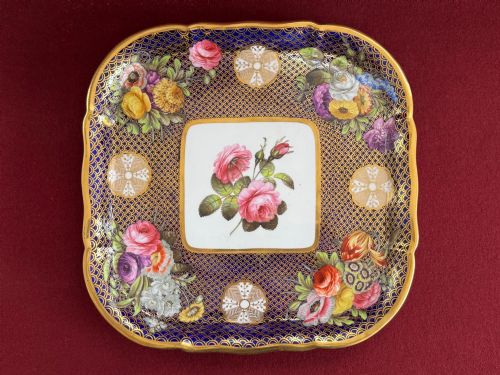
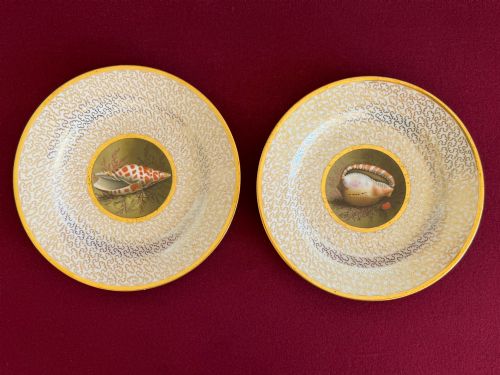
A regency gilded dish brings together early nineteenth-century porcelain and ironstone painted with hand-applied gold leaf for display or service.
Regency Gilded Dish
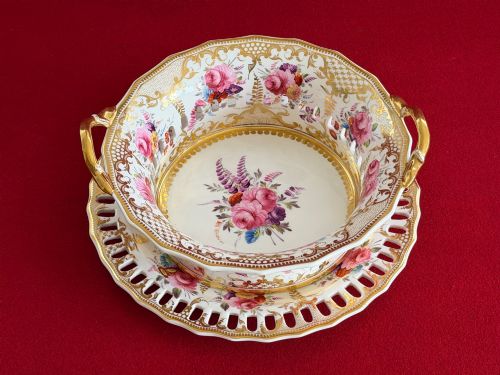
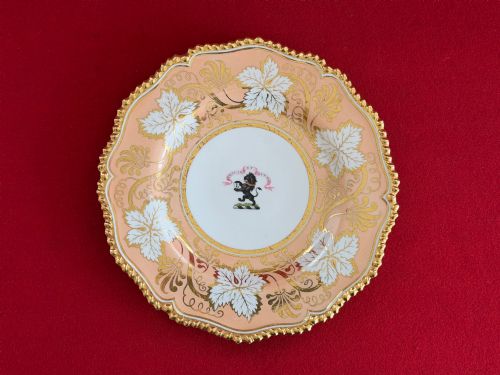
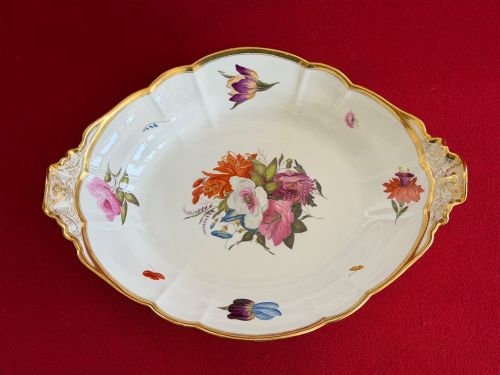
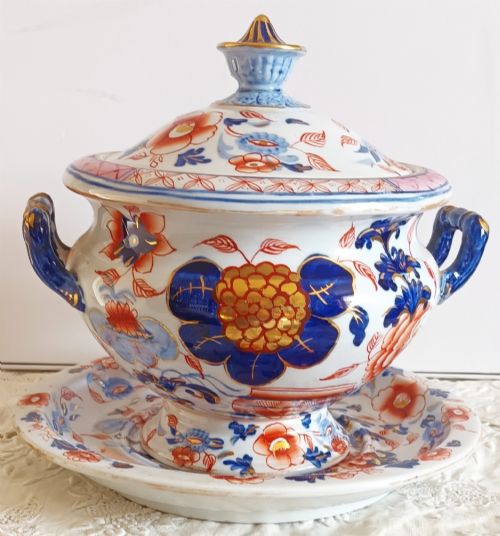
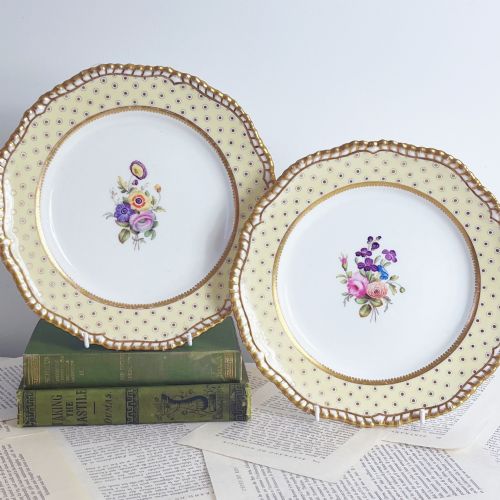
A regency gilded dish encompasses various forms including dessert plates, cabinet plates, serving dishes, and tureens originating from the Georgian and Regency periods. The forms found most often on this page are porcelain and ironstone plates and dishes produced by prominent English factories.
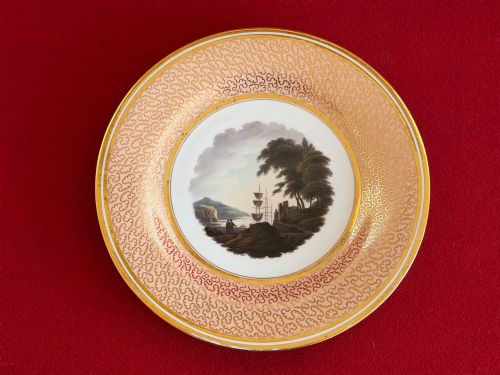
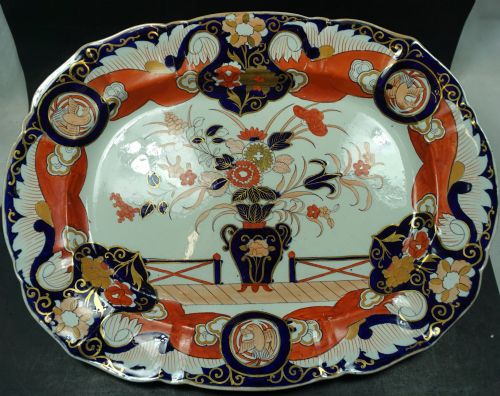
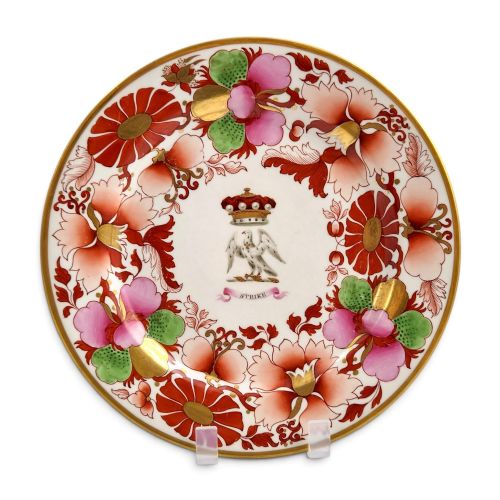
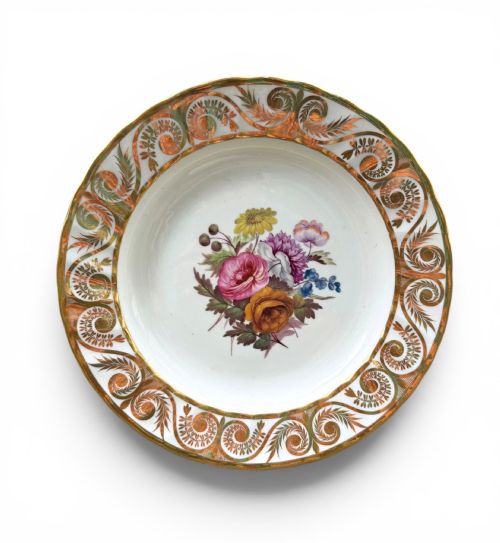
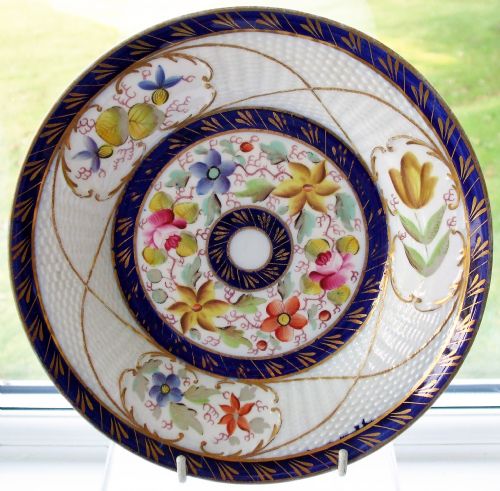
Makers such as Worcester factories, Spode, Derby, Coalport, and Masons created these pieces for dining tables and display cabinets. Styles range from botanical and topographical hand-painted scenes to Japanese-inspired Imari and Chinoiserie patterns enriched with gold.
Many items survive from the early nineteenth century as pairs or sets, reflecting the dining customs of the period. The decoration often combines polychrome enamels with gilding applied to soft-paste porcelain, hard-paste porcelain, or ironstone.
How they were made
Potters shaped porcelain and ironstone bodies by hand or in moulds before firing them at high temperatures in kilns. Ironstone offered a heavier, more durable body for kitchen and table use, whilst soft-paste and bone china provided a finer canvas for painted decoration.
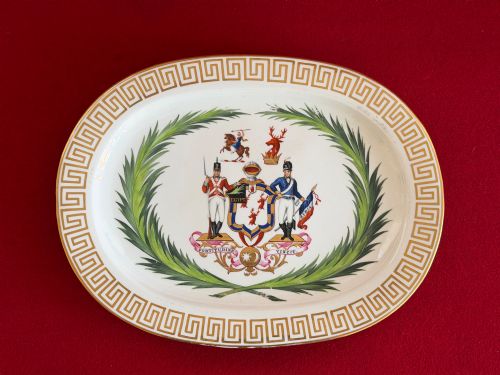
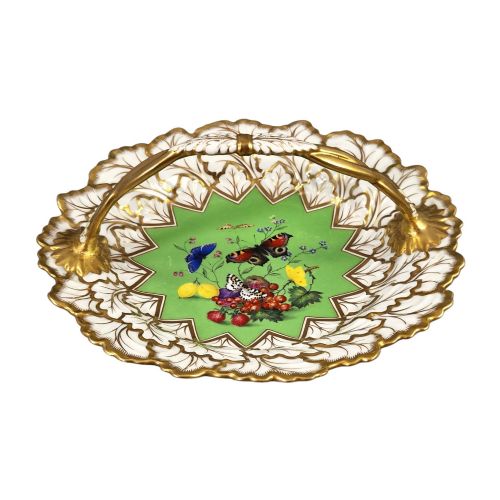
Artists applied enamels and gold leaf by hand, returning the pieces to the kiln to fix the colours and metallic gilding. Gilt and gold leaf details highlight borders, handles, and motifs such as flowers, butterflies, and armorial crests.
Regency Gilded Dish Retail Price Guide 2026
Typical asking prices for regency gilded dish among the pieces listed under this phrase on Sellingantiques today, from the lower quarter to the upper quarter. They describe what is for sale here now, not the wider market.
Listings feature porcelain, ironstone, and silver items spanning the Georgian, Regency, and nineteenth-century periods.
What varies in quality
The standard of painting determines the tier of a regency gilded dish, distinguishing factory work by named artists from routine production. Pieces decorated by known painters or featuring bespoke armorial commissions command greater attention from collectors.
The preservation of the gold leaf and enamel colours dictates the visual impact of the piece. Crisp, unrubbed gilding and detailed brushwork indicate superior manufacture and careful preservation over two centuries.
Barr, Flight and Barr·Flight, Barr and Barr·Chamberlains Worcester·Spode·Derby·Coalport·Masons·New Hall·Hicks and Meigh·Ridgway·Minton·Paul Storr
The Regency Gilded Dish Glossary
- Ironstone
- A dense, durable ceramic body patented in the early nineteenth century to imitate Chinese porcelain while withstanding heavy use. It provides a sturdy alternative to softer porcelain bodies.
- Soft-paste porcelain
- A ceramic composition fired at lower temperatures than hard-paste porcelain, creating a creamy body well suited to early nineteenth-century enamel painting.
- Imari
- A decorative style inspired by Japanese export wares featuring iron red, underglaze blue, and abundant gilding. English factories adapted this palette extensively during the Regency period.
- Armorial
- A design incorporating a family coat of arms or crest. These bespoke commissions were painted for specific landed families and nobility.
- Gilding
- The application of gold leaf or powdered gold to ceramic surfaces. It forms the defining metallic border or accent on Regency tableware.
Regency Gilded Dish: Frequently Asked Questions
How were these dishes used?
These pieces served practical roles at the dining table for desserts, soups, and side dishes. Many functioned as display items in cabinets to demonstrate the host's wealth and taste.
Larger tureens and serving dishes held food during formal meals, whilst smaller plates and dishes presented fruit, sweetmeats, or botanical displays.
How do I identify a Regency piece?
Look for specific decorative motifs, factory marks, and ceramic bodies typical of the early nineteenth century. Stylistic cues include Imari palettes, botanical paintings, and extensive use of gold leaf.
Many pieces carry factory stamps, pattern numbers, or handwritten inscriptions on the reverse that help narrow their date of production.
Can I use these antiques for dining?
Most of these items are fragile antiques intended for gentle handling and display rather than daily family meals. Hand-washing in lukewarm water without harsh detergents preserves the delicate enamels and gold leaf.
Using them occasionally for special occasions is possible, provided they are handled with care and kept away from dishwashers and microwaves.
What is the difference between porcelain and ironstone?
Porcelain is a finer, whiter ceramic body that can be translucent when held to the light. It offers a smooth surface for detailed artistic painting.
Ironstone is a heavier, opaque earthenware created for durability. It provides a robust alternative while accepting the same colourful enamels and gilding.