
Regency Furniture Cabinet
Regency furniture cabinet pieces unite architectural timber with refined brass work, bringing sophisticated storage and display into period interiors.
Regency Furniture Cabinet
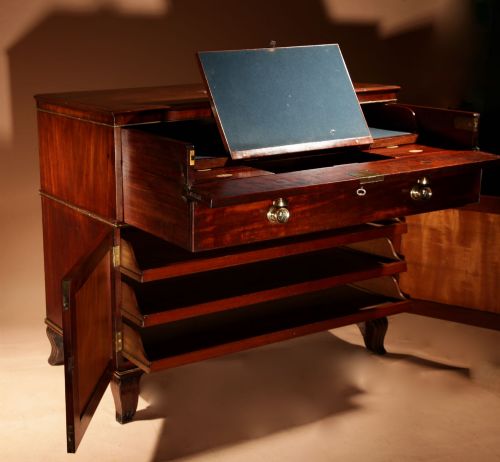
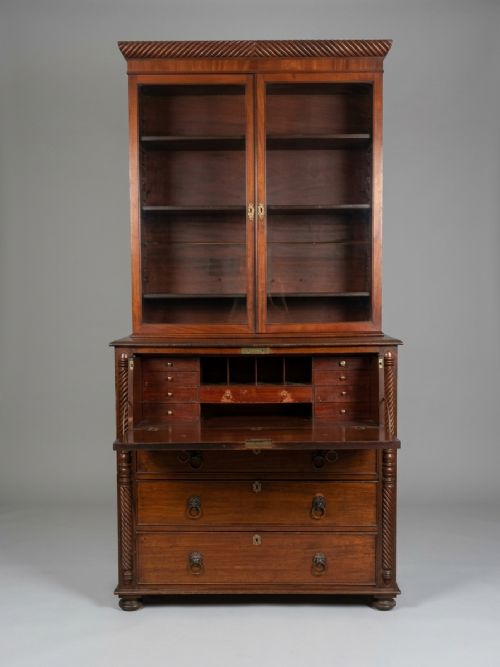
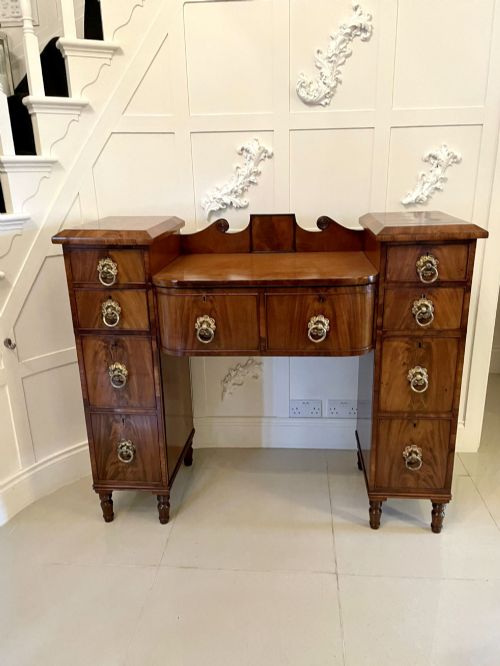
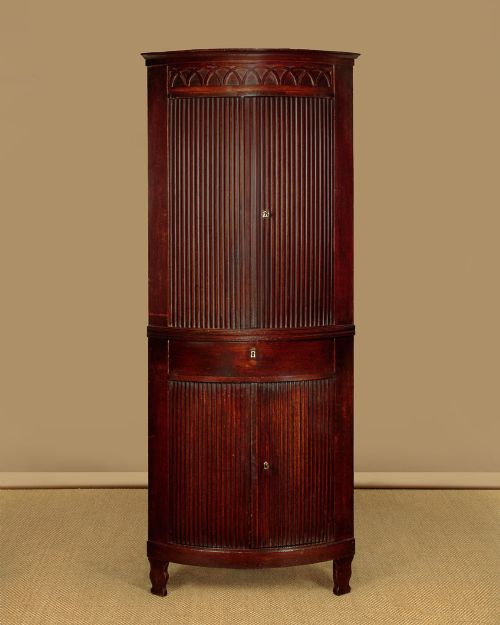
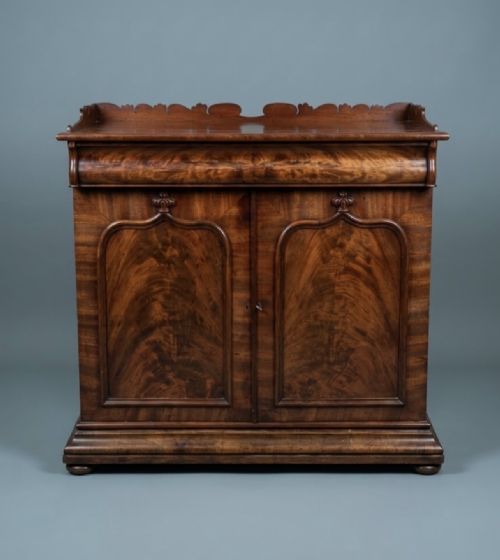
A regency furniture cabinet encompasses bookcases, sideboards, chiffoniers, and secretaires originating largely from the nineteenth century, including Georgian, Regency, and William IV periods. These utilitarian yet decorative forms served libraries, dining rooms, and parlours across Britain, showing regional variations such as Scottish and Welsh cabinetmaking alongside metropolitan work.
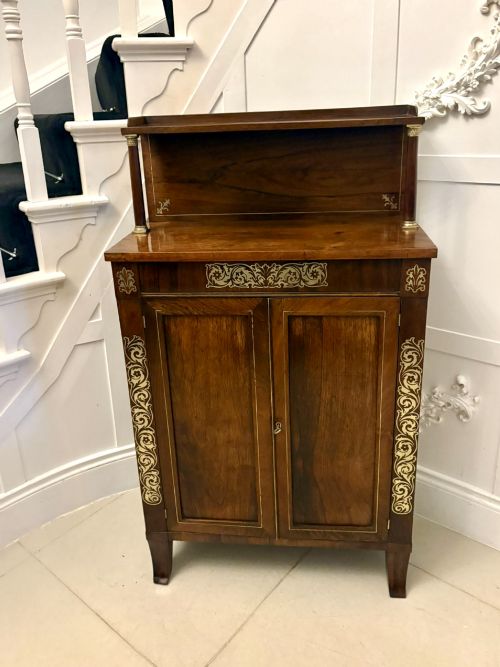
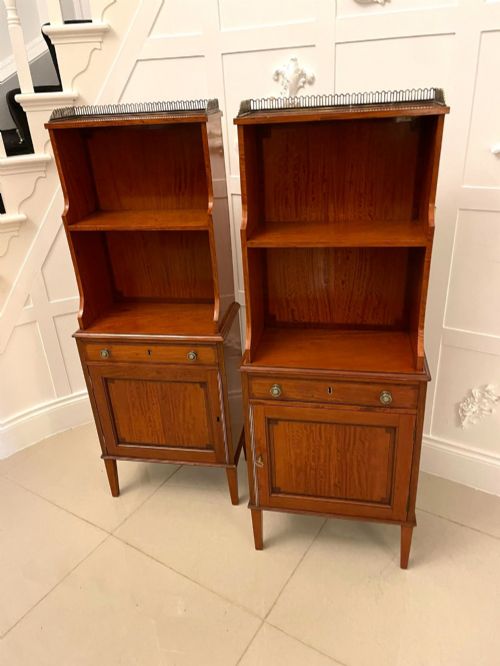
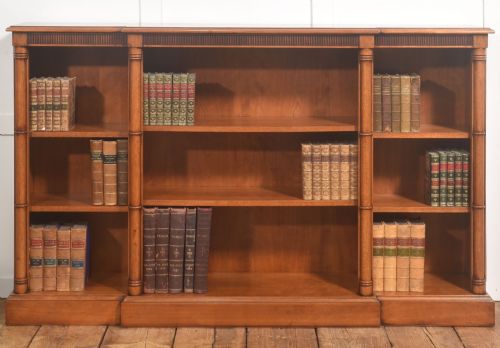
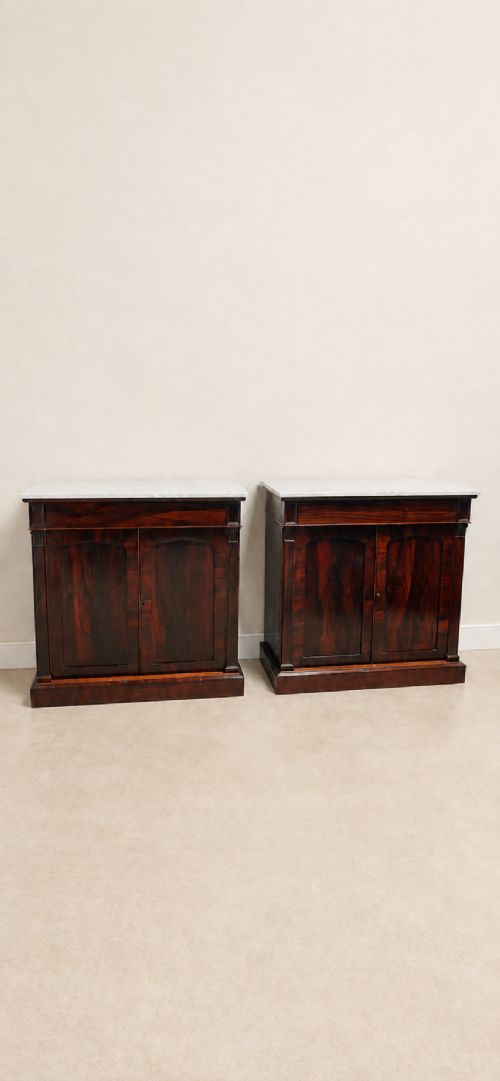
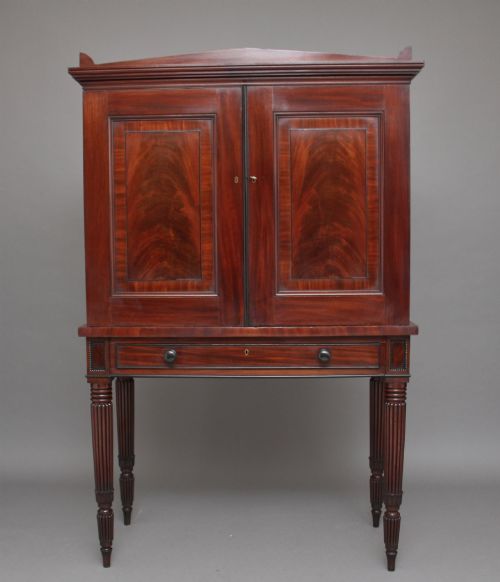
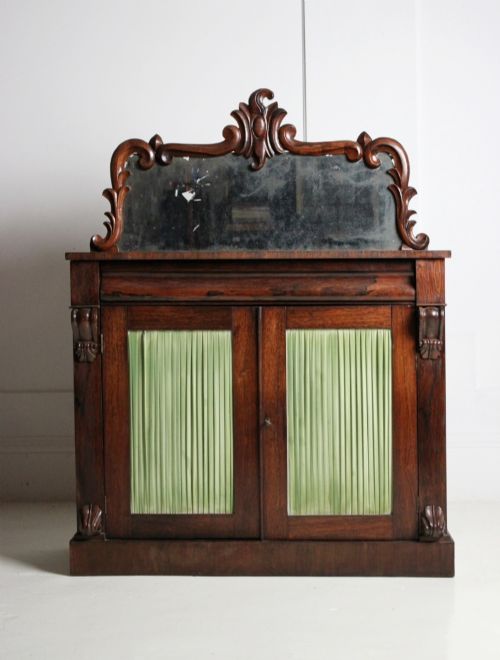
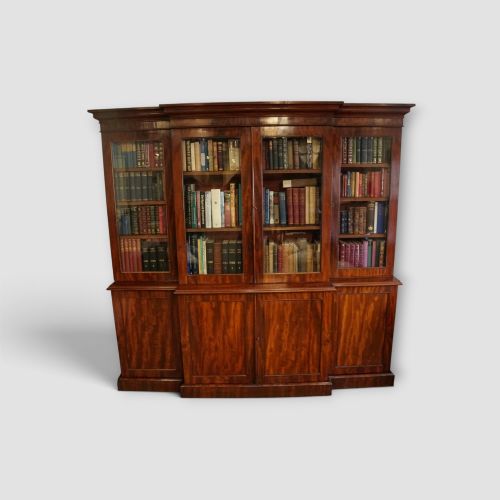
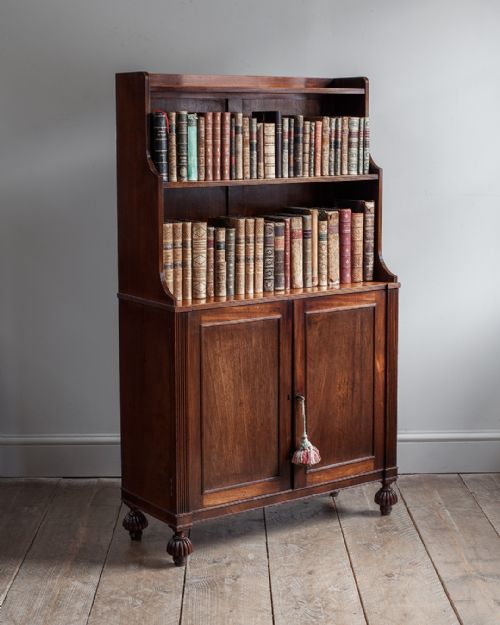
The pieces appearing most frequently on this page are mahogany and rosewood bookcases, chiffoniers with panelled doors, and side cabinets featuring adjustable shelves or writing drawers. Makers constructed these items to hold books, linen, and personal collections while anchoring the proportions of a formal room.
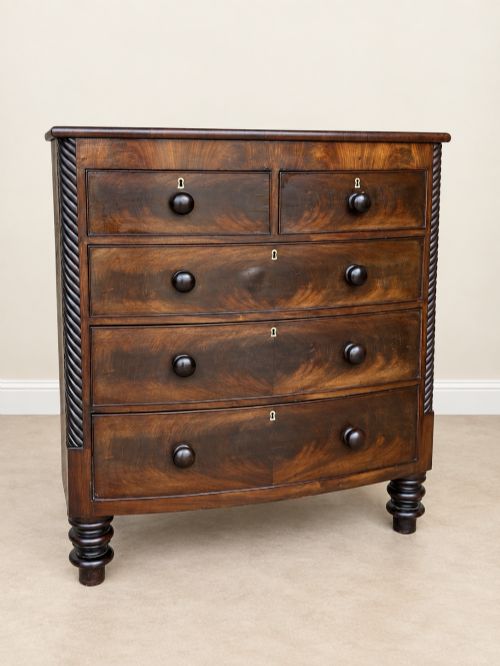
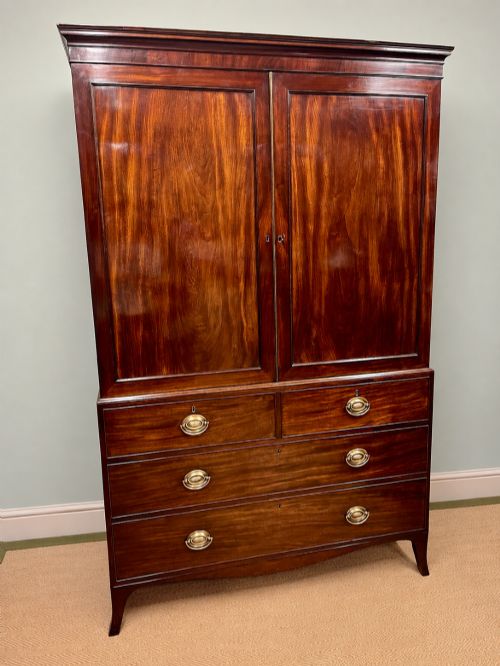
Buyers also encounter bowfront chests of drawers, Davenport desks, and linen presses bearing the characteristic proportions of the era. These domestic items blend structural cabinetry with decorative surfaces designed to catch the light in a formal interior.
Craftsmanship and Timber Selection
Quality rests upon the choice of timber and the precision of the cabinetmaker's joinery, particularly in veneered surfaces like flame mahogany and rosewood. Superior pieces display continuous grain alignment across drawer fronts and doors, whereas lesser examples rely on erratic or mismatched timber cuts.
The sophistication of internal mechanisms and secondary detailing separates standard production from exceptional output. Finely executed brass mounts, working locks with original keys, and secondary timbers such as oak or pine within drawer linings indicate superior workshop standards.
Several cabinets rely on secret release catches that require an invisible nudge behind a pilaster just to open a drawer.
Gillows·George Oakley
The Regency Furniture Cabinet Glossary
- Secretaire
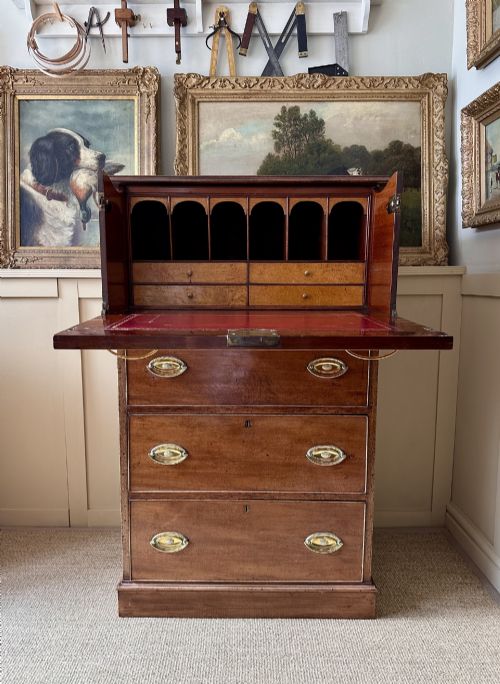
- A cabinet or desk incorporating a pull-down writing drawer with small interior drawers and pigeonholes. This hybrid form allowed writing materials to remain hidden behind a standard drawer front.
- Chiffonier
- A low sideboard or cabinet featuring shelves or enclosed cupboards, popular during the nineteenth century. It typically stood against a drawing room wall to display decorative objects.
- Breakfront
- A piece of furniture whose central section projects forward from the flanking wings. This architectural arrangement creates depth and breaks up the linear expanse of large bookcases and sideboards.
- Flame mahogany
- Timber cut from the fork of the mahogany tree to produce a distinctive, flamelike grain pattern. Cabinetmakers reserved these highly figured veneers for primary display surfaces.
- Davenport desk
- A small compact writing desk featuring a sloping top and drawers accessed from the side. Regency versions often incorporated rosewood construction and delicate brass gallery rails.
Regency Furniture Cabinet: Frequently Asked Questions
How do I identify a genuine Regency cabinet?
Authentic pieces exhibit period timber selection such as solid mahogany and rosewood veneers over oak or pine secondary woods, combined with construction methods typical of the early nineteenth century.
Examine the backboards, drawer linings, and hardware to ensure they align with the technological capabilities and stylistic norms of the Regency era rather than later revival periods.
Where should I place a chiffonier?
A chiffonier fits well in a dining room, hallway, or drawing room against a flat wall where its enclosed lower storage and upper display surface can function properly.
Keep the timber away from direct heat sources and strong sunlight to prevent the rosewood or mahogany veneers from drying out or fading over time.
What is the difference between a chiffonier and a sideboard?
Sideboards are generally larger dining room pieces designed for serving food and storing heavy tableware, often featuring multiple deep drawers and cellarette compartments.
Chiffoniers are more compact living room cabinets that evolved to include small cupboards beneath a surface intended for displaying books or decorative objects.
How do I care for antique rosewood furniture?
Maintain the finish by dusting with a soft, dry cloth and applying traditional beeswax sparingly to nourish the timber grain without building up a sticky residue.
Maintain stable humidity levels in the room to prevent the rosewood from shrinking, expanding, or cracking across the veneered surfaces.