

Regency Floral China
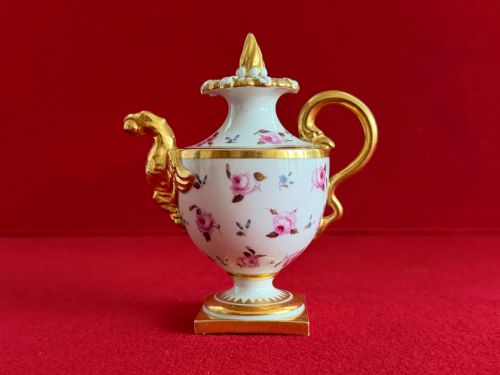
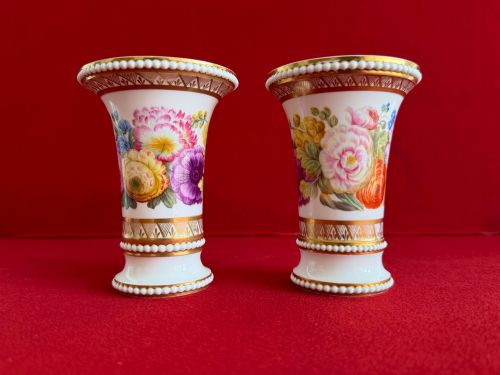
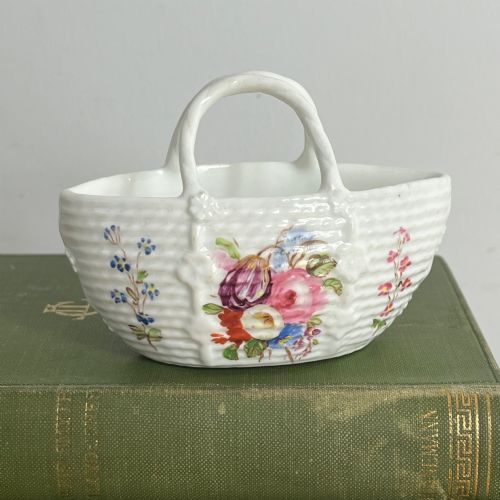
Regency floral china brings together delicate handpainted botanical motifs and bright porcelain bodies from the early nineteenth century for sophisticated tea and dessert tables.
Regency Floral China
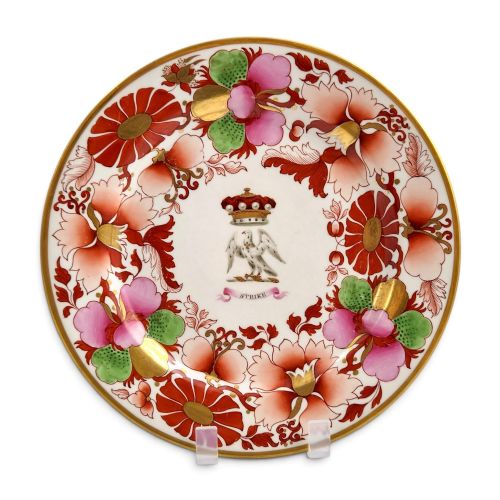
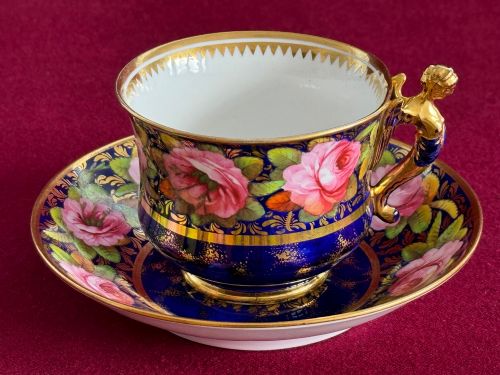
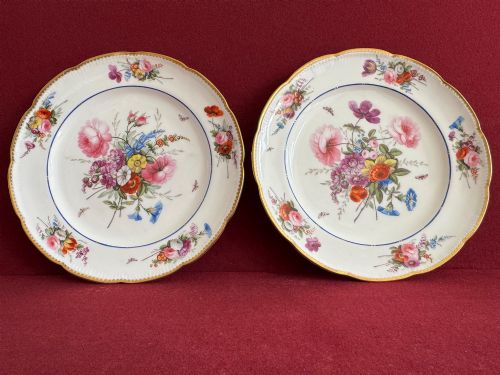
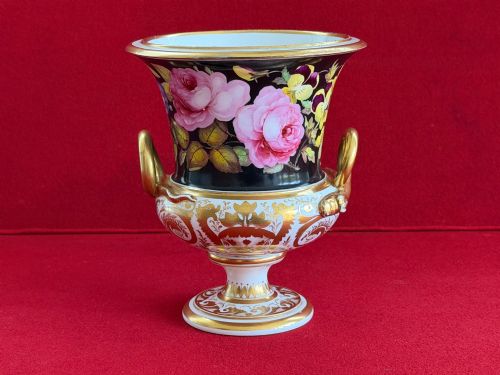
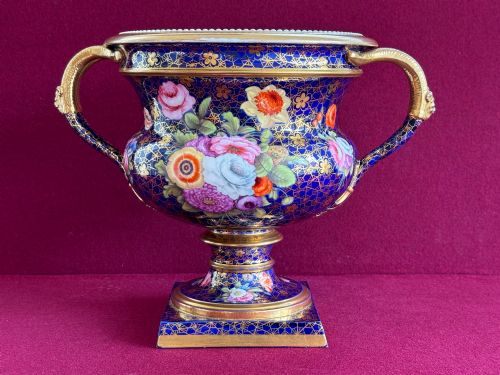
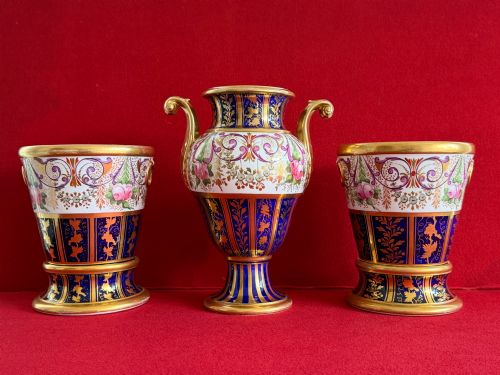
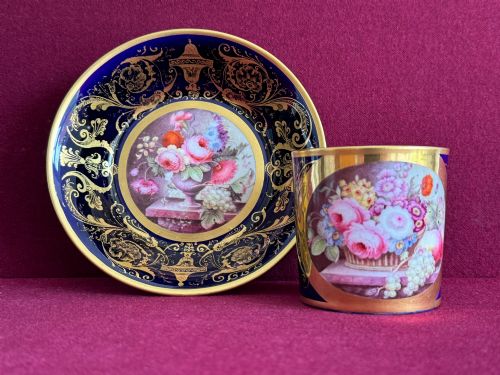
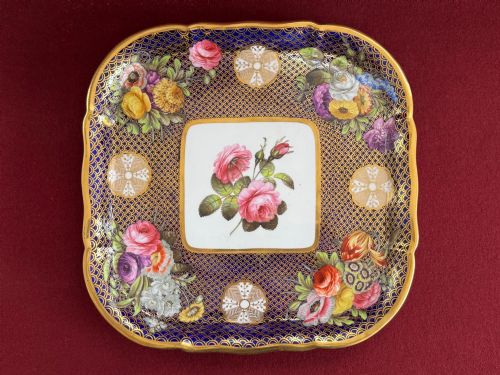
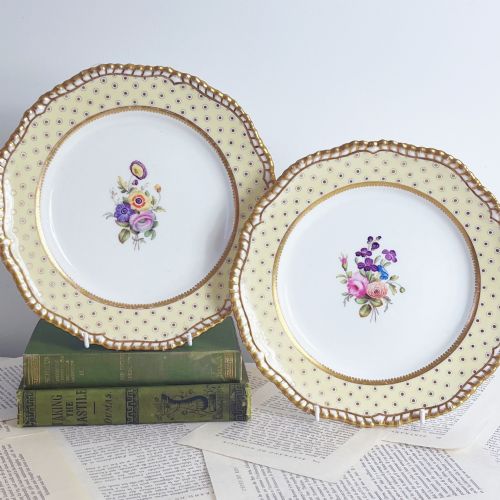
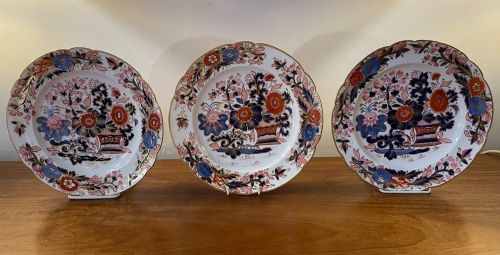
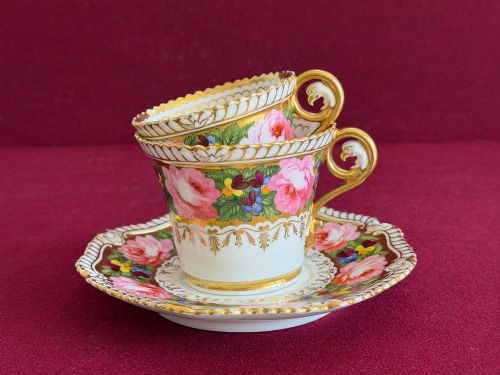
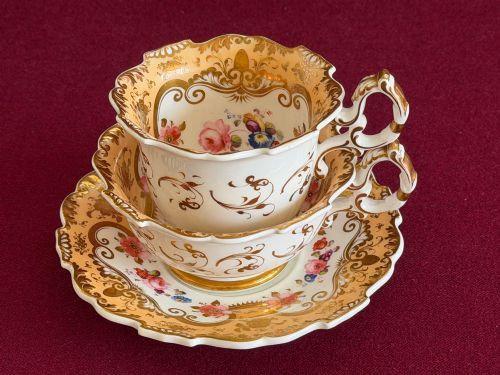
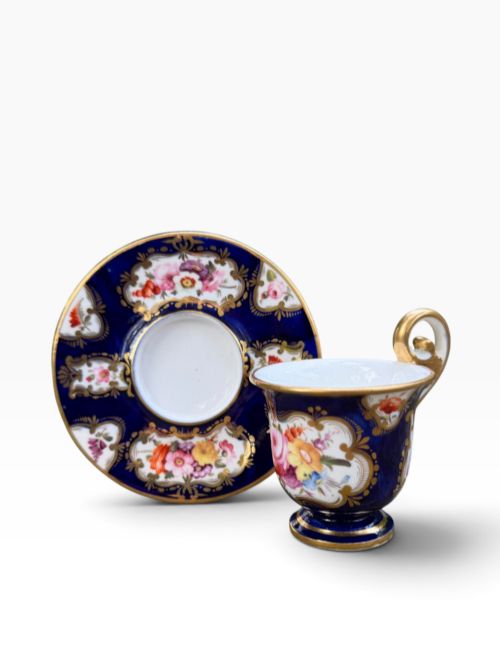
When you search for regency floral china, you encounter tea trios, dessert services, and cabinet plates produced primarily during the Regency and Georgian periods. These pieces showcase delicate floral painting alongside bolder Imari patterns on refined ceramic bodies.
The objects listed on this page range from single teacups to complete dessert services created by notable English potteries. They reflect a period of immense stylistic confidence in British ceramics.
Floral motifs dominate the ornamentation, appearing alongside Chinoiserie styles and geometric borders. Collectors find these wares utilised for both display and formal dining.
Materials and Techniques
Potteries utilised fine porcelain, bone china, and durable ironstone as the foundation for these ceramics. Bodies were shaped using traditional moulds or thrown on wheels before receiving their initial firing.
Artisans applied enamel colours and gold leaf highlights by hand, often combining transfer printing with delicate brushwork. Subsequent kiln firings set the vibrant glazes and metallic details permanently onto the ceramic surface.
Regency Floral China Retail Price Guide 2026
Typical asking prices for regency floral china among the pieces listed under this phrase on Sellingantiques today, from the lower quarter to the upper quarter. They describe what is for sale here now, not the wider market.
Pink cabbage roses and flying fancy birds frequently share tea plates with unsuspecting insects.
Assessing Quality and Execution
The distinction between ordinary production and superior pieces lies in the precision of the handpainted details and the translucency of the porcelain body. Finer items exhibit intricate botanical accuracy and heavier gilding.
Moulding crispness in shapes like candlesticks and serving dishes indicates the skill employed during production. Well-preserved enamel colours and minimal wear on gilding elevate the status of individual items.
Grainger Lee And Co·Spode·Flight Barr And Barr·H And R Daniel·Chamberlain Worcester·Coalport·Masons·Ridgway·Minton·Davenport·New Hall·Yates·Wedgwood
The Regency Floral China Glossary
- Trio
- A matching set comprising a teacup, coffee cup, and saucer. These were standard components of early nineteenth-century tea services.
- Imari
- A decorative style inspired by Japanese export wares, featuring rich iron red, underglaze blue, and gold. This palette was widely adopted by English potteries during the Regency era.
- Ironstone
- A dense, heavy earthenware patent created to resemble porcelain while offering greater durability. It was frequently decorated with transfer prints and enamel colours.
- Sucrier
- A covered sugar bowl designed for tea service use. These vessels often match the pattern of contemporary teacups and plates.
- Felspar
- A type of porcelain body introduced by Spode containing feldspathic rock, noted for its bright whiteness and translucency. It provided an ideal surface for detailed floral painting.
Regency Floral China: Frequently Asked Questions
What is regency floral china?
Regency floral china encompasses porcelain and earthenware tea and tableware decorated with handpainted flowers or botanical patterns produced during the early nineteenth century.
These ceramics reflect the artistic tastes of the Georgian and Regency periods, combining utility with decorative elegance.
How were these pieces used?
Original owners utilised these items for formal tea drinking, dessert courses, and dining display within prosperous British households.
Cups, saucers, and plates formed coordinated sets intended to impress guests during social gatherings.
How do I care for antique china?
Antique ceramics require gentle hand washing in lukewarm water with mild soap, avoiding dishwashers and harsh abrasives entirely.
Proper storage involves using padded dividers between plates and protecting delicate handles and gilding from physical impact.
How do I identify a Regency period piece?
Identification relies on examining ceramic bodies, pattern numbers, and specific potting shapes characteristic of early nineteenth-century manufacturers.
Stylistic markers such as specific floral painting styles and ironstone bodies help distinguish these items from later Victorian wares.