


Regency Fireplace Tools
Regency fireplace tools are practical hearth furniture in brass, steel and iron that bring period discipline to an open grate.
Regency Fireplace Tools
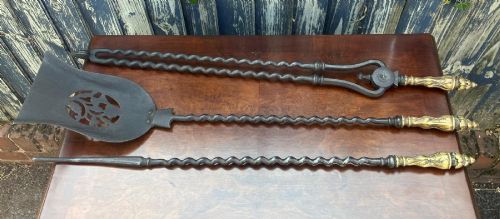
Regency fireplace tools are functional hearth implements designed to tend coal and wood fires during the early nineteenth century. These sets typically include shovels, pokers and tongs, alongside companion pieces like brushes and fenders.
Most examples found on this page date from the nineteenth century, specifically the Regency period and the reign of George IV. Buyers encounter matching sets of fire irons as well as companion tools designed for everyday maintenance.
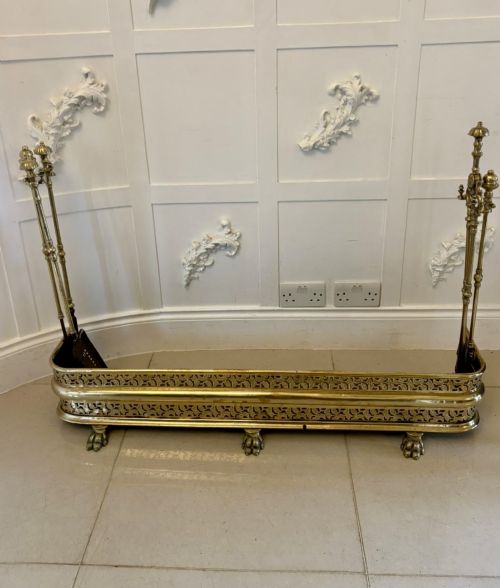
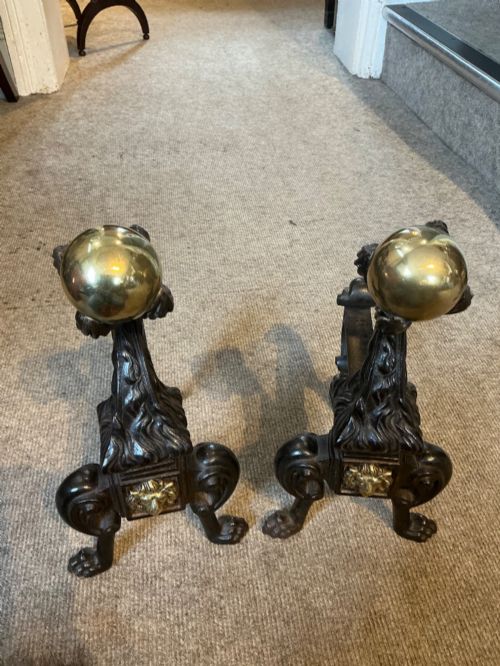
Forms range from polished steel triple companion sets to brass and cast iron fire tools. Alongside the irons, related fireplace accessories such as andirons and brass fenders appear within the listings.
How they were made
Makers utilised metals including polished steel, cast brass, wrought iron and gilt bronze to form the tools. Steel and burnished steel provide durable shafts and working ends, while brass and cast bronze components offer decorative contrast.
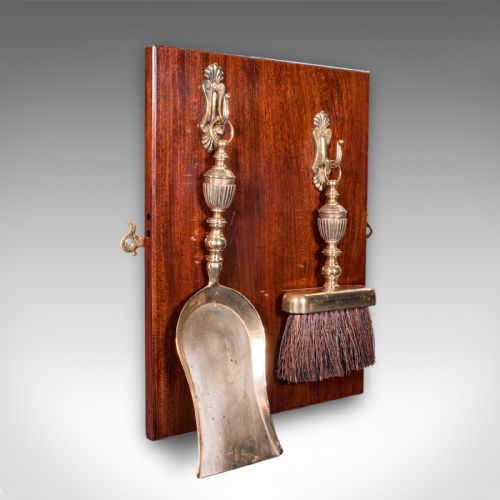
Construction methods combine forged iron and steel with turned or cast brass handles and mounts. Certain maintenance sets incorporate organic materials like mahogany alongside metal components.
Even a hardworking maid required a proper maintenance set to keep the Regency hearth respectable between coal deliveries.
What varies in quality
Quality rests upon the purity of the metal finish, whether burnished steel or polished brass, and the crispness of any cast decorative detail. Superior sets display balanced proportions and consistent workmanship across every individual tool.
The presence of matching original components elevates an assemblage, distinguishing cohesive sets from assembled groupings of separate implements.
The Regency Fireplace Tools Glossary
- Regency
- An English design style spanning the early nineteenth century, characterised by neoclassical motifs and clean lines. This aesthetic draws heavily upon Greek, Roman and Egyptian precedents.
- Polished steel
- A bright metallic finish achieved through abrasive smoothing of iron alloy. This surface reflects firelight effectively.
- Andirons
- Supporting metal firedogs placed on the hearth to hold logs above the floor of the grate. They often feature decorative cast brass or iron terminals.
- Neoclassical
- An artistic movement reviving classical antiquity forms and symmetry. It dominates the decorative arts of the early nineteenth century.
Regency Fireplace Tools: Frequently Asked Questions
What tools come in a set?
A standard companion set comprises a shovel, a poker and tongs for managing the fuel. Some groupings also include a hearth brush or pair of andirons.
These implements work together to maintain an open fire while presenting a uniform appearance on the fender or hearth.
How do I date these tools?
Dating relies on stylistic markers such as neoclassical motifs, handle turning patterns and the specific choice of metals like burnished steel or cast brass. Most pieces align with the early nineteenth century.
Comparing the manufacturing technique and metal finish to documented period examples helps confirm the era of production.
Can I use them on a fire?
Many of these pieces remain robust enough for regular use in an active fireplace. Steel and iron tools handle high temperatures effectively.
However, collectors often reserve delicate polished steel or gilt bronze examples for decorative display rather than daily stoking.
What is polished steel?
Polished steel is iron alloy treated to create a bright, reflective surface finish. It differs from standard cast iron by offering a lighter, gleaming appearance.
This material was favoured in the nineteenth century for hearth furniture intended to catch and reflect the light from the flames.