


Regency Fireplace Fender
A regency fireplace fender brings proportion and metalwork to a hearth, framing the fire with brass or steel.
Regency Fireplace Fender
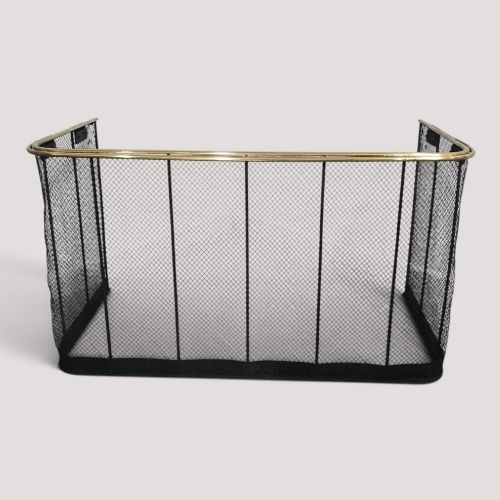
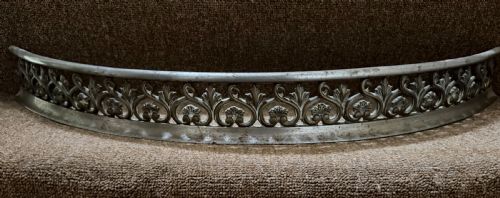
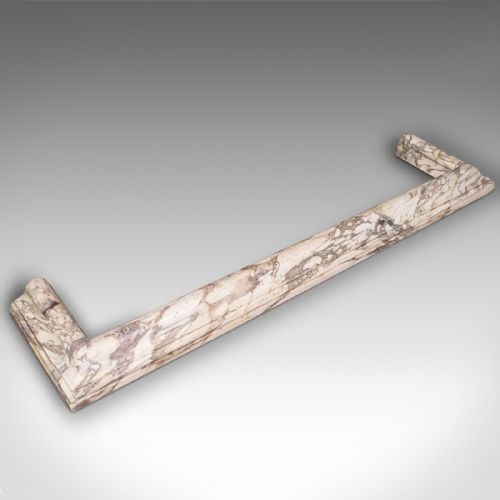
A regency fireplace fender sits upon the floor before a hearth to retain fuel and protect the room from sparks. The selection spans low hearth borders and tall protective guards in woven wire.
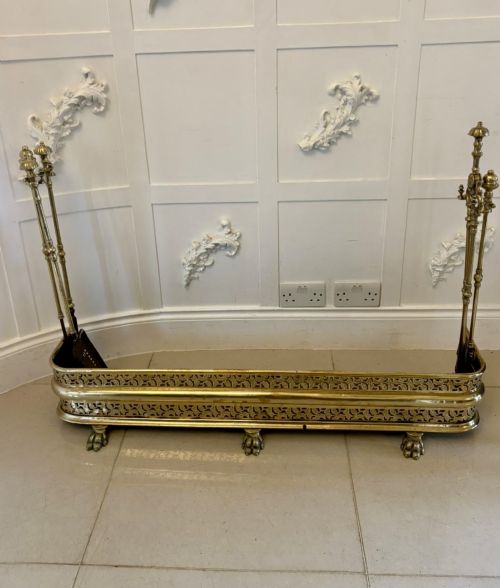
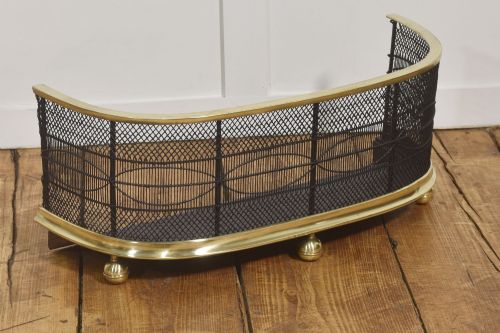
Most examples found here date from the nineteenth century, including the Regency and William IV periods, alongside later Victorian interpretations. Forms vary from simple straight rails to curved kerbs and substantial nursery guards.
Makers drew on Georgian and Neoclassical design principles, shaping metal into practical room furnishings that doubled as decorative focal points for the parlour.
How they were made
Blacksmiths and metalworkers constructed these items primarily from brass, iron, and polished steel, frequently combining materials within a single piece. Iron provided structural rigidity for frames, while brass or bronze formed the visible decorative surfaces.
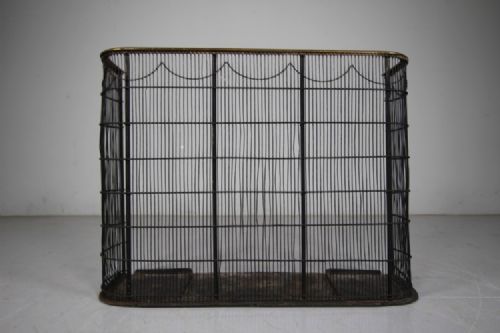
Wirework guards utilised woven iron wire or fine wire mesh stretched across rigid metal frames to contain embers safely. Cast brass elements and applied garlands added ornamental detail to heavy metal bases.
What varies in quality
Quality rests upon the weight of the metal and the precision of the construction rather than mere surface ornament. Substantial brass curbs and heavy steel frames indicate superior structural integrity.
Refinement of detail distinguishes finer examples, visible in crisp casting, clean wire weaving, and well-executed decorative motifs such as lions or garlands. Original matching components, like companion fire irons, elevate a piece.
The Regency Fireplace Fender Glossary
- Fender
- A low metal guard placed in front of a fireplace to prevent coal or logs from rolling onto the floor. These items anchor the hearth arrangement.
- Kerb fender
- A low enclosing barrier that sits directly on the floor around the hearth perimeter. They often feature curved corners to fit specific fireplace openings.
- Nursery guard
- A tall protective screen designed to enclose the entire hearth area. These pieces kept children and stray embers safely separated.
- Wirework
- Metal construction formed by bending and weaving wire into mesh screens. This technique allowed for lighter guards that still blocked flying sparks.
- Polished steel
- Iron alloy treated to create a bright, reflective surface finish. This material provided a sharp contrast to warmer brass elements.
Regency Fireplace Fender: Frequently Asked Questions
What is a regency fireplace fender used for?
These metal furnishings sit directly on the floor around a hearth to contain fuel and protect floor coverings from falling embers and ash.
Beyond practical safety, they provide a finished architectural boundary that frames the fireplace within the room.
How do I measure for a fender?
Measure the width and depth of your hearth stone to ensure the metal barrier sits squarely upon the floor without overhanging the edges.
Take note of the clearance needed for fire irons or protruding hearth grates before selecting a curved or straight kerb.
What is the difference between a fender and a guard?
A fender is a low barrier designed to contain fuel at the base of the hearth, standing only a few inches high.
A guard is a taller vertical screen, often made of wire mesh, built to prevent sparks from reaching the wider room.
How do I clean antique brass?
Dust the metal gently with a soft cloth to remove surface grit without disturbing the aged patina accumulated over the decades.
Avoid harsh modern abrasives that strip away the historical character of the brass or polished steel.