




Regency Fireplace Accessory
A regency fireplace accessory brings functional elegance to a hearth, offering the refined brass and steel craftsmanship collectors value for period interiors.
Regency Fireplace Accessory
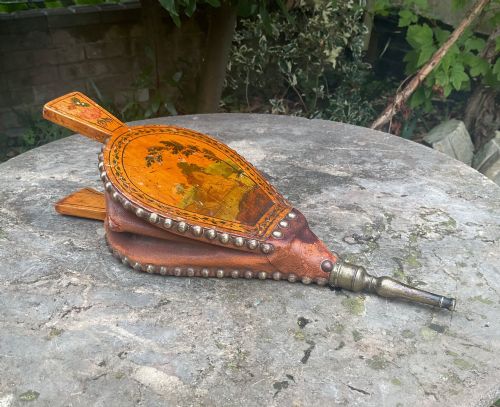
The objects span periods from the Georgian era through to the Regency and Victorian revivals, executed in materials such as brass, steel, mahogany, bronze, and ormolu. You are most likely to meet polished steel fire tools and brass fenders among these listings.
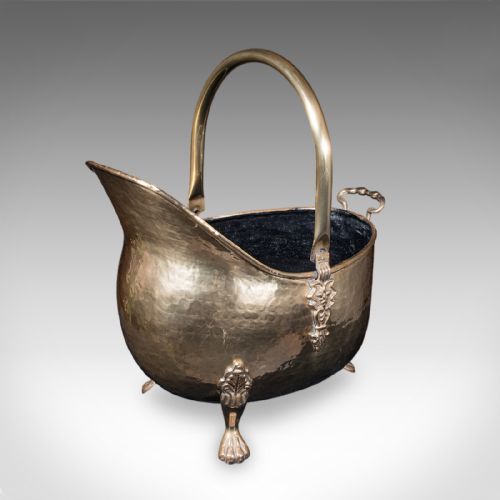
Forms range from double lidded coal buckets and maintenance sets to adjustable fire screens and andirons. Each piece reflects the formal symmetry and decorative restraint characteristic of the early nineteenth century.
Materials and Construction
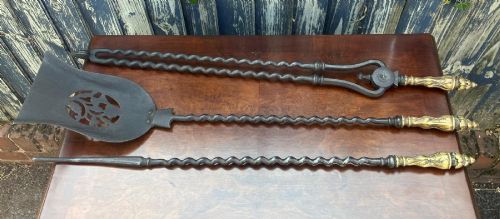
Makers utilised brass and polished steel as the primary metals for implements, fenders, and chenets, often combining them within a single set. Burnished steel provides the rigid durability required for companion fire tools.
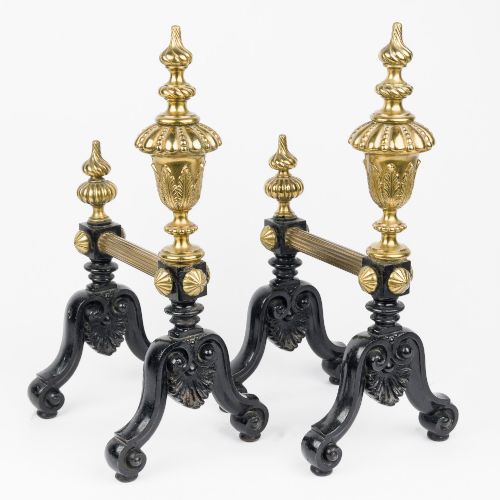
Foundry work employed bronze and ormolu for decorative accents on chenets and firedogs, while wood such as mahogany and turned elements appeared in spill holders and coal scuttle construction. Cast iron served heavy structural needs in andirons and grates.
Listings feature items from the Regency, Georgian, and 19th Century periods, constructed in brass, steel, bronze, and mahogany.
Judging Quality and Execution
The distinction between standard utility items and finer pieces lies in the precision of the metalworking and the finish applied to the brass or steel. Superior examples display crisp turning on handles, careful burnishing, and harmonious matching across a complete set of fire irons.
Design complexity also separates pieces, with decorative ormolu mounts, bronze casting, and specialised mechanisms such as adjustable poker work panels indicating superior craftsmanship compared to plain functional hardware.
The Regency Fireplace Accessory Glossary
- Andiron
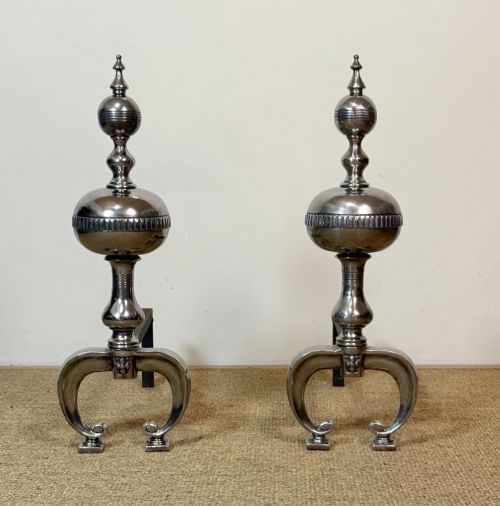
- A horizontal metal support raised on legs, used to hold logs in an open fireplace. Pairs of these often feature decorative fronts facing into the room.
- Fender
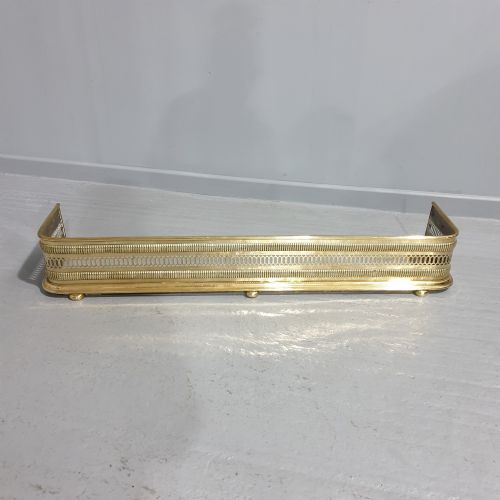
- A low metal guard placed on the floor around the hearth to contain sparks and rolling embers. These are frequently fashioned from pierced or polished brass.
- Chenet
- An alternative French term for fire dogs or andirons, frequently applied to decorative ornamental firedogs cast in bronze or ormolu. They ornament the hearth rather than support heavy fuel.
- Spill holder
- A small container designed to hold thin wooden spills or taper used for lighting fires and candles. These turned vessels sit on the mantelpiece or hearth.
- Companion set
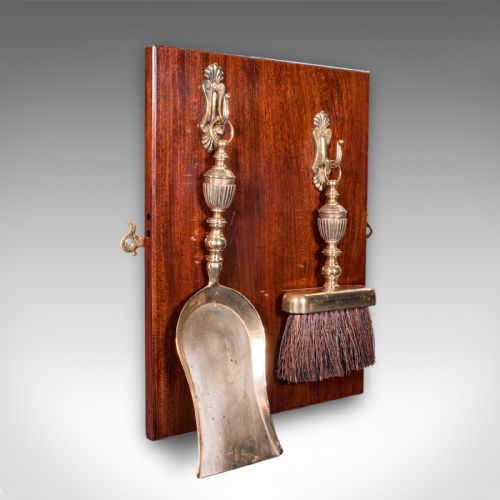
- A matched collection of fireplace tools typically including a shovel, poker, and tongs, often displayed together on a stand or fender.
Regency Fireplace Accessory: Frequently Asked Questions
What is a regency fireplace accessory?
A regency fireplace accessory comprises the metalware and wooden items used to manage a coal or wood fire during the early nineteenth century. This category includes fenders, fire irons, coal buckets, and andirons.
These pieces combined practical utility with the neoclassical decorative standards of the Georgian and Regency periods. They transformed mundane hearth maintenance into an aesthetic display.
How do I date a brass fender?
Dating relies upon examining the construction techniques, metal composition, and stylistic motifs present on the object. Early nineteenth-century examples often display hand-beaten components and specific geometric piercing.
Comparing the decorative details against known Regency and George IV design books helps confirm the period. Later Victorian revivals frequently show heavier, less refined casting methods.
What tools belong in a fire set?
A traditional companion fire set typically contains a shovel, a poker, and tongs for managing fuel and ash. Some sets also incorporate a brush for sweeping the hearth.
These implements were often forged from polished steel or fashioned with brass handles to match the surrounding fender and grates.
How should I clean polished steel?
Polished steel requires careful maintenance to prevent oxidation while preserving the reflective metallic surface. Gentle cleaning removes surface grime without abrading the historic finish.
Harsh abrasive compounds must be avoided to protect the original burnished texture achieved by nineteenth-century metalworkers.