




English Brass Bucket
When you search for an english brass bucket, you find sturdy hearthside vessels that served as fuel stores and wine coolers in traditional homes.
English Brass Bucket
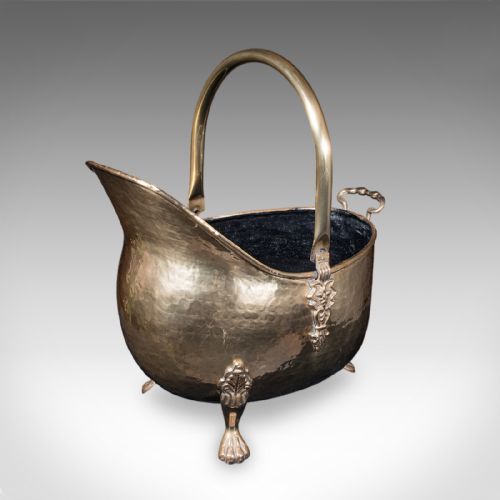
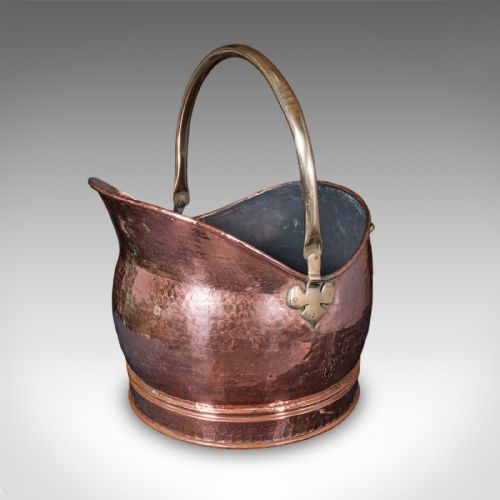
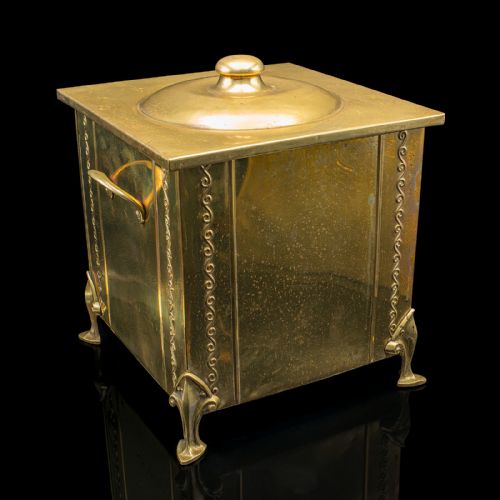
An english brass bucket serves primarily as a fireside accessory for holding coal, logs, or kindling, though similar forms also function as plate buckets, wine coolers, and umbrella stands. These containers span several eras from the eighteenth century through the Georgian, Regency, and Victorian periods up to the early twentieth century.
How they were made
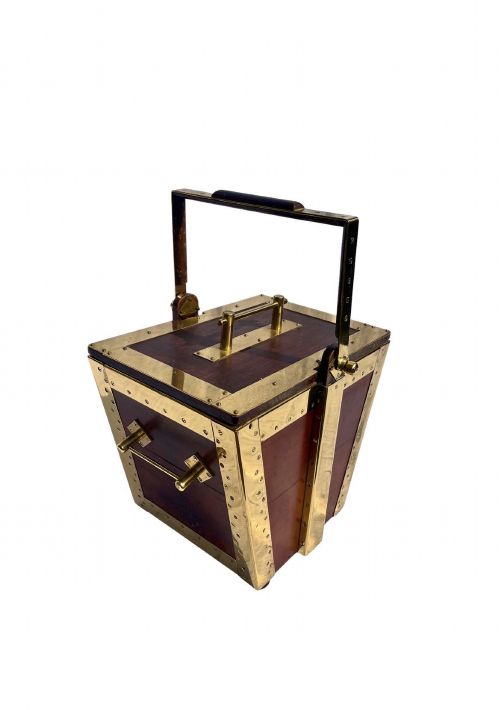
Maker construction relies heavily on durable metals like brass and copper, frequently combined with timbers such as mahogany, oak, and walnut. Coopered construction techniques use wooden staves bound tightly with brass bands to form oval or cylindrical vessels.
Surface finishes involve hand-beaten hammering on metal panels or smooth polishing on turned and polished wood. Iron fittings and metal handles frequently reinforce the structural integrity of these heavy storage vessels.
Listings feature brass, copper, mahogany, oak, and walnut materials spanning the Georgian, Regency, Victorian, and Edwardian periods.
What varies in quality
Quality rests in the precision of the cooperage, the weight and thickness of the brass and copper sheets, and the integrity of the joinery. Superior examples display tight wood staves, hand-beaten detailing without crude patch repairs, and heavy cast brass mounts.
The sophistication of the period styling and the crispness of any decorative mouldings distinguish finer Georgian and Regency pieces from simpler utilitarian Edwardian and late Victorian items.
The English Brass Bucket Glossary
- Coopered
- Made by assembling wooden staves together with metal bands, similar to barrel construction. This technique creates strong oval or circular vessels from timber.
- Purdonium
- A specialised lidded coal box designed to sit beside the fireplace for domestic fuel storage. These typically feature hinged lids and interior compartments.
- Wine Cooler
- A brass-bound wooden vessel used originally for chilling wine bottles at the table. They share identical construction methods with log and peat buckets.
- Plate Bucket
- A specialised container designed for transporting or storing dining plates. These pieces often feature sturdy mahogany bodies with brass binding.
English Brass Bucket: Frequently Asked Questions
What is an english brass bucket used for?
These vessels were originally manufactured to store coal, logs, and kindling near domestic fireplaces or to hold wine and plates in formal dining rooms.
Today, they find purpose beside modern hearths as fuel stores or act as umbrella stands and decorative planters in hallways.
How do I date an english brass bucket?
Dating relies on identifying the prevailing timber, the method of metal fastening, and the stylistic cues of the period. Georgian and Regency examples often showcase fine mahogany with tight brass binding.
Victorian and Edwardian versions frequently introduce hammered copper, cast brass swing handles, and different wood species like walnut or oak.
Are these buckets made of solid brass?
Many examples combine a brass or copper outer body with internal iron or wooden reinforcement. Coopered variations use solid timber staves bound by heavy brass bands rather than being made of solid sheet metal.
Examining the interior and base reveals whether the metal forms the primary structure or serves as an exterior decorative binding.
What is the difference between a coal bucket and a wine cooler?
While both share similar coopered timber bodies and brass binding, wine coolers generally date from the eighteenth and early nineteenth centuries with refined formal proportions.
Coal buckets and purdoniums typically show greater resilience for heavy fuel storage and frequently include matching scoops or specialised drop-down lids.