



Regency Fire Curb
A regency fire curb defines a hearth with gleaming metal and classical line, offering both safety and style.
Regency Fire Curb
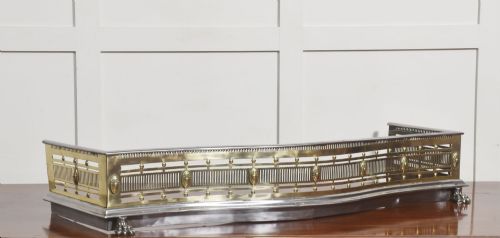
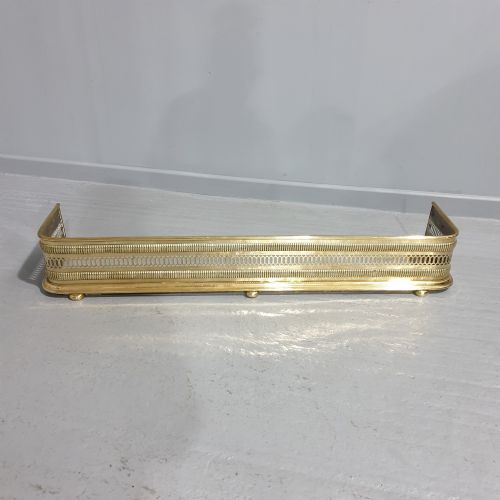
A regency fire curb sits before the hearth to contain embers and frame the fireplace, appearing across nineteenth-century and Georgian listings on this page. These pieces frequently take the form of curved kerb fenders and fireplace accessories constructed for period rooms.
The materials span brass, steel, iron, cast brass, bronze, polished steel, gilt bronze, and cast iron, often combining polished brass with steel or iron components. Styles range through Regency, Victorian, Neoclassical, William IV, and Grand Regency motifs.
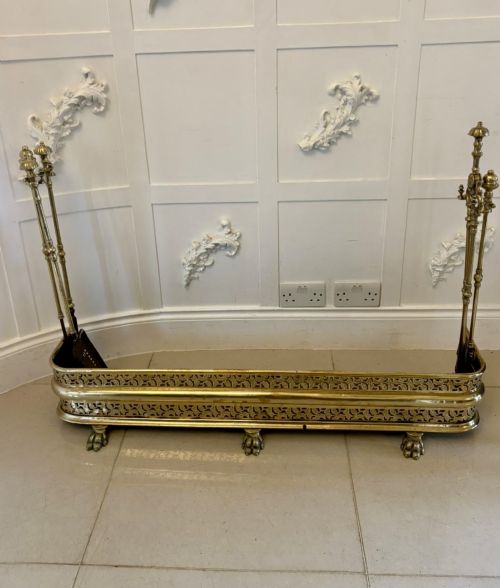
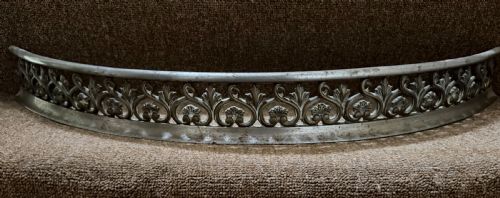
Buyers encounter smaller scale early nineteenth-century steel curbs alongside heavy brass fenders adorned with garlands or lions. The forms include curved designs and pieces accompanied by original fire irons.
Materials and construction
Makers utilised heavy brass, cast brass, and bronze alongside polished steel and iron to build these hearth accessories. Metalworking techniques involved finely casting classical style decoration and forming curved structures to fit hearths precisely.
Combinations of steel and brass frequently appear together, pairing structural steel or iron strength with the decorative warmth of polished brass and gilt bronze. Details such as cast lions and brass garlands were applied to enhance the metal surfaces.
Listings feature four distinct periods: 19th Century, Regency, 1850, and Georgian, constructed in brass, steel, iron, bronze, and gilt bronze.
Distinctions in quality
The refinement of the cast decoration separates standard examples from superior pieces, particularly where classical motifs, lions, or garlands are rendered with crisp relief. Superior metalwork shows clean finishing on polished steel and well-cast brass elements rather than softened detail.
The integration of mixed metals, such as combined steel and brass or bronze and iron, indicates ambition in the workshop construction. Original components, including matching fire irons, elevate the integrity of a piece within the range.
The Regency Fire Curb Glossary
- Curb fender
- A low metal guard placed around the hearth to keep burning coals and ash contained within the fireplace. This barrier protects the room while framing the fire.
- Neoclassical
- A style drawing inspiration from the classical art and architecture of ancient Greece and Rome. It informs the symmetry and decorative motifs found on these metalwork pieces.
- Gilt bronze
- Bronze treated with a thin layer of gold or gold-coloured alloy to impart a rich metallic lustre. This finish highlights cast decorative details.
- Fire irons
- Implements such as pokers, tongs, and shovels used to tend the fire. They are occasionally found complete with the original fender set.
Regency Fire Curb: Frequently Asked Questions
What is a regency fire curb?
A regency fire curb is a metal hearth barrier designed to contain embers and coals while framing the fireplace. These pieces date from the nineteenth century and Georgian eras.
They serve both a practical safety function and a decorative role in period interiors, utilising materials like brass, steel, and bronze.
How were these curbs used?
These curbs sat directly on the floor around the hearth opening to prevent burning fuel from rolling onto the room's flooring. They also provided a defined boundary for the fireplace.
Some examples accommodated matching fire irons within their overall arrangement, keeping hearth tools close at hand.
What metals are most common?
Brass and steel appear frequently in these listings, often used together in a single fender. Bronze, iron, and cast brass are also regular materials.
Combinations of polished steel with cast brass or bronze ornaments are typical of the period aesthetic.
How do I identify the style?
Makers drew upon Regency, Neoclassical, and William IV design vocabulary, featuring classical style decoration, garlands, and cast animal motifs like lions. The presence of curved lines and refined casting indicates the period.
Detailed metalwork and mixed materials point toward the grander end of nineteenth-century production.